Ultimate Taco Dinner Board with Appetizer Recipes Everyone Will Love
Introduction
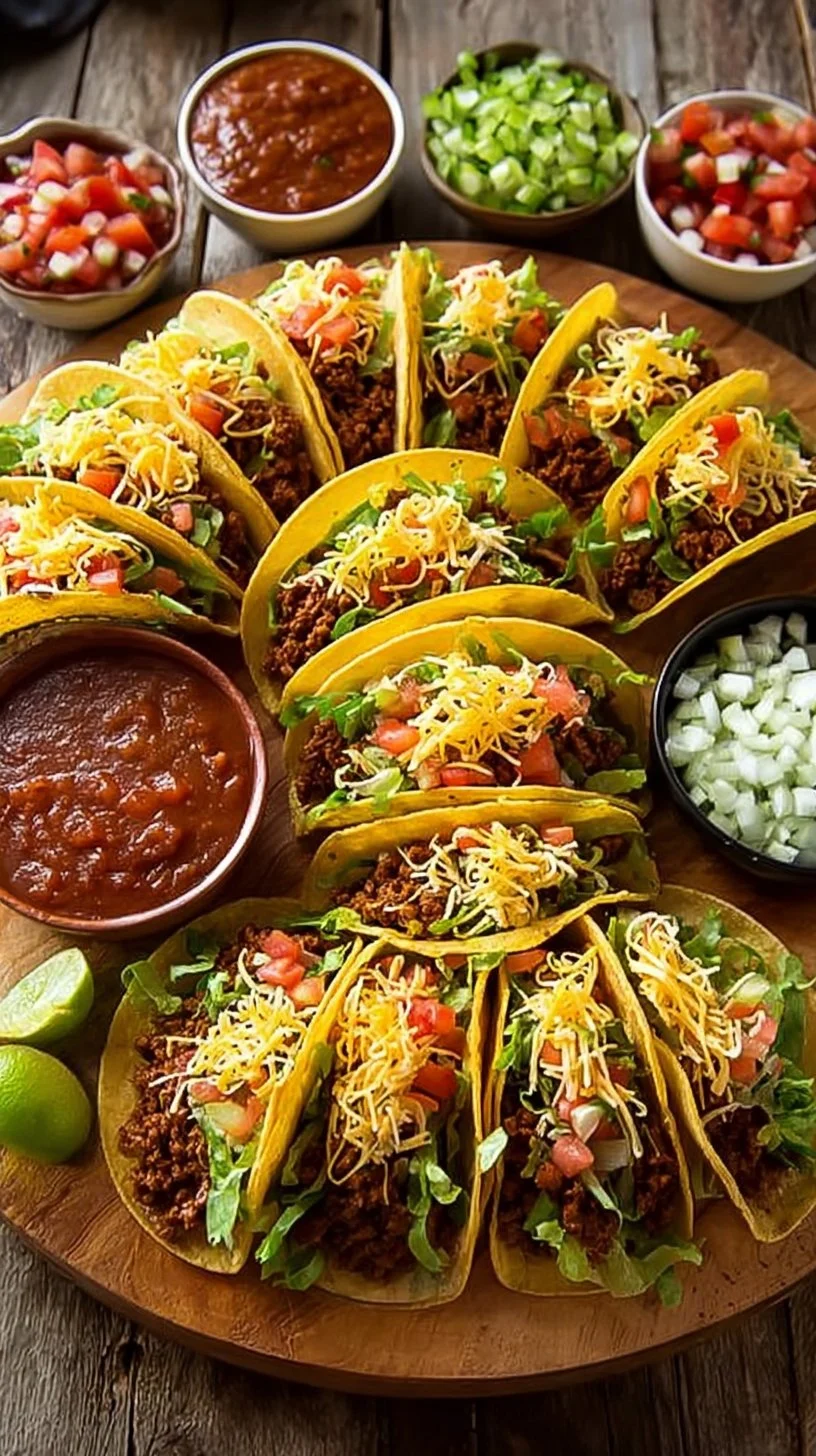
A composed dinner board delivers immediate visual clarity and functional efficiency: proteins, shells, condiments and garnishes arranged so guests can assemble with confidence. This Ultimate Taco Dinner Board with Appetizer Recipes Everyone Will Love is designed to optimize flow, flavor contrast and heat control for a communal meal that scales easily. When executed correctly, a taco board preserves the crispness of shells, the succulence of proteins and the bright acidity of finishing elements. For concise inspiration on weeknight compositions that follow similar principles of efficiency and balance, consult this collection of easy dinner recipes which demonstrate comparable approaches to ingredient staging and timing.
The culinary logic behind this dish
At its core this concept separates tasks into three interdependent streams: protein preparation, shell management and sauce/vegetable mise en place. Separating proteins—seasoned ground beef and grilled chicken—allows each to be treated with a method appropriate to its texture and flavor profile. Ground beef benefits from Maillard-driven caramelization to develop savory depth and fat-emulsified mouthfeel, while grilled chicken relies on high direct heat for surface char and controlled resting to preserve juice and sliceability.
The board functions as a temperature and texture map. Crispy shells are kept apart from moisture-rich components to prevent sogginess; sauces are portioned into small bowls to control moisture and mouthfeel; fresh vegetables and herbs provide crispness and aromatics that cut through richness. This structural approach mirrors plated service logic and yields predictable, repeatable quality under casual-serving conditions. If you want to compare how assembled dishes can shift from savory mains to playful desserts, see an example of composed handhelds in this dessert tacos resource.
How to make Ultimate Taco Dinner Board with Appetizer Recipes Everyone Will Love
The board succeeds when each component is executed with intent. Treat the ground beef and the chicken as separate culinary problems. For ground beef, render connective tissue and fat to extract flavor while keeping moisture—start with a hot pan, break the meat into even pieces and do not overcrowd. Browning is flavor: aim for well-marked bits, then deglaze with a splash of stock, water, or a restrained acidic element to lift fond and integrate seasoning. For the grilled chicken, build a hot-then-medium heat profile: a sear to develop a savory crust, then a drop in temperature to finish through without drying. Slice chicken against the grain to preserve tenderness and produce bite-sized ribbons that sit in the shell without tearing the tortilla.
Assembly is logistical rather than decorative. Warm the shells just before service to improve pliability for soft shells and to restore crispness for hard shells. Keep sauces in shallow bowls to make spooning or dolloping straightforward. Arrange components in grouped runs—proteins separated by color and density, greens and tomatoes adjacent to cheese and onions—so guests can choose textures and flavor contrasts intuitively.
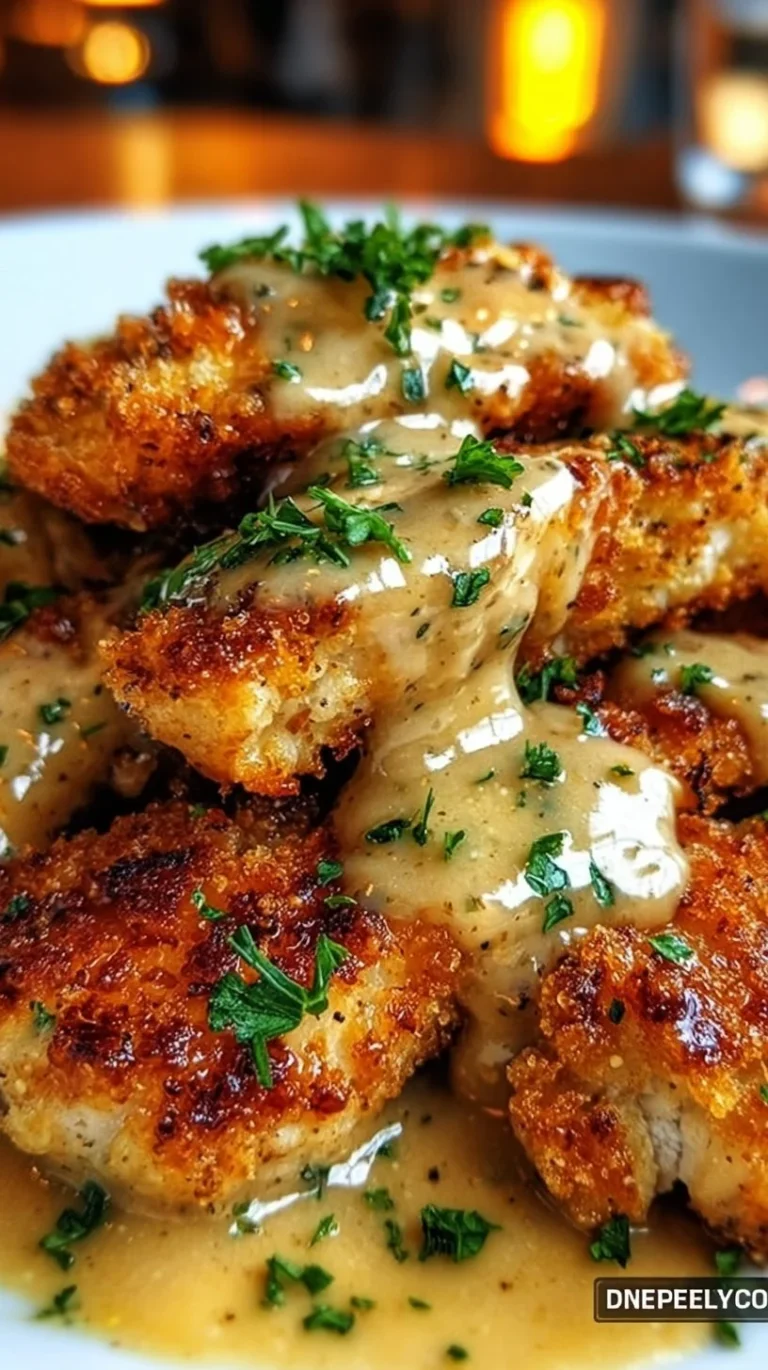
For additional protein-focused technique that complements the grilling and panwork here, consult this methodical preparation of roasted and crusted proteins as seen in a detailed parmesan-crusted chicken with creamy garlic sauce guide.
Ingredients :
1 lb ground beef, cooked and seasoned, 1 lb grilled chicken breast, sliced, 12 small taco shells (soft or hard), 2 cups shredded lettuce, 1 cup diced tomatoes, 1 cup shredded cheddar cheese, 1 cup sour cream, 1 cup guacamole, 1 cup salsa, 1/2 cup chopped onions, 1/2 cup chopped cilantro, 1 sliced jalapeño (optional), 1 lime, cut into wedges
Directions :
Cook and season the ground beef; grill and slice the chicken., Warm the taco shells according to package instructions., On a large serving board or tray, arrange all the components in groups: beef, chicken, shells, lettuce, tomatoes, cheese, etc., Place sauces like sour cream, guacamole, and salsa in small bowls., Add lime wedges and jalapeño slices for garnish., Let everyone build their own tacos and enjoy!
Ingredient analysis through a chef’s lens
Each ingredient has a distinct functional role. Ground beef brings fat and umami; its particle size determines mouthfeel—finely crumbled yields a paste-like filling, larger shards provide chew. Grilled chicken supplies low-fat lean protein and a contrasting texture; the seared exterior and moist interior offer balance. Taco shells dictate structural behavior: warmed soft tortillas fold and require pliability management, while hard shells demand careful filling distribution to avoid collapse.
Shredded lettuce and diced tomatoes contribute moisture buffering and textural lift; their water content and cut size are critical—fine shred integrates without overwhelming, while larger dice will release more juices. Shredded cheddar contributes both fat and salt; its melting point is useful when a warm, cohesive bite is desired. Sour cream and guacamole are emulsified components that add both cooling and richness; controlled dollops allow guests to modulate heat and mouth-coating properties. Salsa introduces acidity and vegetal aromatics, while onions and cilantro supply pungency and brightness. The optional jalapeño and lime wedges are micro-adjustments, enabling on-demand heat and acidity to lift the entire bite.
Kitchen workflow & technique breakdown
Workflow begins before any appliance is lit: mise en place must be comprehensive. Trim and portion chicken so thickness is uniform—this ensures even grill time. Season ground beef early but salt judiciously; too much salt draws moisture out prematurely. Heat control: begin the beef in a medium-high pan to encourage rapid evaporation and fond formation; once browned, reduce briefly to incorporate aromatics and finishing liquids. For the chicken, preheat the grill or cast-iron pan until it sings; sear to build char and then reduce heat or move to indirect heat to finish without blackening.
Timing is orchestrated to maintain temperature juxtaposition. Proteins should be completed within a 10–15 minute window of one another where possible; a short rest for chicken (5–8 minutes) stabilizes juices. Shell warming must be synchronized last—5 minutes before service for oven-warmed hard shells, or 1 minute on a skillet for soft tortillas. Small bowls for sauces and wet garnishes should be filled immediately before service to prevent condensation and weeping.
For techniques transferable to treating dense proteins, consider the controlled high-heat searing and rested slicing methods used in this garlic-butter steak with parmesan cream sauce recipe, which emphasize carryover cooking and finishing fat application.
Texture control, heat management & timing
Texture control is deliberate: maintain contrast by keeping crisp elements dry and cold, and warm elements hot but contained. To prevent shell sogginess, place lettuce and tomatoes on the board in a separate lane from sauces, or offer a small nest of paper towels or absorbent napkins for high-moisture components. Heat management through staging is critical—if beef or chicken is too hot it will wilt lettuce and melt cheese prematurely; if too cold, it will feel clumsy in the mouth. Aim for proteins served warm (130–140°F for chicken slices if cooked to safe temperatures and rested; beef warm and juicy) while cold components remain below 50°F.
Carryover cooking for the chicken must be anticipated: pull at 160°F if you prefer a conservative finish, knowing carryover will add a few degrees. Ground beef flavor benefits from a brief deglaze and short simmer with spices to meld and hydrate the meat without making it soupy. Plan the shell warming immediately before service and use insulated carriers or towels if there will be a delay.
Professional variations
A professional approach offers interchangeable modules rather than recipes. Swap ground beef for a slow-braised shredded beef for deeper unctuousness, or trade grilled chicken for achiote-marinated thighs to increase spice complexity. Introduce a charred corn relish to add smoky-sweet pockets, or a quick pickled onion to inject clean acidity and snap. For a richer board, offer a warm queso blanco in a small chafing bowl to maintain flowability. Maintain the original ingredient list when following this recipe, but use these variations as philosophical alternatives for service-level adjustments.
Finishing touches & plating philosophy
Finish each element with a targeted technique. A squeeze of lime just before eating brightens fatty elements; a light dusting of coarse salt across avocado or tomato opens aromatic notes. Place garnishes deliberately: cilantro torn, not chopped, to avoid bruising; jalapeño sliced uniformly so heat is predictable. A small spoon in each sauce bowl facilitates portion control and reduces cross-contamination. Visually, arrange items in bands that allow sight-lines to the board’s offerings—dark proteins separated by lighter vegetables and dairy to guide selection without cognitive load.
Plating, in this communal context, is pragmatic: clarity of choice and tactile ergonomics supersede decorative flourishes. Ensure small bowls sit flush to the board edges to prevent tipping and that heavier components are secured on the board to avoid movement when guests reach across.
Maintaining quality after cooking
Holding is as important as cooking. Keep warm proteins in shallow pans set over low heat or under a tent to preserve crust without stewing. Avoid covering proteins with airtight lids that trap steam; use loose foil to protect from drafts while allowing some moisture escape. Cold elements should be held on a tray placed over ice if there will be prolonged service to keep lettuce crisp and salsa bright. Rotate small bowls back to refrigeration if service extends beyond 60–90 minutes and replenish from fresh trays to maintain texture and food-safety standards.
Label elements when allergens or heat levels vary—this preserves guest autonomy and prevents cross-contact. If the board must be set in advance, assemble only the structural elements and perform the final staging of wet components immediately before service.
Questions from home cooks (chef answers)
Q: How do I keep hard shells from breaking under the weight of fillings?
A: Layer fillings thoughtfully—place dense proteins along the shell’s spine and avoid overfilling with wet components. Warm shells briefly to slightly soften the starch matrix without making them pliable; this reduces brittleness.
Q: Can I cook proteins ahead of time?
A: Yes, but sequence your finishing steps to reintroduce freshness. Reheat beef gently with a small splash of liquid to restore juiciness; for grilled chicken, reheat briefly at medium heat and finish with a quick sear to refresh surface Maillard notes. Slice protein just prior to service to retain clean edges.
Q: How to balance heat for a crowd?
A: Offer the jalapeño and any spicy salsa separately, and include a neutral cooling component such as sour cream or crema to allow guests to dial heat. Provide lime wedges to brighten and distract from residual capsaicin.
Q: What knife cuts produce the best texture for toppings?
A: Shred lettuce thinly for even integration; dice tomatoes into small uniform cubes to avoid large pockets of juice; chop onions and cilantro fine enough to distribute flavor without dominating each bite.
Final chef notes
Execute this board as an exercise in restraint and clarity: each element should contribute a single, definable textural or flavor function. Control moisture, respect temperature contrasts and stage elements to preserve their intended attributes. Communal service demands a balance between sturdy construction and delicate finishing; when these are aligned, the assembled bite will be consistently satisfying.
Conclusion
For last-minute small-plate additions and appetizer inspiration to complement a taco board, consider reviewing curated collections such as 40 Insanely Easy Last-Minute Appetizers that Come to the Rescue which offers quick, high-impact options. If you are refining family-friendly snack and dinner layouts that follow similar staging principles, this resource on The Ultimate Guide to Building a Healthy, Family-Friendly Snack provides practical guidance. For a handheld, weeknight riff that repurposes taco flavors into a different format, see this BEST Taco Taquitos Recipe – A Quick & Easy Weeknight Dinner.
Ultimate Taco Dinner Board
Ingredients
Method
- Cook and season the ground beef.
- Grill and slice the chicken.
- Warm the taco shells according to package instructions.
- On a large serving board or tray, arrange all the components in groups: beef, chicken, shells, lettuce, tomatoes, cheese, etc.
- Place sauces like sour cream, guacamole, and salsa in small bowls.
- Add lime wedges and jalapeño slices for garnish.
- Let everyone build their own tacos and enjoy!