Strawberry Milkshake Pound Cake Recipe
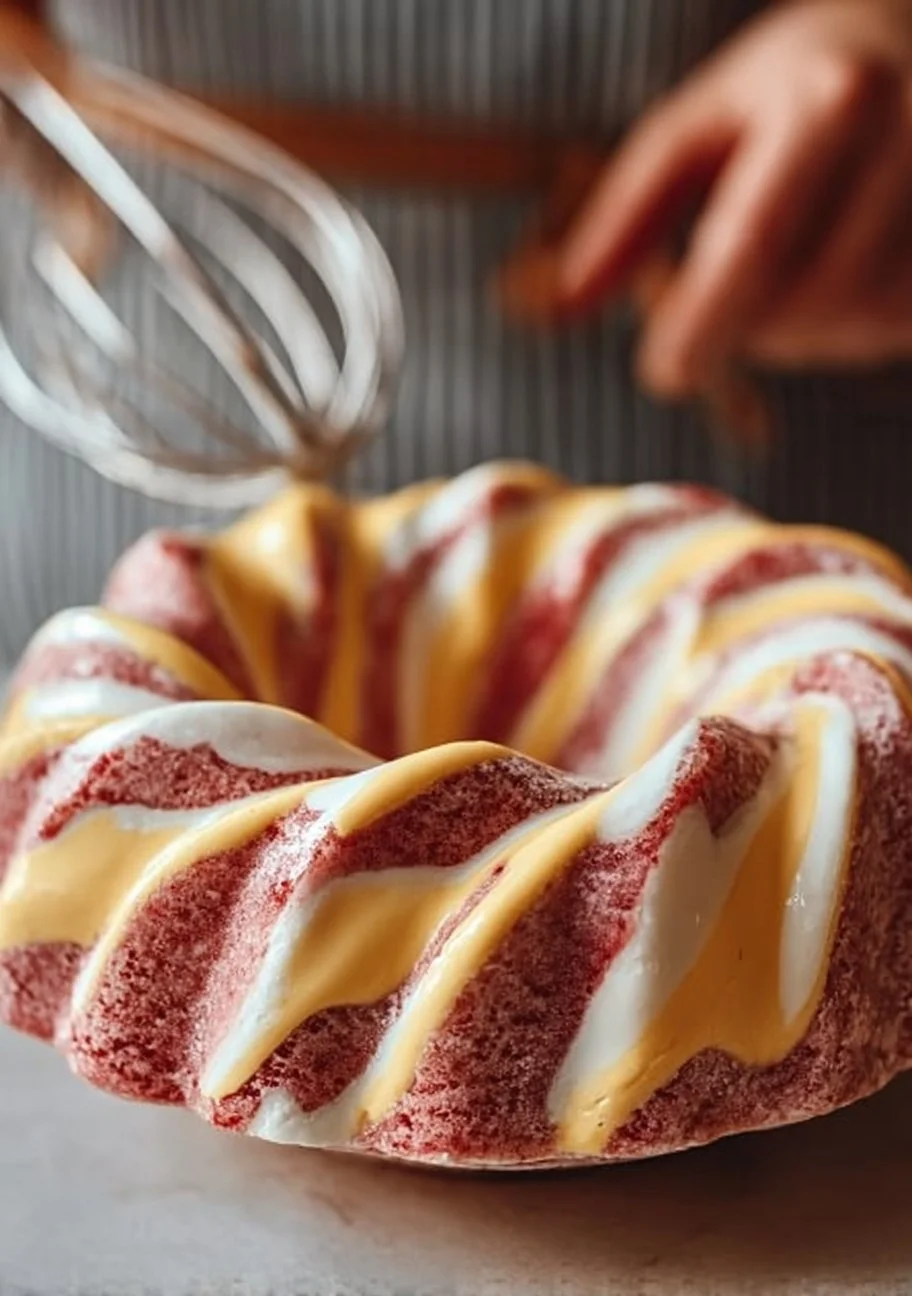
This recipe for Strawberry Milkshake Pound Cake is a study in restrained technique and deliberate ingredient interplay: butter and sugar for structure and tenderness, eggs for emulsion and lift, dairy and fruit for flavor complexity and moisture. The method is classical — creaming, alternating additions, gentle folding — but the inclusion of strawberry milk and preserves introduces both a flavor bridge to the glaze and a hydration variable that alters batter rheology. Before beginning, assemble all elements and confirm pan readiness; a 10-inch bundt or loaf pan requires specific greasing to avoid adhesion and to preserve the cake’s exterior sheen. If you are exploring compact, intensely flavored butter cakes, examine the assembly and aeration techniques used in miniature formats such as those in this reference to mini strawberry chocolate cakes — they illustrate the same principles scaled down.
The culinary logic behind this dish
Pound cakes are fundamentally about balance: fat for tenderness and flavor, sugar for sweetness and crumb tenderness, eggs for structure and lift, and flour for framework. The strawberry milk and preserves function on several planes. The milk provides milk solids that brown and contribute to mouthfeel, while the strawberry component adds volatile aroma compounds and acidity that accentuate sweetness. Sour cream introduces both acidity and emulsified fat, which interrupts gluten formation and yields a moist, fine crumb. The low bake temperature (325°F / 163°C) is purposeful: a steady, gentle heat allows the dense batter to cook through before the exterior overbrowns, producing a uniform crumb and a thin, caramelized crust. Every inclusion has a textural or chemical purpose; understanding these interactions is essential to consistent results.
How to make Strawberry Milkshake Pound Cake Recipe
The operational flow is intentional: start with temperature-equilibrated ingredients, cream the butter and sugar to introduce air, incorporate eggs incrementally to maintain emulsion, and alternate dry and wet components to control gluten development. Folding in preserves and fresh strawberries at the end preserves both color and fruit identity without overworking the batter. When batter is transferred to the prepared pan, smooth the surface to eliminate large air pockets and encourage even rise. Baking time is long relative to other cakes because the batter is dense; monitor doneness using a central toothpick and assess the cake’s spring and color. Cooling in the pan for the prescribed 15 minutes stabilizes crumb structure; immediate unmolding risks tearing, while rapid cooling can cause condensation. Finish with a powdered-sugar based strawberry glaze, whisked to a pourable viscosity that sets to a thin, translucent sheath enhancing both appearance and immediate strawberry perception.
Ingredients :
1 cup unsalted butter (softened), 2 cups granulated sugar, 4 large eggs, 1/2 cup strawberry milk, 1/2 cup sour cream, 2 teaspoons vanilla extract, 2 1/2 cups all-purpose flour, 1/2 teaspoon baking powder, 1/2 teaspoon salt, 1/2 cup strawberry preserves or puree, 1/2 cup finely chopped fresh strawberries, 1 cup powdered sugar, 2–3 tablespoons strawberry milk, 1/2 teaspoon vanilla extract, Pinch of salt
Directions :
Preheat the oven to 325°F (163°C) and grease and flour a 10-inch bundt or loaf pan to ensure the cake doesn’t stick., In a large mixing bowl, use an electric mixer to cream together the softened butter and granulated sugar until light and fluffy, about 3 to 4 minutes, which incorporates air for a tender crumb., Add the eggs one at a time, beating well after each addition to fully incorporate and maintain a smooth batter., In a small bowl, whisk together the strawberry milk, sour cream, and vanilla extract until smooth., In another bowl, sift together the all-purpose flour, baking powder, and salt to evenly distribute the leavening agents and salt., Gradually add the flour mixture and the wet mixture alternately to the creamed butter mixture, beginning and ending with the dry ingredients, mixing just until combined to avoid overmixing., Gently fold in the strawberry preserves and finely chopped fresh strawberries to evenly disperse the fruity flavor throughout the batter., Pour the batter into the prepared pan and smooth the top. Bake in the preheated oven for 60 to 70 minutes or until a toothpick inserted into the center comes out clean, indicating doneness., Allow the cake to cool in the pan for 15 minutes before carefully turning it out onto a wire rack to cool completely, preventing condensation and sogginess., Whisk together the powdered sugar, strawberry milk, vanilla extract, and a pinch of salt until smooth and pourable., Once the cake is completely cooled, drizzle the glaze evenly over the top and let it set before slicing and serving to allow the flavors to meld.
Ingredient analysis through a chef’s lens
Each component contributes a measurable functional property. Unsalted butter supplies both the majority of fat and the emulsifying surface for creaming; its temperature controls the ability to trap air during creaming. Granulated sugar is a structural tenderizer as well as a hygroscopic element that influences crumb moisture retention. Eggs function as emulsifiers (lecithin) and as structural proteins that coagulate during baking to set the crumb. The combination of strawberry milk and sour cream is noteworthy: milk adds lactose and milk proteins that brown and lend body; sour cream’s acidity weakens gluten and reacts subtly with the baking powder for lift and a finer crumb. Flour is the limiting agent for gluten; sifting and the specified mixing order reduce the risk of overdeveloping it. The preserves and fresh strawberries introduce free water and pectin; therefore, folding them in late prevents batter thinning and ensures even dispersion of fruit pockets rather than complete fruit dispersion. For technique comparisons in compact, butter-centric cakes, consult this analysis of Biscoff cheese cupcake structure to see how fat and moisture balance shifts in different matrices.
Kitchen workflow & technique breakdown
Efficient workflow preserves batter integrity and ensures timing consistency. Begin with mise en place: weigh or measure all ingredients, soften butter to a slightly cool, plastic consistency (not melted), and bring eggs to room temperature to maximize emulsion. Preheat the oven early and prepare the pan immediately before creaming to have no idle time after batter completion. The creaming step should be conducted with a paddle attachment or a bowl and flat beater; aim for a lightened butter-sugar ribbon — three to four minutes at medium speed is typical. When adding eggs, incorporate them one at a time while maintaining medium speed to prevent curdling; if the mixture appears to break, add a tablespoon of flour or a few teaspoons of the liquid to re-emulsify. Alternate additions of dry and wet minimizes gluten formation while keeping the batter smooth. Add preserves and diced strawberries by hand with a spatula to avoid mechanical breakdown of fruit tissues. For mise en place examples in small-format desserts and their timing, review these black forest cake mini dessert cups to see how sequencing affects final texture.
Texture control, heat management & timing
Texture is managed at three points: aeration during creaming, gluten control during mixing, and coagulation during baking. The density of a pound cake requires a low and slow approach; 325°F (163°C) allows even heat penetration so the center reaches proper internal temperature without an over-caramelized exterior. Monitor color and aroma: a gently toasted, golden crust and a butter-sweet aroma indicate appropriate Maillard activity without excessive sugar burn. Use the toothpick or cake tester as a pragmatic endpoint, but read it in concert with spring-back and internal temperature when possible (centers for butter cakes typically approach 200–205°F / 93–96°C when fully set). If the exterior browns prematurely, tent loosely with foil during the final 15–20 minutes. Cooling strategy matters: allow 15 minutes in-pan to avoid structural collapse, then unmold and cool completely on a wire rack to avoid bottom condensation which produces sogginess.
Professional variations
Professional pastry chefs will vary technique while preserving core ratios to adapt to service needs. For intensified pink color and more pronounced strawberry aroma, incorporate a concentrated, strained strawberry reduction folded into the batter at the same stage as the preserves, keeping hydration awareness in mind. To increase shelf stability for production, increase the proportion of sour cream slightly or replace part of the fresh strawberries with freeze-dried strawberry powder to retain flavor without added water. For presentation, bake in a 10-inch bundt to create architectural presence, or portion into mini loaf pans for even slicing in plated desserts. Each variation alters water activity and crumb mechanics, so plan for small test bakes to confirm bake time adjustments before scaling.
Finishing touches & plating philosophy
The glaze’s role is both aesthetic and gustatory: it creates a glossy surface and delivers a concentrated strawberry note on the first bite. Whisk the powdered sugar and strawberry milk to a pourable viscosity; 2–3 tablespoons of liquid produce a glaze that runs slowly and sets to a thin sheen. Add a pinch of salt and the vanilla extract to round flavors and counteract the sweetness. For professional plating, slice the cake with a warm, dry knife to produce clean cuts; place a modest swipe of glaze on the plate and a few halved fresh strawberries to reinforce the fruit profile without over-sweetening. Consider textural contrast with a small quenelle of lightly sweetened mascarpone or a compressed herb leaf (basil or mint) to complement the berry aromatics.
Maintaining quality after cooking
Storage and service temperatures materially affect perception. For best texture, store the cake loosely covered at room temperature for up to 24 hours; the crumb will remain tender due to the butter and sour cream content. Beyond 24 hours, refrigeration will extend shelf life but may firm the butter and mute flavors — allow slices to come to room temperature before serving to restore mouthfeel. For longer storage, wrap tightly and freeze slices; thaw overnight in refrigeration and bring to room temperature before serving. If using fresh berries in the batter, expect slight variations in moisture over time; slicing and serving sooner preserves the intended texture.
Questions from home cooks (chef answers)
Q: Why is the oven temperature lower than many cakes?
A: A lower temperature allows the dense, butter-rich batter to cook through evenly. High heat sets the exterior too quickly, which can lead to undercooked center or an overly domed crust that will crack and collapse.
Q: Can I use a different pan?
A: You may use a loaf or bundt pan of similar volume; however, expect minor adjustments in baking time and monitor the cake for the toothpick test and surface color.
Q: How do I prevent the folded strawberries from sinking?
A: Ensure they are finely chopped and well-coated with a small dusting of flour from the dry mix; fold gently and distribute them evenly so they remain suspended rather than collecting at the bottom.
Q: My batter looked curdled after adding eggs. Is it ruined?
A: Not necessarily. A curdled appearance indicates temporary separation. Add a small spoon of the flour or some of the wet mixture while mixing on low to re-emulsify, then proceed carefully.
Final chef notes
Precision matters: ingredient temperatures, controlled aeration, and respectful mixing create a refined crumb and consistent rise. The strawberry elements are delicate; preserve their identity by limiting mechanical action and by finishing with a bright, restrained glaze. Taste and adjust small details — a higher-quality strawberry preserve or a purer vanilla extract — before scaling. This pound cake is a platform for technique: execute the fundamentals consistently and the result will be a tightly textured, aromatic cake with a focused strawberry profile.
Conclusion
For a full visual reference and an alternate approach to a strawberry milkshake-inspired pound cake, consult this detailed recipe guide on recipeecho for techniques and presentation ideas: Strawberry Milkshake Pound Cake: A Sweet Delight Awaits! If you are researching classic strawberry pound cake variations and nuanced crumb treatments, this recipe archive on Life, Love and Sugar provides useful comparative notes: Strawberry Pound Cake | Life, Love and Sugar For inspiration on integrating strawberry and cream elements in complementary formats such as milkshakes and plated desserts, review the strawberry shortcake milkshake technique here: Strawberry Shortcake Milkshake – The Redhead Baker
Strawberry Milkshake Pound Cake
Ingredients
Method
- Preheat the oven to 325°F (163°C) and grease and flour a 10-inch bundt or loaf pan.
- In a large mixing bowl, cream together the softened butter and granulated sugar until light and fluffy, about 3 to 4 minutes.
- Add the eggs one at a time, beating well after each to maintain a smooth batter.
- In a small bowl, whisk together the strawberry milk, sour cream, and vanilla extract until smooth.
- In another bowl, sift together the all-purpose flour, baking powder, and salt.
- Gradually add the flour mixture and the wet mixture to the creamed butter mixture, alternating beginning and ending with the dry ingredients.
- Fold in the strawberry preserves and finely chopped fresh strawberries carefully.
- Pour the batter into the prepared pan and smooth the top.
- Bake in the preheated oven for 60 to 70 minutes or until a toothpick inserted into the center comes out clean.
- Allow the cake to cool in the pan for 15 minutes before carefully turning it out onto a wire rack.
- Whisk together the powdered sugar, strawberry milk, vanilla extract, and a pinch of salt until smooth and pourable.
- Once the cake is completely cooled, drizzle the glaze evenly over the top.
- Let it set before slicing and serving.