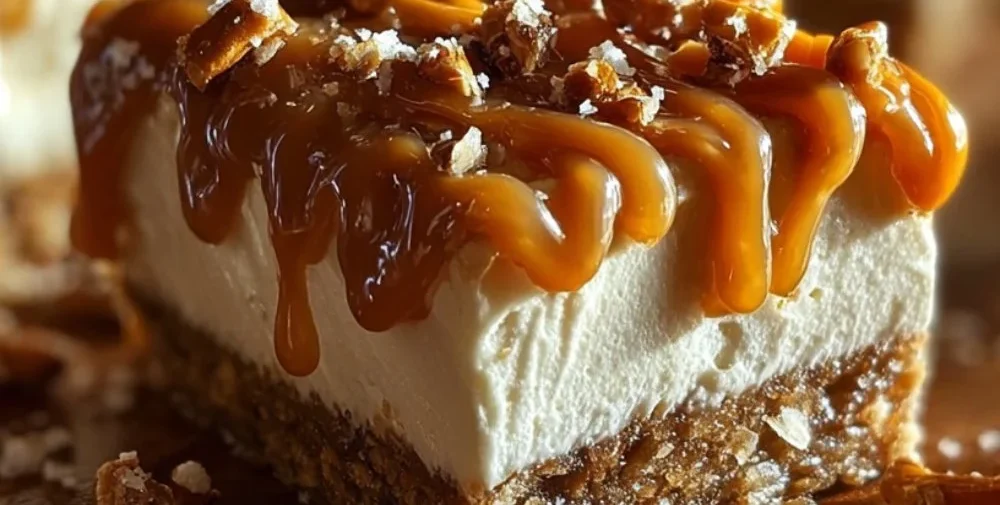
No-Bake Salted Caramel Pretzel Bars
Introduction
As a nutrition specialist, I approach treats like No-Bake Salted Caramel Pretzel Bars through the lens of balance: enjoying food that brings pleasure while considering how it fits into an overall pattern of nutritious choices. This recipe is a classic example of a dessert that pairs contrasting textures and flavors — crunchy, salty pretzel base; buttery, rich caramel; and a chocolate top — which makes it satisfying in small portions. My goal in this article is to translate the ingredients and method into practical, evidence-based guidance about digestion, nutrient balance, and how to include such treats in a sustainable, healthful lifestyle.
I’ll explain how the components of this recipe contribute to energy and satiety, how the no-bake preparation affects nutrient retention and food safety, and simple strategies to enjoy these bars mindfully as part of a nutrient-dense pattern. The tone here is calm, professional, and focused on realistic food choices — no extremes, no miracle promises — just straightforward nutrition advice you can use in daily life.
How this recipe supports overall wellness
Occasional desserts can support wellness when they contribute to pleasure and social connection without displacing nutrient-rich foods. The No-Bake Salted Caramel Pretzel Bars deliver quick energy mainly from carbohydrates and fats, which can be useful around planned activities or as an occasional carbohydrate-containing treat. The combination of sweet and salty flavors often increases satisfaction, so smaller portions may feel more rewarding and reduce the likelihood of overeating later.
From a psychological perspective, allowing periodic indulgences helps maintain long-term adherence to healthy eating patterns because it reduces feelings of restriction. Physiologically, pairing a treat with a source of protein or fiber at the same time can slow digestion and help moderate blood sugar response, supporting steady energy and hunger control. In short, these bars can fit into a balanced diet when consumed mindfully, in appropriate portions, and alongside nutrient-dense meals across the day.
How to make No-Bake Salted Caramel Pretzel Bars
Ingredients : 2 cups pretzels, 1/2 cup butter, melted, 1 cup brown sugar, 1 cup sweetened condensed milk, 1 cup chocolate chips, 1 teaspoon sea salt
Directions :
- Crush the pretzels in a food processor or place them in a zip-top bag and crush with a rolling pin.
- In a bowl, mix the crushed pretzels with melted butter and press the mixture into the bottom of a greased 9×9 inch pan to form the crust.
- In a saucepan, combine the brown sugar and sweetened condensed milk, heating over medium heat until it comes to a boil. Stir continuously for about 5 minutes until it thickens.
- Pour the caramel mixture over the pretzel crust and spread evenly.
- Melt the chocolate chips in a microwave or over a double boiler, then spread over the caramel layer.
- Sprinkle sea salt over the chocolate.
- Refrigerate for at least 2 hours until set, then cut into bars and serve.
This no-bake method is straightforward and reproducible in most home kitchens. The steps are intentionally simple: create a sturdy base, cook a caramel layer until thickened, add chocolate, and chill until firm. Following the directions as written will yield the classic textural contrast that makes this treat memorable.
Nutrient roles of each main ingredient
- Pretzels: Primarily provide refined carbohydrates and sodium. Carbohydrates are the body’s quick energy source. The crunch and saltiness of pretzels make them satisfying, which can help with portion control — a little can go a long way. Note that most commercial pretzels are made from refined flour and can be lower in fiber than whole-grain alternatives.
- Butter: A concentrated source of saturated and unsaturated fats and fat-soluble vitamins in small amounts. Fats slow gastric emptying, contributing to a feeling of fullness and allowing the dessert’s flavors to linger. Because butter is energy-dense, attention to portion size is important when including it in treats.
- Brown sugar and sweetened condensed milk: These provide simple sugars that supply quick energy and contribute to the caramel’s texture and flavor. Sweetened condensed milk also provides some protein and minerals from milk solids, but it is still high in added sugars. The caramel’s thickened structure comes from cooked sugars and dairy interaction.
- Chocolate chips: Provide added sugars, fats (including some saturated fat), and small amounts of bioactive compounds like flavanols, depending on cocoa content. The chocolate cap adds sensory richness that can increase satisfaction with a smaller piece.
- Sea salt: Used in small quantity for flavor; it enhances sweetness and contrast. Sodium plays roles in fluid balance and nerve function, but most people consume more sodium than recommended, so considering the sodium from pretzels and added salt is sensible.
Taken together, these ingredients make a high-energy, high-fat, and higher-sugar treat. That doesn’t make them “bad” — it just means they’re best enjoyed as an occasional part of a balanced diet that otherwise includes vegetables, fruits, whole grains, lean proteins, and healthy fats.
The preparation method & its health impact
The no-bake approach has both practical and nutritional implications. Because the recipe requires only moderate heating (to make the caramel), it avoids prolonged high heat that can produce some unwanted compounds. Short, controlled cooking — as the directions specify, stirring continuously until thickened — helps achieve the right texture while minimizing the risk of burning, which could create bitter flavors or degrade small amounts of nutrients in the milk.
No-bake desserts often retain more of the original texture and flavor of ingredients compared with baked versions. Chilling rather than baking preserves the structure of dairy and chocolate and reduces moisture loss, which keeps sugars softer and more palatable. From a digestive standpoint, combining fat and sugar with crunchy carbohydrates slows down the digestive process, which often makes the treat feel more satisfying and may moderate rapid blood sugar spikes compared to consuming sugar alone.
Food safety is straightforward with this recipe: because sweetened condensed milk is heated to a boil, it reaches temperatures that reduce many microbial risks. However, proper cooling and refrigeration are important once assembled to maintain quality and safety — see the storage section below.
Ways to lighten, enrich or modify the dish nutritionally
While you should not change the original recipe when following it exactly, there are several strategies to enjoy it in a way that aligns with nutrient goals:
- Portion control: Cut the bars into smaller pieces and serve with a protein- or fiber-rich side (e.g., a small bowl of plain Greek yogurt or berries). That combination slows digestion and helps you feel satisfied with less.
- Serving context: Make the bars part of a mixed plate containing fresh fruit or a small handful of nuts to add fiber and protein to the eating occasion.
- Ingredient swaps outside the original recipe: If you plan to experiment beyond this specific recipe, consider making a crust with a mixture of crushed whole-grain crackers or oats plus a modest amount of butter to boost fiber, or choose dark chocolate with higher cocoa content for more flavanols and less sugar per gram. These suggestions are offered as optional variations to try separately; keep the original dish intact if you want the classic result.
- Reduce frequency, not enjoyment: Rather than removing treats entirely, moderate how often you serve them. A small square once a week or shared among several people at gatherings can maintain pleasure without significantly increasing added sugar intake.
- Mindful eating: Encourage slow, attentive eating — take a few breaths, notice flavor and texture, and stop when satisfied. This practice helps with appetite regulation and overall enjoyment.
These approaches allow you to keep the recipe as written while making choices around serving and pairing that enhance nutrient balance.
Pairing ideas for a balanced, complete meal
When incorporating a sweet treat into a day’s meals, aim to balance macronutrients across other eating occasions. Here are practical pairings:
- After a dinner that includes lean protein (chicken, fish, legumes) and fiber-rich vegetables, enjoy a small bar as dessert. The prior meal’s protein and fiber will support satiety.
- Serve a single small bar with a cup of plain Greek yogurt and fresh berries as a semi-balanced snack: the dairy adds protein, berries provide fiber and antioxidants, and the bar supplies a pleasant sweet finish.
- If you plan to have this as an afternoon snack before exercise, pair it with a source of protein like a small handful of roasted chickpeas or a boiled egg to maintain blood sugar stability during activity.
- For social occasions, place bars on a platter with fresh fruit, cheese cubes, and whole-grain crackers to encourage smaller portions and variety.
These ideas help integrate the bars into an overall meal plan that supports steady energy and nutrient adequacy.
Safe storage, food safety & optimal reheating
Storage:
- Refrigerate the assembled bars in an airtight container or wrapped tightly in plastic wrap to prevent moisture uptake and flavor transfer. The recipe’s instructions to chill for at least 2 hours ensure proper setting; after that, refrigeration keeps them firm.
- Stored in the fridge, these bars generally keep well for 5–7 days. If you prefer a firmer texture, keep them chilled until serving. If left at room temperature, the caramel can soften and the chocolate may become oily in warm conditions; in ambient temperatures above 70°F (21°C), limit room-time exposure.
Food safety:
- Because the caramel uses sweetened condensed milk heated to a boil, the cooking step reduces microbial risk. Still, handle cooked caramel and assembled bars with clean utensils and refrigerate promptly after cooling to limit time in the “danger zone” (40–140°F / 4–60°C) where bacteria can grow.
- Use clean cutting implements and wash hands before serving. If any ingredient smells off or the product shows signs of mold, discard immediately.
Reheating:
- These bars are intended to be eaten chilled or at room temperature. Reheating is not necessary and can degrade texture (melted chocolate and softened caramel). If you prefer a softer, warm bite, microwave a single piece for 5–7 seconds — check and repeat in 2-second bursts as needed — but be cautious: the caramel will be hot and can cause burns.
Common nutrition questions about this dish
Q: Are these bars “unhealthy”? A: Labeling a specific food as healthy or unhealthy is less helpful than considering frequency, portion size, and the overall dietary pattern. These bars are energy-dense, high in sugar and fat, and best enjoyed occasionally within a balanced diet.
Q: Will eating these cause blood sugar spikes? A: Because the bars are rich in sugars and refined carbohydrates, they can raise blood glucose. Pairing a small portion with protein or fiber (e.g., a few nuts or plain yogurt) and avoiding a large serving helps moderate blood sugar response.
Q: Can kids eat these? A: Yes, in moderation. Consider serving smaller portions and pairing with fruit or milk to add nutrients and slow digestion. Observe portion control for younger children.
Q: How can I include these without derailing weight or health goals? A: Focus on portion size, frequency, and pairing with nutrient-dense foods. Enjoy one small square instead of several, and plan a day that includes balanced meals rich in vegetables, lean proteins, whole grains, and healthy fats.
Q: Is there a way to satisfy cravings without eating the whole pan? A: Pre-portion the bars and store them individually so you’re less likely to overconsume. Sharing with family or guests is also a good strategy.
Final wellness notes
No-Bake Salted Caramel Pretzel Bars are a sensory-rich treat that can be part of a healthy lifestyle when consumed intentionally. They highlight how food combines pleasure and nourishment: a small portion can satisfy taste and satiety if planned thoughtfully. Use strategies like mindful eating, balanced pairings, and reasonable portion sizes to enjoy these bars without compromising long-term goals. Remember that one food does not determine your health — patterns over weeks and months do. Treats can and should fit into a flexible, evidence-based approach to nutrition that supports physical health, mental well-being, and social connection.
Conclusion
For recipe inspiration and variations that maintain the no-bake approach while offering different textures or ingredient ratios, you may find helpful ideas in the original no bake salted caramel pretzel bars – running with spoons. If you’re curious about another take on the salted caramel and chocolate combination, see this version of Salted Caramel Chocolate Pretzel Bars (No Bake Recipe!). For a different presentation that focuses on a thin, bark-style finish, check this Pretzel Bark – Tastes Better From Scratch take on the same flavor profile.
No-Bake Salted Caramel Pretzel Bars
Ingredients
Method
- Crush the pretzels in a food processor or place them in a zip-top bag and crush with a rolling pin.
- In a bowl, mix the crushed pretzels with melted butter and press the mixture into the bottom of a greased 9×9 inch pan to form the crust.
- In a saucepan, combine the brown sugar and sweetened condensed milk, heating over medium heat until it comes to a boil.
- Stir continuously for about 5 minutes until it thickens.
- Pour the caramel mixture over the pretzel crust and spread evenly.
- Melt the chocolate chips in a microwave or over a double boiler, then spread over the caramel layer.
- Sprinkle sea salt over the chocolate.
- Refrigerate for at least 2 hours until set, then cut into bars and serve.