Peanut Butter Oat Cups
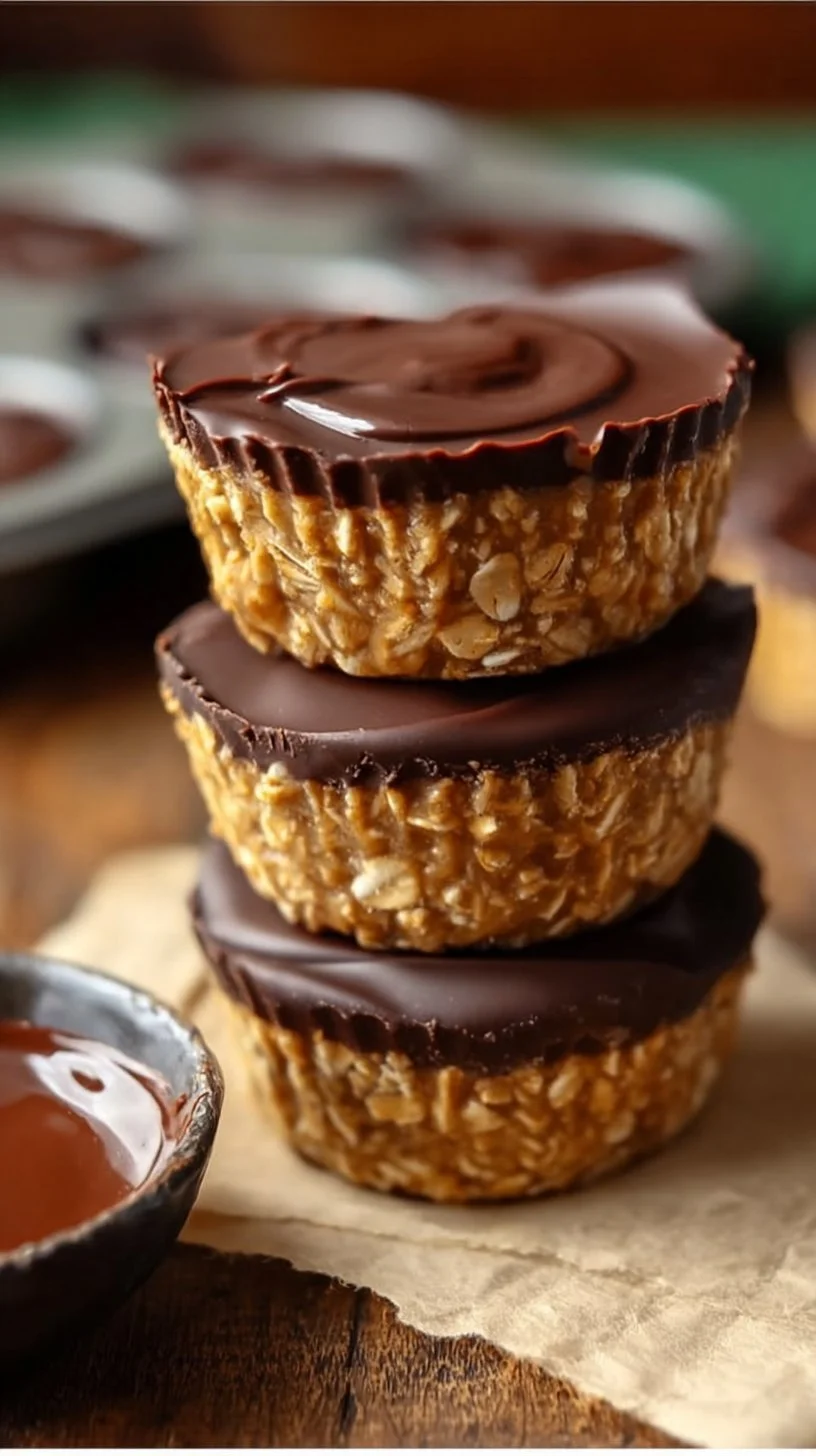
Peanut Butter Oat Cups are a concise, no-bake composition that relies on precise ratios and minimal handling to produce a cohesive, texturally satisfying snack. The recipe’s structure — primarily a viscous fat-protein binder (peanut butter), a hygroscopic sweetener (honey or maple syrup), and a granular structural component (rolled oats) — makes it an ideal platform for understanding the fundamentals of emulsion stability, hydration equilibrium, and cold setting. For cooks looking to expand their basic technique into batch preparation or small commercial production, this formula is instructive for scaling, timing, and texture control. If you are exploring similar compact desserts that emphasize grain structure and binders, compare the proportion logic to other recipes like this mini dessert cup technique to appreciate scale and presentation decisions.
The culinary logic behind this dish
At its core, this recipe balances three functional elements: binder, bulking agent, and sweetener. Peanut butter supplies oil, protein, and a dense flavor matrix; rolled oats provide bulk, chew, and starch capable of absorbing and moderating free oil; honey or maple syrup contributes both sweetness and hygroscopicity, which aids in cohesion and mouthfeel. Vanilla and salt are amplification agents — vanilla extends the perceived sweetness and ties aromatic notes, while salt sharpens and heightens the nutty profile.
The combination is stable without heat because the binder (peanut butter) is already fluid at room temperature and the sweetener is viscous; chilling lowers the oil mobility and solidifies the matrix enough for the mixture to hold shape. Chocolate chips, when included, add a contrasting textural and thermal element: solid chocolate introduces a snap at colder temperatures and softens on the palate as body heat melts it, creating a two-stage textural experience. Understanding why each ingredient functions the way it does allows deliberate adjustments for texture and shelf life without altering the original ingredient list.
How to make Peanut Butter Oat Cups
The procedural logic of the method is intentionally simple: homogenize the wet components to create an even binder, incorporate the oats gently to control hydration and avoid overworking, portion, compress, and chill. Homogenization reduces localized oil pockets and ensures that each cup will have consistent flavor and structural integrity. Gentle mixing prevents the oats from becoming overly pulverized, which would create a pastier texture and reduce the desired chew. Pressing into the tin compacts the oat matrix, reducing air pockets that accelerate oil migration and structural collapse during storage.
Ingredients :
1 cup peanut butter, 1 cup rolled oats, 1/4 cup honey or maple syrup, 1/4 cup chocolate chips (optional), 1/2 teaspoon vanilla extract, A pinch of salt
Directions :
- In a large bowl, combine the peanut butter, honey (or maple syrup), and vanilla extract. Stir until smooth., 2. Add the rolled oats and salt to the mixture and mix until well combined., 3. If using, fold in the chocolate chips., 4. Line a muffin tin with paper liners or spray with cooking spray., 5. Spoon the mixture into the muffin cups, pressing down firmly to ensure they hold together., 6. Refrigerate for at least 30 minutes to set., 7. Once set, remove from the tin and enjoy your no-bake snack!
Ingredient analysis through a chef’s lens
Peanut butter: Choose a smooth, homogenous peanut butter for even distribution; natural peanut butter separates and requires stirring, which introduces air and may alter oil ratios. Commercial homogenized peanut butter provides consistent oil content, producing predictable firmness after chilling. The fat content and particle size determine mouth-coating and perceived richness.
Rolled oats: Their flake integrity is crucial. Old-fashioned rolled oats retain structure and provide a toothsome chew; quick oats absorb more liquid and will produce a denser, less textured bite. The surface starch on rolled oats absorbs the syrup and peanut oil to create a stable network. Grind or milling will alter hydration behavior — keep them whole to preserve intended texture.
Honey vs. maple syrup: Both are hygroscopic viscous liquids but differ in flavor compounds. Honey has fructose-glucose balance and a floral complexity that will subtly caramelize on warm tongues; maple syrup offers woody and caramel notes. The choice affects aromatic profile but not the setting mechanics significantly. The 1:4 binder-to-sweetener proportion here is deliberately low to preserve peanut butter dominance and prevent excessive stickiness.
Chocolate chips (optional): Use chips formulated to retain shape at room temperature if you need defined contrast at refrigeration temperatures. If you want a softer integration, submerge chips in the mixture to warm slightly from body heat and soften on consumption. Their inclusion changes the thermal and textural progression of each bite.
Vanilla and salt: Use pure extract for a clean top note; salt should be measured carefully — a pinch is sufficient to accentuate the peanut’s natural flavors and to balance the sweetness.
For comparative benchmarks on oat-based no-bake formats and proportion scaling, consider cross-referencing preparation methods such as this oatmeal-raisin bar approach which highlights oat hydration and binder considerations in a baked matrix.
Kitchen workflow & technique breakdown
Work in stations: mixing, portioning, pressing, and chilling. Begin by measuring ingredients precisely; small variations in oil content or humidity can influence final texture significantly. Use a large bowl for initial homogenization; a flexible silicone spatula is ideal for scraping sides and producing a uniformly coated oat distribution.
Mixing order matters: combining peanut butter and sweetener first allows the viscous liquids to emulsify, creating a continuous phase that coats oats uniformly when added. Adding oats too early or in large increments risks clumping and uneven hydration. When folding in chocolate chips, do so gently to avoid melting them with friction.
Portioning is an efficiency and quality-control step. Use a small cookie scoop to ensure consistent volume. Pressing technique influences density — press with the back of a spoon or a small measuring cup to compress the mixture into a compact mass; this removes air pockets and aligns oats for a structurally sound cup. If preparing multiple batches, chill the first tray fully to establish a baseline for desired firmness and adjust pressing pressure or chilling time accordingly.
Consider workflow timing to minimize handling and ensure consistency. Keep the mixing area cool; elevated ambient temperatures increase oil mobility and reduce structural integrity during shaping.
Texture control, heat management & timing
Texture in this no-bake product is primarily set by three variables: oil mobility, oat hydration, and compaction. Temperature governs oil mobility: work in a cool environment (ideally below 22°C/72°F). If your kitchen is warm, consider chilling the peanut butter briefly or using chilled bowls to prevent excessive oil separation while mixing.
Hydration is controlled by the ratio of syrup to oats and by contact time. The recipe’s 1:1 oats to peanut butter weight ratio results in a firm but not brittle cup. Allowing the assembled cups to rest in the refrigerator for the recommended 30 minutes ensures the honey or maple syrup redistributes into the oat matrix and oil mobility lowers, creating a defined structure. If you desire a firmer product, extend chilling to 60–90 minutes; for a softer, chewier texture, reduce chilling time but be aware of reduced shelf stability.
Avoid applying heat. Introducing heat will lower viscosity and can cause oil separation, which impairs set and leads to greasy surfaces. Conversely, if you need to expedite setting, chilling in a shallow freezer for 10–15 minutes can accelerate oil solidification; monitor closely to prevent freezing, which alters texture adversely.
Professional variations
Maintain the core proportions but manipulate textural or flavor elements while keeping the ingredient list intact: press half the cups more firmly to create a compact base and leave others looser for textural contrast. If you prefer a studded interior, use larger chocolate pieces; if you want dispersed chocolate, chop chips finely and fold gently.
For seasonal or commercial presentations, prepare two-tier cups: press a thin, compacted base, chill to set, then add a second layer with additional chips for a bifurcated texture. To modulate sweetness perception without changing ingredient list, adjust press density — denser cups release flavors more slowly, which can mute perceived sweetness; looser cups are perceived as sweeter.
For batch production, scale proportions linearly and maintain mixing shear to a minimum. Use a planetary mixer on low for initial homogenization only; excessive shear will warm the mixture and risk oil separation.
For a comparative method that experiments with similar no-bake ratios and textural outcomes, review this professional-styled preparation workflow for insights into scaling and plating discipline, noting the different technical contexts but similar principles of timing and staging.
Finishing touches & plating philosophy
Presentation should underscore the textural contrast and the cup’s clean geometry. Use a muffin tin with liner ridges to create a defined edge, then unmold carefully to present a smooth face. If serving individually, place each cup on a small porcelain saucer with the cut face upward to reveal oats and chocolate distribution. A minimal finish preserves the ingredient-driven character; avoid syrup glazes or large garnishes that compete with the core flavors.
Temperature on service matters: slightly chilled (7–10°C) preserves firmness while allowing chocolate to yield on contact. If serving at room temperature, allow cups to rest for a short interval so the mouthfeel transitions from firm to creamy without becoming greasy.
Maintaining quality after cooking
Because this is a no-bake, oil migration and textural softening are the primary quality concerns. Store in an airtight container in the refrigerator for up to 7–10 days to maintain texture and to minimize rancidity. Place a sheet of parchment between layers to prevent adhesion. For short-term portability, keep chilled until serving and avoid prolonged exposure to heat or humid conditions. Freezing is possible for longer-term storage: freeze individually on a tray then transfer to a sealed container; thaw gently in the refrigerator to avoid condensation forming on the surface, which can make the exterior slick.
Monitor for oil separation on the surface; minor separation can be remixed into the interior by pressing the cups again briefly, but significant separation indicates a formula imbalance or prolonged warm storage.
Questions from home cooks (chef answers)
Q: Can I use crunchy peanut butter instead of smooth?
A: Yes. Crunchy peanut butter will introduce additional textural crunch but also larger particulates that can interfere with compacting. Press more firmly to compensate and expect a slightly looser cohesion around the nut fragments.
Q: Will substituting almond butter change the set?
A: Almond butter differs in oil content and emulsification properties; expect slightly looser set and a more delicate nut flavor. Use slightly more oats or increase chilling time to compensate if using a higher oil nut butter.
Q: Can I skip refrigeration?
A: Refrigeration is essential for structural stability and shelf life. Skipping it yields a softer, greasier product prone to deformation and faster spoilage.
Q: How can I prevent the chocolate chips from melting into the mixture?
A: Fold chips in last and use cool tools and bowls. If the peanut butter is very warm, briefly chill the mixed base before adding chips.
Q: Can I make these ahead for an event?
A: Yes. Refrigerate for up to a week or freeze for longer storage. For transport, pack in an insulated container with ice packs to maintain temperature.
Final chef notes
This recipe exemplifies how simple ingredients can produce a high-performing snack when proportions and technique are respected. Key control points: homogenize wet components thoroughly, add oats to preserve flake integrity, compact to remove air and increase cohesion, and chill adequately to set the oil-dominant matrix. Small adjustments to pressing force and chilling time will allow you to dial in chew, firmness, and mouthfeel without changing the fundamental ingredient list. Treat the peanut butter and honey as functional components first and flavor agents second; their behavior under manipulation dictates success.
Conclusion
For additional recipe variations and technique comparisons in the no-bake peanut-butter-and-oat domain, refer to this well-documented example of a chocolate-peanut formulation at No-Bake Chocolate Peanut Butter Oatmeal Cups – rachLmansfield. If you prefer a minimal-ingredient approach with a similar method, review this concise guide to four-ingredient cups at No Bake Peanut Butter Oat Cups (4 Ingredients!). For presentation and finishing variations that maintain the same structural logic, see this practical reference on peanut butter oat cups at Peanut Butter Oat Cups – Lovely Delites.
Peanut Butter Oat Cups
Ingredients
Method
- In a large bowl, combine the peanut butter, honey (or maple syrup), and vanilla extract. Stir until smooth.
- Add the rolled oats and salt to the mixture and mix until well combined.
- If using, fold in the chocolate chips.
- Line a muffin tin with paper liners or spray with cooking spray.
- Spoon the mixture into the muffin cups, pressing down firmly to ensure they hold together.
- Refrigerate for at least 30 minutes to set.
- Once set, remove from the tin and enjoy your no-bake snack!