Healthy Twix Bars (Gluten-free) Homemade Recipe
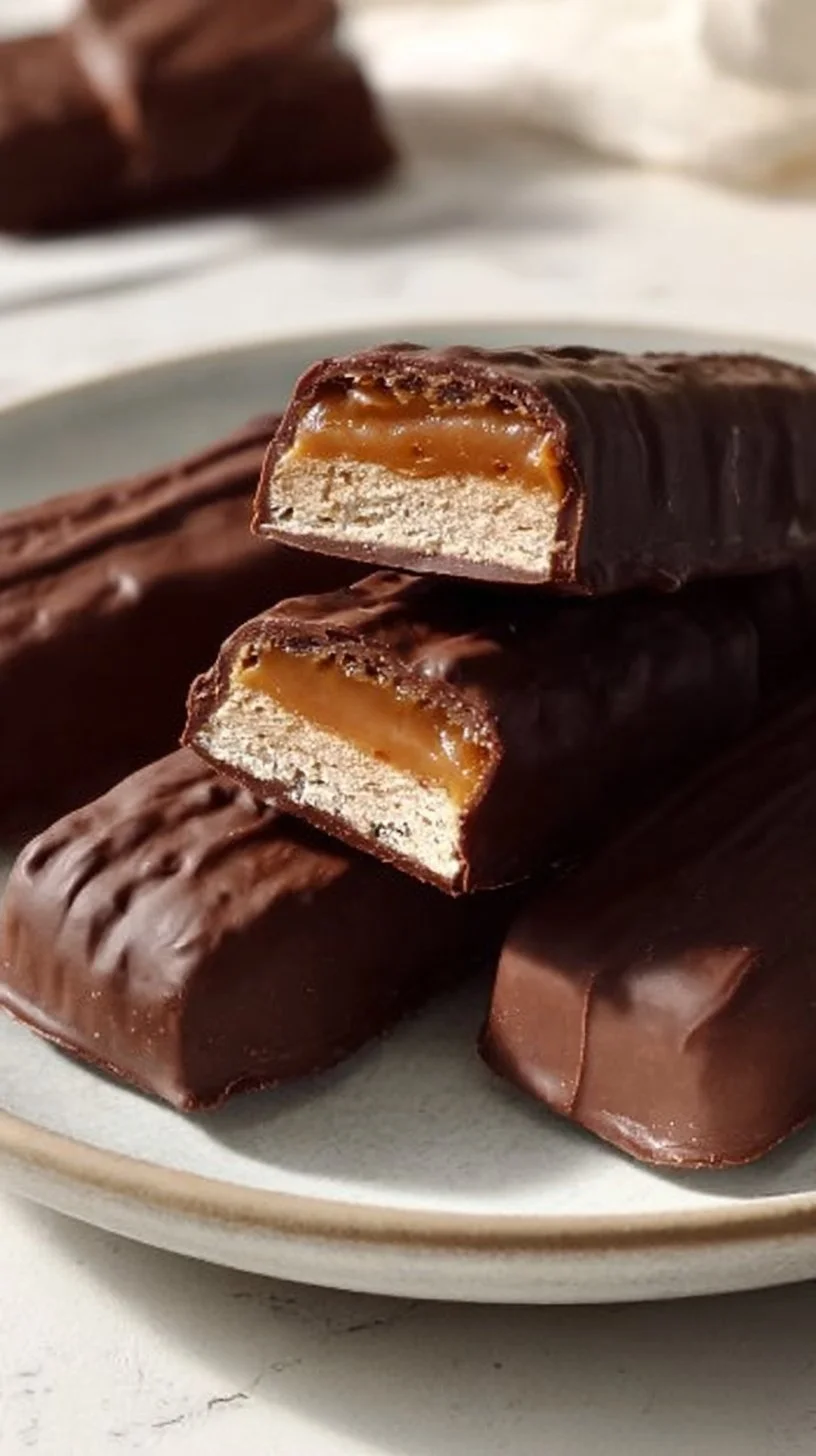
This recipe for Healthy Twix Bars (Gluten-free) reduces the confection to its structural essentials: a crisp shortbread base, a cohesive peanut‑butter caramel layer, and a tempered chocolate coating. The procedure favors precision over improvisation; each component is small in ingredient count but exact in function. Readily reproducible technique permits consistent texture and clean layers, and the gluten‑free almond flour base transforms the familiar Twix profile into a nut‑forward bar with a tender, sandy shortbread. For contrasts in assembly and layering that inform timing and slicing, consult a modular bar approach such as those used in well‑executed tray bakes like the cake-mix cookie bars to refine your finishing and portioning strategies.
The culinary logic behind this dish
The architecture of these bars is rational: a fat‑rich shortbread that crisps and browns in a brief high heat bake; a viscous, stabilized peanut‑butter caramel that adheres to the shortbread without migrating; and a fat‑lubricated chocolate coating that sets with a glossy finish. Almond flour supplies structural oil and a fine crumb; butter contributes moisture and flip‑side fat that aids browning; maple syrup supplies sweetness and hygroscopicity, softening both base and filling. The addition of a small amount of almond flour to the caramel increases shear strength without overwhelming tenderness, preventing the caramel from oozing when sliced. Coconut oil blended with chocolate lowers the chocolate’s viscosity, facilitating even coverage and a clean snap when frozen quickly. Each ingredient serves both flavor and functional roles, which is why technique—how to combine, hydrate, heat, and cool—determines the final mouthfeel.
How to make Healthy Twix Bars (Gluten-free)
Execution follows a sequence of thermal and textural targets. The shortbread requires a quick bake at 350°F to set and develop minimal Maillard color while preserving a fine, sandy crumb. The caramel layer must be mixed to a homogenous, slightly firm but spreadable state so it adheres to the shortbread and firms in the freezer without developing sugar bloom. The chocolate must be melted and combined with coconut oil over low heat—avoid direct high heat—to reach a pourable consistency that will coat without shattering the layers. Freezing between steps is not decorative; it controls moisture migration and sets interfaces quickly, which is crucial when you later slice the bars. Maintain cold temperatures during slicing to preserve clean edges and prevent delamination.
Ingredients :
1 1/2 cups Almond Flour
3 tbsp Butter (melted)
1 1/2 tbsp Maple Syrup
1/2 tsp Vanilla Extract
1/4 tsp Salt
1 cup Creamy Peanut Butter
1/3 cup Maple Syrup
1 tsp Vanilla Extract
1/4 cup Almond Flour
1 cup Chocolate Chips
1 1/2 tbsp Coconut Oil
Directions :
- Preheat your oven to 350°F (175°C) and line an 8×8 inch baking pan with parchment paper.
- Prepare the Shortbread: In a large mixing bowl, combine almond flour, melted butter, maple syrup, vanilla extract, and salt. Stir until fully incorporated. Press mixture into the prepared pan. Bake for 10-12 minutes until golden. Cool.
- Make the Caramel Filling: In a medium bowl, mix peanut butter, maple syrup, vanilla extract, and almond flour until smooth. Spread over cooled shortbread and freeze for at least 1 hour.
- Prepare the Chocolate Coating: Melt chocolate chips with coconut oil until smooth.
- Assemble the Bars: Remove from freezer, slice into 16 bars.
- Coat the Bars: Dip each bar in melted chocolate, place on parchment-lined tray.
- Final Touch: Drizzle remaining chocolate over bars, sprinkle with sea salt, and freeze until set. Enjoy!
Ingredient analysis through a chef’s lens
Almond flour functions simultaneously as the structural matrix and flavor driver. Its oil content produces a tender, shortbread-like crumb while imparting a toasted almond fragrance when warmed; this is why minimal bake time is recommended—to accentuate oil aromatics without drying the base. Butter’s water content is low here but relevant: it hydrates proteins and aids browning through milk solids. Maple syrup contributes not only sweetness but phenolic notes that complement peanut butter; its hygroscopic nature moderates crystallization and keeps both layers pliant. The peanut butter must be creamy: its emulsion is essential to form a homogeneous caramel. A small addition of almond flour in the caramel raises its solids fraction, reducing stickiness and improving sliceability. Chocolate chips and coconut oil combine to produce a fluid enrobing medium; coconut oil lowers viscosity and raises melting point slightly, aiding in a snap once frozen.
Kitchen workflow & technique breakdown
Sequence and staging are critical. Start by preparing the shortbread and placing it in the oven while assembling mise en place for the caramel and chocolate. Immediate cooling of the shortbread on a rack prevents steam from rehydrating the surface; this keeps the interface between base and caramel dry and encourages adhesion rather than seepage. After spreading the caramel, freezing rather than refrigerating speeds solidification and reduces time in the vulnerable window when slicing could smear layers. For the chocolate, use a double boiler or a controlled low heat method: chocolate seizes above certain temperatures and can become grainy; heating slowly and stirring continuously maintains gloss. Work with cold bars when enrobing: tempo matters—dip fast, allow excess chocolate to run off, and return to the cold tray to set. Plan small batches for dipping to prevent the chocolate from cooling and thickening mid‑run.
Texture control, heat management & timing
Controlling texture is a matter of balancing heat, fat, and time. The shortbread’s bake time (10–12 minutes) is short to maintain a fine crumb and avoid drying; watch color as an indicator—the goal is light gold, not deep brown. The caramel’s firmness is regulated by the ratio of peanut butter to maple syrup and the added almond flour: more syrup produces a softer, more spreadable layer but risks migration; the 1/4 cup almond flour is calibrated to give body without graininess. Freezing between caramel application and cutting is not optional—cold bars slice cleaner because fat is firm and the layers resist shear. When melting chocolate, control temperature to preserve cocoa butter’s crystalline structure; overheating can cause fat bloom and a dull finish. Timing the final freeze after enrobing ensures the chocolate sets quickly and the bars retain a crisp snap instead of a soft, sticky surface.
Professional variations
Without altering ingredient quantities, technique variations can refine the bar’s character or adapt it to service conditions. For a crisper shortbread, press the base thinner and bake at the same temperature for the lower end of the time range; this raises the shortbread‑to‑caramel ratio and increases textural contrast. For smoother enrobing, temper the chocolate rather than simply melting with coconut oil; tempered chocolate will exhibit a superior sheen and a louder snap at room temperature. If logistics necessitate stable bars at higher service temperatures, add a thin layer of cocoa butter to the coating—this raises melting point. For an alternative finish, partially coat the bars and pipe a shallow lattice of chocolate across the top; this reduces total chocolate per bar and exposes the caramel edge. For guidance on alternative traybake finishes and flavor pairings, study the construction and layering of the chocolate-covered cherry magic bars, which employ similar staging to control moisture migration.
Finishing touches & plating philosophy
Finishing is where precision meets presentation. A light scatter of coarse sea salt after the final chocolate drizzle creates controlled flavor bursts that lift the mapley‑peanut base; apply immediately so the salt adheres before the chocolate crust sets. Drizzling remaining chocolate across chilled bars requires a thin stream for delicate lines—use a narrow‑tipped spoon or piping bag to modulate flow. When plating, place bars on a matte plate to enhance contrast with the glossy chocolate; leave negative space to emphasize the bars’ clean edges. For service portions, present on parchment squares or small acetate boards to avoid direct finger contact and to preserve the chocolate’s shine. If serving at room temperature, allow bars to rest briefly from the freezer (3–5 minutes) to avoid immediate condensation but keep them cold enough to maintain snap.
Maintaining quality after cooking
Storage and transport determine the maintained sensory quality. Keep bars in an airtight container layered between parchment to prevent sticking; refrigeration will firm the chocolate and peanut layer but can dull the shortbread slightly through moisture uptake. For long‑term storage, freeze in a single layer and defrost in the refrigerator to minimize condensation. If refrigeration is necessary for ambient heat, consider a short return to room temperature before service to regain some tenderness in the shortbread; conversely, do not leave bars out at warm temperatures where the chocolate will soften and the caramel will migrate. For shipping, insulate the product and use cold packs—rapid temperature swings cause condensation that accelerates textural degradation.
Questions from home cooks (chef answers)
Q: Why is the shortbread so short in bake time?
A: Almond flour browns and develops a toasted aroma rapidly due to its natural oils; extended bake times dry the base and can make it crumbly rather than tender. The 10–12 minute range sets structure while retaining a buttery tenderness.
Q: Can I use crunchy peanut butter?
A: Crunchy peanut butter introduces heterogeneity into the caramel layer and may compromise uniformity when slicing. If you prefer added texture, briefly pulse the peanut butter with the other ingredients to integrate large particulates without creating weak points that cause delamination.
Q: Is tempering chocolate necessary?
A: Tempering is not strictly necessary but improves shelf stability and snap at room temperature. Using coconut oil lowers viscosity and compensates, but if you want the glossy, shelf‑stable finish of professional confections, temper the chocolate.
Q: Why freeze before slicing?
A: Freezing solidifies the fats and creates a firmer interface, producing clean slices. At room temperature, the softer caramel can smear and the chocolate can shear unevenly, producing messy edges.
Final chef notes
Precision and sequence are what elevate these Healthy Twix Bars from an approximation to a reliable confection. Respect the short bake, control the moisture in the caramel with the measured almond flour, and manage chocolate temperature for clean enrobing. Small adjustments in handling—cold slicing, immediate setting after enrobing, and considered storage—preserve texture and presentation. These bars demonstrate how minimal ingredient lists require maximal attention to technique; when executed correctly, they reward with a fine balance of crunchy, creamy, and glazed elements.
Conclusion
For further reading on similar gluten‑free bar constructions and inspiration for healthier candy bar adaptations, review the recipe for Healthy Peanut Butter Twix Bars (gluten free!) – Ambitious Kitchen, which examines alternative sweeteners and assembly details. Another methodical take on homemade Twix-style bars is available at Homemade Gluten-Free & Vegan Twix Bars – Bakerita, useful for variations in plant‑based substitutions. For a refined, sugar‑conscious approach that aligns closely with this recipe’s intent, consult Healthy Twix Bars (GF, DF, Refined Sugar-Free).
Healthy Twix Bars
Ingredients
Method
- Preheat your oven to 350°F (175°C) and line an 8x8 inch baking pan with parchment paper.
- In a large mixing bowl, combine almond flour, melted butter, maple syrup, vanilla extract, and salt. Stir until fully incorporated.
- Press the mixture into the prepared pan and bake for 10-12 minutes until golden. Allow to cool.
- In a medium bowl, mix peanut butter, maple syrup, vanilla extract, and almond flour until smooth.
- Spread the caramel over the cooled shortbread and freeze for at least 1 hour.
- Melt chocolate chips with coconut oil until smooth.
- Remove the bars from the freezer and slice into 16 bars.
- Dip each bar in melted chocolate and place on a parchment-lined tray.
- Drizzle remaining chocolate over the bars, sprinkle with sea salt, and freeze until set.
- Enjoy your Healthy Twix Bars!