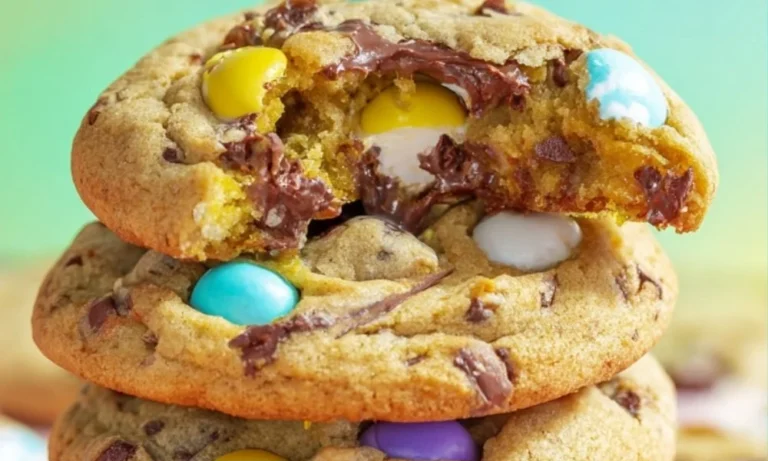
Melt-in-Your-Mouth Chocolate Chip Cookie Bars
Introduction
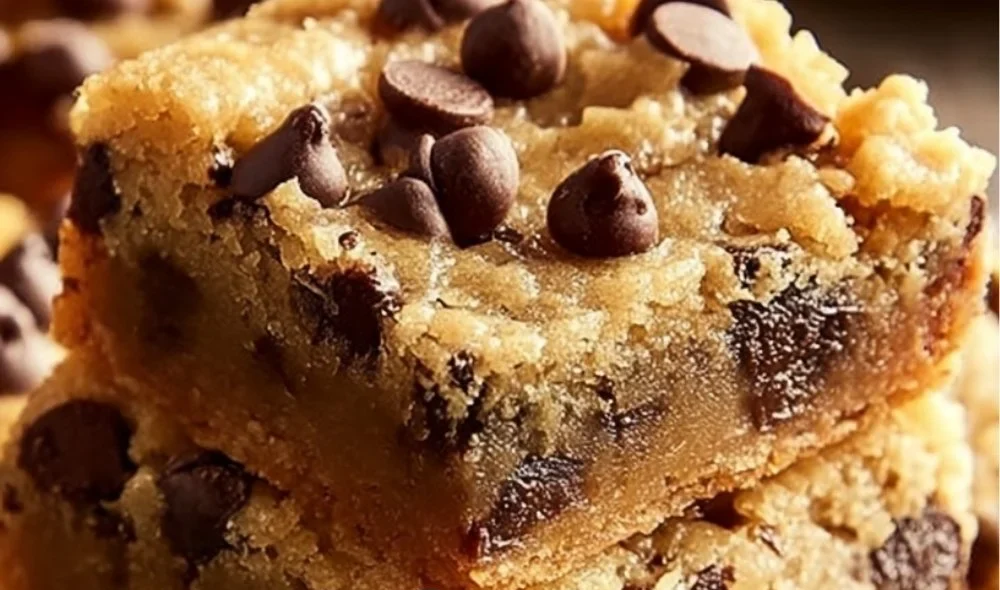
This Melt-in-Your-Mouth Chocolate Chip Cookie Bars recipe is a study in restrained technique and deliberate heat management to produce a tender, slightly chewy bar with a glossy surface and pockets of molten chocolate. The method relies on melted butter to yield a denser crumb than creamed-butter cookies, while the combination of brown and granulated sugar controls moisture, color, and caramelized flavor. Read with attention to timing and texture cues: the recipe is concise, and success depends on precise handling during mixing, pressing, and cooling. For a comparative approach to structure and convenience in bar baking, see this discussion of cake mix cookie bars for how ingredient form alters final texture.
The culinary logic behind this dish
At its core, this formula is a hybrid between cookie dough and quick-bread logic: melted butter replaces creamed butter to minimize aeration, producing a denser, more uniformly tender crumb. Brown sugar contributes hygroscopic molasses, which holds moisture and encourages a soft bite and darker top through Maillard reactions during baking. The modest amount of baking soda provides lift and encourages even browning without creating an open, cakey structure. The 9×13-inch format increases lateral heat exposure relative to individual cookies, so edges will set before the center; judicious bake time is therefore crucial to retain interior moistness. Chocolate chips, distributed throughout, act as thermal anchors—pockets of concentrated fat and sugar that modulate mouthfeel and create contrast between the tender matrix and the chocolate’s supple texture.
How to make Melt-in-Your-Mouth Chocolate Chip Cookie Bars
This section frames the procedural intent behind each step without altering the recipe. The sequence—preheat, marry wet ingredients, combine dry, fold in chips, press, bake, cool—is optimized to limit gluten development and preserve the intended bar structure. Preheating stabilizes oven temperature so the bars begin to set immediately upon entering the oven; any delay leads to extended bake time and drier interior. Melting the butter first and allowing it to cool slightly prevents the eggs from cooking on contact while ensuring uniform incorporation. Mixing wet ingredients thoroughly before adding flour ensures even sugar dissolution and consistent hydration. Adding the dry mix gradually and stopping when no streaks of flour remain minimizes overworking, which would yield toughness. Folding in chocolate chips gently prevents uneven distribution and degassing of the dough. Pressing the dough evenly promotes consistent thickness and predictable bake time across the pan. Bake to the described visual and tactile cues—lightly golden top and toothpick with moist crumbs—rather than strictly to time, because oven variability and pan material change heat transfer. Finally, the rest period in-pan is non-negotiable: premature cutting will tear the bars and cause oil migration; allowing at least 20 minutes yields clean edges and proper setting.
Ingredients :
1 cup (226g) unsalted butter, melted and slightly cooled, 1 cup (200g) packed light brown sugar, ½ cup (100g) granulated sugar, 2 large eggs, 2 teaspoons vanilla extract, 2¼ cups (280g) all-purpose flour, ½ teaspoon salt, ½ teaspoon baking soda, 2 cups (340g) semi-sweet chocolate chips
Directions :
- Preheat and Prepare, Preheat your oven to 350°F (175°C). Lightly grease your 9×13-inch pan or line it with parchment paper for easy removal., 2. Mix the Wet Ingredients, In a large bowl, whisk together the melted butter, brown sugar, and granulated sugar until smooth. Add the eggs and vanilla extract, and whisk again until well combined., 3. Combine the Dry Ingredients, In a separate bowl, mix the flour, salt, and baking soda. Gradually stir the dry ingredients into the wet mixture using a spatula or wooden spoon. Mix just until no streaks of flour remain—do not overmix., 4. Fold in Chocolate Chips, Gently fold in the chocolate chips until evenly distributed throughout the dough., 5. Press Into Pan, Spread the dough evenly into the prepared pan. Use your hands or a spatula to smooth the surface., 6. Bake, Bake for 28–32 minutes, or until the top is lightly golden and a toothpick inserted in the center comes out clean or with moist crumbs (not wet batter)., 7. Cool and Cut, Let the bars cool in the pan for at least 20 minutes before cutting into squares. This allows them to set and hold their shape better when sliced.
Ingredient analysis through a chef’s lens
Each ingredient has a specific functional role beyond flavor. Unsalted butter, melted, is the primary source of fat and determines the bar’s mouth-coating richness; melting reduces aeration and produces a tighter crumb. Light brown sugar contains molasses that binds water, increases chewiness, and intensifies caramel notes; paired with granulated sugar, it balances sweetness and controls color. Whole eggs supply emulsification and protein for structure; their temperature affects integration—room-temperature eggs blend into melted butter more homogeneously. All-purpose flour provides the gluten framework; the amount specified yields a balance of tenderness and structural integrity. Salt enhances perception of sweetness and balances flavors. Baking soda catalyzes browning and offers a degree of lift while reacting with the acidic components of brown sugar. Semi-sweet chocolate chips contribute pockets of concentrated cocoa butter and sugar; their melting profile under 350°F is predictable—some will soften without fully liquefying, creating the “melt-in-your-mouth” sensation when warm but resolidifying enough on cooling to maintain bar integrity. For alternative flavor pairings that shift nutty or aromatic profiles while retaining bar structure, compare formulas like pistachio dream cookie bars to understand how mix-ins and balance interact.
Kitchen workflow & technique breakdown
Organizing the mise en place and sequencing minimizes timing errors that affect texture. Prepare and measure dry ingredients into one bowl and wet in another to prevent overmixing: this binary system allows gradual incorporation and immediate visual assessment for streaks of flour. Preheat the oven with the middle rack positioned centrally to encourage even convection; if using a dark metal pan, reduce temperature by 10–15°F to mitigate excessive edge browning. Lining the pan with parchment that overhangs on two sides permits lifting the entire slab for precise trimming after cooling. Use a rubber spatula or wooden spoon for folding to avoid overdeveloping gluten—metal beaters would incorporate more air and change the bar’s density. Press the dough using lightly oiled hands or an offset spatula; applying even pressure prevents high spots that will overcook. While the bars bake, prepare a cooling rack to encourage airflow underneath the pan during the rest period, which reduces bottom condensation and preserves a clean base.
For procedural contrast and workflow ideas with similar batter-handling principles, review the staging used on sugar cookie bars to see how shaping and cooling strategies maintain edge definition.
Texture control, heat management & timing
Texture is the cumulative result of ingredient interactions and thermal history. This recipe achieves a tender interior by limiting mechanical development and avoiding excessive oven time. The recommended 28–32 minutes is a guideline; monitor by sight and tactile feedback. A lightly golden top indicates surface caramelization; a toothpick returning moist crumbs signals that internal starches have set without full moisture loss. If the toothpick yields wet batter, continue baking in short increments; conversely, if the top darkens rapidly, tent with foil and check sooner. Pan choice matters: glass and ceramic retain heat and extend carryover cooking, so check earlier; thin metal pans transfer heat quicker and may brown edges faster. Resting in the pan for at least 20 minutes allows the interior to equilibrate and for fats to resolidify—cutting while too warm results in smearing as melted chocolate and fat migrate. If you desire a slightly chewier edge, remove from pan after 20–30 minutes; for more uniform sliceability, wait until fully cool to room temperature.
To compare timing-driven texture adjustments, study the methods that preserve chew in recipes like chewy maple cinnamon cookies, which highlight how sugar type and bake window influence chew.
Professional variations
Maintain the base ingredient ratios and techniques but experiment with controlled variations to adapt flavor and texture for different contexts. For a nuttier, deeper flavor, substitute ¼ cup of flour with finely ground toasted nuts while keeping overall weight constant; this will absorb slightly more fat, so press the dough a touch firmer. For an intensified caramel note, toast the brown sugar lightly in a dry skillet until fragrant and cooled before incorporating—do not burn, or bitterness will dominate. To increase chew, replace up to 25% of granulated sugar with an equal weight of honey or corn syrup; monitor browning as these syrup components accelerate color development. If you prefer a more pronounced rise and a slightly cake-like interior, increase baking soda to ¾ teaspoon and fold less to preserve some air, but recognize that this departs from the intended melt-in-mouth profile. Any variation should be trialed at small scale to assess its impact on bake time and texture.
Finishing touches & plating philosophy
Finishing is functional: a light dusting of fine sea salt applied immediately after baking accentuates chocolate and caramel notes through salt-sugar contrast. Slicing strategy affects presentation—use a sharp chef’s knife warmed briefly under hot water and dried between cuts for cleaner edges. When presenting, stagger squares on a matte plate to emphasize the glossy top and visible pockets of chocolate; a minimal garnish such as a microplane of citrus zest can add a subtle aromatic lift without overpowering the base flavors. For service in a professional setting, hold bars at room temperature to preserve texture; refrigeration will firm the fat and mute flavors.
Maintaining quality after cooking
Storage dictates texture retention. Wrapped airtight at room temperature, these bars retain softness for 2–3 days; refrigeration will prolong shelf life but make the texture firmer—bring to room temperature before serving to recover melt-in-mouth quality. For longer storage, freeze in individual portions separated by parchment; thaw at room temperature to avoid condensation on the surface, which can degrade the top finish. Reheat briefly under low heat or a warm oven (250–275°F / 120–135°C) for 5–8 minutes to refresh the interior and coax the chocolate to a warm, yielding state.
Questions from home cooks (chef answers)
Q: Can I substitute cold butter for melted butter? A: No—cold, cubed butter requires creaming to incorporate air, which produces a different texture and will not create the dense, tender crumb this recipe targets. If you prefer to use softened butter, adjust method and expect a more aerated result.
Q: Why does my center stay underbaked while edges are done? A: Likely causes are an overfilled pan, uneven pressing, or an oven that runs hot at the sides. Ensure even thickness across the pan, check oven calibration, and consider using a light-colored pan to moderate heat transfer.
Q: Can I use dark brown sugar? A: Yes; dark brown sugar increases molasses intensity and will deepen flavor and color. Watch bake time as it may brown more quickly.
Q: How do I prevent the top from cracking excessively? A: Underbaking slightly and ensuring adequate moisture from brown sugar will reduce surface cracking. Also avoid high rack placement where direct heat exacerbates cracking.
Final chef notes
Precision in measurement and restraint in handling are the hallmarks of success for this recipe. Respect the stages: cool melted butter slightly, mix wet thoroughly, fold dry only until combined, and monitor bake using sensory cues rather than relying solely on minutes. The result should be a uniform slab with a tender interior that yields cleanly, balancing soft crumb and chocolate-laden pockets. When testing any variation, adjust one parameter at a time and document the impact on bake time and texture.
Conclusion
For a brown-butter-forward interpretation that emphasizes nutty depth in a similar bar format, consult Brown Butter Chocolate Chip Cookie Bars on Olga’s Flavor Factory for technique comparisons. If you wish to study approaches that prioritize ultra-soft cookie texture and translate those concepts to bar baking, reference Pinch of Yum’s guide to the best soft chocolate chip cookies. For another competent bar-format recipe that highlights soft and chewy results and offers practical handling notes, review Fork Knife Swoon’s Soft & Chewy Chocolate Chip Cookie Bars.
Melt-in-Your-Mouth Chocolate Chip Cookie Bars
Ingredients
Method
- Preheat your oven to 350°F (175°C). Lightly grease your 9×13-inch pan or line it with parchment paper for easy removal.
- In a large bowl, whisk together the melted butter, brown sugar, and granulated sugar until smooth. Add the eggs and vanilla extract, and whisk again until well combined.
- In a separate bowl, mix the flour, salt, and baking soda. Gradually stir the dry ingredients into the wet mixture using a spatula or wooden spoon. Mix just until no streaks of flour remain—do not overmix.
- Gently fold in the chocolate chips until evenly distributed throughout the dough.
- Spread the dough evenly into the prepared pan. Use your hands or a spatula to smooth the surface.
- Bake for 28–32 minutes, or until the top is lightly golden and a toothpick inserted in the center comes out clean or with moist crumbs (not wet batter).
- Let the bars cool in the pan for at least 20 minutes before cutting into squares. This allows them to set and hold their shape better when sliced.