Mediterranean Chicken Stir Fry Recipe
Introduction
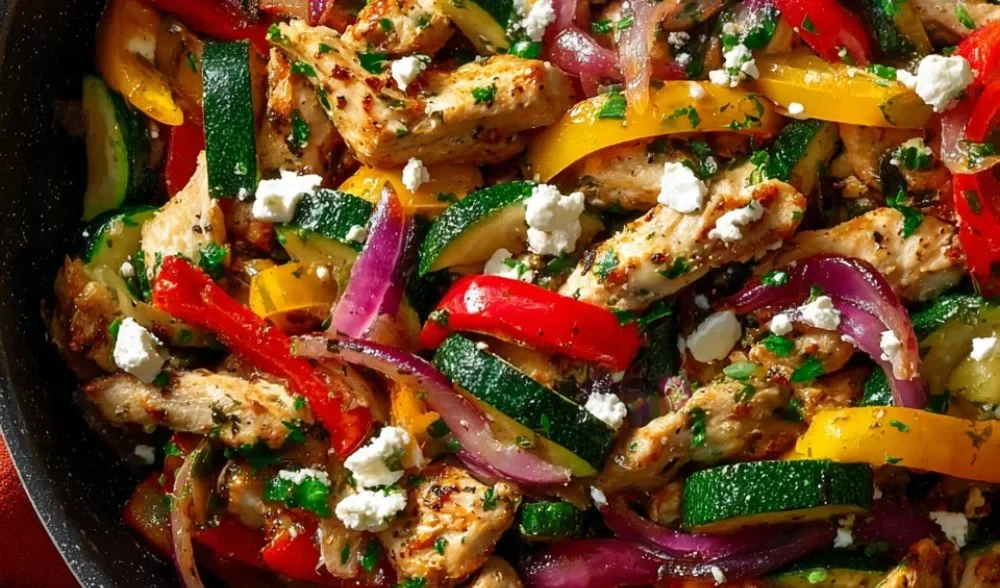
As a nutrition specialist, I want to welcome you to a calm, practical look at the Mediterranean Chicken Stir Fry Recipe. This dish brings together lean protein, colourful vegetables, healthy fats, and Mediterranean flavor principles in a way that supports everyday wellness. I’ll guide you through why this combination works for digestion and long-term health, how each ingredient contributes, and practical tips for making and storing the dish safely. If you’re searching for ideas to broaden your weeknight repertoire, this recipe fits well alongside other easy weeknight dinners like those in this collection: easy dinner ideas.
How this recipe supports overall wellness
This recipe aligns with several evidence-based nutrition priorities: balanced macronutrients, nutrient density, and inclusion of fiber and healthy fats. It combines lean chicken (protein) with a variety of vegetables (fiber, vitamins, minerals), olive oil (monounsaturated fats), olives and feta (flavorful fats and minerals), and lemon and herbs (micronutrients and phytochemicals). Together these elements support steady energy, muscle maintenance, and digestive health.
From a digestion standpoint, the mix of fiber from zucchini, bell pepper, onion, and cherry tomatoes helps promote regular bowel movements and supports gut microbial health. Protein from chicken slows gastric emptying, which can help maintain steady blood glucose after a meal when paired with vegetables and healthy fats. The modest amount of olive oil and the inclusion of olives and feta deliver flavor without relying on highly processed or refined ingredients, which helps keep the meal nutrient-dense and satisfying.
This recipe is also compatible with long-term wellness goals because it emphasizes whole foods, moderate portion sizes, and flavorful herbs to reduce the need for excess salt or sugar. For quick reference recipes with a similar healthy focus, you might also explore this collection of quick, practical meals: quick easy recipes.
How to make Mediterranean Chicken Stir Fry Recipe
This section reviews the cooking flow in clear, practical steps while keeping the original directions as provided. The method is straightforward and suited to cooks who want a reliable, balanced meal.
- Prep ingredients and chop everything before cooking.
- Sear chicken until golden and cooked through.
- Sauté onions, garlic, and vegetables.
- Combine chicken and vegetables, season, and toss.
- Add lemon juice, olives, and feta, then serve.
These steps prioritize speed and texture: searing the chicken first develops flavor and sets the exterior, while a quick sauté of vegetables retains color, crunch, and nutrients. Adding olives and feta at the end preserves their distinct textures and salty tang.
Ingredients :
1.5 lbs Chicken breasts, boneless & skinless (Cut into bite-sized pieces), 3 tbsp Extra virgin olive oil (Divided for cooking), Salt & black pepper (To taste), 2 medium Zucchini (Sliced into half-moons), 2 Red bell peppers (Diced into chunks), 1 large Red onion (Sliced into strips), 2 cups Cherry tomatoes (Halved), 1 cup Kalamata olives (Pitted and halved), 4 cloves Garlic (Minced), 1/4 cup Sun-dried tomatoes (Chopped), 2 tsp Dried oregano, 1 tsp Dried basil, 1/2 tsp Dried thyme, 1 Lemon (Juice only), 0.5 cup Feta cheese (Crumbled), 2 tbsp Fresh parsley (Optional garnish)
Directions :
Prep ingredients and chop everything before cooking., Sear chicken until golden and cooked through., Sauté onions, garlic, and vegetables., Combine chicken and vegetables, season, and toss., Add lemon juice, olives, and feta, then serve.
Nutrient roles of each main ingredient
- Chicken breasts: A lean source of complete protein that supplies essential amino acids useful for tissue repair, immune function, and maintaining muscle mass. Protein also increases satiety and helps stabilize blood sugar when paired with carbohydrates.
- Extra virgin olive oil: Rich in monounsaturated fats and polyphenols. Olive oil supports heart health and provides a pleasant mouthfeel that aids satiety. Using it in moderation adds flavor and helps absorb fat-soluble vitamins from the vegetables.
- Zucchini, red bell peppers, red onion, cherry tomatoes: These vegetables provide fiber, vitamins (notably vitamin C and A precursors), minerals, and antioxidants. Fiber aids digestion, supports healthy gut bacteria, and slows nutrient absorption for steady energy.
- Kalamata olives and sun-dried tomatoes: Concentrated in flavor, these boost taste intensity with smaller quantities. Olives supply healthy fats and sodium, while sun-dried tomatoes add concentrated lycopene and other plant compounds.
- Garlic and herbs (oregano, basil, thyme): These add flavor and phytochemicals that contribute to the antioxidant profile of the meal without extra calories.
- Lemon juice: Provides acidity that brightens flavors, can aid digestion by stimulating saliva and gastric secretions, and contributes a small dose of vitamin C.
- Feta cheese: Adds calcium, protein, and a salty tang that reduces the need for extra sodium when used judiciously.
- Fresh parsley: Offers subtle freshness and micronutrients like vitamin K.
Taken together, these ingredients create a nutrient-dense plate with a balance of macronutrients and a broad spectrum of vitamins, minerals, and beneficial plant compounds.
The preparation method & its health impact
Searing the chicken first develops Maillard flavors and quickly cooks the protein, which helps maintain tenderness. Using moderate heat and minimal oil reduces the formation of harmful oxidation products compared with very high-temperature deep frying. Sautéing the vegetables briefly helps preserve heat-sensitive vitamins like vitamin C and keeps textures pleasant; overcooking can reduce both nutrients and enjoyment, so cook until vegetables are tender-crisp.
Adding olives and feta at the end prevents their flavors from softening too much and keeps their fats and salts intact, so you use less overall while maintaining taste. Lemon juice added at the finish preserves vitamin C and brightens the dish. Overall, this method emphasizes quick cooking and layering flavors to keep the dish both healthy and satisfying.
Ways to lighten, enrich or modify the dish nutritionally
Lighten:
- Use 2 tbsp instead of 3 tbsp olive oil and add a little water or low-sodium broth to the pan if needed.
- Reduce feta to 1/4 cup or use a lower-fat feta-style cheese for fewer saturated fats.
Enrich:
- Add a cup of cooked chickpeas or white beans after searing the chicken for additional fiber and plant-protein balance.
- Serve over a base of whole grains (barley, farro, or brown rice) or a bed of mixed greens to increase fiber and micronutrient variety.
Modify for specific needs:
- To lower sodium: Rinse the Kalamata olives briefly and choose a lower-sodium feta or reduce the amount used.
- To increase heart-healthy fats: Keep the full olive oil amount and add a few toasted pine nuts as a garnish.
- For a plant-forward version: Substitute firm tofu for chicken and follow the same searing and sauté steps, pressing tofu well before cooking.
All modifications should preserve the recipe’s structure: balance between protein, vegetables, and healthy fats to support fullness and nutrient adequacy.
Pairing ideas for a balanced, complete meal
To make this dish a well-rounded plate, pair it with:
- A whole grain: brown rice, quinoa, farro, or whole-wheat couscous add fiber and slow-release carbohydrates.
- A leafy salad: mixed greens with a light lemon vinaigrette increase vegetable variety and micronutrients.
- A roasted root vegetable: such as sweet potato for additional fiber and beta-carotene.
- A small portion of fermented food: a side of plain yogurt or tzatziki supports digestion through probiotics.
Aim to include at least two food groups beyond the entree—grain/ starch and a leafy vegetable or salad—to balance meal composition and extend satiety.
Safe storage, food safety & optimal reheating
- Cool promptly: Once cooked, cool the stir fry to room temperature within 1–2 hours and refrigerate in shallow, airtight containers to minimize bacterial growth.
- Refrigeration: Store for up to 3–4 days in the refrigerator. If you add grains, storage timelines remain the same.
- Freezing: Freeze for up to 2–3 months. Use freezer-safe containers and label with the date.
- Reheating: Reheat only once. Thaw overnight in the refrigerator if frozen. Reheat gently on the stovetop over medium heat or in the oven until the internal temperature reaches 165°F (74°C). If using a microwave, stir halfway through to distribute heat evenly.
- Food safety tips: When reheating, ensure chicken reaches a safe internal temperature. Discard leftovers that have been left at room temperature for more than 2 hours.
These practices protect food quality and reduce the risk of foodborne illness while preserving nutrients and taste.
Common nutrition questions about this dish
- Is the olive oil too much? No—olive oil is a source of healthy monounsaturated fats. Three tablespoons divided across cooking and finishing is reasonable for two to three servings. Reducing it slightly is fine if you need fewer calories.
- How many servings does this make? With 1.5 lbs chicken and a generous amount of vegetables, this typically serves 3–4 people depending on portion sizes and whether you add grains or salads.
- Is feta necessary? Feta adds flavor and calcium but can be reduced or omitted. You can substitute a smaller amount of a lower-sodium cheese or a sprinkle of nutritional yeast for savory depth without dairy.
- How to make it kid-friendly? Reduce or omit olives and sun-dried tomatoes, and chop vegetables smaller. Keep flavors simple and serve with a familiar grain or pita.
- Does this fit into weight-management plans? Yes—this is a balanced, nutrient-dense meal that emphasizes lean protein and vegetables. Portion control and pairing with whole grains or salads will help fit it into varied calorie targets.
Final wellness notes
This Mediterranean Chicken Stir Fry is a practical example of how simple ingredients, handled thoughtfully, support digestive comfort, nutrient density, and long-term wellness. Its strengths are variety, balance, and adaptability. Focus on enjoying the textures and flavors, tuning portions to your needs, and using fresh herbs and lemon to maximize taste with minimal added sodium. Consistency in these small, sustainable choices—rather than extremes—builds long-term health.
Conclusion
For additional variations and ideas inspired by similar Mediterranean-style stir fries, you may find this practical recipe helpful: Mediterranean Chicken Stir Fry with Vegetables (30-Minutes, One …. For more inspiration on Mediterranean stir-fry flavors and preparation approaches, see this useful resource: Mediterranean Stir Fry – Candyflosslife.
Mediterranean Chicken Stir Fry
Ingredients
Method
- Prep ingredients and chop everything before cooking.
- Sear chicken until golden and cooked through.
- Sauté onions, garlic, and vegetables.
- Combine chicken and vegetables, season, and toss.
- Add lemon juice, olives, and feta, then serve.