Dubai cookies are the viral treat taking over your feed—here’s why everyone is obsessed
Introduction
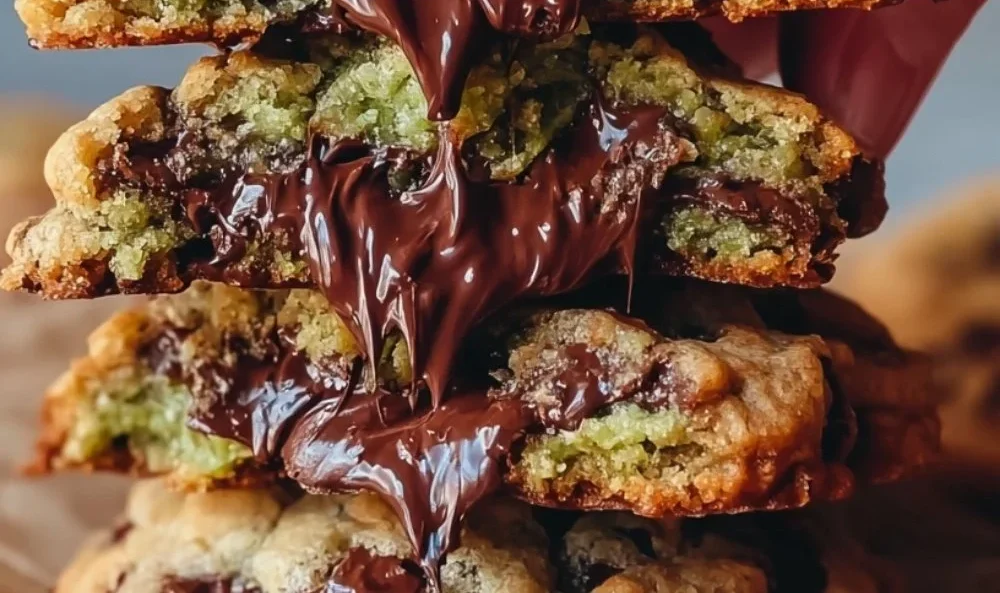
Dubai cookies are the latest snack sensation circulating on social platforms—crispy or chewy cookie bases layered with rich chocolate, pistachio cream, and sometimes a swath of peanut butter. As a nutrition specialist, I see these trends as an opportunity: to explore why people enjoy them, what they provide nutritionally, and how to include them thoughtfully in a balanced eating pattern. If you enjoy playful takes on classic cookies, you might appreciate the creative spirit behind treats like pineapple upside-down cookies, which show how familiar formats can be refreshed with interesting flavors and textures.
In this article I’ll walk through what Dubai cookies are, how they’re made, how their ingredients contribute to digestion and satiety, and practical, evidence-based ways to enjoy them while supporting long-term wellness. The aim is not to label foods as strictly “good” or “bad,” but to provide clear, calm guidance so you can make choices that fit your goals and digestive comfort.
How this recipe supports overall wellness
Treats like Dubai cookies can support overall wellness when consumed as part of a balanced pattern for several reasons. First, they combine multiple macronutrients—carbohydrate from flour and sugar, fat from chocolate, butter and nut components, and a small amount of protein from eggs and nuts—so they tend to provide more sustained energy and satiety than a pure sugar snack. The presence of nuts (pistachio and peanut butter) adds healthy monounsaturated fats, fibre, and micronutrients such as vitamin E, magnesium and potassium, which play supporting roles in metabolic health and digestion.
Second, enjoying a small portion mindfully can have psychological and social benefits that contribute to overall well-being. Pleasure from eating, shared treats, and culinary creativity all support a sustainable, positive relationship with food. Finally, because the recipe is versatile, it can be adjusted (see the modification section) to increase nutrient density—adding whole-grain flours, more nuts, or a higher ratio of nuts to sugar—without losing what makes the cookie satisfying.
How to make Dubai cookies
Below I give a clear, step-by-step recipe. Follow the directions exactly as written here for consistent results. After the recipe I’ll explain the nutrition role of each major ingredient and offer evidence-based ways to adapt the treat for different goals.
Ingredients :
- 1 cup (227 g) unsalted butter, softened
- 3/4 cup (150 g) granulated sugar
- 1/2 cup (100 g) light brown sugar, packed
- 1 large egg
- 1 teaspoon vanilla extract
- 2 1/4 cups (280 g) all-purpose flour
- 1/2 teaspoon baking soda
- 1/2 teaspoon fine salt
- 1/2 cup (125 g) smooth peanut butter
- 1/2 cup (120 g) pistachio cream or pistachio paste
- 8 ounces (225 g) milk chocolate, chopped or chips
- 1/4 cup (30 g) chopped pistachios, for topping
Directions :
- Preheat the oven to 350°F (177°C). Line two baking sheets with parchment paper.
- In a large bowl, cream together the softened butter, granulated sugar, and brown sugar until light and fluffy, about 2–3 minutes.
- Beat in the egg and vanilla extract until combined.
- In a separate bowl, whisk together the all-purpose flour, baking soda, and salt. Gradually add the dry ingredients to the wet mixture and mix until a soft dough forms.
- Scoop tablespoon-sized portions of dough and roll into balls. Place them on the prepared baking sheets about 2 inches apart. Gently press each ball to flatten slightly.
- Bake for 9–11 minutes, or until edges are lightly golden. Remove from oven and allow cookies to cool on the baking sheet for 5 minutes, then transfer to a wire rack to cool completely.
- Once cookies are cool, spoon about 1/2 teaspoon of pistachio cream onto half of the cookies and 1/2 teaspoon of peanut butter onto the other half. Sandwich a pistachio-topped cookie with a peanut butter-topped cookie.
- Melt the milk chocolate in a double boiler or microwave in 20-second bursts, stirring frequently until smooth. Dip each sandwich cookie into the melted chocolate to coat, or spoon chocolate over the top. Place on parchment, and immediately sprinkle with chopped pistachios.
- Refrigerate briefly to set the chocolate, then allow cookies to return to room temperature before serving.
Nutrient roles of each main ingredient
- All-purpose flour: delivers most of the carbohydrate content. Carbohydrates are the body’s preferred quick energy source; when combined with fat and protein they slow glucose absorption, providing steadier blood sugar responses. For sensitive digesters, pairing carbs with fat and protein (as in these cookies) often reduces spikes.
- Butter: supplies saturated and monounsaturated fats which are energy-dense and contribute to mouthfeel and satiety. Fat slows gastric emptying, which can reduce post-meal glucose spikes and promote a feeling of fullness.
- Sugars (granulated and brown): provide immediate energy and play a functional role in texture and browning. While not nutrient-dense, small amounts enhance palatability; moderation is key.
- Egg: contributes high-quality protein and lecithin (an emulsifier), aiding texture and binding. Protein supports satiety and muscle repair.
- Peanut butter: adds plant protein, monounsaturated fats, and fibre. The nut fats and protein help extend the snack’s satiating effect and supply micronutrients such as magnesium and vitamin E.
- Pistachio cream/paste and chopped pistachios: pistachios add healthy fats, fibre, potassium, and antioxidants. They also introduce a satisfying crunch and flavor complexity that can make smaller portions feel indulgent.
- Milk chocolate: supplies cocoa solids (some antioxidants), sugar, and fat. Chocolate contributes pleasure that increases the likelihood of satisfaction with smaller portions.
Taken together, the cookie’s combination of carbohydrate, fat and protein supports slower digestion and longer satisfaction than a high-sugar drink or candy alone. However, portion control remains important because calories can add up quickly.
The preparation method & its health impact
Several aspects of the method influence how this treat will affect digestion and satiety:
- Layering fats and proteins across the cookie (butter, peanut butter, pistachio cream) increases the total fat and protein content, which slows gastric emptying and can moderate blood sugar response.
- Baking at a moderate temperature to a light golden color reduces formation of burnt flavors and excessive Maillard reaction products, and preserves a pleasant texture that encourages slower, mindful eating.
- Cooling the cookies before adding fillings prevents the fillings from becoming overly runny, which can help maintain intended portion size and avoid extra melting loss to plates.
- Chilling to set the chocolate can make the treat feel more substantial and can slow consumption slightly because the chocolate requires more time to soften in the mouth.
Overall, the technique supports a slow-eating experience that aligns with improved digestion and more accurate hunger and fullness cues.
Ways to lighten, enrich or modify the dish nutritionally
While the ingredients and directions above are fixed for this version, here are evidence-based ideas to adapt the approach for different nutritional goals without changing the original recipe text itself:
- To boost fiber and whole-grain content: serve the cookies with a side of fresh fruit or a small salad rather than modifying the dough—this increases overall meal fiber and volume.
- To increase protein: pair one cookie with a 100–120 g plain Greek yogurt or cottage cheese snack, which complements the cookie and balances the meal’s macronutrient profile.
- To reduce added sugar intake without changing the cookie: enjoy smaller portions (half a sandwich cookie) and pair with herbal tea or water to improve satiety with less sugar.
- To emphasize healthy fats: include a small handful (about 10–15 g) of raw pistachios or almonds alongside the cookie to increase nutrient density and keep portions reasonable.
- For digestive comfort: if you know you react to too much chocolate or rich fats, have the cookie as a shared treat with others, taking a smaller portion and spacing the treat between meals to avoid overloading the digestive system.
If you’re curious about other ways to play with cookie formats and baked textures in a health-forward way, consider how different recipes like chewy maple cinnamon cookies use spices and structure to deliver satisfaction with slightly different ingredient balances.
Pairing ideas for a balanced, complete meal
Transforming a cookie from a standalone treat into part of a balanced snack or meal is simple. Try these pairings:
- Balanced snack: one Dubai cookie, 3–4 tablespoons of plain Greek yogurt, and a small portion of berries. This adds protein, probiotic-supporting food, and fiber-rich fruit.
- Light dessert after a meal: one cookie served alongside a simple green salad dressed with lemon and olive oil—this adds volume, fiber and hydrating greens.
- Breakfast-ish option: half a sandwich cookie with a small omelette or scrambled eggs and a piece of fruit—this balances the added sugars with net protein early in the day.
- Social share: place a platter of cookies with bowls of mixed nuts and sliced apples or pears; this encourages smaller individual portions as people sample across multiple options.
These strategies follow a simple principle: pair energy-dense sweets with fiber, protein, or vegetables to improve digestive comfort and keep you satisfied longer.
Safe storage, food safety & optimal reheating
- Storage: Store the cookies in an airtight container at room temperature for up to 3 days. If the climate is warm or the chocolate coating becomes soft, refrigerate in a single layer with parchment between layers for up to 7 days.
- Freezing: To extend shelf life, freeze unfilled or fully assembled cookies in a single layer on a baking sheet, then transfer to a freezer-safe container for up to 3 months. Thaw overnight in the refrigerator or at room temperature for a few hours before serving.
- Food safety: Because the recipe contains eggs, avoid leaving cookies unrefrigerated for extended periods in hot environments. After assembling with fillings and chocolate, refrigerate if they will be kept longer than a day in temperatures above 70°F (21°C).
- Reheating: If you prefer a softer texture after refrigeration, warm a cookie for 8–12 seconds in the microwave on low power, or 4–6 minutes at 300°F (150°C) in an oven, watching carefully to avoid melting the chocolate too much. Allow to cool slightly before eating.
Following these steps helps preserve texture while minimizing any food-safety risks.
Common nutrition questions about this dish
- Will these cookies spike my blood sugar? Any food containing refined flour and added sugars can raise blood glucose; however, the combination of fat and protein in these cookies will typically slow absorption compared with a sugary drink. Pairing the cookie with protein or fiber further moderates the glycemic response.
- Are nuts in the recipe healthy? Yes—nut fats, fiber, and micronutrients in pistachios and peanuts contribute beneficial nutrients. Pay attention to portion size, as nuts are calorie-dense.
- Can I have these while trying to lose weight? Enjoying an occasional small portion within an overall calorie-controlled plan can fit weight-loss goals. The key is portion awareness, mindful eating, and balancing meals across the day.
- Do these cookies cause inflammation? No single food causes chronic inflammation on its own; overall dietary patterns matter more. Including whole foods and nuts alongside occasional treats is consistent with anti-inflammatory eating patterns.
- How often is it reasonable to eat these? Frequency depends on your overall pattern. For many people, a small portion once or twice a week as part of a balanced diet is reasonable. For others managing blood sugar or weight, less frequent enjoyment or smaller portions may be better.
Final wellness notes
Dubai cookies are a modern, social treat that combine comforting textures and flavors. As a nutrition professional, I encourage enjoying them in ways that support digestion and longer-term health: pay attention to portion size, pair with protein or fiber when possible, and enjoy them mindfully so a smaller amount is satisfying. The goal is to include pleasure and variety in a way that supports your energy, digestion and overall quality of life.
Conclusion
For context on where this viral idea came from and how similar snacks are being adapted commercially, you can read a popular overview in the media like TODAY’s coverage of the viral Dubai chocolate bar, explore a commercial interpretation such as Nerdy Nuts’ Dubai Chocolate Bar Peanut Butter Treat, or learn more about crafting a creamy pistachio spread at home with resources like this homemade pistachio cream guide. These sources can help you understand both the viral trend and practical components you might choose to emphasize when making or adapting the cookies for your own nutritional preferences.
Dubai Cookies
Ingredients
Method
- Preheat the oven to 350°F (177°C). Line two baking sheets with parchment paper.
- In a large bowl, cream together the softened butter, granulated sugar, and brown sugar until light and fluffy, about 2–3 minutes.
- Beat in the egg and vanilla extract until combined.
- In a separate bowl, whisk together the all-purpose flour, baking soda, and salt. Gradually add the dry ingredients to the wet mixture and mix until a soft dough forms.
- Scoop tablespoon-sized portions of dough and roll into balls. Place them on the prepared baking sheets about 2 inches apart. Gently press each ball to flatten slightly.
- Bake for 9–11 minutes, or until edges are lightly golden. Remove from oven and allow cookies to cool on the baking sheet for 5 minutes, then transfer to a wire rack to cool completely.
- Once cookies are cool, spoon about 1/2 teaspoon of pistachio cream onto half of the cookies and 1/2 teaspoon of peanut butter onto the other half. Sandwich a pistachio-topped cookie with a peanut butter-topped cookie.
- Melt the milk chocolate in a double boiler or microwave in 20-second bursts, stirring frequently until smooth. Dip each sandwich cookie into the melted chocolate to coat, or spoon chocolate over the top.
- Place on parchment, and immediately sprinkle with chopped pistachios.
- Refrigerate briefly to set the chocolate, then allow cookies to return to room temperature before serving.