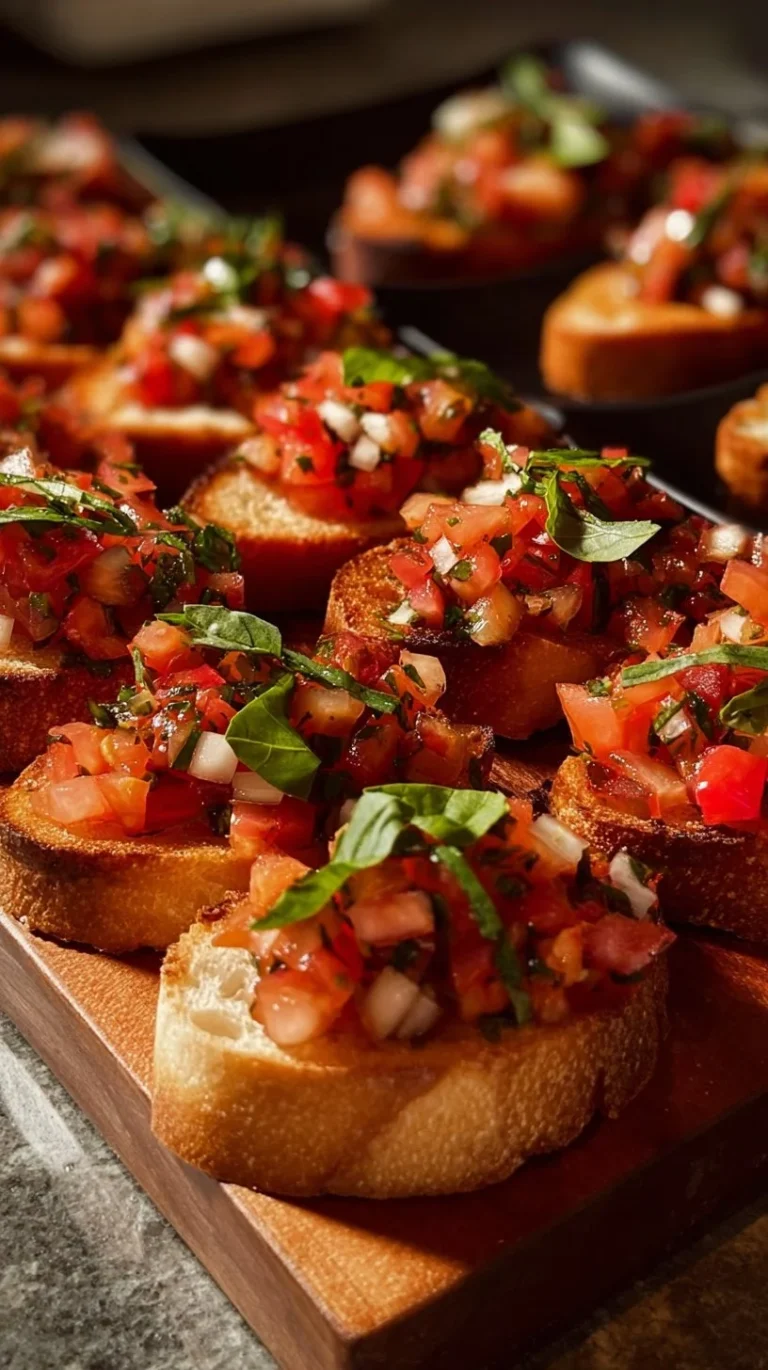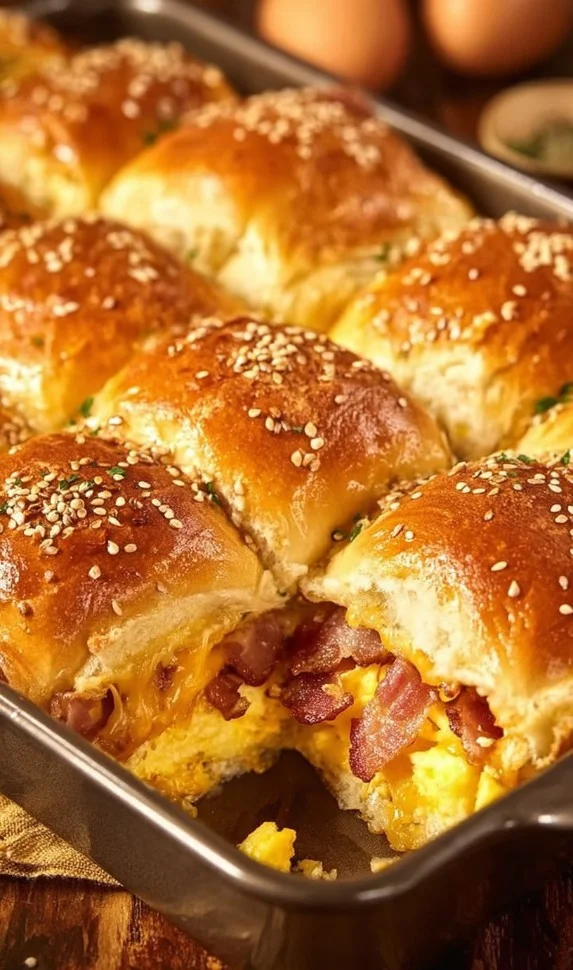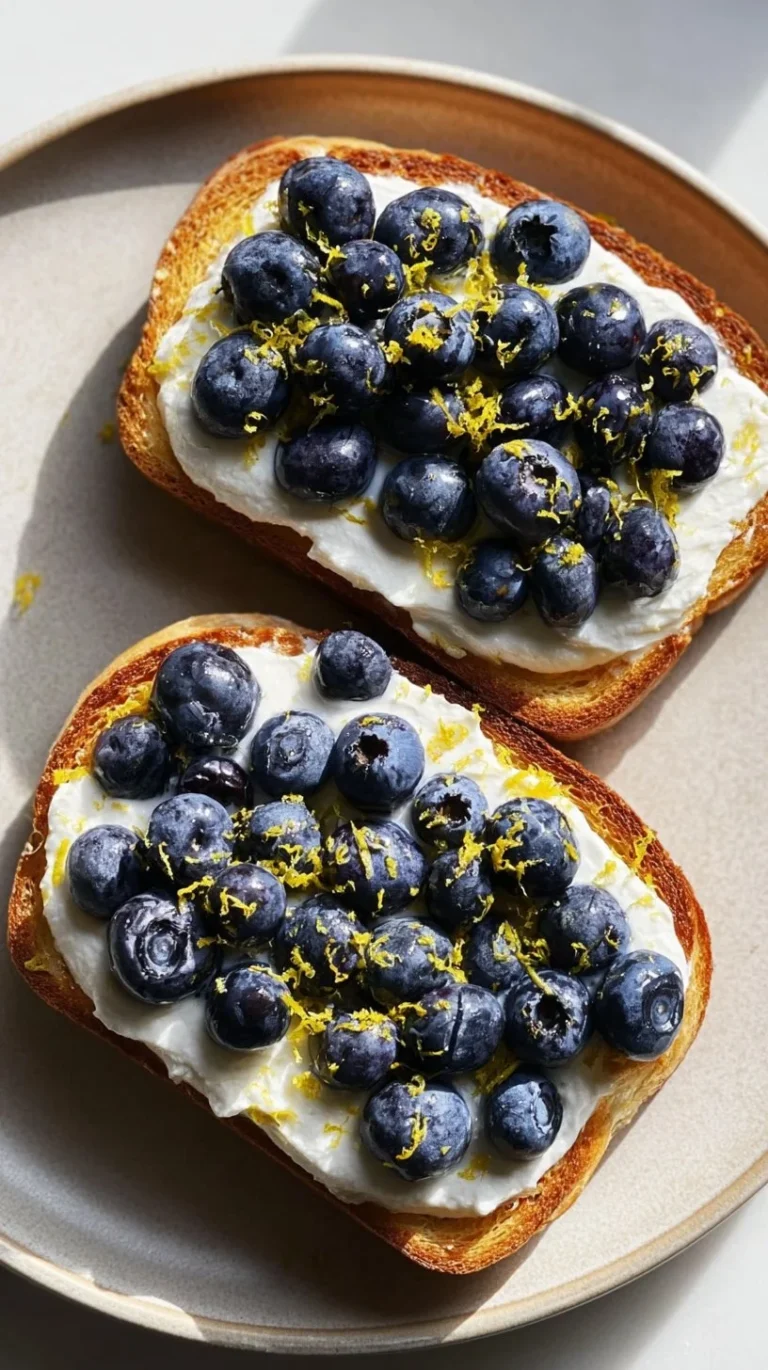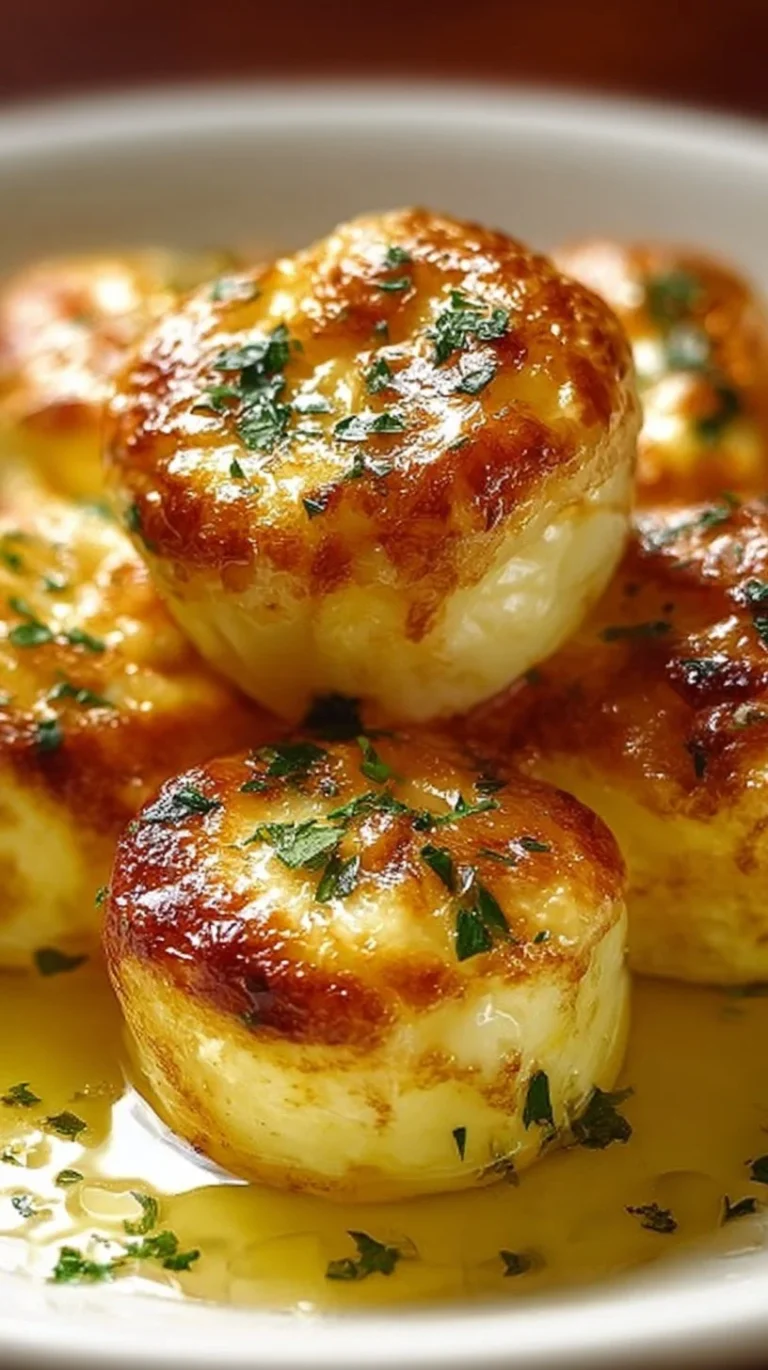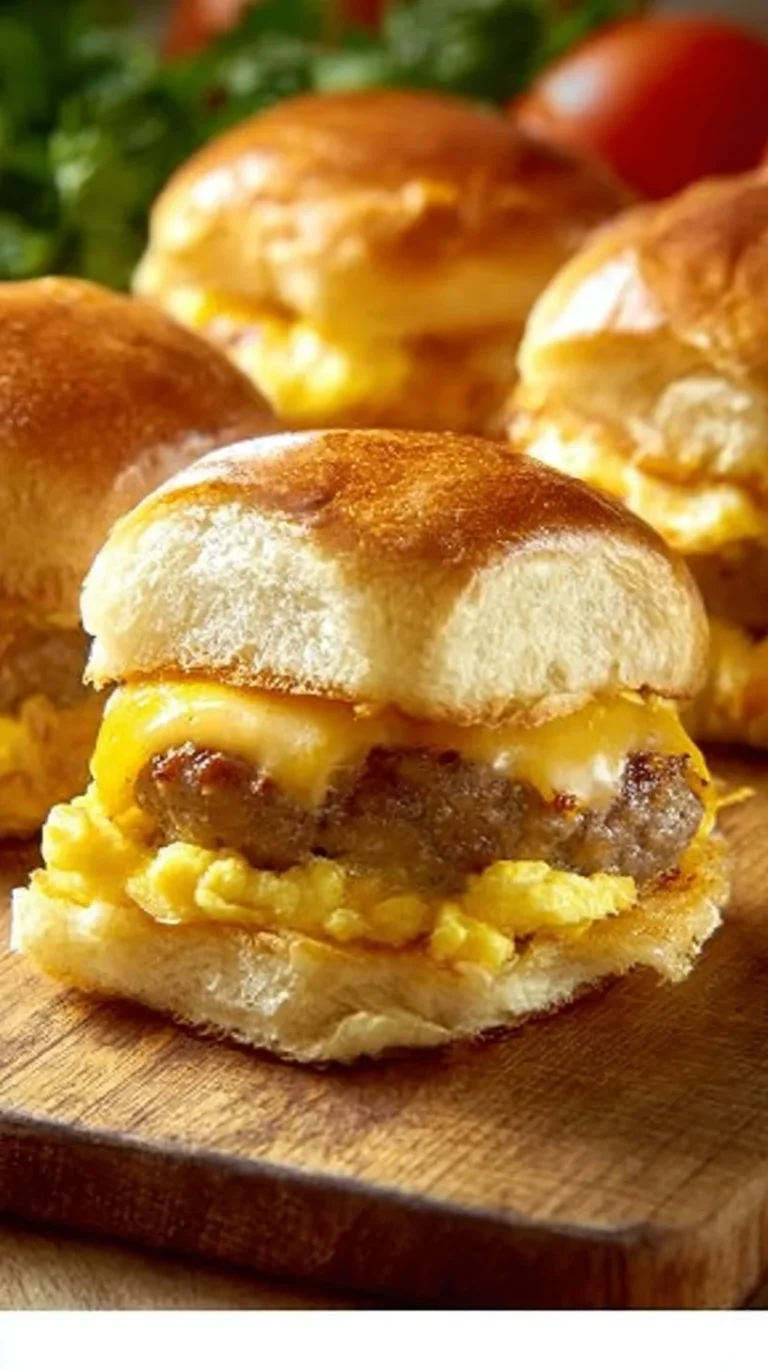
Brunch Food Ideas To WOW Your Party Crowd
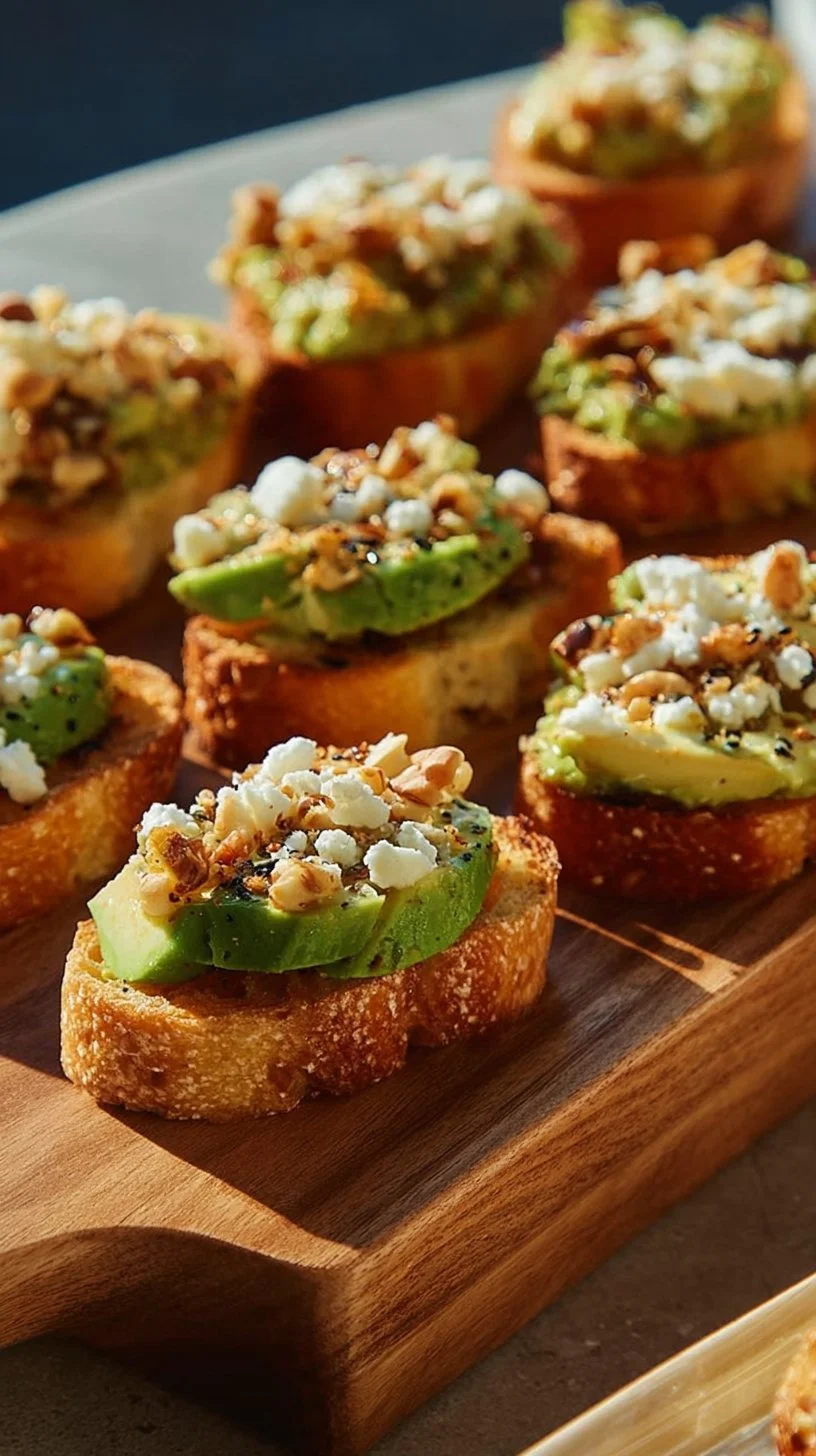
A successful brunch service is the result of disciplined planning and precise technique rather than improvisation. Brunch Food Ideas To WOW Your Party Crowd presents a modular approach: combine make-ahead elements with controlled finishing steps to preserve heat, color, and texture at service. When executed with clear mise en place and staged timing, sprawling brunch spreads become efficient and sensory-rich offerings rather than chaotic buffets. For inspiration on composition and the effective use of shareable plates, review an example of a composed savory bake to understand how richness and structure interplay in a make-ahead format such as the garlic butter steak cheddar potato bake.
This article is a technical guide: it dissects ingredient functions, outlines a workflow that minimizes last-minute labor, and explains the small adjustments that preserve crunch, melt, and color. Each recommendation prioritizes flavor development through controlled heat, correct seasoning balances, and texture contrast — the pillars that convert familiar components (eggs, bread, cheese, fruit) into a memorable brunch program.
The culinary logic behind this dish
Building a brunch that impresses requires an architectural mindset. The menu should span temperature zones (hot, warm, cold), flavor families (acid, fat, salt, sweet, bitter), and texture layers (crisp, creamy, custard, bright fruit). Eggs and dairy provide richness and structure; bread adds absorbency and textural backbone; fruit and yogurt supply acidity and palate-cleansing brightness. Vegetables contribute vegetal crunch and freshness, while herbs and well-judged salt lift and clarify flavors.
From a technical standpoint, the biggest challenge is holding contrast. Custards and strata need time to set and cool for clean slicing, while fried or roasted vegetables should be finished close to service to retain snap and color. Cheese behaves differently by type: a high-moisture cheese will provide cream and melt, a drier crumbly cheese will offer flavor without excess oil. Strategically selecting one cheese for melt and another for seasoning enables fine control over mouthfeel and appearance.
The final spread should be assembled in layers: foundation (breads, base bakes), complementary hot items, and chilled elements (parfaits, yogurt, fruit). This sequencing prevents steam from softening crisp components and ensures each item is displayed at its optimal temperature and texture.
How to make Brunch Food Ideas To WOW Your Party Crowd
Approach the execution as you would a composed dinner service. Begin with mise en place: trim, wash, and portion vegetables; grate and weigh cheeses; separate delicate herbs; and portion fats and seasoning. Use labeled containers so team members can execute finishing steps without ambiguity.
Plan cooking times against holding capabilities. Items that tolerate gentle reheating (strata, gratins) can be baked earlier and held in a low oven with a shallow pan of water to maintain humidity without sogginess. Crisp items — roasted potatoes, toasted bread, or pan-seared vegetables — should be held at room temperature on a rack and warmed briefly at high heat to re-crisp. For cold elements, such as parfaits, assemble fully the day before to allow flavors to meld; keep them chilled until service.
At service, designate one station as the finishing area to avoid contamination and traffic. Assign a single cook to the final sautéing or broiling to ensure consistency. Taste and adjust seasoning immediately before plating; acid and salt introduced at the end brighten complex flavors without overwhelming the richness of egg- and cheese-based items.
Ingredients :
Eggs, Milk or cream, Cheese (such as cheddar, mozzarella, or feta), Bread (preferably stale for strata), Fruit (for parfaits), Yogurt (for parfaits), Vegetables (for savory dishes), Herbs (for garnishing and flavor), Salt, Pepper, Oil, Butter
The list above represents modular building blocks. Each item functions predictably: eggs coagulate and bind, milk or cream modulates custard richness, cheese contributes fat and umami, and stale bread provides controlled absorption. Fruit and yogurt introduce acid and texture contrast. Vegetables provide color and vegetal fiber, while herbs offer aromatic lift. Salt and pepper refine overall balance. Oil and butter are the principal vehicles for heat transfer and flavor.
Directions :
Plan and prep the day before: Assemble a make-ahead sweet (like a loaf or parfait) and store it in the fridge. Chop vegetables, grate cheese, and measure out seasonings into small bowls or containers., On the morning of the brunch, finish the savory dish’s last step (bake, sauté, or reheat). Dress salads and prepare garnishes just before guests arrive., Serve the food by arranging everything on a table with labels and serving utensils. Keep hot items warm and cold items on chilled platters., Taste and adjust seasonings like salt and acid before serving., For baked items, check for doneness by observing color and texture rather than just relying on time., Feel free to store leftovers by cooling them to room temperature and refrigerating them properly.
These directions are a concise workflow that prioritizes stability and sensory quality: prep ahead, finish near service, and use temperature management to preserve texture.
Ingredient analysis through a chef’s lens
Understanding why each component behaves the way it does allows deliberate manipulation of texture and flavor. Eggs coagulate through protein denaturation; temperature and time control determine whether the result is custardy or rubbery. A 160–165°F (71–74°C) core produces a tender custard, while higher temperatures drive syneresis and dryness. Dairy fat disrupts protein networks, creating silkier texture; increasing cream percentage raises richness but also extends setting time.
Bread in a strata acts as a sponge: stale bread has lower moisture, so it absorbs custard without collapsing. The ratio of liquid to bread is critical — too little and you get dry pockets, too much and the structure becomes mushy. Cheese selection alters both flavor and mouthfeel: aged cheddar contributes sharpness and fat; mozzarella contributes elongation and smooth melt; feta provides tang and crumbly texture. Use cheese purposefully — one for structural melt, another for finishing seasoning.
Fruit and yogurt in parfaits interact through acidity and sugar. A tart fruit will cut fat and refresh the palate; higher sugar levels will compact and change the perception of creaminess. For make-ahead parfaits, macerate fruit lightly to release juices that integrate with yogurt, improving mouth-coating texture while preventing separation.
For additional cross-application technique on composed savory dishes that benefit from pre-bake planning and finishing, see guidance from this composed yakitori-style preparation which highlights timing and glaze application.
Kitchen workflow & technique breakdown
Efficient production begins with clear staging. Create three stations: cold assembly (parfaits, salads), hot finish (sauté, broil, final bake), and plating/presentation. Cold items should be pre-plated or portioned into service containers to minimize handling; their mise en place should be chilled and labeled.
For hot items, sequence operations by carryover heat and surface development. Sear or roast earlier for flavor development, then finish by re-heating at high heat to restore crispness. Use a full-size steam table or a low oven set to 150–160°F (65–71°C) with a perforated pan for gentle holding; add a shallow tray of water to stabilize humidity without producing steam that will wilt crisp components. When reheating, prefer dry heat (convection oven, salamander) to avoid sogginess.
Scaling tasks among helpers reduces service lag. One person can manage garnishes and herbs, maintaining freshness by cutting at the last moment; another can taste and adjust seasoning across the board. Labeling and utensil placement at the service table guide guests and reduce cross-contamination. For workflows that involve both quick finishes and make-ahead elements, review a contrasting model of composition and timing used in layered casseroles and reheat strategies such as the sweet potato crème brûlée approach to finishing and caramelization.
Texture control, heat management & timing
Texture is the primary determinant of perceived quality in a brunch spread. Control it by understanding the thermal histories of your components. For custards: bake gently and allow a controlled cool-down so structure stabilizes; sharp shocks in temperature will distort texture. For crisp items: avoid covering them while hot, as trapped steam collapses surface structure. Instead, rest on a rack so air can circulate; re-crisp in a high-temperature oven or under the broiler for short intervals.
Heat management strategies differ by component. Dense, starchy items reheat well in moist heat followed by brief dry heat to refresh surface; delicate eggs require low-and-slow or gentle water baths. Timing should prioritize those items that cannot be held long at serving temperature — a pan of sautéed mushrooms, for example, should be finished last and held on low heat in a shallow pan with occasional agitation to prevent sticking and over-reduction.
When monitoring doneness, rely on visual and tactile cues rather than time alone. Custards will be slightly wobbly at the center and set at the edges; baked strata will present golden edges and a spring to the touch. Use thermometers for precision when scaling recipes or catering larger crowds. For a practical example of heat application and structural balance in composed bakes, consult a dense, comfort-style casserole methodology such as the mac and cheese meatloaf casserole which demonstrates holding and surface development.
Professional variations
Variations should respect the original ingredient functions. Swap cheeses to alter melting character: use a higher-moisture cheese for creaminess, or a sharp aged cheese for bite. Introduce a brined element (olives, capers, feta) to add saline brightness that offsets richness. For a gluten-free option, replace the bread with roasted root vegetable slices or polenta layers that mimic absorbency; adjust custard ratios to account for different porosities.
For vegetarian or vegan adaptations, use firm tofu blended with a small amount of plant milk and a stabilizer such as chickpea flour to mimic egg protein, and select plant-based cheeses carefully for melt performance. Preserve finishing logic: cook early, finish late; manage moisture to maintain contrast.
When designing bite-sized offerings that complement the brunch, consider implementing small, composed bites that balance with the larger plates; reference curated lists of bite-sized appetizers for portion ideas and pairing logic.
Finishing touches & plating philosophy
Finishing is where technical precision meets visual language. Herbs should be finished raw and scattered just before service to preserve color and volatile aromatics; a quick chiffonade or snip retains integrity and avoids bruising. A final acid — a squeeze of lemon, a bright vinegar drizzle — should be applied sparingly at the finish to brighten without flattening fat-based flavors.
Plating for a communal brunch favors readable arrangements: hot items on insulated warmers, chilled items on chilled platters, and clear labeling to indicate allergens. Use height and repetition for visual rhythm: stack roasted vegetables, fan sliced bakes, and use small bowls for spreads to maintain tidy circulation. Texture contrast must be visible: crisp elements should be separated from moist components until immediate consumption.
Maintaining quality after cooking
Cooling and storage are critical for food safety and quality retention. Cool baked goods and custards to room temperature within two hours and refrigerate promptly. Use shallow pans for faster cooling and cover loosely until chilled to avoid surface condensation. For reheating, use gentle convection to raise core temperature while re-crisping surfaces in the final minutes.
Leftovers should be cooled before sealing to prevent steam accumulation. For items that lose structure on reheating (greens, delicate herbs), store separately and add fresh at service. Keep perishable condiments refrigerated and replenish small serving vessels regularly to maintain appearance and safety.
Questions from home cooks (chef answers)
Q: How do I prevent a strata from becoming soggy?
A: Use stale or dry bread and measure liquid-to-bread ratios conservatively. Allow strata to rest before baking so bread absorbs evenly, and bake until the top achieves a golden color and slight spring.
Q: How long can parfaits be made ahead?
A: Parfaits can be assembled up to 24 hours ahead; macerate fruit lightly to prevent full breakdown and use thick yogurt to maintain structure.
Q: When should I salt vegetables?
A: Salt early for items that will render liquid (eggplant, mushrooms) to draw moisture and concentrate flavors; salt late for quick-cooked or finished items where you want surface seasoning and crunch.
Q: How do I keep small items warm without drying them out?
A: Hold in a low oven (140–160°F / 60–71°C) on a perforated tray over a shallow water bath to preserve humidity while preventing sogginess.
Final chef notes
Consistent results depend on disciplined mise en place, precise timing, and an understanding of ingredient behavior under heat. Prioritize contrast and clarity: acid to cut richness, salt to heighten, and crispness to balance creaminess. Label and stage the buffet to guide guests and protect quality. Small details — the moment you add acid, the temperature you hold at, the interval between finish and service — are the factors that move a good brunch to exceptional.
Conclusion
For practical layout ideas that maximize impact on a budget, consult this curated guide to creating an Epic Brunch Board on a Budget. If you need inspiration for make-ahead components that save time without sacrificing quality, see the roundup of 15 Make-Ahead Brunch Recipes to Save Time and Wow the Crowd. For family-oriented suggestions that appeal to younger guests with playful presentations, the list of 23 Fun Brunch Ideas for Kids Parties is a useful reference. To complement your brunch with small, attractively portioned starters that maintain their character on a buffet, review these 45 Bite-Sized Appetizers That Are as Cute as They Are Delicious.
Garlic Butter Steak Cheddar Potato Bake
Ingredients
Method
- Plan and prep the day before: Assemble a make-ahead sweet (like a loaf or parfait) and store it in the fridge.
- Chop vegetables, grate cheese, and measure out seasonings into small bowls or containers.
- On the morning of the brunch, finish the savory dish's last step (bake, sauté, or reheat).
- Dress salads and prepare garnishes just before guests arrive.
- Serve the food by arranging everything on a table with labels and serving utensils.
- Keep hot items warm and cold items on chilled platters.
- Taste and adjust seasonings like salt and acid before serving.