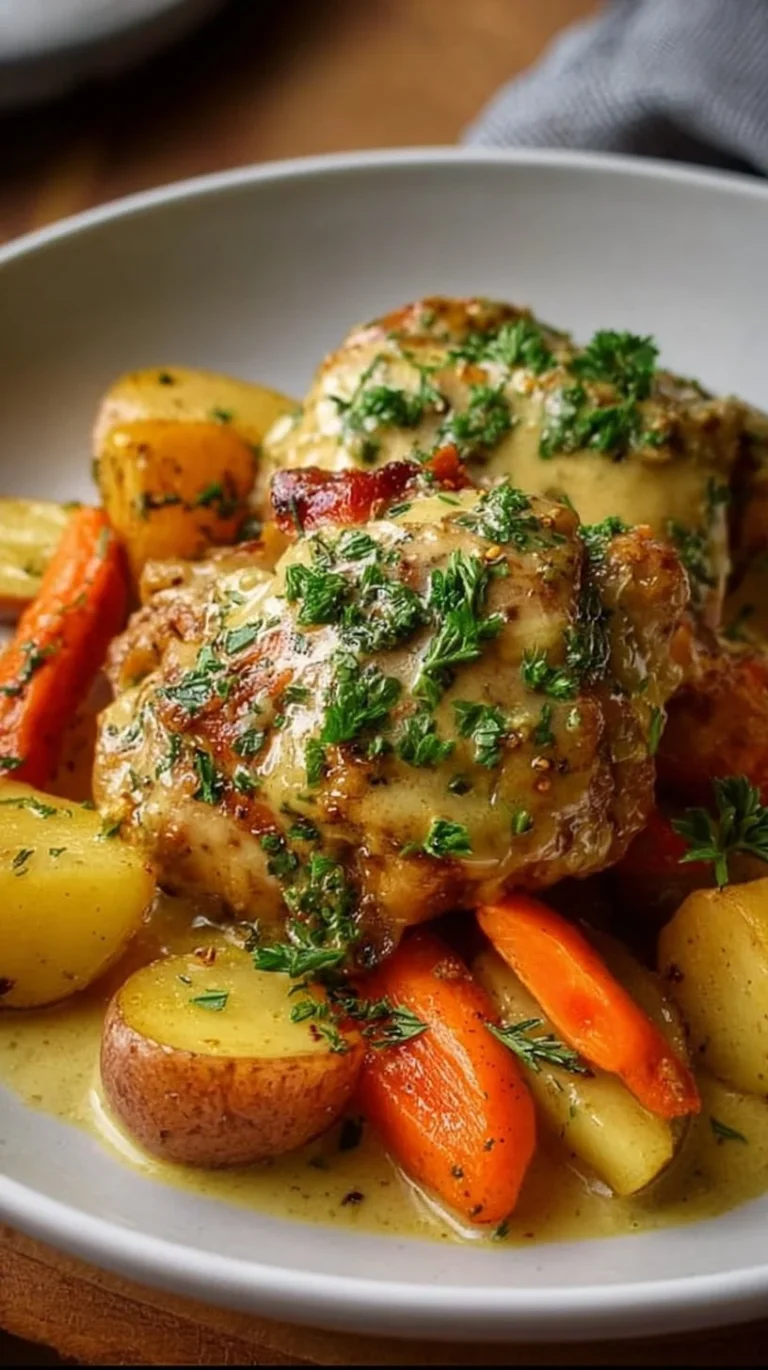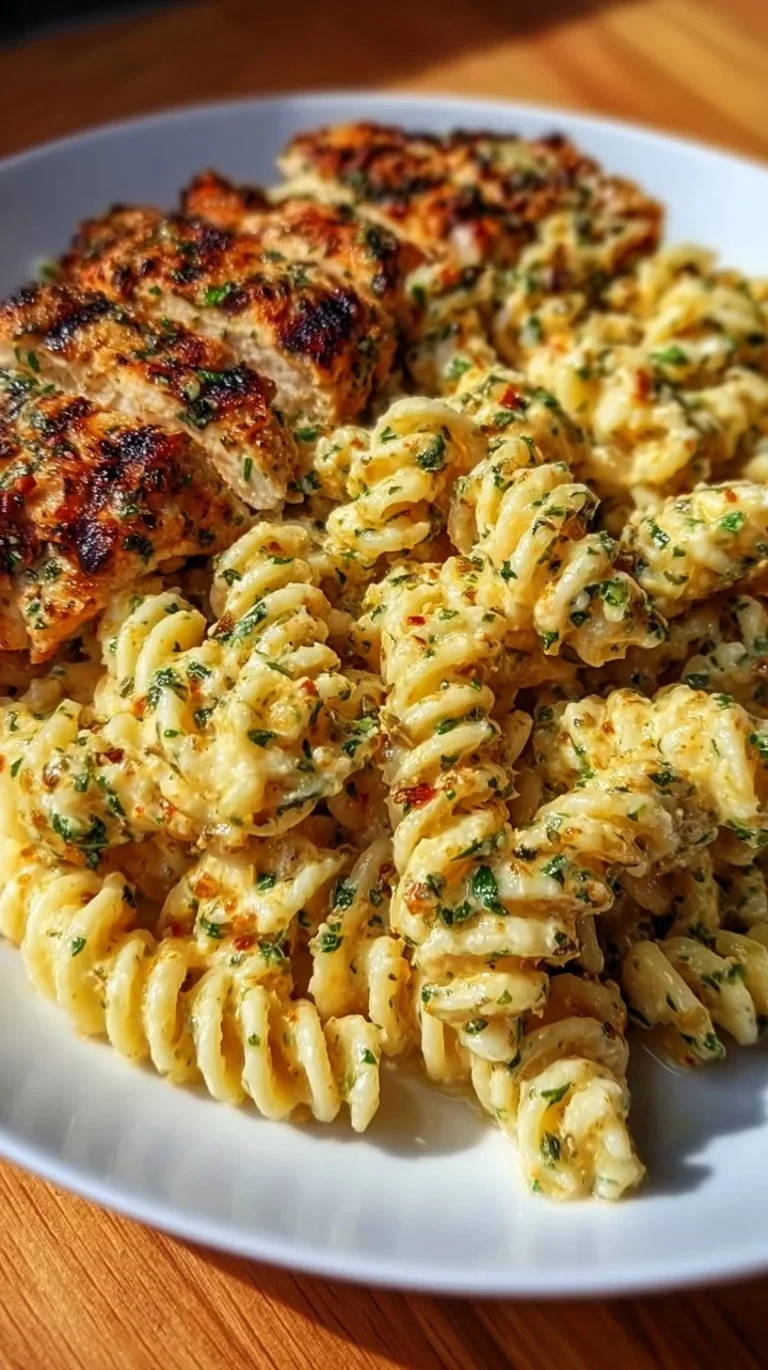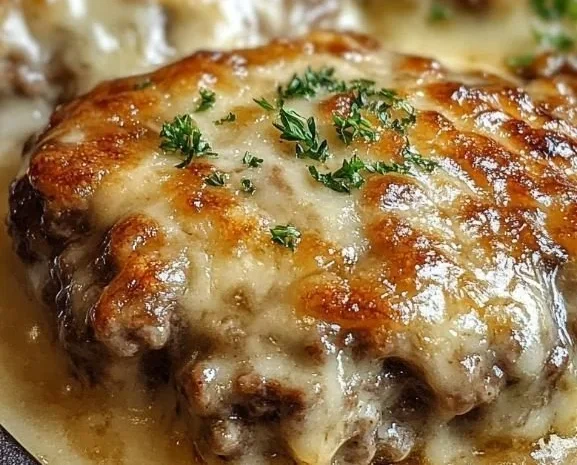
Creamy Herb Chicken with Mashed Potatoes and Honey Glazed Carrots
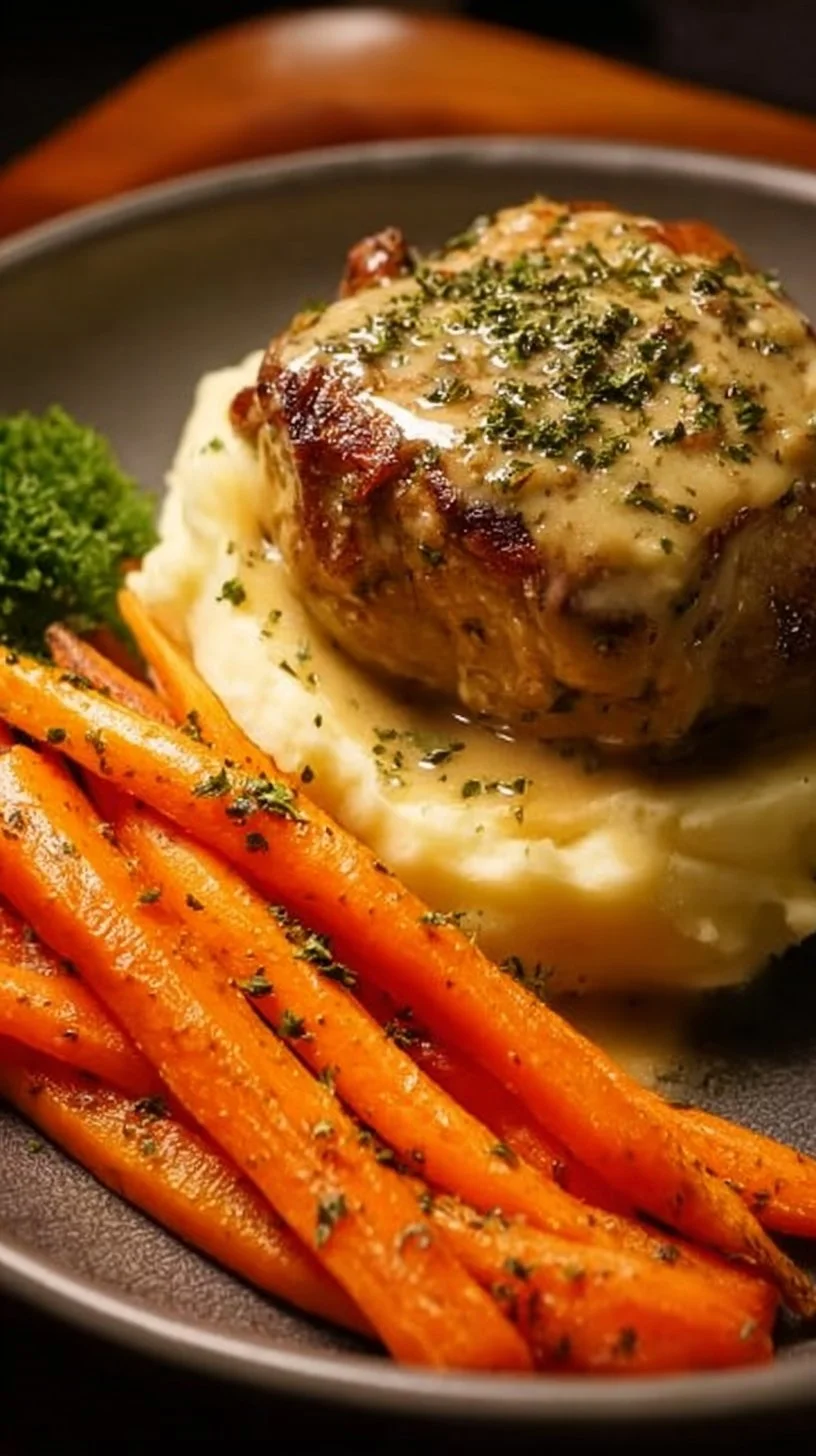
Creamy Herb Chicken with Mashed Potatoes and Honey Glazed Carrots is a composed plate that relies on three parallel disciplines: controlled searing and sauce reduction for the chicken, proper starch handling for the potatoes, and simple sugar balance for the carrots. Each component uses modest techniques that, when executed with intent, yield contrasts in texture and a cohesive flavor arc. If you are exploring variations of rich, cream-forward chicken preparations, consider how methods translate across recipes, as evidenced by applications in a creamy low-carb chicken casserole with broccoli and bacon, which employs similar emulsification principles in a different format.
This article examines the recipe from a professional perspective: the why behind each step, precise timing, and how to optimize for texture and clarity of flavor. The treatments described here do not alter the provided ingredients or directions; they expand on technique and sequencing to improve execution and repeatability in a home or small professional kitchen.
The culinary logic behind this dish
At its core the dish juxtaposes fat and acid-stabilized emulsion (the cream sauce), a starchy neutral base (mashed potatoes), and a sweet, slightly acidic vegetable finish (honey glazed carrots). The chicken provides both the primary protein flavor and the Maillard foundation for the sauce. Browning the chicken yields browned bits — fond — that are the essential aromatic and savory backbone when deglazed with cream. The potatoes act as a textural canvas; their starch quality and handling will determine if the mash is silk-smooth or gluey. The carrots, simply cooked and glazed, deliver a succinct sweetness and textural contrast. The aim is balance: fat for mouthfeel, starch for satiety, and sweetness for lift.
How to make Creamy Herb Chicken with Mashed Potatoes and Honey Glazed Carrots
The sequence in the supplied directions prioritizes flavor extraction from the chicken first, then leverages the same pan for sauce creation to concentrate aromatics. Concurrently, the potatoes are cooked to achieve the proper cell breakdown for a creamy mash, and the carrots are finished last to retain tenderness and sheen. Read each step for rationale as well as technique: timing overlap is intentional to allow components to finish near-simultaneously and at optimal temperature.
Ingredients :
4 chicken thighs, 1 cup heavy cream, 2 tablespoons mixed herbs (such as thyme, rosemary, and parsley), Salt and pepper to taste, 4 medium potatoes, peeled and cubed, 2 tablespoons butter, 1/2 cup milk, 4 carrots, sliced, 2 tablespoons honey, 2 tablespoons olive oil
Directions :
- Season the chicken thighs with salt, pepper, and mixed herbs. In a skillet, heat olive oil over medium heat and cook the chicken until browned and cooked through, about 5-7 minutes per side. Remove from the pan and set aside., 2. In the same skillet, add heavy cream and bring to a simmer, scraping up any pieces left from the chicken. Return the chicken to the pan and coat with the creamy sauce., 3. Meanwhile, boil the cubed potatoes in salted water until tender, about 15-20 minutes. Drain and return to the pot. Add butter and milk, then mash until smooth. Season with salt to taste., 4. In another pan, steam or sauté the sliced carrots until tender, then drizzle with honey and toss to coat., 5. Serve the creamy herb chicken alongside the mashed potatoes and honey glazed carrots.
Ingredient analysis through a chef’s lens
Each ingredient in this list performs a specific technical role. Chicken thighs bring connective tissue that benefits from browning and yields succulence when not overcooked — their higher fat content supports mouthfeel in the sauce. Heavy cream functions as both solvent and emulsifier; it captures fat-soluble aromas from the fond while creating a smooth coating for the chicken. Mixed herbs supply volatile oils that are released during searing and gentle simmering; they should be used sparingly on protein surfaces to avoid burning during the sear. Potatoes are a textural component: medium-size, peeled, and cubed reduces cooking time and ensures even gelatinization of starches. Butter and milk finish the mash by introducing fat and liquid that lubricate starch granules. Carrots are a sugar-forward vegetable that needs only sufficient heat to soften; the honey glaze elevates their natural sweetness and adds gloss. Understanding these roles enables adjustments in technique without altering the list of ingredients.
Kitchen workflow & technique breakdown
A controlled mise en place and a thought-out workflow are essential. Start water for the potatoes immediately; the thermal mass of boiling water is the longest-lead item. While the water comes to a boil, season the chicken; the poultry benefits from a brief rest after seasoning so surface salts draw moisture outward for a better sear. Heat the skillet until the oil shimmers — this indicates the pan has sufficient thermal inertia to produce Maillard browning rather than steaming. Sear the thighs until a deep golden-brown crust forms, resisting the urge to flip early. Remove the chicken and use the residual fat and fond to build the sauce. Reduce the cream by a few minutes to concentrate flavor and slightly thicken before returning the chicken. During the cream reduction, drain the potatoes and begin the mash, adding butter then warm milk to prevent temperature shock and to retain emulsion. Finally, cook the carrots in a separate pan; finish them with honey off high heat to prevent the sugar from caramelizing too aggressively. If you prefer to explore layering casseroles where a cream-based sauce is baked, techniques overlap with the chicken and spinach casserole with cream cheese, particularly in sauce stabilization and timing.
Texture control, heat management & timing
Texture is governed by three variables: heat intensity, duration, and physical manipulation. For the chicken, medium heat on a preheated skillet produces a crust in the 5–7 minute-per-side window without rendering interior fat excessively. Use a thermometer if precise: thighs are best taken to 165°F (74°C) and allowed to rest briefly for carryover heat stabilization. For the potatoes, avoid overworking; mash until just smooth to maintain slight structural integrity — excessive mechanical action activates amylose and amylopectin interactions, creating a gluey mouthfeel. Use warm milk and melted butter to maintain temperature and promote a satiny emulsion. Carrots should be tender but not limp; steam or sauté until the tip of a paring knife meets mild resistance. Add honey at the end and toss off-heat to preserve its floral notes and avoid bitter caramelization.
Professional variations
While the ingredient list must remain unchanged, there are professional techniques to vary texture and depth without altering components. After searing, deglaze briefly with a splash of water — or a neutral stock if available — before adding cream; this lifts fond and prevents the cream from scorching. For a more integrated herb presence, bruise the mixed herbs gently before applying to the chicken to release essential oils, or add a portion of finely chopped fresh herbs into the mashed potatoes for an aromatic note. If under a time constraint, the carrots can be quickly flash-glazed in a hot pan for color and a slightly caramelized exterior. For inspiration on crusted textures paired with creamy sauces, examine the methods in a parmesan-crusted chicken with creamy garlic sauce, particularly how residual pan fond contributes to finishing sauces.
Finishing touches & plating philosophy
Plating should emphasize contrast and coherence. Spoon mashed potatoes as a base, creating a shallow well for the chicken to rest in; this keeps the sauce contained and encourages integration of sauce into the starch. Place the thigh with the browned side up to showcase color and to keep crust integrity. Arrange the honey glazed carrots alongside to provide color contrast and a different textural bite. Finish with an optional light scatter of the remaining fresh herb leaves for visual clarity; avoid over-saucing the plate which can numb palate focus. Temperature on the plate should be warm but not scalding — cooling tools such as slightly warmed serving dishes help retain heat without burning.
Maintaining quality after cooking
Hold time impacts both texture and flavor. Mashed potatoes can stiffen as they cool; keep them warm by covering and placing over a bain-marie or on low oven heat (in a heatproof dish) and whisk in an extra tablespoon of warm milk before service to recover creaminess. The cream sauce will thicken as it cools; if reheating, do so gently over low heat, stirring to reincorporate. Avoid rapid reheating which can break emulsions. Carrots reheat well briefly in a hot pan with a pat of butter to restore sheen. For food-safety and quality, store components separately if not served immediately; recombine and reheat just before service to preserve texture contrasts.
Questions from home cooks (chef answers)
Q: Can bone-in thighs be used instead of boneless?
A: Yes. Bone-in thighs will require slightly longer cook time and may need oven finishing to reach temperature without burning the exterior. Monitor internal temperature and rest longer for carryover.
Q: My sauce separated when I returned the chicken — why?
A: Separation typically occurs when the cream is overheated or when cold protein is introduced, shocking the emulsion. Reduce the cream until it lightly coats the back of a spoon before returning the chicken, and bring the chicken up to near room temperature for a few minutes before reinsertion to reduce temperature differential.
Q: How can I avoid gummy mashed potatoes?
A: Use starchy potatoes such as Russets and drain them thoroughly after boiling. Mash with minimal force; add warm butter and milk progressively until you reach the desired texture. Avoid using a food processor which will overwork the starch.
Final chef notes
Attention to small technical details defines the difference between a good home-cooked plate and a restaurant-level dish. Respect thermal stages: sear at sufficient heat, reduce cream gently, mash with controlled force, and glaze vegetables off-heat. Each of these procedures maximizes the aromatics, preserves texture, and produces a composed plate where each element complements the others. Execute with precision and you will achieve a dish that is balanced, texturally interesting, and reliably delicious.
Conclusion
For further reading on complementary preparations and technique inspiration, consult this recipe for Garlic Herb Chicken with Honey Butter Carrots & Mashed Potatoes, which explores related flavor pairings and finishing methods. For a variation that emphasizes herb-roasting and a cream-forward mash, see Herb Roasted Chicken with Creamy Mashed Potatoes and Honey Glazed Carrots. If you wish to deepen your technique on herb and garlic integration in mashed potatoes, review a professional take at Classic Herb and Garlic Creamy Mashed Potatoes – Tastes of Thyme.
Creamy Herb Chicken with Mashed Potatoes and Honey Glazed Carrots
Ingredients
Method
- Season the chicken thighs with salt, pepper, and mixed herbs.
- Heat olive oil in a skillet over medium heat and cook the chicken until browned and cooked through, about 5-7 minutes per side. Remove chicken from the pan and set aside.
- In the same skillet, add heavy cream and bring to a simmer while scraping up any bits left from the chicken. Return the chicken to the pan and coat with the creamy sauce.
- Meanwhile, boil the cubed potatoes in salted water until tender, about 15-20 minutes. Drain and return to the pot. Add butter and milk, then mash until smooth. Season with salt to taste.
- In another pan, steam or sauté the sliced carrots until tender, then drizzle with honey and toss to coat.
- Serve the creamy herb chicken alongside the mashed potatoes and honey glazed carrots.