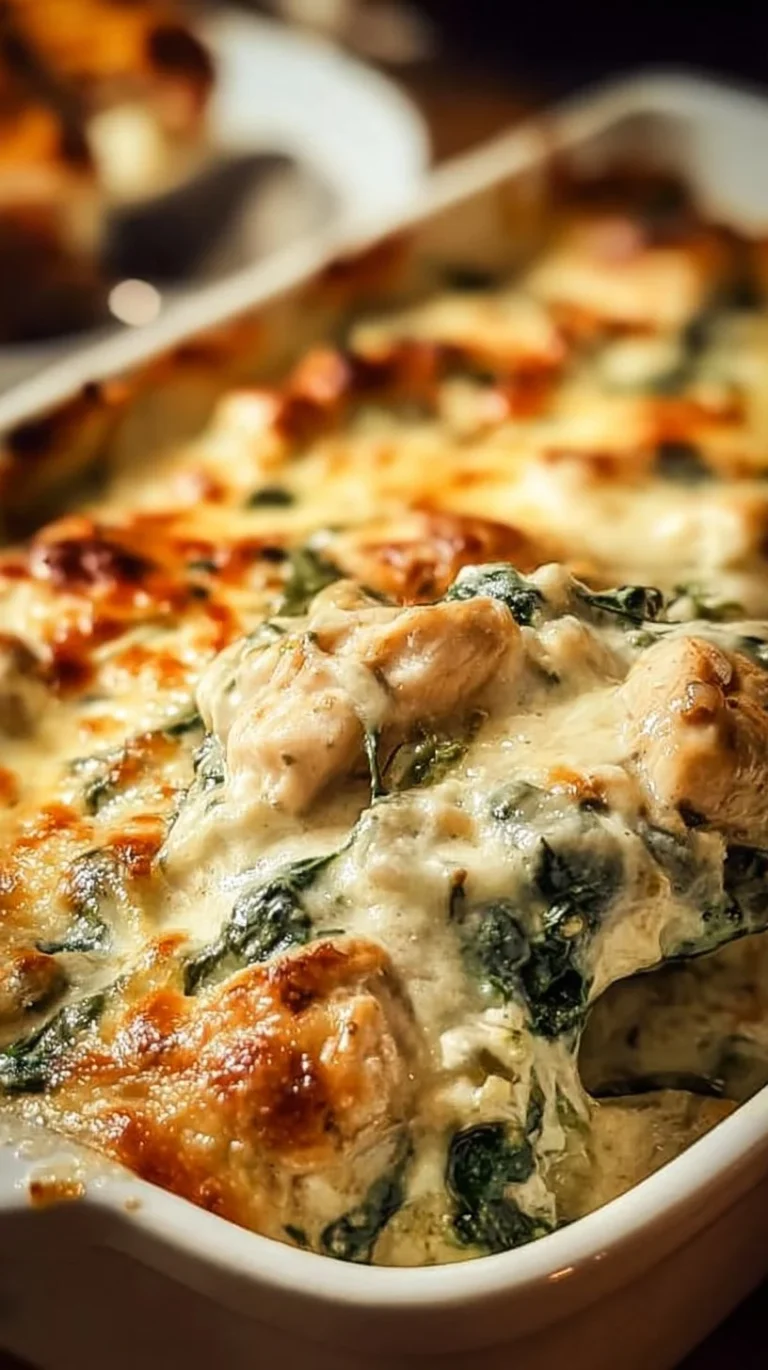
Classic Marry Me Chicken Orzo
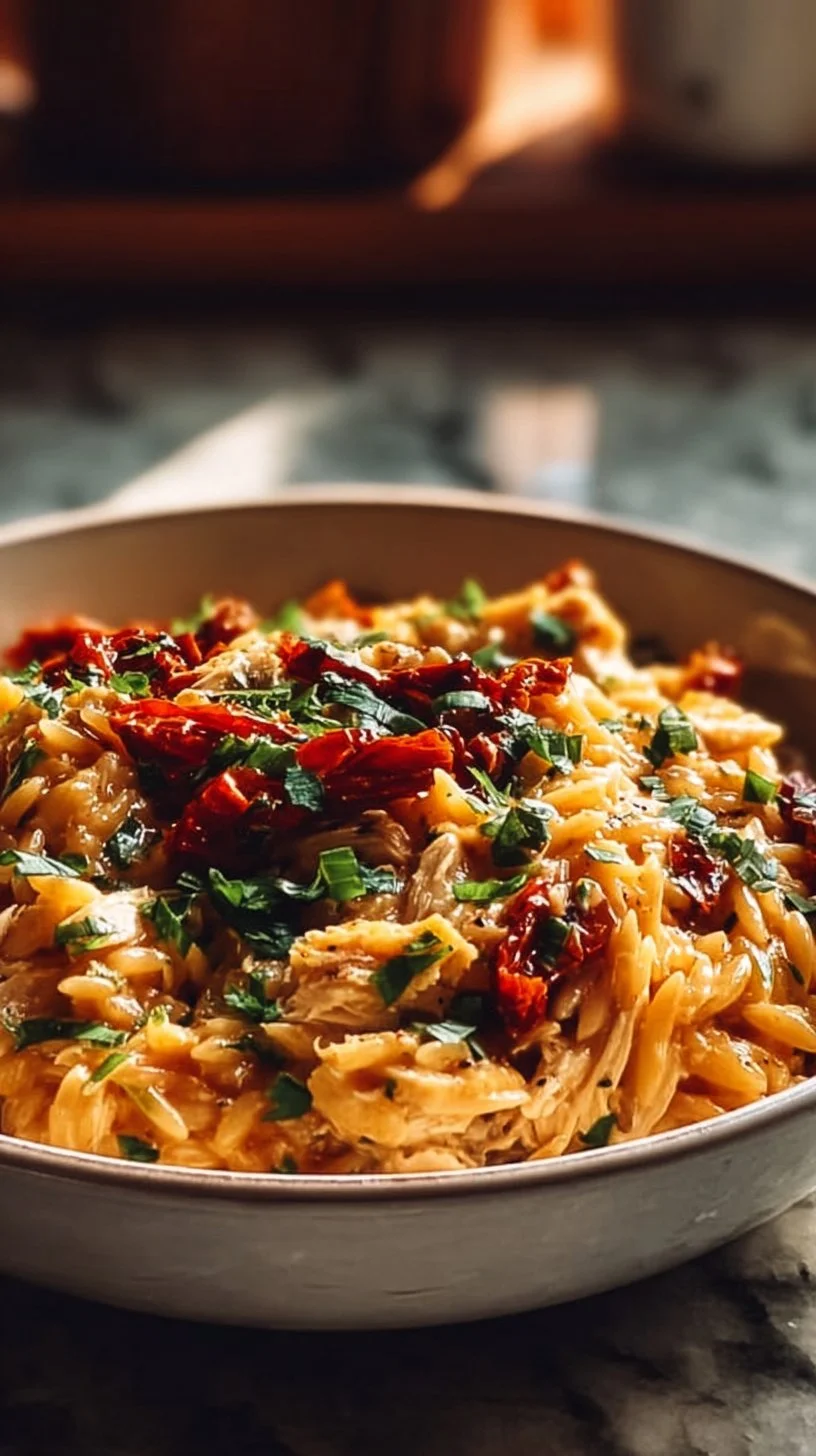
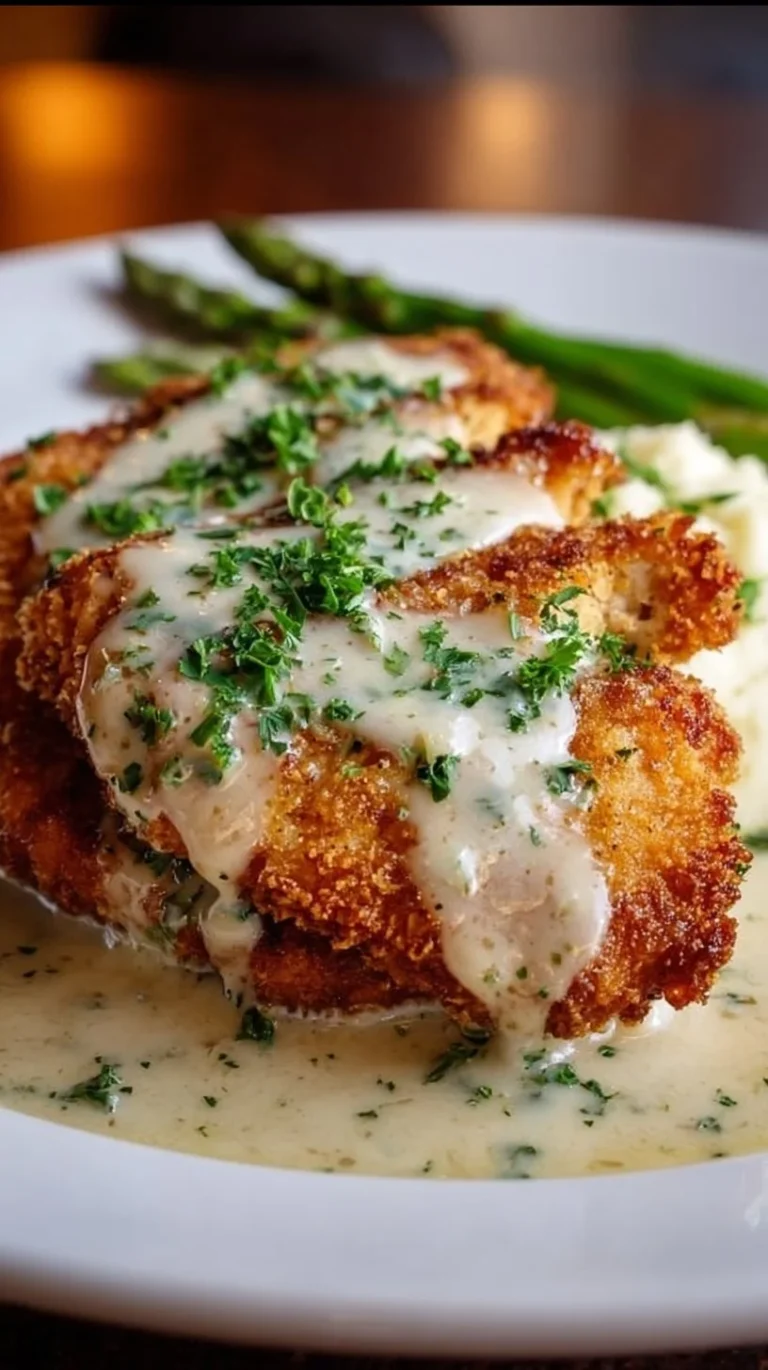
Classic Marry Me Chicken Orzo is a composed one-skillet entrée that balances rich dairy, concentrated tomato, verdant greens and tender poultry over a bed of small, starchy pasta. The recipe’s architecture—sear chicken, build a shallow pan sauce with aromatics and cream, and finish with cheese and spinach—is intentionally economical in technique but exacting in timing. Each action modulates flavor concentration, emulsion stability and final texture. For a reference on achieving superior searing and sauce control in similar preparations, review the method used for crispy parmesan chicken with a rich garlic sauce, which illustrates the principles of Maillard development and pan fond utilization that are foundational here.
The culinary logic behind this dish
This dish employs three primary flavor pillars: browning (Maillard reaction) from seared chicken, umami and saline richness from grated Parmesan and sun-dried tomatoes, and a silk/volume contrast from cream and orzo. Orzo acts both as pasta and as a starch source to thicken the sauce as it absorbs liquid; its small size shortens cook time and increases surface area for sauce adherence. Sun-dried tomatoes provide concentrated acidity and tomato solids that cut the cream’s perceived fattiness, while spinach adds fresh green aromatics and texture contrast without overpowering. The Italian seasoning brings a herbed backbone that ties the components together. Technically, the sequence—sear, aromatize, deglaze with broth/cream, simmer with orzo, finish with cheese—ensures each ingredient contributes at a stage that optimizes its sensory contribution.
How to make Classic Marry Me Chicken Orzo
This section translates the recipe into operational reasoning while preserving the prescribed steps. The objective is to maintain precise timing and heat control so the chicken remains tender and the orzo reaches an al dente, saucy finish.
Heat a large skillet until hot but not smoking; use a medium flame and a pan with good thermal conductivity (stainless steel or heavy-bottomed skillet). The oil should shimmer before adding the chicken to encourage rapid crust formation without sticking.
Season the chicken only with salt and pepper as directed. Searing builds a flavorful crust and renders surface proteins that contribute to pan fond; this fond is the foundation for the subsequent sauce.
After removing the chicken, use the same skillet to briefly cook garlic and toast the orzo. The garlic must be translucent and fragrant but not browned; toast the orzo until slightly glossy for a nuttier flavor and improved texture.
Introduce chicken broth and heavy cream to create a single simmering medium. The ratio specified provides both liquid for orzo hydration and fat to carry flavor. Bring to a gentle simmer—vigorous boiling will separate the cream and disrupt sauce emulsion.
Add spinach and sun-dried tomatoes for a brief finish time so the spinach wilts but retains fresh color and the tomatoes warm through without disintegrating.
Return chicken to the pan, nestling it so residual heat helps bring the internal temperature to finish without overcooking.
Simmer until the orzo is tender and most liquid is absorbed; this interval also allows starch release from the pasta, which thickens the sauce.
Off heat, stir in Parmesan to finish the emulsion; the cheese melts into the warmed cream and binds the sauce, adding salt and umami.
Ingredients :
2 chicken breasts, 1 cup orzo pasta, 1 cup heavy cream, 1 cup chicken broth, 1 cup spinach, 1/2 cup sun-dried tomatoes, 1/2 cup grated Parmesan cheese, 2 cloves garlic, minced, 1 teaspoon Italian seasoning, Salt and pepper to taste, Olive oil for cooking
Directions :
- In a large skillet, heat olive oil over medium heat. Season chicken breasts with salt and pepper, then add to the skillet. Cook until golden brown on both sides and cooked through. Remove chicken and set aside., 2. In the same skillet, add minced garlic and sauté for about 30 seconds. Add the orzo pasta and stir for a minute., 3. Pour in chicken broth and heavy cream, and bring to a simmer. Stir in spinach, sun-dried tomatoes, Italian seasoning, and add the cooked chicken back to the skillet., 4. Cook until orzo is tender and most of the liquid has been absorbed, about 10-12 minutes. Remove from heat and stir in Parmesan cheese., 5. Serve warm and enjoy!
Ingredient analysis through a chef’s lens
Chicken breasts: lean protein that benefits from rapid searing and controlled finish. Because breasts can dry quickly, the method returns them to the skillet to finish in the sauce; this recaptures moisture through gentle heat transfer and steam.
Orzo pasta: small, rice-shaped pasta with a high surface-to-volume ratio. It hydrates quickly; therefore, cooking time and liquid volume must be monitored. The released starch is essential for a cohesive sauce.
Heavy cream and Parmesan: two fat-protein matrices that create a stable, viscous mouthfeel when incorporated at warm temperatures. Cream provides body; Parmesan supplies salt and glutamates for umami. Add cheese off heat or at low temperature to prevent grainy separation.
Chicken broth: dilutes cream to a workable viscosity and supplies savory depth. Use a moderate-sodium broth to preserve control of final seasoning.
Spinach and sun-dried tomatoes: provide immediate color contrast and concentrated sweet-tart tomato flavor. Add near the end to preserve texture and bright flavor.
Garlic and Italian seasoning: aromatic drivers. Garlic should be softened, not burnt, to avoid bitterness; Italian seasoning is a blended background note and should not dominate.
Kitchen workflow & technique breakdown
Efficient progression in this recipe is sequential rather than parallel—heat the pan fully before adding protein; use the chicken’s cook time to prepare mise en place: mince garlic, measure orzo, and slice sun-dried tomatoes if needed. After searing and removing chicken, do a quick deglaze by incorporating the garlic and orzo into the pan; this allows you to scrape up the fond and transfer its flavor into the starch-laden base. Maintaining medium heat during the simmer prevents cream from breaking; a steady gentle simmer encourages the orzo to release starch at a controlled rate, which forms a glossy, clingable sauce. Return the chicken in the last half of the orzo’s cook to allow internal carryover without drying.
For a two-burner workflow: while the orzo is simmering, briefly rest the chicken on a warm plate to conserve heat, then nestle it back in with 6–8 minutes remaining. Use a splatter screen or partially cover the pan to moderate evaporation—steaming preserves moisture and speeds heat transfer, while too much lid time will slow reduction and weaken fond integration.
Texture control, heat management & timing
Texture balance is the core technical objective: chicken must be tender and juicy; orzo should be al dente with a sauce that clings but isn’t syrupy. To achieve this:
Sear at medium-high heat, but finish in the pan at medium to medium-low. The initial crust requires a higher temperature; finishing and simmering require reduced heat.
Monitor orzo closely from minute 8 onward. The specified 10–12 minutes is a guideline; start tasting at 8 minutes. If liquid absorbs too quickly, add small increments (1–2 tablespoons) of hot broth to avoid unevenly cooked pasta.
Emulsion control: avoid a vigorous boil once cream is added. Rapid agitation encourages fat separation. Keep the temperature at a gentle simmer and incorporate Parmesan with the pan off the heat or over the lowest flame to melt gently into the sauce.
Spinach should wilt within 1–2 minutes; overcooked greens will lose color and contribute excess water. Add them just before the orzo is finished.
Rest briefly after removing from the heat: the sauce will thicken as it cools and the orzo continues to absorb residual liquid.
Professional variations
When adapting this formula for restaurant service or to refine technique, consider the following professional options without altering ingredient quantities:
Acid balance: finish with a squeeze of lemon or a splash of white wine (added during deglaze) to brighten the cream and contrast the Parmesan’s richness.
Textural counterpoint: top with a small herb gremolata or toasted breadcrumbs to introduce a crunchy element and aromatic lift.
Browning precision: butterfly the chicken breasts to an even thickness, or pound to uniformity before searing to ensure consistent doneness across portions.
Sauce enrichment: for a silkier finish, whisk a small knob of cold butter off heat into the sauce after the Parmesan melts; this increases sheen and mouthfeel.
For a more thorough method on achieving creamy pasta textures in similar dishes, consult the preparation notes for creamy garlic parmesan chicken pasta, which addresses emulsion and starch management.
Finishing touches & plating philosophy
Finishing is where control over seasoning, temperature and aesthetics converge. After stirring in the Parmesan off heat, taste and adjust with salt and pepper only—Parmesan adds significant salt. Garnish sparingly with finely grated Parmesan and a few torn spinach leaves to maintain visual contrast. Plate by arranging the orzo into a low mound and slicing the chicken on the bias to show interior color, then overlap the slices atop the orzo so the sauce is visible and the cut edges exude steam. Small droplets of high-quality extra-virgin olive oil or a whisper of lemon zest may be added at service to provide a bright counterpoint.
Maintaining quality after cooking
This dish holds well for short-term service but is sensitive to over-thickening and moisture loss. For holding:
Keep at a low warm temperature (140–150°F / 60–65°C) and add a splash of warm broth every 5–10 minutes to maintain sauciness.
Avoid reheating at high heat; instead, rewarm gently on the stovetop with a little broth or cream while stirring to restore emulsion.
Store leftovers in an airtight container in the refrigerator for up to 3 days. Reheat slowly with a tablespoon or two of broth to renew sauce texture. Note: orzo will continue to absorb liquid during storage and will be softer upon reheating.
Questions from home cooks (chef answers)
Q: Can I use bone-in chicken or thighs instead of breasts?
A: Yes. Thighs will tolerate longer cooking and have more fat, which can deepen flavor. Adjust searing time and ensure thighs reach safe internal temperature; bone-in cuts may require finishing in the oven or a longer simmer to ensure doneness.
Q: My cream separated—how do I prevent this?
A: Maintain a gentle simmer after adding cream. Avoid boiling. Adding cheese off heat and incorporating it slowly while stirring helps create a smooth emulsion. If separation occurs, a brief whisk with a small cold knob of butter can sometimes re-emulsify.
Q: The orzo absorbed too much liquid before it was tender—what went wrong?
A: Likely the heat was too low, preventing sufficient gelatinization of starch, or the lid was on too much causing uneven heat distribution. Continue simmering with incremental hot liquid additions and adjust heat to maintain a gentle simmer.
Q: How do I get a better sear without overcooking?
A: Ensure the pan is hot and dry before oiling. Pat chicken dry and use a pan large enough to avoid crowding. Sear with minimal movement to allow a uniform crust, then reduce heat to medium to finish cooking more gently.
Final chef notes
This recipe is an exercise in balance: heat control to develop and preserve Maillard flavors, measured liquid to feed the orzo and create a creamy sauce, and precise timing to prevent overcooking lean protein. The prescribed sequence is deliberate; each step builds toward a final plate where texture and flavor components are in equilibrium. Resist the urge to rush the simmer or to apply high heat once the cream is in the pan—delicate thermal management is the difference between a cohesive, glossy sauce and a curdled, separated one. For technique cross-references on effective pan-sauce workflows and searing protocols, examine the searing and sauce steps used in parmesan-crusted chicken with creamy garlic sauce.
Conclusion
For an alternate single-pan interpretation and plating inspiration, consult Kalejunkie’s one-pan Marry Me Chicken Orzo which demonstrates efficient execution in a streamlined format. If you are looking for variations and community-tested adjustments, The Country Cook’s take on Marry Me Chicken Orzo offers practical notes on ingredient swaps and serving suggestions. For step-by-step guidance and additional tips on balancing cream and tomato components, review the detailed approach at Taming Twins’ Marry Me Chicken Orzo {One Pot Recipe}.
Classic Marry Me Chicken Orzo
Ingredients
Method
- Heat a large skillet over medium flame until hot but not smoking; add olive oil and allow it to shimmer.
- Season the chicken breasts with salt and pepper and sear them in the skillet until golden brown on both sides and cooked through. Remove the chicken and set aside.
- In the same skillet, add minced garlic and sauté until translucent and fragrant, about 30 seconds. Then, add the orzo pasta and toast for about a minute.
- Pour in the chicken broth and heavy cream, bringing the mixture to a gentle simmer.
- Stir in spinach, sun-dried tomatoes, and Italian seasoning, then nestle the cooked chicken back in the skillet.
- Simmer the mixture until the orzo is tender and most of the liquid is absorbed, about 10-12 minutes.
- Remove from heat and stir in grated Parmesan cheese to finish the sauce.
- Serve warm, garnished with extra Parmesan and torn spinach leaves if desired.