Hobo Casserole Ground Beef
AARON Introduction
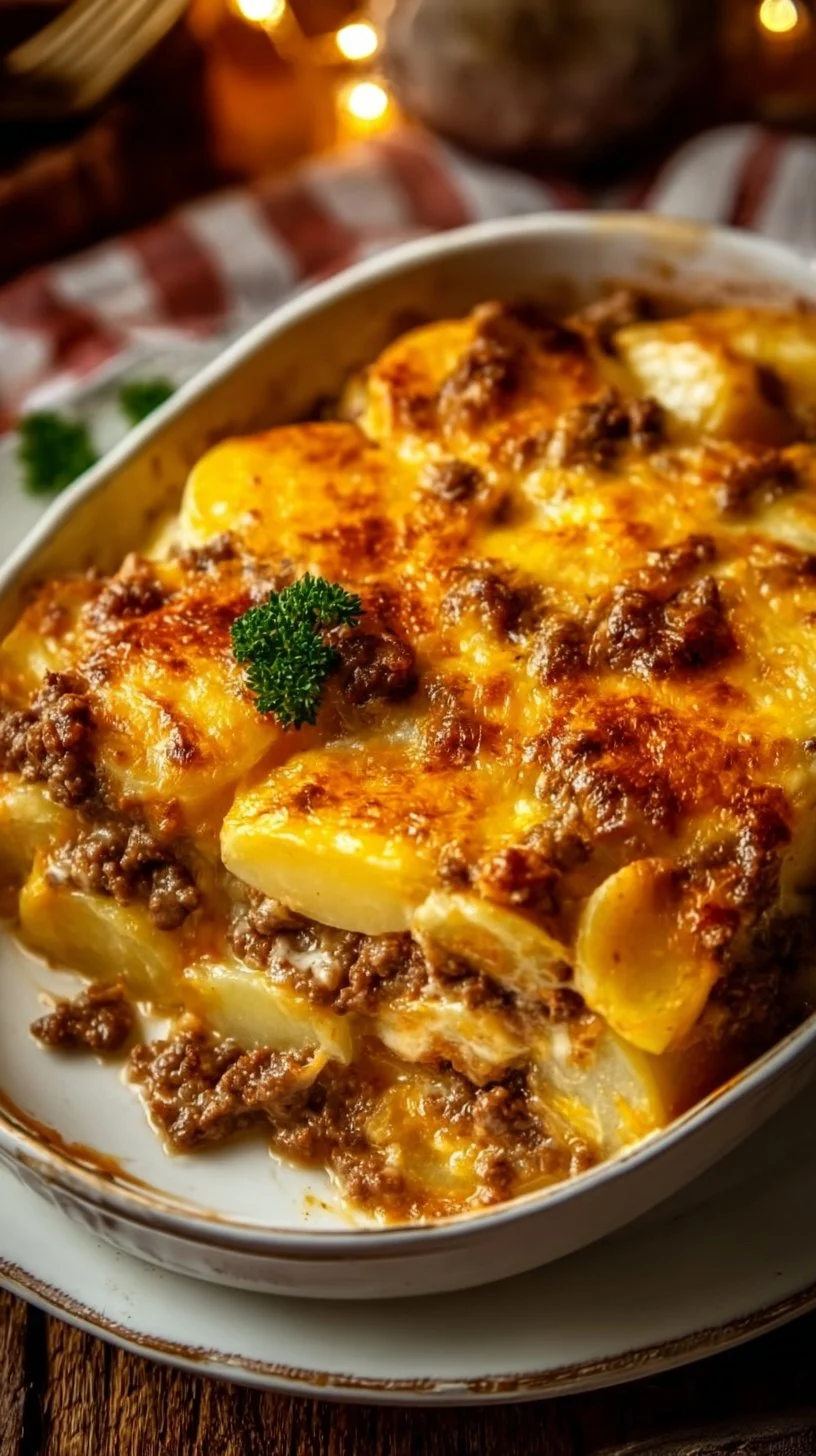
Hobo Casserole Ground Beef is a straightforward, comforting dish that pairs familiar ingredients—ground beef, potatoes, onions, garlic, and cheese—into a layered bake. As a nutrition specialist, I see value in recipes like this because they offer opportunities to practice portioning, building balanced plates, and thinking about how cooking methods influence digestion and nutrient availability. If you enjoy comforting, layered bakes, you might appreciate how flavor and structure come together in other recipes like a mac-and-cheese meatloaf casserole, which also demonstrates how to balance protein, starch, and dairy in one dish.
My approach in this article is to describe the recipe clearly, explain how its components support long-term wellness, and offer evidence-based, practical tips for digestion, nutrient density, and safe storage. The goal is to help you enjoy this meal as part of a balanced eating pattern without fear-based claims—just useful guidance for everyday health.
How this recipe supports overall wellness
Hobo Casserole Ground Beef is built around three core components: a protein source (ground beef), complex carbohydrates (potatoes), and dairy (cheeses and optional milk). Together these ingredients provide a satisfying mix of macronutrients—protein, fats, and carbohydrates—plus micronutrients like iron, B vitamins, vitamin C (from potatoes when eaten with the skin), calcium, and phosphorus from dairy. When eaten as part of an overall balanced diet, this casserole can be a nutrient-dense choice that supports satiety and muscle maintenance, especially when paired with a vegetable-rich side or salad.
From a digestion perspective, combining protein and fat with fiber-rich vegetables slows gastric emptying, which helps steady blood sugar and keeps you feeling full longer. That’s one reason layered, casserole-style meals often feel so satisfying. If you want more ideas for balanced mains that pair protein with vegetables and flavorful sauces, consider exploring a slow-braised roast that emphasizes vegetable sides, like this slow-braised beef roast with cranberry-balsamic glaze, which highlights how vegetables and leaner cuts can complement concentrated flavors.
How to make Hobo Casserole Ground Beef
This section walks through the recipe as written so you can follow it confidently in the kitchen. I’ll clarify a few small technique tips to help with digestion-friendly outcomes—like browning and deglazing—but I will not alter the ingredients or the directions themselves.
- Preheat your oven to 375°F (190°C) and grease a 9×13-inch baking dish with cooking spray or olive oil.
- In a large skillet, heat the olive oil over medium heat. Add the ground beef and cook, breaking it apart with a spoon, until browned and cooked through (about 5-7 minutes). Drain any excess fat if needed.
- Add the chopped onion and minced garlic to the skillet with the beef. Cook for another 3-4 minutes until the onion becomes soft and translucent.
- Layer the thinly sliced potatoes on top of the ground beef in the prepared baking dish. First, spread the cooked ground beef mixture evenly in the bottom of the dish. Then, arrange the potatoes on top, seasoning them with salt, pepper, Italian seasoning, and paprika.
- Sprinkle the shredded cheddar and grated Parmesan cheese over the beef. Pour the beef broth (or water) around the edges of the casserole to keep the potatoes moist while baking. Optionally, drizzle with milk for extra creaminess.
- Cover the casserole with aluminum foil and bake for 30 minutes. After 30 minutes, remove the foil and bake for an additional 15-20 minutes, or until the potatoes are tender and the cheese is bubbly and golden.
- Garnish with fresh parsley if desired and serve hot!
A few technique notes: browning the beef well adds flavor through the Maillard reaction, which also helps concentrate savory notes so you can use less added salt without compromising taste. Draining excess fat is a personal choice—leaving some fat preserves flavor and mouthfeel, but removing excess decreases caloric density. Using broth instead of water will increase savory flavor and can slightly boost sodium, so balance to taste.
Ingredients :
1 lb ground beef, 1 tablespoon olive oil, 1 medium onion, chopped, 2 cloves garlic, minced, 4-5 medium potatoes, thinly sliced, 1 1/2 cups shredded cheddar cheese, 1/2 cup grated Parmesan cheese, 1 teaspoon dried Italian seasoning, 1/2 teaspoon paprika, Salt and pepper to taste, 1/2 cup beef broth or water, 1/4 cup milk (optional, for creaminess), Fresh parsley for garnish (optional)
This ingredient list keeps the recipe accessible. If you keep the potato skins on, you add fiber and micronutrients. Choosing lower-sodium broth or unsalted butter/cheese choices can be useful if you’re monitoring sodium intake.
Directions :
Preheat your oven to 375°F (190°C) and grease a 9×13-inch baking dish with cooking spray or olive oil., In a large skillet, heat the olive oil over medium heat. Add the ground beef and cook, breaking it apart with a spoon, until browned and cooked through (about 5-7 minutes). Drain any excess fat if needed., Add the chopped onion and minced garlic to the skillet with the beef. Cook for another 3-4 minutes until the onion becomes soft and translucent., Layer the thinly sliced potatoes on top of the ground beef in the prepared baking dish. First, spread the cooked ground beef mixture evenly in the bottom of the dish. Then, arrange the potatoes on top, seasoning them with salt, pepper, Italian seasoning, and paprika., Sprinkle the shredded cheddar and grated Parmesan cheese over the beef. Pour the beef broth (or water) around the edges of the casserole to keep the potatoes moist while baking. Optionally, drizzle with milk for extra creaminess., Cover the casserole with aluminum foil and bake for 30 minutes. After 30 minutes, remove the foil and bake for an additional 15-20 minutes, or until the potatoes are tender and the cheese is bubbly and golden., Garnish with fresh parsley if desired and serve hot!
These directions are deliberately simple, which makes the recipe approachable on weeknights. For digestion, allowing the casserole to rest 5–10 minutes after baking helps flavors settle and can make it easier on the stomach.
Nutrient roles of each main ingredient
- Ground beef: Provides high-quality protein and essential amino acids needed for muscle repair and immune function. It’s also a source of heme iron, vitamin B12, zinc, and other B vitamins that support energy metabolism. Choosing leaner ground beef reduces saturated fat while still providing protein.
- Olive oil: Offers monounsaturated fats that are heart-friendly when used in moderation and can improve the absorption of fat-soluble vitamins from vegetables.
- Onion and garlic: Low-calorie aromatics that provide anti-inflammatory plant compounds and prebiotic fibers that support a healthy gut microbiome.
- Potatoes: Starchy vegetables that supply complex carbohydrates, potassium, vitamin C, and some fiber—especially if the skin is left on. They’re a good satiety component when paired with protein.
- Cheddar and Parmesan cheeses: Concentrated sources of calcium, protein, and phosphorus. Cheese adds flavor, which can enhance satisfaction and reduce the need for additional seasonings.
- Italian seasoning and paprika: Provide flavor without extra sodium and contribute small amounts of antioxidants.
- Beef broth or water and milk: Help maintain moisture during baking; milk adds creaminess and a bit of extra calcium and protein when used.
Framing each ingredient by its role helps you make small swaps or additions that increase nutrient density without sacrificing pleasure.
The preparation method & its health impact
Layering and baking in a casserole concentrates flavors and creates textures that many people find comforting. Browning the beef enhances flavor, which can reduce reliance on added salt or processed sauces. Baking the potatoes allows for tenderness without deep-frying, preserving a favorable nutrient profile. Covering the casserole initially retains moisture and reduces the amount of added liquid needed, minimizing dilution of flavor and nutrients.
From a digestion standpoint, cooking onions and garlic softens fibers, making them easier to digest for some people. The combination of fat and protein in this dish slows carbohydrate absorption from potatoes, which moderates post-meal blood sugar rises—valuable for sustaining energy. However, for those with sensitive digestion, portion size and pacing matter; eating slowly and pairing the casserole with non-cruciferous vegetables can ease the digestive load.
Ways to lighten, enrich or modify the dish nutritionally
The recipe as written is satisfying; small changes can tailor it to specific goals without losing its character.
- To reduce saturated fat: Use 90/10 or 93/7 lean ground beef, or a mixture of ground beef and ground turkey. Drain excess fat after browning.
- To boost fiber and vegetables: Layer thin sliced root vegetables (carrots, parsnips) with the potatoes or serve the casserole over a bed of steamed greens to increase fiber and micronutrients.
- To increase calcium and protein without much extra fat: Use part-skim cheeses and include the optional milk. Greek yogurt as a light dollop at serving can add creaminess and probiotics.
- To lower sodium: Use low-sodium beef broth or water, and moderate added salt. Let herbs and spices emphasize flavor.
- To enrich omega-3s: Finish individual servings with a sprinkle of ground flaxseed or serve a side salad dressed with walnut or flaxseed oil.
- For a plant-forward version: Substitute half the beef with cooked lentils or finely chopped mushrooms to lower meat content while maintaining texture and umami.
These options let you maintain the dish’s identity while aligning it with long-term health priorities.
Pairing ideas for a balanced, complete meal
To make a balanced plate, combine the casserole with:
- A large mixed salad of leafy greens, cherry tomatoes, and cucumbers dressed in olive oil and lemon to add fiber, vitamins, and a refreshing contrast.
- Roasted or steamed non-starchy vegetables (broccoli, green beans, Brussels sprouts) to increase fiber and micronutrients without adding many calories.
- A simple fruit-based dessert (fresh fruit or a baked apple) to round out the meal with natural sweetness and additional fiber.
These pairings provide a mix of textures and nutrients that support steady digestion and sustained energy.
Safe storage, food safety & optimal reheating
Food safety matters for both nutrition and wellbeing. After baking, cool leftovers quickly: divide into shallow containers and refrigerate within two hours of cooking. Store in the refrigerator for up to 3–4 days. For longer storage, freeze portions in airtight containers for up to 2–3 months.
When reheating, bring portions to an internal temperature of 165°F (74°C) to ensure safety. Reheat evenly in an oven at 350°F (175°C) covered to retain moisture, or microwave on medium power stirring halfway through to prevent cold spots. If frozen, thaw overnight in the refrigerator before reheating for the best texture and to ensure even warming.
Common nutrition questions about this dish
- Is this casserole high in protein? Yes—ground beef and cheese provide substantial protein per serving, which supports muscle maintenance and satiety.
- How can I lower the calories without losing flavor? Use leaner beef, reduce cheese slightly, add more vegetables, and rely on herbs and spices for flavor enhancement.
- Will the potatoes spike my blood sugar? Potatoes are a good source of complex carbohydrates; eating them alongside protein, fat, and fiber—like what this casserole provides or paired side vegetables—helps moderate blood sugar response.
- Is this OK for people watching sodium? Yes, with small adjustments: choose low-sodium broth, limit added salt, and use lower-sodium cheeses.
- Can I meal-prep this? Absolutely. The casserole reheats well and makes convenient leftovers for lunches or dinners across several days when stored properly.
Final wellness notes
Hobo Casserole Ground Beef is a practical, nourishing dish that lends itself to mindful eating. Its combination of protein, starchy vegetables, and cheese makes for a satisfying meal that can fit many eating plans when prepared with attention to portion sizes and complementary vegetables. Remember that no single meal defines your health—consistency, variety, and balance across meals matter most. Small swaps—like adding greens on the side, choosing leaner meats, or increasing vegetable volume—can make this casserole even more supportive of long-term wellness without removing the comforting experience that makes home-cooked meals meaningful.
Conclusion
If you want to compare similar comfort-bake techniques and inspiration for rustic layering, see a well-illustrated version at a rustic ground beef and potato bake. For a slightly different stacked-casserole approach focused on rich layers, the recipe at Easy Hobo Casserole – Kitchen Divas offers ideas for presentation and seasoning. If you’re curious about related campfire-style one-pot meals that emphasize simplicity and portability, review the techniques in Campfire Hobo Stew | Zestuous.
Hobo Casserole Ground Beef
Ingredients
Method
- Preheat your oven to 375°F (190°C) and grease a 9×13-inch baking dish with cooking spray or olive oil.
- In a large skillet, heat the olive oil over medium heat. Add the ground beef and cook, breaking it apart with a spoon, until browned and cooked through (about 5-7 minutes). Drain any excess fat if needed.
- Add the chopped onion and minced garlic to the skillet with the beef. Cook for another 3-4 minutes until the onion becomes soft and translucent.
- Layer the thinly sliced potatoes on top of the ground beef in the prepared baking dish.
- First, spread the cooked ground beef mixture evenly in the bottom of the dish. Then, arrange the potatoes on top, seasoning them with salt, pepper, Italian seasoning, and paprika.
- Sprinkle the shredded cheddar and grated Parmesan cheese over the beef. Pour the beef broth (or water) around the edges of the casserole to keep the potatoes moist while baking.
- Optionally, drizzle with milk for extra creaminess.
- Cover the casserole with aluminum foil and bake for 30 minutes. After 30 minutes, remove the foil and bake for an additional 15-20 minutes, or until the potatoes are tender and the cheese is bubbly and golden.
- Garnish with fresh parsley if desired and serve hot!