Banana Strawberry Bread
AARON Introduction
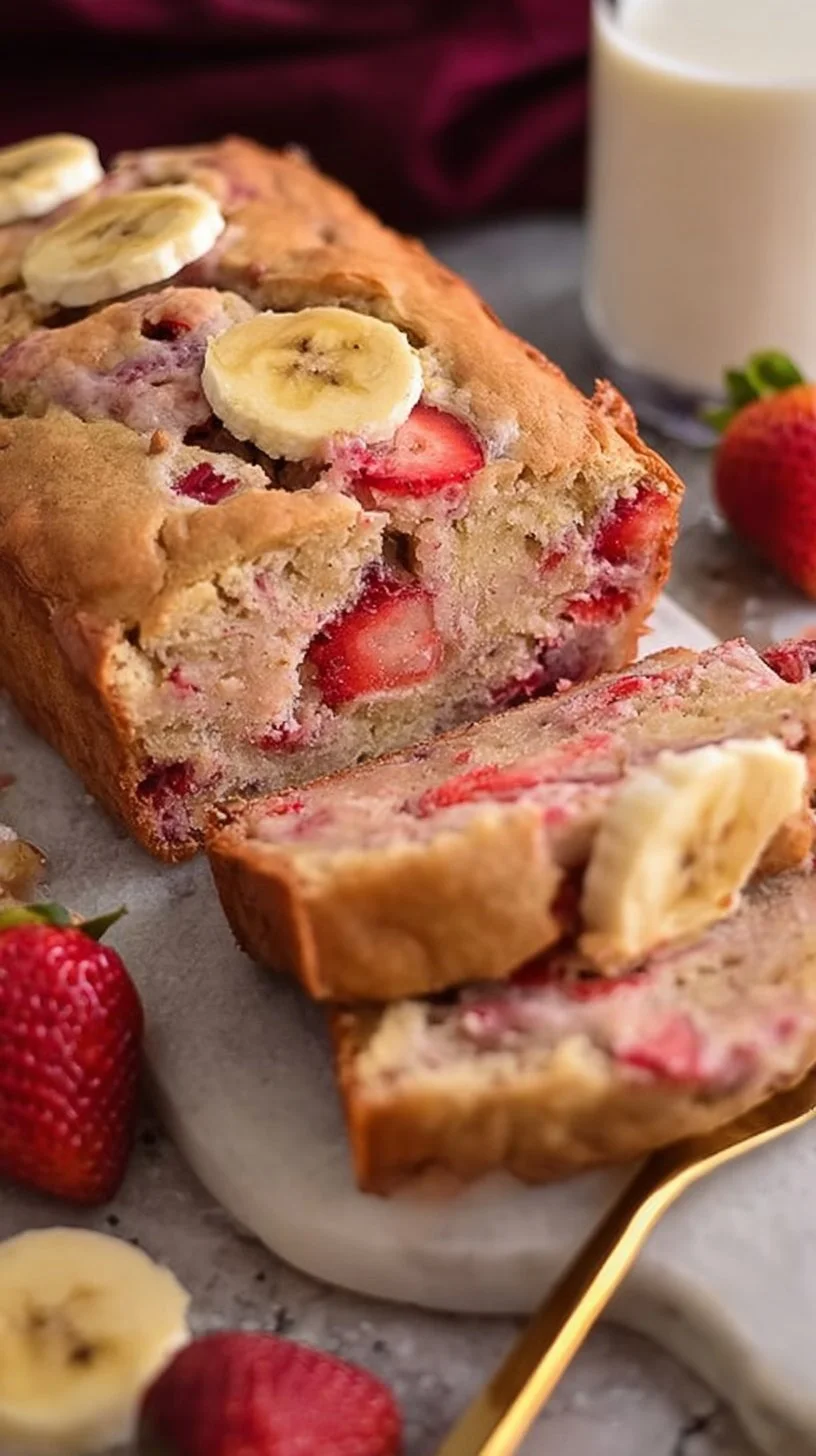
As a nutrition specialist, I value recipes that pair real-food ingredients with straightforward techniques to support digestion, steady energy, and long-term wellness. This Banana Strawberry Bread is a gentle, nutrient-forward take on familiar quick breads: ripe bananas for natural sweetness and moisture, fresh strawberries for vitamin C and phytochemicals, and yogurt for creaminess and a subtle protein boost. The recipe uses almond flour or a gluten-free flour option, which shifts the carbohydrate and protein balance and can reduce inflammatory triggers for people who find gluten problematic. If you’re curious about other ways to enjoy fruit-forward baked goods with a slightly different texture and flavour profile, I often point clients towards treats like chocolate-covered strawberry brownies that use fruit to brighten richer desserts without relying on refined sugar.
In this article I’ll explain why this version of Banana Strawberry Bread can fit into a balanced eating pattern, how each ingredient contributes to nutrition and digestion, and practical tips for making it reliably at home. The goal is to give you clear, evidence-based guidance — simple language, no hype — so you can enjoy a slice as part of a nourishing routine that supports energy, satiety, and gut comfort.
How this recipe supports overall wellness
This recipe supports overall wellness in several ways. First, it incorporates whole-food ingredients: bananas and strawberries deliver fiber, potassium, vitamins, and antioxidants. Almond or gluten-free flour tends to be lower in rapidly absorbed carbs and higher in healthy fats and protein compared with refined wheat flour, which can help moderate blood sugar rises after eating. The addition of yogurt contributes moisture and extra protein, which improves the balance of macronutrients and helps the bread feel more satisfying.
Fiber from fruit and whole flours supports digestion by adding bulk and feeding beneficial gut bacteria, which in turn helps regularity and may support immune function. The natural sweetness from bananas and the optional honey or maple syrup keeps added sugars minimal while still creating an enjoyable dessert or snack. Baking is also a gentle cooking method that preserves many nutrients while reducing potential gut irritants that can arise with deep-frying or heavy processing.
For people managing specific dietary needs — for example, those who prefer gluten-free options or are aiming to increase protein at breakfast — this recipe is adaptable without needing to compromise on taste. If you want another light, fruit-centered option with a slightly different structure, consider trying a small-batch fruit cake like the mini strawberry chocolate cakes that pair fruit and modest sweeteners in a compact serving.
How to make Banana Strawberry Bread
This section walks through the recipe with practical tips to help the bake be consistent and digestive-friendly. Use ripe bananas — the riper the banana, the easier they’ll mash and the sweeter they’ll taste without extra sugar. When choosing yogurt, a plain Greek-style yogurt adds protein and tang without excess added sugar. If you use alternative yogurts, choose unsweetened varieties to keep control over total sugars.
When combining wet and dry ingredients, mix gently until just combined to avoid a dense texture. Folding in strawberries at the end prevents them from breaking down too much, which preserves fresh flavor and prevents the batter from turning pink and watery. Monitor the bake time closely: oven temperatures vary, and a toothpick should come out clean or with a few moist crumbs but not raw batter.
For a slightly more stable crumb, let the loaf cool in the pan for 10–15 minutes, then remove to a wire rack. Cooling allows steam to escape and the structure to set, which can improve digestion by making the loaf easier to chew and break down for enzymes in the saliva and stomach. If you’re looking for a textural variation or a different fruit pairing, you might also enjoy the texture contrasts in recipes like viral banana bark, which showcases how bananas can be used in multiple formats.
Ingredients :
2 ripe bananas, 1 cup strawberries, chopped, 1 cup yogurt, 1/4 cup honey or maple syrup, 2 cups almond flour or gluten-free flour, 1 teaspoon baking soda, 1 teaspoon baking powder, 1/2 teaspoon salt, 1 teaspoon vanilla extract
Directions :
- Preheat your oven to 350°F (175°C) and grease a loaf pan.
- In a large bowl, mash the bananas.
- Mix in the yogurt, honey (or maple syrup), and vanilla extract until blended.
- In another bowl, combine the almond flour, baking soda, baking powder, and salt.
- Gradually add the dry ingredients to the wet mixture, stirring until just combined.
- Fold in the chopped strawberries.
- Pour the batter into the prepared loaf pan and smooth the top.
- Bake for 45-50 minutes, or until a toothpick comes out clean.
- Allow to cool before slicing and serving.
Nutrient roles of each main ingredient
Bananas: Provide digestible carbohydrates, potassium, vitamin B6, and pectin — a soluble fiber that can ease stool passage and support gut bacteria. As bananas ripen, some starch converts to sugars, increasing sweetness and decreasing resistant starch, which alters digestibility.
Strawberries: Low in energy density but rich in vitamin C, manganese, and flavonoids. Vitamin C supports iron absorption and acts as an antioxidant, while the fiber contributes to fullness and a slower glucose rise after eating.
Yogurt: Supplies protein and moisture. If live cultures are present, yogurt can contribute to the diversity of gut microbes, though baking reduces live probiotics; the protein and mineral content remain beneficial.
Honey or maple syrup: Concentrated sweeteners that add flavor and tenderness. Using the modest 1/4 cup helps keep added sugar in check while preserving desired texture.
Almond flour or gluten-free flour: Almond flour adds healthy monounsaturated fats, vitamin E, and protein, which support satiety and reduce post-meal hunger. Commercial gluten-free flour blends vary; choose varieties with whole-grain or legume-based flours for more fiber and protein.
Baking soda/powder and salt: Leavening agents and seasoning that affect texture and flavor. Using the correct amounts ensures a light crumb without excess sodium.
Vanilla extract: Adds a sensory dimension that enhances the perception of sweetness so you can use less added sugar.
Together, these ingredients create a loaf with a favorable macronutrient balance for a treat — moderate carbohydrates, healthy fats, and a boost of protein from yogurt and almond flour if used.
The preparation method & its health impact
Baking is a low-fat, low-additive method that preserves the structure and most micronutrients of ingredients compared with high-heat frying or extensive processing. Mash bananas act as a fat and sugar replacer, reducing the need for added oil or large amounts of refined sugar. Folding fruit in last helps retain texture and minimizes oxidation that can reduce vitamin C.
From a digestive perspective, the loaf’s moisture (from bananas and yogurt) and fiber content make it easier for enzymes and gut bacteria to act. Avoid overmixing to prevent a gummy texture that can be harder to chew and digest for some individuals. If you have sensitive digestion, try reducing portion size and pairing with a protein-rich topping — this helps slow gastric emptying and may reduce post-snack energy dips.
If you’re watching sodium or baking-soda intake for medical reasons, the amounts here are modest; still, small adjustments (for example, using 1/4 teaspoon salt) can be made without changing the recipe’s integrity, but do consult healthcare guidance for personalized restrictions.
Ways to lighten, enrich or modify the dish nutritionally
To increase protein: swap to a higher-protein yogurt (Greek-style) or fold in a tablespoon or two of unflavored protein powder — add a small splash of extra yogurt or water if the batter thickens.
To boost fiber: add 1–2 tablespoons of ground flaxseed or chia seeds; these also provide omega-3s and can improve texture. Alternatively, include a small handful of rolled oats if your chosen flour blend allows it.
To reduce added sugar: use the 1/4 cup honey/maple as written, or reduce to 2 tablespoons and select extra-ripe bananas to compensate for sweetness.
To increase healthy fats: use almond flour (as specified) and consider topping slices with a thin smear of nut butter for added satiety.
For nut-free or school-safe versions: choose a certified gluten-free oat flour in place of almond flour and ensure no cross-contamination, keeping in mind a slight change in texture and moisture.
To add vegetables stealthily: grate a small carrot or zucchini, squeeze excess moisture, and fold in with strawberries to raise phytonutrient and fiber content without drastically changing flavor.
None of these changes require altering the baking times drastically, but small texture differences may appear; watch the toothpick test as your guide.
Pairing ideas for a balanced, complete meal
When enjoying a slice as part of a meal, aim to include a source of protein and some healthy fat to promote steady energy and fullness. For example:
- A slice with a dollop of Greek yogurt and a handful of chopped almonds.
- Pair with a smoothie made from spinach, unsweetened yogurt, and a spoonful of nut butter for a green boost and extra protein.
- Serve alongside a small salad of mixed greens, citrus segments, and a vinaigrette for an elevated brunch.
If you want a sweeter pairing but still balanced, a spread of ricotta or cottage cheese with a sprinkle of cinnamon complements the loaf without adding excessive sugar. For ideas that combine fruit and chocolate in balanced portions, recipes like chocolate-covered strawberry brownies illustrate how to pair fruit with richer components more mindfully.
Safe storage, food safety & optimal reheating
Cool the loaf completely before wrapping or storing to avoid trapping steam, which can create sogginess and promote microbial growth. Store at room temperature, wrapped tightly, for up to 2 days. For longer storage, refrigerate for up to 5 days; the cold can firm the loaf and slightly alter texture. For best freshness beyond that, slice and freeze portions for up to 3 months — wrap individual slices in plastic and place in a sealed bag.
To reheat, gently toast slices or warm in a low oven (300°F / 150°C) for 8–10 minutes; avoid high heat which can dry the loaf. If reheating from frozen, allow to thaw in the refrigerator or at room temperature for a short while and then warm gently. When handling strawberries, always use clean utensils and wash fruit thoroughly before chopping to minimize contamination.
Common nutrition questions about this dish
Is this bread suitable for people managing blood sugar? Yes, compared with traditional quick breads that use refined flour and more sugar, this loaf — using almond or gluten-free flour, modest added sweetener, and protein from yogurt — will generally produce a gentler blood glucose response. Portion size and pairing with protein/fat still matter for overall control.
Will yogurt’s probiotics survive baking? Most live cultures do not survive baking temperatures. However, yogurt still contributes protein, calcium, and flavor. If you want probiotic benefits, enjoy a small serving of plain yogurt on the side.
Is almond flour significantly higher in calories? Almond flour is calorie-dense because of its fat content, but these are mostly heart-healthy monounsaturated fats. It also contributes protein and vitamin E, which supports nutrient density. Adjust portion size if energy intake is a concern.
Can I make this nut-free? Yes — choose a seed- or oat-based gluten-free flour that has similar absorbency, and expect minor texture changes. If replacing almond flour with oat flour, you may need a slightly firmer batter; watch baking time.
Final wellness notes
Treats like this Banana Strawberry Bread can be part of a health-supporting pattern when made with attention to nutrient balance, portion control, and enjoyable flavors. Emphasize whole-food ingredients, moderate added sugars, and mindful pairings to promote steady energy and digestive comfort. Small swaps — like adding a tablespoon of flaxseed or choosing a high-protein yogurt — can meaningfully boost nutrient density without changing the recipe’s core identity. Baking at home also gives you control over ingredient quality and sodium/sugar levels, which supports long-term eating habits that feel satisfying and sustainable.
Conclusion
For further inspiration and variations on strawberry-banana quick breads from trusted food writers, you might enjoy the recipe adaptation found at Strawberry Banana Bread | Love and Olive Oil which offers another perspective on fruit-forward loaves. If you’d like a reader-tested version with alternate techniques, the take on this classic at Strawberry Banana Bread | The Recipe Critic is a useful reference. For a simpler, streamlined approach to a similar bake, see Strawberry Banana Bread – Simple Joy which emphasizes ease and approachability in the kitchen.
Banana Strawberry Bread
Ingredients
Method
- Preheat your oven to 350°F (175°C) and grease a loaf pan.
- In a large bowl, mash the bananas.
- Mix in the yogurt, honey (or maple syrup), and vanilla extract until blended.
- In another bowl, combine the almond flour, baking soda, baking powder, and salt.
- Gradually add the dry ingredients to the wet mixture, stirring until just combined.
- Fold in the chopped strawberries.
- Pour the batter into the prepared loaf pan and smooth the top.
- Bake for 45-50 minutes, or until a toothpick comes out clean.
- Allow to cool before slicing and serving.