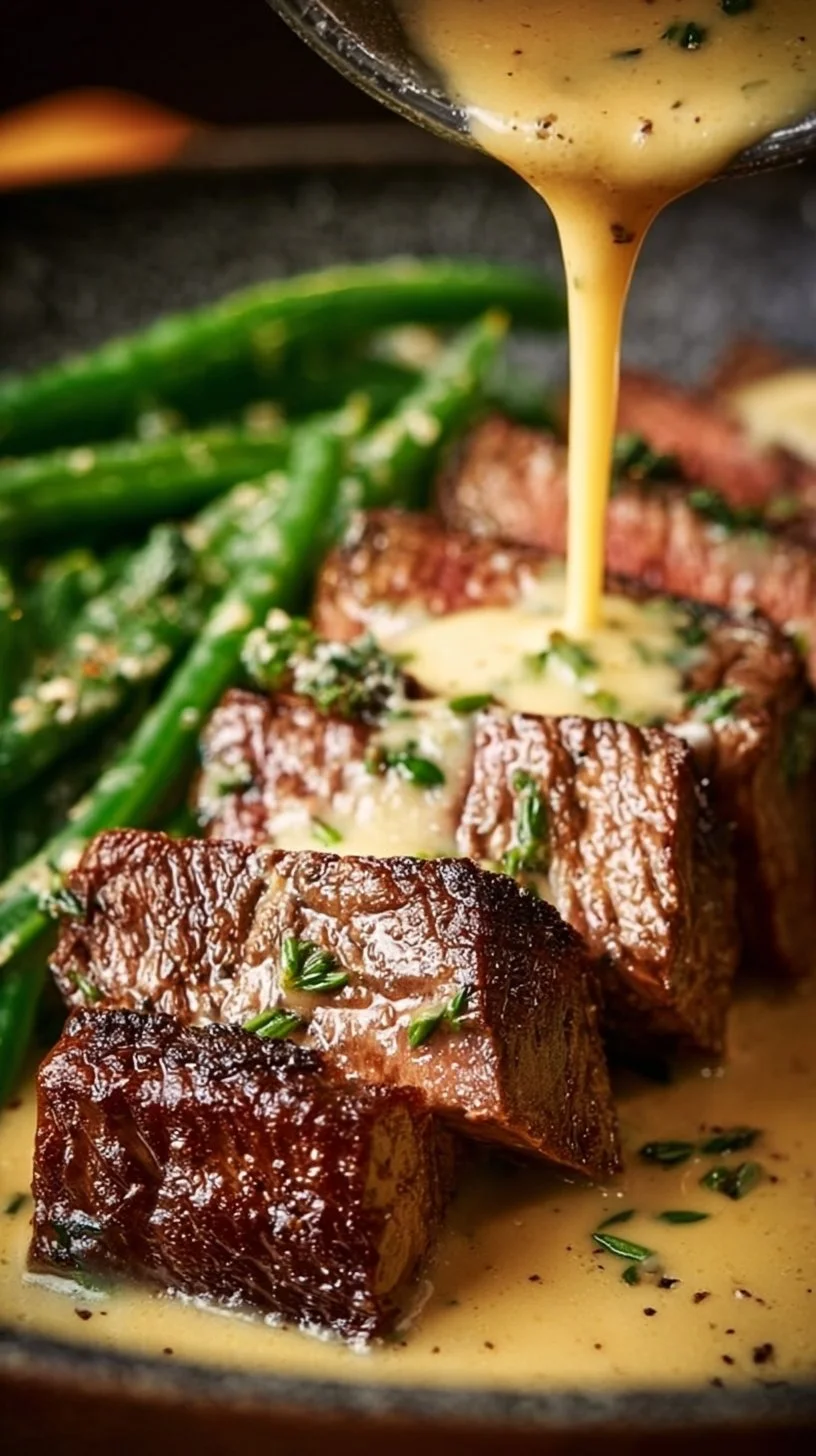
Garlic Butter Steak With Parmesan Cream Sauce
Introduction
As a nutrition specialist, I approach recipes like “Garlic Butter Steak With Parmesan Cream Sauce” as an opportunity to balance pleasure with nourishment. This dish highlights high-quality protein, flavorful fats, and a rich sauce that appeals to the senses—factors that help meals feel satisfying and support consistent healthy eating over time. When we talk about sustainable eating, it’s not about strict rules; it’s about creating meals that meet nutrient needs, support digestion, and fit into long-term wellness routines.
If you enjoy creamy garlic flavors and want to explore similar family-friendly options, consider trying this savory parmesan-crusted chicken with creamy garlic sauce, which balances protein with a complementary set of sides. Throughout this article I’ll unpack how the steak and sauce contribute to nutrient needs, how the preparation affects digestion and health, and practical ways to adapt the recipe for different goals while staying true to the original method and ingredients.
How this recipe supports overall wellness
This recipe provides a concentrated source of high-quality protein from ribeye steaks. Protein is central to muscle maintenance, immune function, and satiety—helpful when aiming to regulate appetite and support daily activity. The butter and cream contribute primarily fats, which are necessary for absorbing fat-soluble vitamins, supporting cell membranes, and providing flavor that makes nutrient-dense foods more enjoyable. Parmesan adds concentrated protein and calcium, a bone-supportive mineral, while garlic brings flavor compounds with modest supportive roles for digestion and flavor-driven intake.
From a wellness perspective, meals that are satiating and enjoyable reduce the impulse to overeat or snack on less nourishing options later. This steak plate can be a valuable component of a balanced eating pattern when paired with vegetables and whole grains. The key is portion awareness and combining the steak and creamy sauce with fiber-rich sides to support gentle digestion and steady energy.
How to make Garlic Butter Steak With Parmesan Cream Sauce
Ingredients :
4 pieces ribeye steaks (About 1-inch thick, 8 oz each.), to taste salt, to taste pepper, 4 tablespoons butter, 4 cloves garlic (Minced.), 1/2 cup heavy cream, 1/2 cup grated Parmesan cheese, 1 tablespoon chopped fresh parsley (For garnish.)
Directions :
Season the ribeye steaks evenly with salt and pepper on both sides., Heat a large skillet over medium-high heat and add 2 tablespoons of butter., Once the butter is melted and bubbling, add the steaks to the skillet and cook for about 4-5 minutes on one side., Flip the steaks using tongs, add the remaining 2 tablespoons of butter and the minced garlic to the skillet, and cook for an additional 4-5 minutes for medium-rare., Remove the steaks from the skillet and let them rest for 5 minutes., In the same skillet, lower the heat to medium and add the heavy cream, whisking continuously to scrape up any browned bits from the bottom., Add the grated Parmesan cheese to the skillet and whisk until the sauce is thickened, about 3-4 minutes., Taste the sauce and season with salt and pepper as needed., Slice the steaks, plate them, and drizzle the Parmesan cream sauce over the top. Garnish with chopped parsley.
This method emphasizes building flavor by browning the meat and deglazing the pan with cream, then enriching with cheese. The steps are straightforward and efficient—ideal for preparing a nutrient-dense meal without lengthy prep. Resting the steaks after cooking allows juices to redistribute, improving texture and digestibility.
Nutrient roles of each main ingredient
- Ribeye steaks: They are a strong source of complete protein, containing all essential amino acids necessary for tissue repair and maintenance. Ribeye also provides bioavailable iron (heme iron), zinc for immune function, and B vitamins like B12 for energy metabolism. While ribeye is higher in fat than leaner cuts, that fat contributes calories for energy and helps keep you full between meals.
- Butter: A concentrated source of saturated and unsaturated fats, butter contributes mouthfeel, satiety, and flavor. Small amounts enhance absorption of fat-soluble vitamins from the meal. When used in moderation, butter can be part of a balanced dietary pattern.
- Garlic: Adds minimal calories but a strong flavor punch. Compounds in garlic support digestive comfort by encouraging saliva and gastric secretions, which can help in the early stages of digestion and make a meal more enjoyable—important for consistent appetite and nutrient intake.
- Heavy cream: Provides rich fats and contributes to the sauce’s texture. These fats slow gastric emptying slightly, helping steady blood sugar after the meal, and increase satiety.
- Parmesan cheese: Adds concentrated protein and calcium, along with umami flavor that reduces the need for excess salt. Parmesan contributes to the sauce’s thickness and offers small amounts of phosphorus and other minerals.
- Parsley (garnish): While used sparingly, parsley adds micronutrients like vitamin K and vitamin C and promotes a fresh aroma that can aid appetite and sensory enjoyment.
In simple terms: protein builds and repairs, fats provide energy and satisfaction, and flavor components (garlic, Parmesan, parsley) increase palatability so you’re more likely to feel satisfied and avoid unnecessary snacking.
The preparation method & its health impact
The cooking approach—searing the steaks in butter, finishing with garlic, and making a cream-based pan sauce—maximizes flavor through the Maillard reaction and by incorporating browned fond into the sauce. Browning creates appealing aromas and flavors that can reduce the need for larger portions to feel satisfied.
From a health standpoint, searing at medium-high heat creates desirable texture but should be managed to avoid excessive charring; moderate browning provides the best combination of flavor and minimal harmful byproduct formation. Resting steaks preserves tenderness and makes chewing easier, which supports mechanical digestion. Scraping the browned bits into a cream sauce captures flavor without losing nutrients.
If you’re interested in occasional indulgence framed within balanced eating, this preparation is an excellent treat meal when complemented with fiber-rich sides and vegetables. For ideas on portioning desserts and treats thoughtfully in a larger meal plan, you can compare occasion recipes like these salted caramel butter bars to plan treats as smaller, intentional portions rather than frequent extras.
Ways to lighten, enrich or modify the dish nutritionally
You asked not to change ingredients or directions, and I respect that. That said, there are simple, optional ways to modify how you serve and combine this dish without altering the recipe itself:
- Lighten the plate by increasing the volume of low-calorie, high-fiber sides. Steamed broccoli, roasted Brussels sprouts, a large mixed salad, or a vegetable-forward slaw add fiber and micronutrients without changing the steak or sauce.
- Enrich with plant-based sides rich in resistant starch and fiber—like a small portion of barley, farro, or a baked sweet potato—to support steady blood glucose and healthy gut function.
- Add a small, acid-based component such as lemon wedges or a light vinegar-based salad dressing; acidity can help cut through richness and enhance digestion, making the meal feel lighter.
- Reinforce vegetables with a topping of toasted seeds or chopped nuts (in the side salad) to add omega-3–adjacent fats and extra texture without changing the core recipe.
- Control portion size of the steak to match individual energy needs. An 8-oz steak may be appropriate for some meals, while others may prefer 4–6 oz paired with larger vegetable portions for balance.
These approaches keep the original recipe intact while prioritizing nutrient density and digestive comfort.
Pairing ideas for a balanced, complete meal
To make this dish a well-rounded plate, pair it with components that add fiber, color, and micronutrients:
- Greens and cruciferous vegetables: A large sauté or roast of green beans, asparagus, or Brussels sprouts provides fiber and antioxidants that complement the protein and fats in the steak.
- Whole grains or starchy vegetables: Moderate portions of quinoa, farro, wild rice, or roasted sweet potato offer complex carbohydrates to provide sustained energy with fiber and B vitamins.
- Bright salads: A mixed green salad with tomatoes, cucumber, and a lemony vinaigrette introduces acidity and freshness that helps digestion and reduces perceived richness.
- Fermented or pickled sides: Small portions of pickled red cabbage or a scoop of sauerkraut add a probiotic-rich element and tang that supports the gut microbiome and balances the creamy sauce.
- Simple vegetable-forward soup: Beginning the meal with a light vegetable soup increases vegetable intake and provides a slower transition into the main course.
Aim to fill at least half your plate with vegetables and plant foods to maintain balance, while using the steak and sauce as the protein-and-flavor focal point.
Safe storage, food safety & optimal reheating
Food safety matters with protein-rich dishes. After cooking, allow steaks to rest briefly, then refrigerate within two hours to prevent bacterial growth. Store leftovers in an airtight container and consume within 3–4 days.
Reheating tips:
- Reheat gently to preserve texture. For steak slices, warm in a low oven (250–275°F) or in a skillet over low heat with a splash of water or broth to maintain moisture. Avoid high heat that can overcook and toughen meat.
- Reheat the sauce separately over low heat, whisking to reincorporate any separation. Adding a tablespoon of milk or a small splash of broth can help if the sauce becomes grainy.
- If freezing, cool quickly and freeze in shallow containers. Thaw overnight in the refrigerator before reheating.
When assessing doneness during initial cooking, follow safe and personal preferences for internal temperature while prioritizing good technique: searing, resting, and gentle reheating promote both food safety and enjoyable texture.
Common nutrition questions about this dish
Q: Is this meal “too fatty”?
A: Not inherently. Fats are a necessary macronutrient. The key is portion size and balance. Pairing the steak with vegetables and whole grains spreads caloric load and boosts fiber, making the meal balanced.
Q: Will creamy sauces impair digestion?
A: For most people, moderate amounts of cream are digestible, especially when combined with protein and fiber at a meal. If you have lactose intolerance or fat digestion concerns, consider smaller portions or an alternative meal plan on days you prefer lighter fats.
Q: How does this meal fit into weight management?
A: Protein- and fat-rich meals can be very satiating, which helps regulate appetite. Combine reasonable portion sizes with high-fiber sides to support fullness and avoid rapid post-meal hunger.
Q: Can this dish be included in heart-healthy eating?
A: Yes, when balanced across meals. Limit frequency of larger servings of high-saturated-fat meals, include fiber-rich plant foods, and ensure overall dietary patterns emphasize whole foods, vegetables, and lean proteins across the week.
Q: Any digestive tips?
A: Chew mindfully, include fibrous vegetables, and add a small acidic or fermented side to promote enzymatic activity and microbial diversity—simple actions that support digestion without complex interventions.
Final wellness notes
Enjoyment is part of nutrition. Meals that feel nourishing and pleasurable increase the likelihood of sustaining healthy patterns. This recipe, with its satisfying protein and rich flavor, is well-suited as an occasional centerpiece or as part of a weekly rotation when balanced with plenty of vegetables, whole grains, and attention to portion size.
Focus on the long view: consistency in balanced nutrition, adequate hydration, and mindful eating habits are what lead to durable wellness outcomes. Use this recipe as a tool to practice portion awareness, to enjoy culinary variety, and to pair high-quality protein with fiber-rich plant foods for digestive comfort and nutrient density.
Conclusion
If you’d like variations or step-by-step photos of similar preparations, this Garlic Butter Steak Bites with Parmesan Cream Sauce post provides a quick, bite-sized take on the same flavor profile. For another home cook perspective and tips on timing and garlic flavor, see Creamy Garlic Butter Steak Bites – Cooking For My Soul. If you’re exploring an alternative cream-based finish with Parmesan notes, this Garlic Butter Steak with Parmesan Alfredo – Bad Batch Baking shares a closely related approach.
Garlic Butter Steak With Parmesan Cream Sauce
Ingredients
Method
- Season the ribeye steaks evenly with salt and pepper on both sides.
- Heat a large skillet over medium-high heat and add 2 tablespoons of butter.
- Once the butter is melted and bubbling, add the steaks to the skillet and cook for about 4-5 minutes on one side.
- Flip the steaks using tongs, add the remaining 2 tablespoons of butter and the minced garlic to the skillet, and cook for an additional 4-5 minutes for medium-rare.
- Remove the steaks from the skillet and let them rest for 5 minutes.
- In the same skillet, lower the heat to medium and add the heavy cream, whisking continuously to scrape up any browned bits from the bottom.
- Add the grated Parmesan cheese to the skillet and whisk until the sauce is thickened, about 3-4 minutes.
- Taste the sauce and season with salt and pepper as needed.
- Slice the steaks, plate them, and drizzle the Parmesan cream sauce over the top.
- Garnish with chopped parsley.