Garlic Parmesan Roasted Shrimp
Introduction
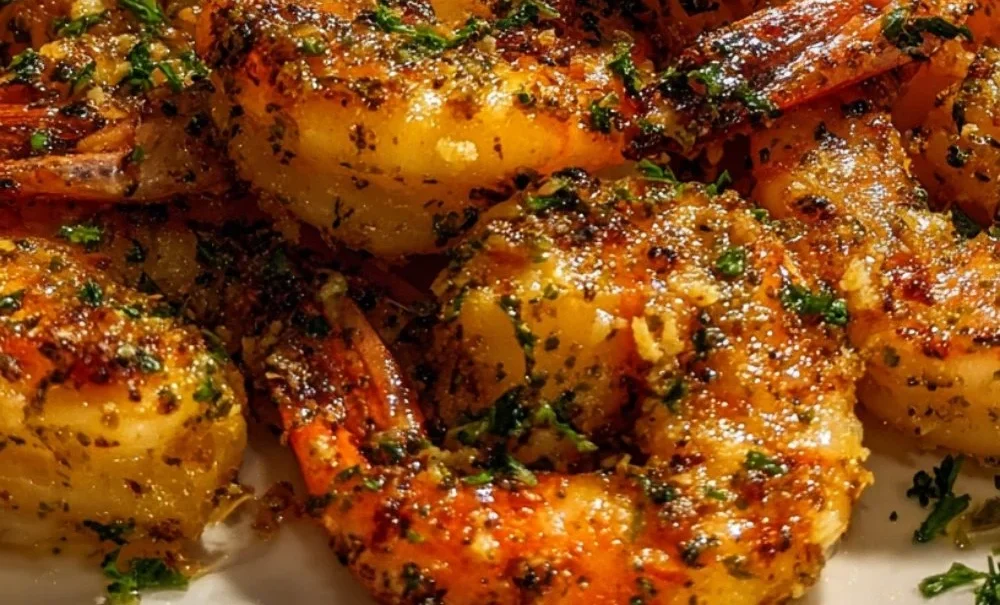
Garlic Parmesan Roasted Shrimp is an exercise in controlled heat, precise seasoning, and textural contrast. The recipe is economical in technique yet deliberate in execution: high heat for rapid protein coagulation, direct cheese contact for caramelization, and a minimal, acid-driven finish to cut through fat. This dish demonstrates foundational principles of professional seafood cookery—protect delicate muscle fibers from overcooking, build flavor through Maillard reaction and aromatics, and finish with acid and herbaceous brightness to balance richness. Expect firm, springy shrimp with a crisp, golden Parmesan crust and the bright lift of lemon and parsley. The method rewards attention to sequencing and small technical decisions that determine the final mouthfeel and aroma.
The culinary logic behind this dish
Roasting shrimp at 400°F (200°C) exploits dry high heat to trigger rapid protein coagulation while encouraging surface browning without prolonged exposure. Parmesan contributes both fat and proteins that brown readily, producing the nutty, toasted notes characteristic of a gratin-like finish. Garlic provides sulfurous aromatics that bloom in hot oil but will bitter if burned; dispersing it in oil and butter moderates direct contact with extreme heat. Lemon juice provides acidity to balance the dairy and lipid, brightening perceived saltiness and enhancing aroma volatility. Paprika adds mild smoke and color without altering texture. The single-layer arrangement maximizes even heat exposure and prevents steaming, crucial for a clean, roasted exterior.
How to make Garlic Parmesan Roasted Shrimp
This section contains the exact ingredient list and directional steps as provided. Recreate them precisely; the narrative sections that follow explain the rationale and technique behind each instruction.
Ingredients :
1 pound large shrimp, peeled and deveined, 1/2 cup Parmesan cheese, finely grated, 3 cloves garlic, minced, 2 tablespoons olive oil, 2 tablespoons butter, melted, 1 tablespoon lemon juice, 1/2 teaspoon paprika, 1/2 teaspoon salt, 1/4 teaspoon black pepper, 2 tablespoons fresh parsley, chopped
Directions :
Preheat your oven to 400°F (200°C). Line a baking sheet with foil or parchment paper., In a large bowl, combine shrimp, Parmesan, garlic, olive oil, melted butter, lemon juice, paprika, salt, and pepper., Spread the shrimp in a single layer on the prepared baking sheet., Roast for 8 to 10 minutes or until the shrimp are pink and the cheese is golden., Sprinkle with fresh parsley and serve immediately.
Ingredient analysis through a chef’s lens
Shrimp: Large shrimp provide a predictable cook window—enough thickness for a brief roast without overexposure. Peeled and deveined shrimp allow even seasoning contact and clean plating. Fat: The combination of olive oil and melted butter balances flavor and smoke point; olive oil contributes fruity, lipid-soluble aromatics while butter adds dairy notes and promotes browning through milk solids. Cheese: Finely grated Parmesan distributes evenly and melts quickly, creating a thin crust that crisps rather than puddles. Garlic: Minced garlic integrates aroma but must be suspended in fat to prevent scorching. Lemon juice: A finishing acid that brightens and stabilizes flavor. Salt and pepper: Basic seasoning to enhance natural shrimp sweetness; pepper adds a mild heat that complements paprika. Parsley: Freshness and herbaceous aroma for balance.
Kitchen workflow & technique breakdown
Organization and timing determine success. Start by preheating the oven so you have immediate access to consistent heat—a cold oven will extend exposure time and risk uneven texture. Line the sheet for ease of transfer and cleanup; use foil for higher radiant browning, or parchment if you prefer less direct metal contact (parchment will slightly reduce direct crisping). Combine shrimp and seasonings in a bowl to guarantee uniform coating; do not overcrowd the pan—single-layer placement keeps shrimp from evaporative steaming and maintains a dry surface for cheese browning. Use a shallow bowl for tossing so the cheese adheres and is not compacted into clumps. Position the baking sheet in the center of the oven for even top and bottom heat; if your oven runs hot on top, move the rack one position down to prevent premature scorching of the cheese.
Texture control, heat management & timing
Shrimp cook quickly; the specified 8–10 minutes is a guideline contingent on shrimp size and oven variability. The objective is an opaque interior with a slight spring—overcooking produces a dry, fibrous texture. High heat ensures the exterior sets quickly and the Parmesan forms a crisp, golden layer without requiring long cook time. Watch for visual cues: shrimp should turn uniformly pink and curl into a loose C-shape; a tight O-shaped curl indicates overcooking. The cheese should be golden rather than brown-black; remove the tray at the first sign of even golden color to avoid bitterness. If your oven browns unevenly, use a brief 1–2 minute broil at the end to finish coloration, but monitor constantly to prevent burning.
Professional variations
While the recipe’s components remain fixed, technique adjustments can elevate outcomes for different service contexts. For high-volume service, par-cook shrimp in a hot skillet for 30–45 seconds per side to set exterior, then finish under the broiler with Parmesan for immediate plating. For composed dishes, toss roasted shrimp with a light pan sauce made from reserved butter and lemon juice—briefly reduce to emulsify and coat. To introduce texture contrast, finish with a sprinkle of toasted bread crumbs or hazelnuts for crunch, applied post-roast to preserve their crispness. For a more pronounced aromatic profile, gently infuse the olive oil with garlic and a bay leaf over low heat before combining; strain and use the flavoured oil to prevent any raw garlic bite.
Finishing touches & plating philosophy
Finish with a restrained flourish—two tablespoons of chopped parsley provide aromatic lift, visual contrast, and a cooling herbaceous bite. Apply lemon juice either in the initial toss, as the recipe specifies, or as a finishing squeeze for sharper acidity; the initial inclusion helps flavor penetrate while finishing lemon sharpens the top note. Plate on warmed dishes to maintain temperature; arrange shrimp in a single layer or slightly overlapping to showcase the golden Parmesan caps. For composed plates, place shrimp over a starch—polenta, roasted vegetables, or thin pasta—so that the residual buttery juices are absorbed and yield a cohesive bite. A small drizzle of extra virgin olive oil at service time can enhance sheen and mouthfeel.
Maintaining quality after cooking
Seafood declines rapidly with time because of moisture loss and protein contraction. To preserve texture, serve immediately. If holding for short service periods (10–15 minutes), keep shrimp on a warm plate in a low oven (under 200°F/95°C) but avoid prolonged heat that will overcook. For longer holding, cool rapidly and refrigerate in an airtight container; reheat briefly under a medium broiler or in a hot skillet for 30–60 seconds per side—avoid microwave reheating, which ruins texture. Note that Parmesan crisp will soften upon standing; if you need to prepare ahead, roast shrimp without the cheese, then finish under the broiler with freshly grated Parmesan for service.
Questions from home cooks (chef answers)
Q: How do I prevent garlic from burning? A: Disperse minced garlic in the fat (olive oil and melted butter) so heat is buffered and contact is moderated. Short roasting time combined with the fat’s heat diffusion prevents direct scorching. Q: My cheese melted into a puddle—why? A: Use finely grated Parmesan and ensure the shrimp surface is dry before tossing. Moisture causes the cheese to clump and melt into a film rather than forming a crisp layer. Q: Can I use pre-cooked shrimp? A: Pre-cooked shrimp will only require reheating and will become rubbery if exposed to high heat; start with raw shrimp for texture integrity. Q: How do I know when shrimp is done? A: Look for an opaque flesh, pink color, and a gentle rebound to touch; internal temperature around 120–125°F (49–52°C) will deliver optimal tenderness. Q: Is it necessary to add lemon before roasting? A: Lemon in the initial toss provides integration of acid, but consider finishing with a fresh squeeze if you want a brighter top note.
Final chef notes
Precision in small details—drying the shrimp, uniform grating of Parmesan, even pan spacing, and vigilant timing—creates distinction between adequate and excellent results. The science is straightforward: rapid, dry heat sets proteins and browns surface sugars and proteins; distributed fat carries aromatics and encourages Maillard reaction in the cheese; acid and herbs complete the flavor matrix. Respect the brief cooking window and prioritize visual signals over strict time when oven characteristics differ. This recipe is a practical template for mastering quick, high-heat seafood techniques that translate well across proteins and preparations.
Conclusion
For a well-tested home-kitchen comparison and variations on similar methods, consult Garlic Parmesan Roasted Shrimp – Pineapple House Rules to study alternative finishing touches and presentation ideas. For additional procedural notes and reader-tested troubleshooting, see the Garlic Parmesan Baked Shrimp Recipe – Allrecipes entry, which offers a practical complement to the techniques explained here.
Garlic Parmesan Roasted Shrimp
Ingredients
Method
- Preheat your oven to 400°F (200°C). Line a baking sheet with foil or parchment paper.
- In a large bowl, combine shrimp, Parmesan, garlic, olive oil, melted butter, lemon juice, paprika, salt, and pepper.
- Spread the shrimp in a single layer on the prepared baking sheet.
- Roast for 8 to 10 minutes or until the shrimp are pink and the cheese is golden.
- Sprinkle with fresh parsley and serve immediately.