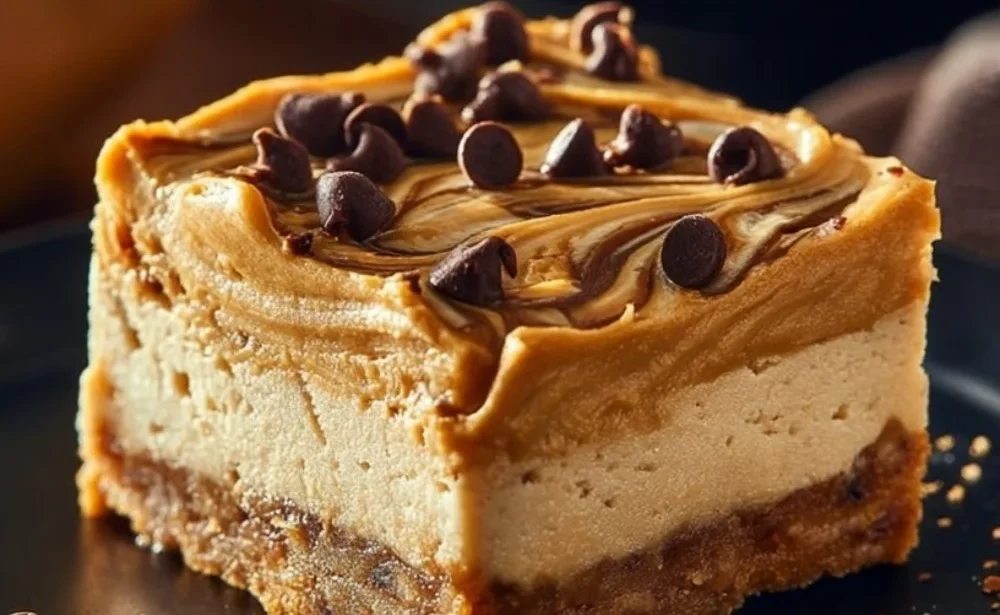
No Bake Peanut Butter Cheesecake Bars: A Delectable Delight for Peanut Butter Lovers
Introduction
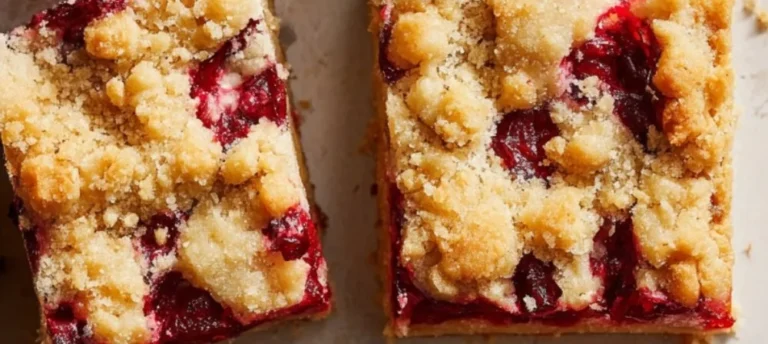
As a nutrition specialist, I approach desserts like No Bake Peanut Butter Cheesecake Bars: A Delectable Delight for Peanut Butter Lovers with a focus on balance, digestion, and long-term wellness. Sweets can be part of a healthful pattern when we consider portion size, nutrient density, and how a treat fits into our day. This recipe is rich in flavor and familiar textures — crunchy crust, creamy filling, and optional chocolate drizzle — which makes it satisfying for many people. If you enjoy other no-bake treats with layered textures and approachable techniques, you may also appreciate the texture combinations found in chocolate-covered cherry magic bars, which use a similar no-bake comfort approach.
In this article I’ll outline how this dish can support overall wellness, step-by-step preparation insights, the nutritional roles of each main ingredient, and practical ways to tweak the bars to better match individual goals like improving nutrient density or managing energy intake. My goal is to provide clear, evidence-informed guidance — simple explanations about digestion and nutrition, calm practical advice, and food-safety tips you can use at home.
How this recipe supports overall wellness
No-bake desserts like these peanut butter cheesecake bars can support wellness when consumed thoughtfully and combined with balanced meals. The bars deliver concentrated energy from fats and sugars, which can be useful in small portions to satisfy cravings and prevent overconsumption of other foods later. Peanut butter contributes plant-based protein and monounsaturated fats, which help with satiety and slow gastric emptying — this means the digestive system releases energy into the bloodstream more steadily, which can help stabilize appetite between meals.
The inclusion of dairy (cream cheese and heavy cream) provides calcium and some bioavailable protein; however, these ingredients are also higher in saturated fat, so portion control is an effective strategy for enjoying the flavor without shifting daily saturated-fat targets. The graham-cracker crust supplies refined carbohydrates that are rapidly digested, making pairing the bars with a source of protein or fiber beneficial to blunt post-meal glucose spikes. A small serving alongside fresh fruit or a plain yogurt can add fiber, vitamins, and more protein, balancing the snack into a more nutrient-dense mini-meal. For more inspiration on no-bake layered treats that balance textures and flavors, consider the ideas in no-bake rocky road bars.
When managing digestion, listen to how your body responds. If rich dairy or concentrated sweets cause digestive discomfort, reducing portion size or choosing lower-fat dairy and limiting added sugars can help. Overall, these bars are best viewed as an occasional, enjoyable component of a varied diet rather than a staple replacement for whole-food meals.
How to make No Bake Peanut Butter Cheesecake Bars: A Delectable Delight for Peanut Butter Lovers
This recipe is straightforward and refrigerator-set, so it’s accessible even for cooks who prefer minimal equipment. The no-bake approach means the structure relies on cooling and solidifying in the fridge rather than oven time, which reduces cooking complexity and helps preserve the silky texture of the filling. Follow the exact directions as written below to get the intended texture and balance.
Ingredients :
1½ cups graham-cracker crumbs, ¼ cup unsalted butter, melted, 2 tablespoons granulated sugar, 8 oz cream cheese, softened, ½ cup creamy peanut butter, ¼ cup honey, ¼ cup heavy cream, 1 teaspoon vanilla extract, ¼ teaspoon sea-salt, 2 tablespoons dark chocolate, melted (optional), Pinch of flaky sea-salt (optional)
Directions :
In a medium bowl combine the graham‑cracker crumbs, melted butter, and granulated sugar. Stir until the mixture resembles wet sand, then press it firmly into the bottom of an 8×8‑inch square pan to form an even layer., In a large bowl beat the softened cream cheese on low speed for about 30 seconds until smooth. Add the creamy peanut butter and mix on medium for 1 minute until glossy. Drizzle in the honey and slowly pour the heavy cream while mixing, then stir in the vanilla extract and sea‑salt until just combined., Spread the peanut‑butter filling over the prepared crust, smoothing the top with a spatula. If using the optional topping, drizzle the melted dark chocolate over the surface and sprinkle with a pinch of flaky sea‑salt., Cover the pan with plastic wrap and refrigerate for at least 45 minutes, or until the bars are firm enough to cut cleanly. Cut into 12 bars, store in an airtight container, and enjoy.
Nutrient roles of each main ingredient
- Graham-cracker crumbs: Mostly carbohydrate from refined flour and sugar; they provide the crunchy foundation but limited fiber and micronutrients. Combining them with protein- and fat-containing layers helps moderate blood sugar responses.
- Unsalted butter: Delivers fat that helps bind the crust and carry flavor. Butter is high in saturated fat, so it contributes to the richness but should be used with awareness of overall saturated-fat intake.
- Granulated sugar: Adds sweetness and contributes to texture. Sugar is rapidly digestible energy; keeping it moderate across recipes and servings helps maintain steady energy balance.
- Cream cheese: Provides creamy texture, dairy protein, and calcium. Its higher fat content creates a smooth, satisfying mouthfeel that supports satiety for many people.
- Creamy peanut butter: An important source of plant-based protein, healthy monounsaturated fats, and micronutrients like niacin, magnesium, and vitamin E. Peanut butter slows digestion and increases satiety, which can reduce the urge to over-snack.
- Honey: A natural sweetener with trace micronutrients. It adds flavor depth and viscosity, helping the filling set. Honey contributes simple sugars and should be accounted for in total added-sugar goals.
- Heavy cream: Adds richness and stabilizes the texture; contributes fat and calories more than protein or micronutrients. Small amounts provide creaminess without changing the no-bake structure.
- Vanilla extract and sea salt: Flavor enhancers that elevate the perception of sweetness and balance. Salt in small amounts enhances flavor without significantly affecting overall sodium unless added in excess.
- Dark chocolate (optional): Offers antioxidants and a pleasant bitter contrast to sweetness. Use a modest drizzle to gain flavor without a large increase in sugar or calories. A pinch of flaky sea salt on top can intensify flavor and increase satisfaction with a smaller portion.
The preparation method & its health impact
No-bake refrigeration is a low-heat approach that minimizes changes to fat structure and preserves the creamy texture of dairy and nut ingredients. From a health perspective, the method conserves nutrients that can be sensitive to heat (minor vitamins) and keeps the texture that promotes sensory satisfaction, which can help with portion control — people often eat less of a dessert that feels rich and satisfying.
Because this method relies on chilling to set the filling, controlling the consistency depends on ingredient temperature (e.g., softened cream cheese mixes more smoothly) and accurate chilling time. Overly soft filling can lead to larger portions or messy slices, which may encourage overeating; firm bars that cut cleanly support reasonable portion sizes and easier storage. The optional melted chocolate should be used sparingly; a thin drizzle provides sensory contrast without adding a large amount of sugar or fat.
The no-bake approach also reduces the production of potentially oxidized fats that can occur with high-heat cooking; however, because the recipe is still relatively high in total fat, consider this dessert within the context of your overall dietary pattern.
Ways to lighten, enrich or modify the dish nutritionally
While the instructions prohibit changing ingredient amounts in the written recipe above, here are evidence-based, practical ideas to adapt similar desserts or when you recreate variations in the future:
- Portion control: Cut into smaller pieces (e.g., 16 instead of 12) to reduce per-serving calorie content immediately without altering the recipe.
- Boost fiber: Serve a single bar with a side of mixed berries or a small bowl of sliced apples to increase fiber and add micronutrients that support digestion and glycemic balance.
- Increase protein: Pair the dessert with a plain Greek yogurt or a glass of low-fat milk to create a more balanced snack with additional protein.
- Lower saturated fat in similar recipes: When recreating, you can experiment with partial substitutions (e.g., lower-fat cream cheese options) to reduce saturated fat, but be aware this can affect texture.
- Flavor without sugar: Use high-quality vanilla and a small sprinkle of sea salt or cinnamon to enhance perceived sweetness and flavor complexity, which can allow smaller portions to be more satisfying.
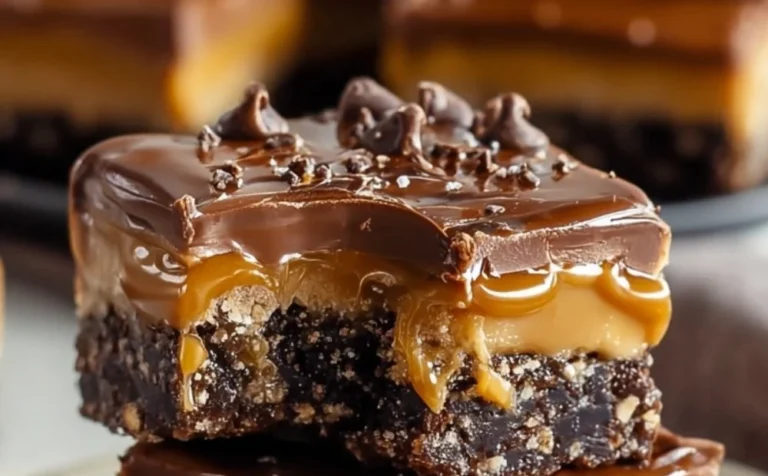
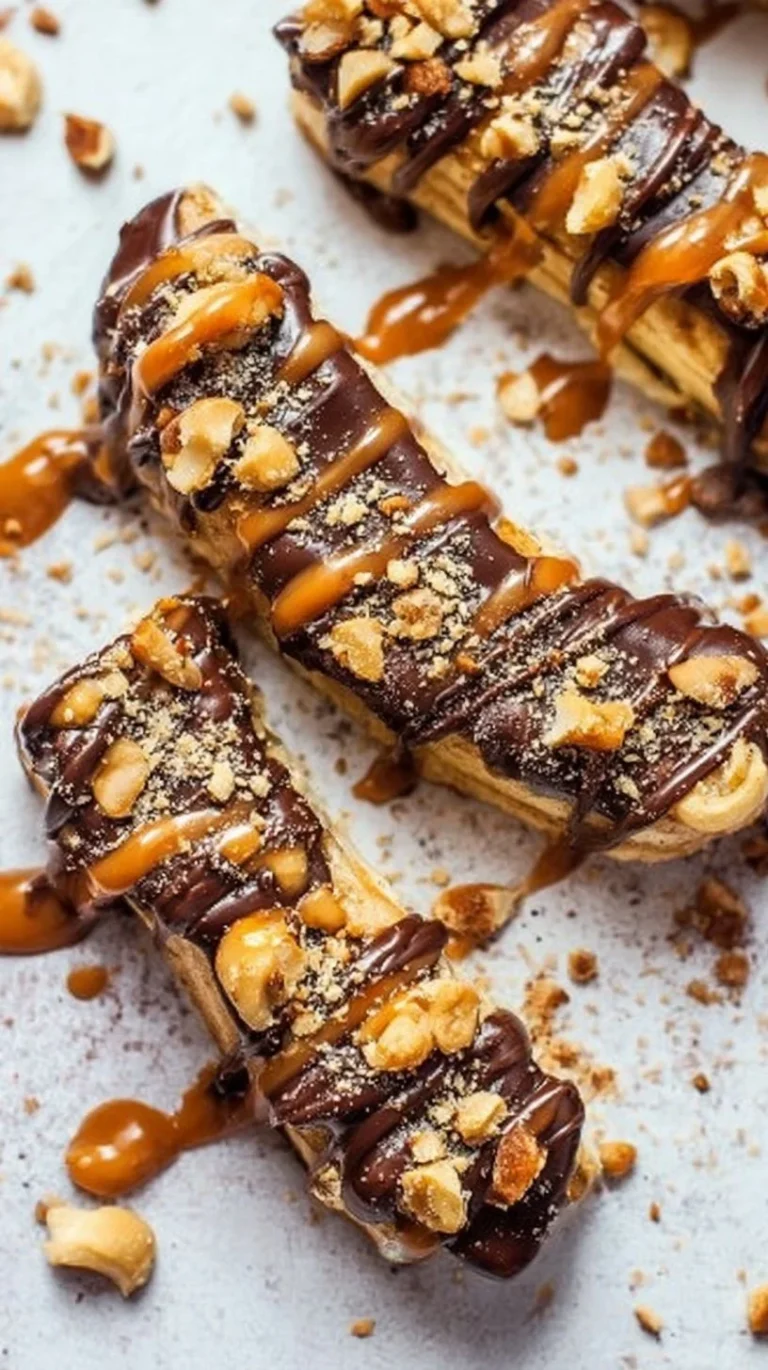
For creative parallels using caramel or other textures, see how other bars approach flavor and structure at salted caramel butter bars.
Pairing ideas for a balanced, complete meal
Transforming a dessert into a balanced mini-meal is simple: combine the bar with nutrient-dense, lower-calorie companions. Consider:
- Fresh fruit: Berries or sliced pear add fiber, vitamin C, and antioxidants, which help round out the dessert and support digestion.
- A small serving of plain Greek yogurt: Adds protein and probiotics (if live cultures are present), supporting satiety and gut health.
- A handful of raw vegetables or a small salad beforehand: Vegetables add volume and fiber, encouraging a smaller dessert portion while contributing micronutrients.
- Beverage pairing: Opt for water, herbal tea, or an unsweetened beverage to avoid extra sugars that can compound the dessert’s sweetness.
These pairings help stabilize blood sugar and provide a broader range of nutrients than the dessert alone.
Safe storage, food safety & optimal reheating
Because this is a refrigerator-set, dairy- and nut-based dessert, proper storage is essential. Once chilled and cut, store bars in an airtight container in the refrigerator. They will keep well for 3–5 days, depending on refrigerator conditions and ingredient freshness. Avoid leaving bars at room temperature for extended periods (over two hours) to reduce risk of bacterial growth from the cream and heavy cream.
If you need to store them longer, freeze individual bars on a baking sheet until solid, then transfer to a freezer-safe container with parchment paper between layers; frozen bars can be kept for up to 1–2 months. Thaw in the refrigerator overnight to preserve texture. Reheating is typically unnecessary; if you prefer a softer texture, let the bar sit at room temperature for 10–20 minutes before serving. Always follow safe food-handling practices: use clean utensils, avoid cross-contamination, and discard bars that develop off-odors, colors, or textures.
For questions about broader kitchen procedures and the creators behind recipe sources, consult the informative about pages like about for practical background.
Common nutrition questions about this dish
- Is this recipe “too sweet” or “unhealthy”? Not necessarily. It’s calorie-dense and contains added sugars and saturated fats, so it’s best consumed in measured portions within a balanced diet. Small servings can provide pleasure and satiety without disrupting nutritional goals.
- How will this affect digestion? The combination of fats and proteins from peanut butter and cream cheese slows gastric emptying, which can reduce rapid blood-sugar fluctuations and prolong satiety. If you have lactose intolerance, consider that cream cheese and heavy cream contain lactose; symptoms vary by individual.
- Can people with nut allergies eat a similar dessert? This particular recipe uses peanut butter and is not safe for individuals with peanut allergies. For alternative nut-free versions, choose seed-based spreads or other appropriate substitutions, following guidance from an allergist or dietitian.
- How should I fit treats like this into a weight-management plan? Focus on portion control, mindful eating, and pairing with nutrient-dense foods. Enjoying a small bar occasionally is compatible with long-term weight-management when balanced with overall energy needs and physical activity.
- Are there benefits to the dark chocolate topping? Dark chocolate in small amounts can add antioxidants and a flavor contrast that increases satisfaction, potentially allowing you to enjoy a smaller portion. Choose a high-percentage dark chocolate and use sparingly.
If you want more ideas for no-bake peanut-butter-forward bars and how they can fit into different eating occasions, review inspirations like no-bake rocky road bars which explore similar themes.
Final wellness notes
Desserts like No Bake Peanut Butter Cheesecake Bars can be a nourishing part of life when you approach them with balance and intention. Focus on portion size, pair the bar with fiber- and protein-rich foods when you want a more complete snack, and pay attention to how the ingredients affect your digestion and energy. Small adjustments to eating context — enjoying a bar after a meal or alongside fresh fruit — can make a meaningful difference in how satisfying and healthful the experience feels.
Remember that occasional enjoyment of richly flavored foods supports psychological well-being, which is an important component of long-term health. Aim for consistent daily patterns that prioritize whole foods, sufficient protein, fiber, and hydration, and allow room for treats that bring pleasure. If you have specific medical conditions, food allergies, or dietary goals, a registered dietitian can provide personalized guidance tailored to your needs.
Conclusion
If you want a variation with a chocolate-peanut profile similar to this cheesecake bar, check this chocolate and peanut butter no-bake cheesecake recipe for comparative technique and layering ideas: Chocolate Peanut Butter No-Bake Cheesecake Bars – Your Cup of …. For another no-bake cheesecake-bar idea that uses an Oreo-style crust and a creamy filling, see this approachable guide: No Bake OREO Cheesecake Bars. If you’re exploring pretzel-salty textures paired with peanut butter in a no-bake format, this recipe collection offers a popular, crunchy take: The BEST No Bake Peanut Butter Bars with Pretzels – The Speckled …. For additional inspiration pairing chocolate and peanut butter across many dessert formats, this curated list is helpful: 42 Chocolate Peanut Butter Dessert Recipes. And if you enjoy the visual contrast of chocolate drizzles with peanut butter cheesecake, this no-bake chocolate peanut butter cheesecake tutorial is a useful comparison: Chocolate Peanut Butter Cheesecake Bars – EASY, No-Bake Recipe!.
No Bake Peanut Butter Cheesecake Bars
Ingredients
Method
- In a medium bowl, combine the graham-cracker crumbs, melted butter, and granulated sugar. Stir until the mixture resembles wet sand.
- Press the mixture firmly into the bottom of an 8x8-inch square pan to form an even layer.
- In a large bowl, beat the softened cream cheese on low speed for about 30 seconds until smooth.
- Add the creamy peanut butter and mix on medium for 1 minute until glossy.
- Drizzle in the honey and slowly pour the heavy cream while mixing.
- Stir in the vanilla extract and sea salt until just combined.
- Spread the peanut-butter filling over the prepared crust, smoothing the top with a spatula.
- If using the optional topping, drizzle the melted dark chocolate over the surface and sprinkle with a pinch of flaky sea salt.
- Cover the pan with plastic wrap and refrigerate for at least 45 minutes, or until the bars are firm enough to cut cleanly.
- Cut into 12 bars, store in an airtight container, and enjoy.