Low-Carb Chicken & Veggie Skillet
Introduction
In professional kitchens, simplicity is never accidental. A dish that appears straightforward—clean protein, vibrant vegetables, restrained seasoning—demands discipline, timing, and respect for ingredients. This Low-Carb Chicken & Veggie Skillet is precisely that kind of recipe. It is not designed to impress through excess, but through balance, clarity, and execution.
As a chef, I often say that weeknight cooking should still feel intentional. Even when time is limited, flavor does not need to be compromised, and nutrition should never feel punitive. This dish delivers lean protein, natural vegetable sweetness, and aromatic herbs in a single pan, allowing technique—not complication—to do the work.
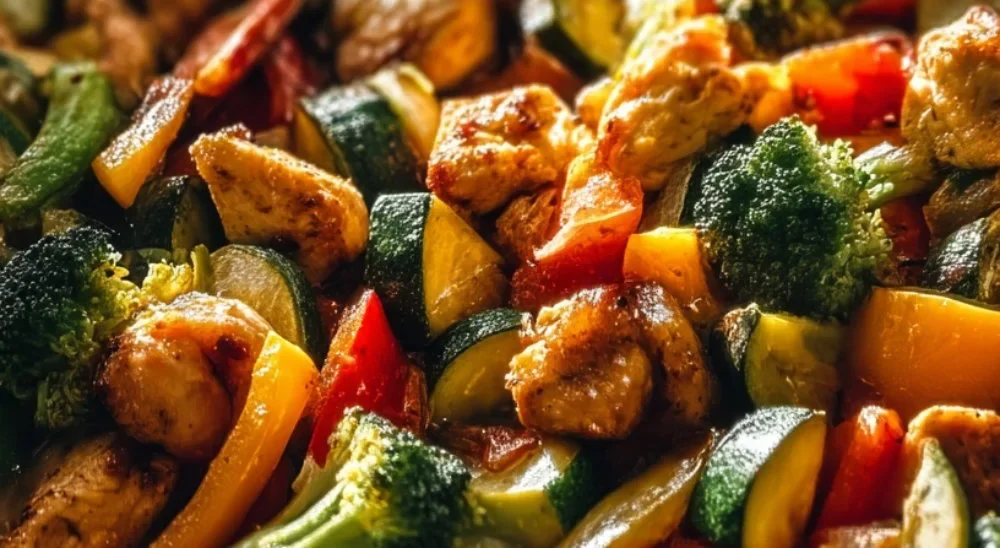
Cooked correctly, this skillet offers caramelized chicken, vegetables that retain structure and color, and a finish that feels complete without sauces or starches. It is a lesson in restraint and an invitation to cook with confidence.
The Culinary Logic Behind This Dish
Every successful recipe begins with logic. Here, the logic is efficiency paired with nutritional integrity.
The choice of chicken breast provides a high-protein, low-fat foundation that absorbs seasoning readily and cooks quickly. Vegetables are selected not just for color, but for complementary textures: zucchini for moisture, bell pepper for sweetness, broccoli for bite. Together, they create contrast without competition.
The one-pan method is intentional. Browning the chicken first develops fond—those caramelized bits that anchor flavor—while cooking vegetables afterward allows them to pick up those savory notes without overcooking the protein. Olive oil is used sparingly, enough to carry heat and flavor but not dominate the dish.
This is low-carb cooking without substitutes, gimmicks, or apologies. It is simply well-composed food.
Ingredient Analysis Through a Chef’s Lens
Chicken Breasts
Lean and delicate, chicken breast demands respect. Dice it evenly to ensure uniform cooking and proper browning. Overcrowding the pan or rushing this step will result in steaming rather than searing—an unforgivable compromise.
Zucchini
Zucchini brings moisture and a subtle sweetness. Its high water content means it should be added after the chicken is fully cooked to prevent dilution of flavor. Slice consistently to control texture.
Bell Pepper
Bell peppers contribute brightness and natural sugar. Their role is aromatic as much as structural, softening just enough to release sweetness while maintaining shape.
Broccoli Florets
Broccoli offers vegetal depth and firmness. Cut into small florets so they cook through in the same window as the other vegetables without becoming sulfurous or dull.
Garlic
Garlic is added after the chicken browns to prevent bitterness. One minute is enough—garlic should perfume the oil, not dominate it.
Olive Oil
This is not a finishing oil here, but a cooking medium. Choose a balanced olive oil that tolerates medium heat without turning acrid.
Italian Seasoning, Salt & Pepper
Italian seasoning provides herbal structure—oregano, basil, thyme—while salt enhances natural flavors. Season in layers, not all at once.
Kitchen Workflow & Technique Breakdown
Professional cooking is about order. This dish succeeds when you respect sequence.
Begin by preparing all ingredients before heat is applied. This is not optional. Once cooking begins, timing matters.
Heat the skillet thoroughly before adding olive oil. A lukewarm pan leads to pale chicken. Add the diced chicken in a single layer and resist the urge to stir immediately. Allow browning to occur—this is where flavor is born.
Once the chicken is cooked through and properly colored, introduce the garlic briefly, then immediately follow with the vegetables. Stir deliberately, coating everything in the seasoned oil and rendered juices from the chicken.
The vegetables cook uncovered. This allows moisture to evaporate rather than pool, preserving texture and preventing sogginess.
Texture Control, Heat Management & Timing
Texture is the silent marker of skill.
Chicken should be firm but juicy, never chalky. This is achieved through moderate heat and correct timing—five to seven minutes, depending on cut size and pan surface.
Vegetables should be tender yet resistant to the bite. Overcooked vegetables collapse and mute flavor. Under-cooked vegetables feel raw and disconnected. Aim for cohesion, not uniform softness.
Heat remains at medium throughout. High heat risks burning garlic and seasoning. Low heat encourages steaming. Control your flame, and the dish will reward you.
Professional Variations: How Chefs Reinvent This Dish
In restaurant kitchens, adaptability is everything. This recipe welcomes refinement without altering its core.
You may substitute shrimp or turkey while maintaining the same workflow. Shrimp cooks faster and should be added after vegetables begin to soften. Turkey requires careful seasoning to prevent dryness.
For a vegetarian interpretation, omit the chicken and increase vegetable quantity, adding beans if desired. Maintain the same seasoning discipline to preserve balance.
Herb profiles may shift—paprika introduces warmth, chili flakes add heat, and different dried herbs can redirect the dish regionally without overwhelming it.
Finishing Touches & Plating Philosophy
Plating is not decoration—it is communication.
Serve this dish hot, directly from the skillet if appropriate. The colors should remain vibrant, the aroma clean and herbal.
For added richness, avocado slices provide contrast. A dollop of sour cream introduces acidity and fat, rounding the palate. Cheese, used sparingly, can deepen savoriness but should never blanket the dish.
Remember: finishing touches should elevate, not distract.
Maintaining Quality After Cooking
This dish stores well when treated properly.
Allow it to cool fully before transferring to an airtight container. Refrigeration for up to four days is acceptable without sacrificing texture.
Reheating is best done in a skillet over gentle heat. Microwaving is acceptable but should be done cautiously to avoid rubberizing the chicken.
Proper storage preserves intent.
Questions From Home Cooks (Chef Answers)
Can frozen vegetables be used?
Yes, but thaw and drain them thoroughly. Excess moisture undermines browning and flavor concentration.
Is this suitable for meal prep?
Absolutely. Portion thoughtfully and reheat with care.
Can seasoning be changed?
Yes, within reason. Seasoning should support the ingredients, not overshadow them.
Final Chef Notes
This Low-Carb Chicken & Veggie Skillet is a study in restraint and execution. It proves that healthy cooking does not require complexity—only understanding. When ingredients are respected, timing is controlled, and seasoning is intentional, even the simplest dish becomes satisfying.
Cook with attention. Taste as you go. Let technique guide you. That is how everyday food becomes memorable.
[recipe-card]
Low-Carb Chicken & Veggie Skillet
Ingredients
Method
- Heat olive oil in a skillet over medium heat.
- Add the diced chicken and cook until browned and cooked through, about 5-7 minutes.
- Add the garlic and cook for an additional minute.
- Stir in the zucchini, bell pepper, and broccoli.
- Season the mixture with salt, pepper, and Italian seasoning.
- Cook for another 5-7 minutes, or until the vegetables are tender.
- Serve warm.