
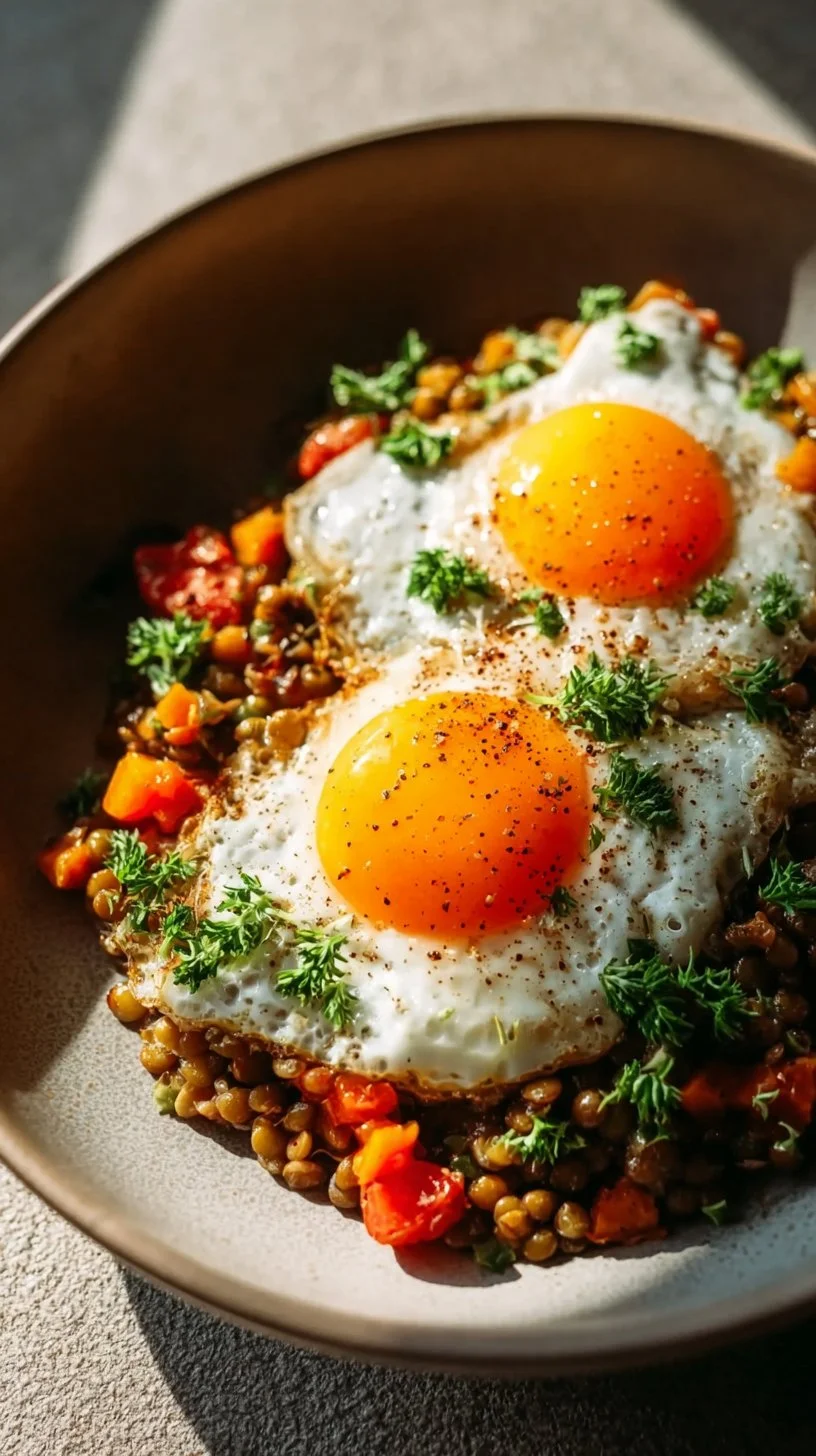
Savory Lentil Breakfast Bowl
AARON Introduction
As a nutrition specialist, I focus on practical, evidence-based guidance that supports digestion, nutrient balance, and sustainable wellness. The Savory Lentil Breakfast Bowl is a great example of a breakfast that combines plant-based protein, fiber-rich carbohydrates, healthy fats, and colorful vegetables into a single, satisfying bowl. Morning meals set the tone for energy, appetite regulation, and digestion through the day; choosing combinations that stabilize blood sugar, support gut health, and deliver essential micronutrients helps people feel steady and nourished without complicated rules.
This article walks through why this bowl works from a nutritional and digestive perspective, how to prepare it using the recipe as written, what each main ingredient contributes, and practical tips to adapt or pair it for balanced meals. The tone is calm, professional, and focused on long-term, realistic healthy eating—not quick fixes or extreme claims.
How this recipe supports overall wellness
A well-composed breakfast balances macronutrients (protein, carbohydrate, fat) and includes fiber, vitamins, and minerals. The Savory Lentil Breakfast Bowl does this in a simple way:
- Protein and satiety: Lentils and eggs supply high-quality protein that helps maintain muscle mass and supports a feeling of fullness. Protein-rich breakfasts are associated with reduced mid-morning hunger and fewer impulsive snack choices.
- Stable blood sugar: The combination of fiber from lentils and spinach with healthy fats from olive oil and avocado slows digestion and the release of glucose into the bloodstream. That slower absorption helps avoid rapid spikes and crashes that can lead to energy dips and cravings.
- Gut-friendly fiber: Lentils provide a mix of soluble and insoluble fiber. Soluble fiber can feed beneficial gut bacteria and form a gel that supports regularity; insoluble fiber adds bulk and helps intestinal transit.
- Micronutrient density: Spinach and lentils contribute iron, magnesium, potassium, folate, and other B vitamins; eggs add choline and vitamin D (if raised/free-range), and avocado contributes vitamin E and potassium. These nutrients support energy metabolism, cognitive function, and cellular health.
- Balanced fats: Olive oil and avocado provide predominantly monounsaturated fats that support heart health, nutrient absorption (fat-soluble vitamins), and a pleasant, satisfying texture.
Taken together, these qualities make this bowl a nutrient-dense choice that supports digestion, recovery from overnight fasting, and steady energy for morning activities.
How to make Savory Lentil Breakfast Bowl
Below is the recipe text exactly as provided. Follow it closely for reliable results and consistent nutrition.
Ingredients :
1 tbsp Olive Oil, 1 medium Yellow Onion, finely chopped, 2 cloves Garlic, minced, 1 cup Brown or Green Lentils, rinsed, 4 cups Vegetable Broth, 1 tsp Dried Thyme, 1/2 tsp Smoked Paprika, 1/2 tsp Ground Cumin, Salt and Black Pepper to taste, 1-2 Large Eggs, 2 cups Fresh Spinach, 1/2 Avocado, sliced or mashed, 1 tbsp Crumbled Feta Cheese (optional), 1 tbsp Fresh Parsley or Cilantro, chopped, Pinch of Red Pepper Flakes (optional)
Directions :
Step 1: Build the Aromatic Base. Start with a warm skillet and the tablespoon of olive oil. Add the finely chopped onion and sweat it gently over medium heat until translucent and sweet-smelling — this usually takes 5–7 minutes. Stir in the minced garlic for the last minute so it softens but doesn’t brown. Step 2: Toast the Spices and Lentils. Sprinkle in the dried thyme, smoked paprika, and ground cumin and let them toast for 30–60 seconds. Add the rinsed lentils and stir so they’re coated. Step 3: Cook the Lentils. Pour in the vegetable broth and bring the pot to a gentle simmer. Cover, and cook until the lentils are tender but hold their shape — about 20–30 minutes. Step 4: Prepare the Toppings. While the lentils simmer, wilt the spinach. Mash or slice the avocado and prepare the eggs as desired. Step 5: Assemble Your Breakfast Bowl. Spoon the warm lentils into bowls, top with wilted spinach, a soft-cooked egg, avocado slices, and a sprinkle of feta and herbs.
Nutrient roles of each main ingredient
- Lentils (brown/green): Primary source of plant protein and fiber in the bowl. They contribute complex carbohydrates for steady energy and provide iron, folate, magnesium, and potassium. The fiber mix supports satiety and gut bacteria.
- Eggs: Dense, bioavailable source of protein and essential amino acids. Eggs also supply choline (important for brain and liver), B vitamins, and some vitamin D and selenium.
- Olive oil: Adds monounsaturated fats that help with absorption of fat-soluble vitamins and contribute to cardiovascular health when used in place of excess saturated fats.
- Spinach: Low-calorie, nutrient-dense green providing vitamin K, folate, iron, vitamin C, and antioxidants. It adds volume and micronutrients without many calories.
- Avocado: Supplies heart-healthy unsaturated fats, fiber, and vitamin E. The fats improve nutrient absorption and increase meal satisfaction.
- Feta (optional): Small amounts add calcium and flavor through salty, tangy notes; use sparingly if watching sodium.
- Aromatics and spices (onion, garlic, thyme, smoked paprika, cumin): Provide compounds with antioxidant and anti-inflammatory properties and enhance palatability without relying on added salt.
Explaining nutrition in simple terms: think of lentils and eggs as the “building blocks” and spinach/avocado as the “vitamin and fat helpers” that keep you full, nourished, and more likely to feel steady through the morning.
The preparation method & its health impact
The cooking techniques in this recipe are gentle and supportive of digestion and nutrient availability:
- Sweating onions and lightly cooking garlic releases flavors and creates a base without burning, which preserves beneficial phytonutrients and avoids producing bitter compounds.
- Toasting spices briefly boosts flavor and aroma so you can rely less on salt for taste. Spices like cumin and smoked paprika contain antioxidant compounds that add depth with minimal calories.
- Simmering lentils in broth until tender improves digestibility and reduces oligosaccharides that can cause gas in some people. Properly cooked lentils are easier to digest and their protein becomes more bioavailable.
- Wilting spinach lightly retains much of its water-soluble vitamins compared with prolonged high-heat cooking; quick cooking helps soften the leaves for digestion while preserving color and nutrients.
- Using a soft-cooked egg preserves a tender texture and can make the meal easier to eat and digest for those who prefer softer proteins.
Overall, the method maximizes nutrient retention, supports digestibility, and creates a balanced, satisfying plate without heavy frying or prolonged high heat.
Ways to lighten, enrich or modify the dish nutritionally
While the recipe should be followed as written for consistent culinary results, here are gentle, practical ideas for tailoring the bowl to specific needs—without changing the core ingredients or the provided directions:
- To reduce sodium: choose a low-sodium vegetable broth and omit or reduce added salt at the end. The spices and aromatics provide a lot of flavor, so many people find less salt acceptable.
- To increase fiber and micronutrients: add a small handful of chopped fresh herbs or a squeeze of citrus at serving to boost vitamin C, which supports iron absorption from lentils.
- To enrich with extra plant-based protein: add a spoonful of plain Greek yogurt (if dairy is tolerated) alongside the bowl or top with roasted seeds (pumpkin, sunflower) for texture and protein.
- To make it lighter in calories: reduce the avocado portion or serve half, and increase the spinach volume for bulk with fewer calories.
- To make it dairy-free: skip the feta or replace it with a sprinkle of toasted seeds or nutritional yeast for umami and B vitamins.
- To adjust for digestive sensitivity: if legumes cause discomfort, start with a smaller portion of lentils and pair with a fruit or vegetable high in vitamin C to aid iron absorption and support digestion.
These suggestions are optional and meant to help people tune the meal to appetite, goals, and tolerances without altering the recipe steps or measurements.
Pairing ideas for a balanced, complete meal
Although the bowl is balanced on its own, pairing it thoughtfully can cover additional needs or preferences:
- For extra color and vitamin C: serve with a small side of sliced tomatoes, a wedge of lemon, or a mix of citrus segments—these bring brightness and help non-heme iron absorption.
- If you need more carbohydrates for higher activity levels: add a small portion of whole-grain toast, roasted sweet potato cubes, or a side of cooked whole grains.
- For extra hydration and electrolytes: include a small cup of herbal tea or water with a splash of citrus. Fluids help digestion and overall morning comfort.
- If you want a light dessert or mid-morning snack: pair with a piece of fruit like an apple or pear to provide a mix of quick and slow-release carbohydrates.
A well-paired meal considers appetite, activity level, and meal timing rather than strict pairings—small, practical choices can enhance overall nutrient balance.
Safe storage, food safety & optimal reheating
- Cooling and storage: Cool lentils within two hours after cooking and store in an airtight container in the refrigerator. Cooked lentils and cooked vegetables are generally safe for 3–4 days in the fridge.
- Eggs: Soft-cooked eggs are best eaten immediately. If you bulk cook the lentils and plan to reheat, prepare eggs fresh at serving time for texture and food safety. Hard-boiled eggs can be stored safely for up to one week in the refrigerator when peeled or unpeeled in a container.
- Reheating: Reheat lentils gently on the stove or in the microwave until steaming hot throughout (internal temperature recommended by food safety guidelines is 165°F / 74°C). Add a splash of water or broth when reheating to restore moisture. Avoid repeated reheating cycles.
- Freezing: Cooked lentils freeze well for up to 3 months. Store in portioned airtight containers with headspace for expansion. Avocado and fresh spinach do not freeze well in this form; add them fresh when serving.
These practices help preserve quality, reduce waste, and maintain food safety.
Common nutrition questions about this dish
- Is this breakfast high in protein? Yes — lentils plus an egg deliver a meaningful amount of protein. Exact grams depend on portions, but this combo supports muscle maintenance and satiety.
- Is it suitable for blood sugar control? The fiber and protein in the bowl encourage gradual glucose release; portion sizes and individual responses matter, so pairings and timing should be personalized for people managing blood sugar.
- Can it fit into a weight-management plan? Because it combines fiber, protein, and healthy fats, the bowl promotes fullness. Adjust portion sizes and energy density (reduce avocado or oil if needed) to align with calorie goals.
- Is it appropriate for vegetarians or vegans? Vegetarians will find it an excellent option. For vegans, omit the egg and feta, and consider a plant-based cooked topping like sautéed mushrooms or a spoonful of seasoned tofu (note: these are modification suggestions, not changes to the core recipe).
- What about digestive tolerance to lentils? Some people find legumes gas-producing. Proper rinsing, cooking until tender, and gradually increasing portion size can improve tolerance. Pairing with stomach-friendly practices (chewing well, adequate hydration) also helps.
Final wellness notes
This Savory Lentil Breakfast Bowl is an approachable, nutrient-dense breakfast that supports digestion, satiety, and sustained energy. Its components work together: lentils and eggs for protein, spinach and herbs for vitamins and minerals, olive oil and avocado for healthy fats and flavor. Preparing the recipe gently enhances digestibility and preserves nutrients while building enjoyable fl avor without excessive added salt.
Use this bowl as part of a varied eating pattern—rotating breakfasts, adding seasonal produce, and listening to hunger and fullness cues will support long-term wellness better than any single meal. Small, consistent choices like this one build a foundation of balance, nutrient density, and enjoyable eating.
Conclusion
If you want to explore similar ideas and variations, here are a few recipes for inspiration: try a version that pairs lentils with poached eggs in this detailed recipe for Breakfast Lentils with Poached Eggs from Babaganosh; view an alternative grain-and-lentil approach in the Savory Quinoa and Lentil Breakfast Bowl post on Breaking Bread Instead; for a heartier sweet-and-savory take, see the lentil and sweet potato breakfast bowl on The Palatable Life; and for a plant-powered porridge idea that blends lentils with oats, check Red Lentils & Oats Porridge at Vegan Lovlie. These resources can give you practical ways to keep breakfast varied, nourishing, and well-balanced.
Savory Lentil Breakfast Bowl
Ingredients
Method
- Start with a warm skillet and the tablespoon of olive oil. Add the finely chopped onion and sweat it gently over medium heat until translucent and sweet-smelling — this usually takes 5–7 minutes.
- Stir in the minced garlic for the last minute so it softens but doesn’t brown.
- Sprinkle in the dried thyme, smoked paprika, and ground cumin and let them toast for 30–60 seconds.
- Add the rinsed lentils and stir so they’re coated.
- Pour in the vegetable broth and bring the pot to a gentle simmer. Cover, and cook until the lentils are tender but hold their shape — about 20–30 minutes.
- While the lentils simmer, wilt the spinach. Mash or slice the avocado and prepare the eggs as desired.
- Spoon the warm lentils into bowls, top with wilted spinach, a soft-cooked egg, avocado slices, and a sprinkle of feta and herbs.