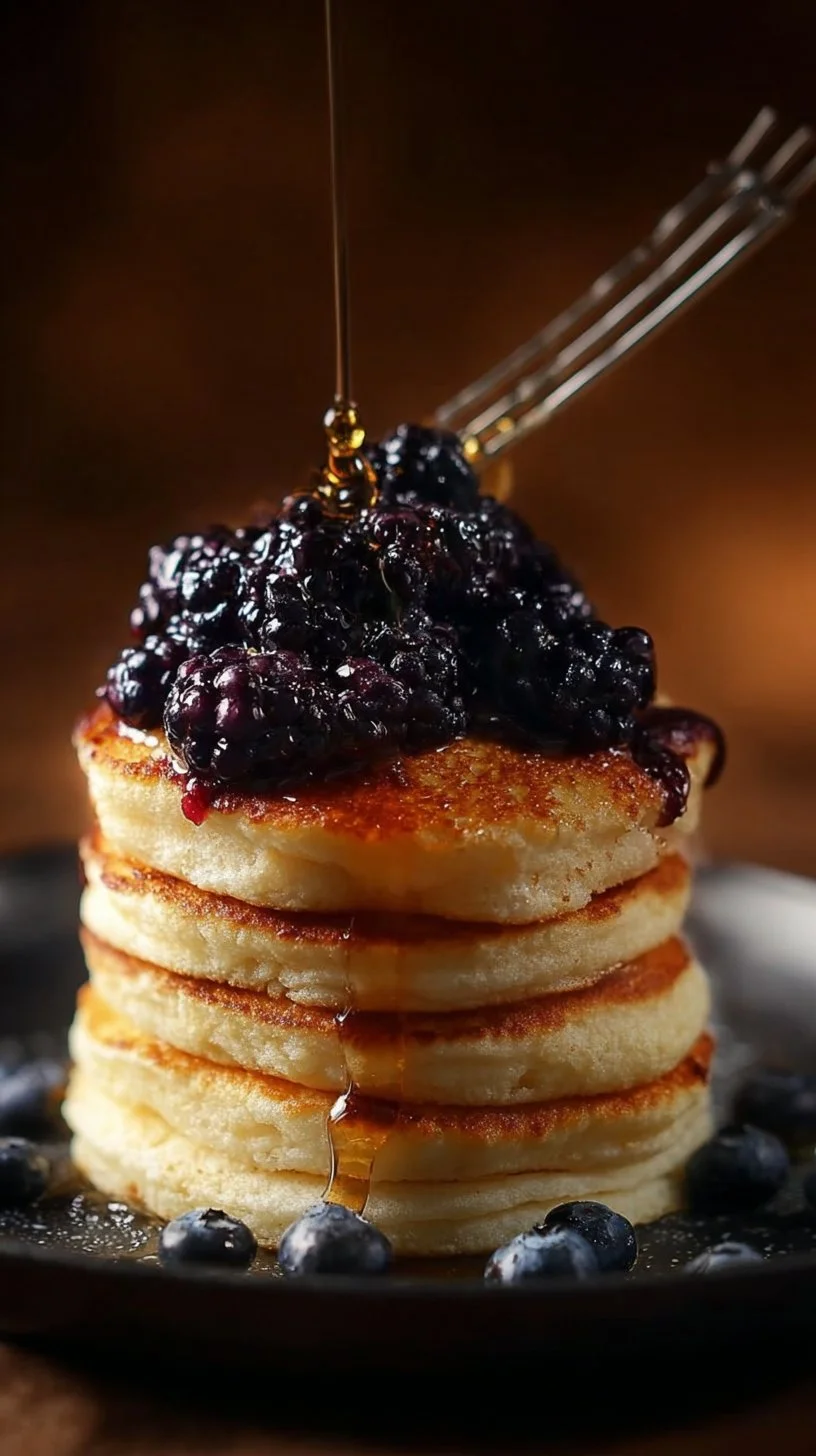
Fluffy Japanese Soufflé Pancakes
AARON Introduction
As a nutrition specialist, I approach recipes like Fluffy Japanese Soufflé Pancakes through the lens of nourishment, digestion, and long-term wellness. This style of pancake is an indulgence in texture — light, airy, and high-rising — and it can sit comfortably in a balanced eating pattern when made and paired thoughtfully. In this introduction I’ll outline what to expect from these pancakes from a nutritional perspective, how they fit into daily eating, and a few practical tips for digestion and portioning that help you enjoy them without stress. For readers curious about broader Japanese-inspired meals, you might find variety ideas that complement these pancakes on a savory recipe like Japanese chicken yakitori, which balances protein and vegetables in a different meal context.
How this recipe supports overall wellness
Fluffy Japanese Soufflé Pancakes are a good example of how texture and enjoyment can be part of a healthy pattern. From a wellness standpoint, the recipe provides:
- Quick energy from carbohydrate (flour and sugar), which can be useful around morning activity.
- Protein from eggs and heavy cream, contributing to satiety and muscle maintenance.
- A source of dietary fat that helps with fat-soluble vitamin absorption and slows gastric emptying for steadier blood-sugar responses.
Balanced eating is less about labeling foods as “good” or “bad” and more about context. If these pancakes are treated as an occasional treat or are integrated into a meal that includes fiber and protein (for example, berries and a dollop of full-fat yogurt or an extra egg on the side), they can support fullness and nutrient adequacy. The recipe’s relatively small ingredient list also makes it transparent — you know where calories and macronutrients are coming from, which helps with mindful portions and digestion.
How to make Fluffy Japanese Soufflé Pancakes
The method behind these pancakes emphasizes gentle folding and low, covered cooking to build height and tenderness. The process is also forgiving for digestive comfort: cooking at low-medium heat reduces the chance of charring, and serving with fresh fruit and a modest drizzle of syrup adds fiber and antioxidants. Below I walk through practical steps, cues for texture and doneness, and points where attention to technique yields a better result for both enjoyment and digestion.
Ingredients :
2 large eggs, 2 tablespoons milk, ½ teaspoon vanilla extract, 1 teaspoon lemon zest (optional), ¼ cup all-purpose flour (fluffed, spooned, and leveled), ¼ teaspoon baking powder, ½ teaspoon white vinegar (or lemon juice), 2 tablespoons granulated sugar, Oil (for cooking), Sweetened whipped cream, Assorted berries, Powdered sugar, Maple syrup, ½ cup heavy cream (cold), 1 tablespoon granulated sugar (for whipped cream), ½ teaspoon vanilla (for whipped cream)
Directions :
- Separate the egg whites from the yolks. In a bowl, whisk the yolks with milk, vanilla, lemon zest (if using), and sugar until combined., 2. Sift in the flour and baking powder, then mix until just combined., 3. In another bowl, whip egg whites with sugar until soft peaks form. Gently fold the whites into the yolk mixture until no large streaks remain., 4. Heat a nonstick skillet over low-medium heat and lightly oil it., 5. Pour the batter into the skillet to form tall mounds. Cover the pan with a lid and cook for a few minutes until bubbles form on the surface., 6. Carefully flip the pancakes and cook for a few more minutes until done., 7. For optional whipped cream, whip cold heavy cream with sugar and vanilla until soft peaks form., 8. Serve pancakes warm topped with whipped cream, berries, powdered sugar, and maple syrup.
Nutrient roles of each main ingredient
Understanding what each main ingredient contributes helps prioritize balance at the plate:
- Eggs: Rich in high-quality protein and several micronutrients (choline, B-vitamins). The yolk contains fat-soluble vitamins and healthy fats that aid nutrient absorption.
- Milk and heavy cream: Provide additional protein and fat. Heavy cream increases calorie density and offers fat that contributes to satiety; cold cream whipped into soft peaks creates a light topping that pairs well with fruit.
- Flour: The primary carbohydrate source that supplies energy. All-purpose flour is refined, so pairing with fiber-rich sides (berries or a side of nuts) helps slow glucose absorption.
- Sugar and maple syrup: Concentrated sources of simple carbohydrates; they add flavor and structure in the batter and topping. Use mindfully to match your energy needs.
- Baking powder and vinegar/lemon juice: Small components that affect texture rather than nutrition. Baking powder helps the pancakes rise and stay fluffy; acid (vinegar or lemon juice) helps stabilize the egg whites when whipped.
- Berries and lemon zest: Berries bring fiber, vitamin C, and phytochemicals that support digestion and antioxidant defenses. Lemon zest adds flavor with negligible calories, encouraging reduction of added sugar.
Taken together, these components create a meal that is higher in protein and fat than many western-style pancakes, especially when accompanied by the egg-based batter and optional whipped cream.
The preparation method & its health impact
Technique matters for both texture and digestion. Whipping egg whites traps air that provides lift; folding them gently preserves that air and prevents overworking the batter. Low, covered cooking allows the pancakes to set slowly and evenly, reducing the formation of burnt crusts that can be harder to digest for some people.
From a digestive standpoint:
- Gentle mixing and cooking reduce the formation of tough gluten networks, making the finished pancake easier to chew and digest than heavily kneaded batters.
- The inclusion of whole eggs provides protein that can promote longer satiety and stabilize hunger signals.
- Serving these pancakes with fiber-rich berries and a protein-rich side slows carbohydrate absorption and supports balanced blood-sugar responses.
When considering tolerances, people with egg, dairy, or gluten sensitivities should avoid or adapt this recipe carefully. For example, those with lactose sensitivity can use lactose-free milk but must still avoid the heavy cream or use a tolerated alternative — note that such swaps are not part of the original recipe.
Ways to lighten, enrich or modify the dish nutritionally
While I will not change the recipe’s ingredients or directions here, there are practical, simple approaches to make the meal lighter or more nutrient-dense when you plate it:
- Portion control: Keep serving sizes moderate and pair the pancakes with a generous serving of fresh berries and a protein source like Greek yogurt or a small omelet on the side to improve satiety without adding many refinements to the pancakes themselves.
- Add fiber on the side: A small bowl of mixed berries or a fruit salad increases fiber and antioxidants, which aids digestion and contributes volume for fullness.
- Mindful topping choices: Use a modest amount of maple syrup and powdered sugar as flavor accents rather than the main sweetener. A spoonful of unsweetened Greek yogurt or a smear of nut butter on the side can add protein and healthy fats.
- Enhanced micronutrients through sides: A simple spinach salad with citrus on the side or roasted tomatoes brings vitamin C and other nutrients that pair well with the richness of the pancakes.
These strategies let you enjoy the intended texture and flavor while shifting the overall plate toward more nutrient density.
Pairing ideas for a balanced, complete meal
To make the meal more balanced, combine textures and macronutrients:
- Protein-rich pairing: Add a small omelet, scrambled eggs, or a dollop of plain Greek yogurt. Protein slows carbohydrate absorption and increases fullness.
- Fiber and produce: Fresh berries (as suggested) or a side of sliced apple and nut butter provide fiber, antioxidants, and healthy fats.
- Vegetables: A simple sauté of greens or roasted cherry tomatoes provides micronutrients and contrasts the sweetness of the pancakes.
- Beverage choices: Green tea or water with lemon supports hydration without added sugars; if you opt for coffee, consider a splash of milk to contribute a little protein.
These pairings create a more complete plate that supports steady blood sugar, digestion, and sustained energy.
Safe storage, food safety & optimal reheating
Make-ahead and storage advice:
- Refrigeration: Store cooked pancakes in an airtight container in the refrigerator for up to 2 days. Keep whipped cream separate until serving.
- Freezing: Stack pancakes between layers of parchment and freeze in a sealed bag for up to one month. Thaw overnight in the refrigerator before reheating.
- Reheating: Rewarm gently in a skillet over low heat with a lid or in a toaster oven to preserve texture. Microwave can be used for speed, but it may make the pancakes slightly denser.
- Food safety: Because the pancakes contain eggs and dairy, cool cooked pancakes to room temperature for no more than two hours before refrigerating. Reheat thoroughly to at least a warm internal temperature.
Handling whipped cream:
- Prepared whipped cream should be kept refrigerated and used within a day for best texture and safety.
Common nutrition questions about this dish
Q: Are soufflé pancakes too indulgent to be part of a healthy diet?
A: Not inherently. When enjoyed occasionally or balanced with protein, fiber, and vegetables, they can be part of an overall nutrient-rich eating pattern.
Q: How can I reduce the sugar without changing the recipe itself?
A: On the plate, reduce the quantity of syrup and powdered sugar and emphasize fresh fruit as your primary sweet element. Pairing with a protein source helps make smaller amounts of sugar feel satisfying.
Q: Is the whipped cream necessary?
A: It’s optional for texture and mouthfeel. If you’re watching calorie intake, you can use less or substitute with a dollop of plain yogurt or a small portion of crème fraîche, noting that this would be an accompaniment rather than a change to the original recipe.
Q: How do these pancakes fit into weight-management goals?
A: Focus on portion size and what else is on the plate. Including a protein-rich side and plenty of fiber will help you feel satisfied with a sensible portion.
Final wellness notes
These Fluffy Japanese Soufflé Pancakes are a celebration of texture and convivial eating. From a nutrition perspective, prioritize mindful portioning, pairings that add fiber and protein, and cooking practices that preserve gentle textures for easier digestion. Enjoying favorite foods with balance, attention to hunger and fullness, and variety across your meals supports long-term wellness far more effectively than strict avoidance. The recipe’s simplicity and short ingredient list also make it easy to incorporate into a weekly meal plan without hidden additives. Approach it as a nourishing, enjoyable option in your culinary repertoire.
Conclusion
For a visual walkthrough and technique tips, many home cooks find the video demonstration helpful, such as the clear instruction shown in Fluffy Japanese Soufflé Pancakes (Video) スフレパンケーキ. If you’d like another written take on method and troubleshooting, see the detailed recipe at The Best Japanese Pancakes Recipe – modern asian baking. For a slightly different home-kitchen perspective with bright photography and plating ideas, check out the jiggly pancake guide from Fluffy Japanese Soufflé Pancakes | Two Plaid Aprons. Finally, for family-friendly notes and variations, Mochi Mommy offers a helpful recipe resource at Japanese Souffle Pancake Recipe – Mochi Mommy.
Fluffy Japanese Soufflé Pancakes
Ingredients
Method
- Separate the egg whites from the yolks.
- In a bowl, whisk the yolks with milk, vanilla, lemon zest (if using), and sugar until combined.
- Sift in the flour and baking powder, then mix until just combined.
- In another bowl, whip egg whites with sugar until soft peaks form.
- Gently fold the whites into the yolk mixture until no large streaks remain.
- Heat a nonstick skillet over low-medium heat and lightly oil it.
- Pour the batter into the skillet to form tall mounds.
- Cover the pan with a lid and cook for a few minutes until bubbles form on the surface.
- Carefully flip the pancakes and cook for a few more minutes until done.
- For optional whipped cream, whip cold heavy cream with sugar and vanilla until soft peaks form.
- Serve pancakes warm topped with whipped cream, berries, powdered sugar, and maple syrup.