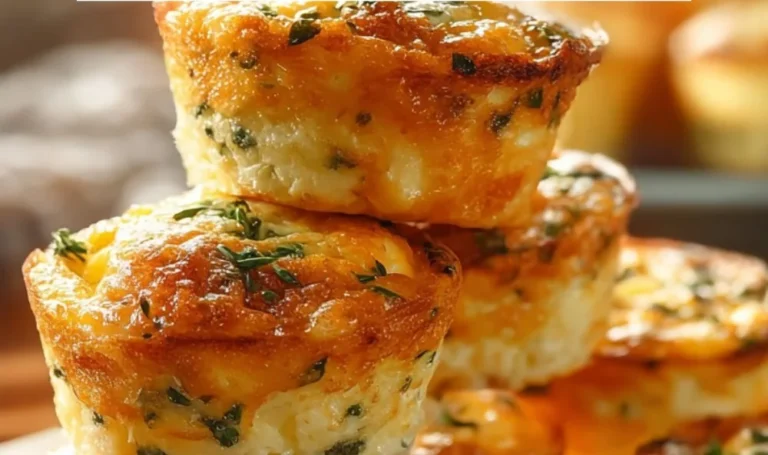
Egg Muffins with Spinach and Feta
Introduction
There is a morning in Sofia that tastes like sun through old windows: thin golden light pooling on worn wooden tables, the scent of warm bread mingling with the green, mineral whisper of freshly wilted spinach. I remember a small bakery near the Cathedral where a woman wrapped parcels of savory pastries and handed them over with a smile that could have belonged to any town on the Adriatic. In that city of layered histories — Roman stones beneath Soviet façades, Ottoman rooftops, and cafés that hum with conversation — the humble marriage of egg, greens, and salty cheese feels instantly at home. It is at once familiar and new, a pocket of continuity amid travel’s constant rearrangement.
Egg Muffins with Spinach and Feta are not relics of one nation alone; they are a contemporary echo of the region’s appetite for bright, simple flavors. In Sofia, as in many cities of the Balkans and the Mediterranean, such combinations appear in many guises: folded into pies, baked in communal pans, offered as quick breakfasts from a street vendor’s cart. Eating them in a city like Sofia, you taste not only ingredients but history — a mingling of climates, migrations, and domestic rituals. Each mouthful brings that sensory collage back: the warm, slightly custardy egg, the chalky cream of feta, the vegetal resilience of spinach, and the tiny, soft voices of the market stalls where this dish, in one form or another, has long been shared.
The origin story & regional influence behind this dish
The genealogy of egg, spinach, and feta is braided through the eastern Mediterranean and the Balkans. Feta, the saline white cheese that can make even the simplest loaf of bread sing, is a child of sheep and goat pastures that span Greece and the islands beyond. Spinach arrived in Europe via the Silk Roads and later through Arabic agricultural knowledge, thriving in the cooler pockets of mountain valleys and irrigated plains. Eggs — ever the universal binder — come from the most intimate economies: household coops, the barter of village life.
This particular iteration — compact, portable, muffin-shaped — is a modern descendant of age-old practices. Think of spanakopita, the Greek spinach pie layered with phyllo and shared during holidays; imagine the Turkish börek, or the dense, herb-laced pies of the Balkans. The transformation into a muffin is practical and contemporary, born from a cultural moment where mobility and time thrift reshape traditional dishes. Still, the soul remains: flaky or custardy, savory and herbal, meant for communal tables or solitary breakfasts watched over by map-lined windows.
Regional influence is also evident in seasoning choices. A Balkan kitchen might lean into pepper and dill, a Greek taverna accentuates oregano and olive oil, while a modern American kitchen will add a dash of milk for creaminess and encourage optional vegetables for color. Each slight change speaks to a place, to seasonal markets, to the hands that prepare the food.
How to make Egg Muffins with Spinach and Feta
This is a recipe that asks for the simplest ritual: whisk, fold, pour, and wait while the oven performs its gentle alchemy. The process echoes village kitchens and downtown flats alike — a convenient, tender way to preserve the essence of a larger pie in a format that suits hurried mornings and quiet picnics. Keep the gestures human and unhurried: the whisking becomes a small meditation, the folding in of spinach a mindful mixing of textures and stories.
Ingredients :
6 eggs, 1 cup fresh spinach, chopped, 1/2 cup feta cheese, crumbled, 1/4 cup milk, Salt and pepper to taste, Optional: diced bell peppers, onions, or tomatoes
Directions :
- Preheat the oven to 350°F (175°C) and grease a muffin tin., 2. In a large bowl, whisk together the eggs and milk., 3. Stir in the chopped spinach, feta, and any optional ingredients., 4. Season with salt and pepper., 5. Pour the egg mixture evenly into the muffin tin, filling each cup about 3/4 full., 6. Bake for 15-20 minutes or until the muffins are set and golden., 7. Allow to cool slightly before removing from the tin. Serve warm or store in the refrigerator for meal prep.
Ingredients through a cultural & historical lens
Look at these few, honest ingredients and you’ll see a map. Six eggs speak of household cycles: the first breakfasts of the morning, the leftover yolks coaxed into something new. Spinach is the bright, resilient green that has kept peasant tables lively through winters and feasts, its name whispered in markets from Thessaloniki to Sarajevo. Feta is a statement — an assertion of terroir, of brined cheese aged in cool cellars, tasting of salt, of pastures grazed by wind and sun. Milk softens the egg into a custard; its presence signals kitchens where abundance is translated into tenderness.
Optional vegetables hint at local gardens and seasonality: the glossy red of a bell pepper from a summer field, onions that caramelize into sweetness, and tomatoes that bring summer acidity. Salt and pepper, simple as they are, trace trade routes and taste preferences. Salt — preserved and prized — connects to the ancient economies of the Mediterranean coast; black pepper, once a luxury, now a commonplace seasoning, still manages to carry the memory of long journeys. Every component becomes a story about place: the feta’s island bleats, the spinach’s mountain shade, the eggs’ early-morning clucks.
Cooking the dish: sensory notes & traditional techniques
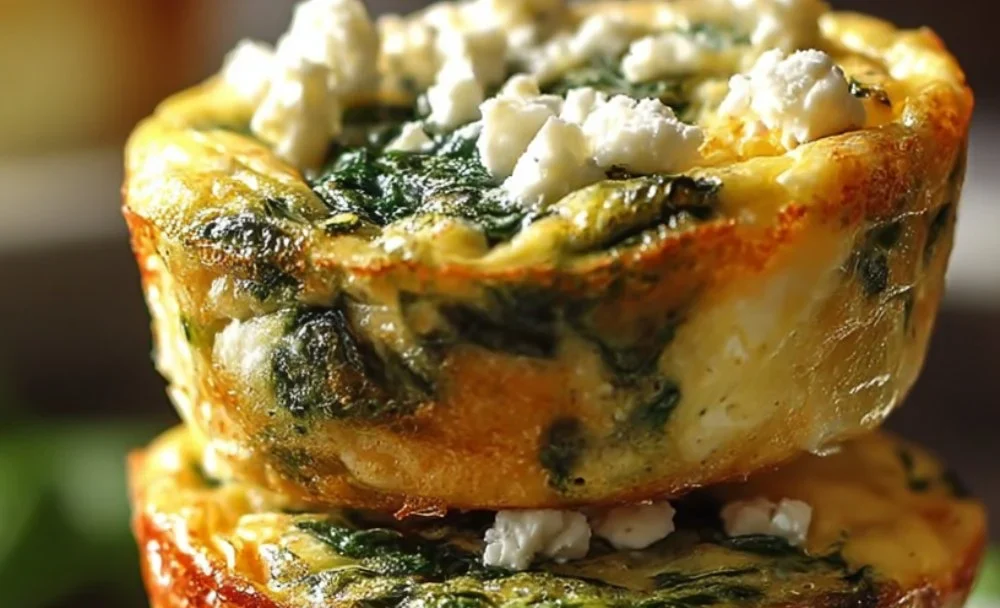
When the tin goes into the oven, a theater of scent begins. Warm eggs release a soft, enveloping perfume that mingles with the green, almost iron-tinged scent of spinach and the briny, floral notes of feta. There is an alchemy here: proteins setting into a gentle, wobbly mound, fats melting into pockets of silk. The tops turn a modest golden, and when you open the oven door a little warmth spills out — not just heat, but a memory of many kitchens opening to invite conversation.
Traditional techniques inform how these muffins feel in the mouth. The idea of mixing eggs with milk to produce a creamier set is a familiar gesture from custard-making across Europe. Stirring in the cheese and greens without overworking them preserves distinct textures — the crumbly, slightly salty feta, the tender spinach ribbons. In village kitchens, such mixtures might once have been baked in clay molds over a hearth; today, a muffin tin does the same work, giving each portion a personal identity. Serving them warm, perhaps with a smear of olive oil or a dab of yogurt, keeps the texture bright; reheated, they become denser, a comforting reminder of domesticity.
How different regions prepare their version
Walk from a Greek island village to a Bosnian market and you will find the same affectionate impulse — layering eggs, greens, and cheese — rendered in different voices. In Greece, the filling might be wrapped in filo and baked in a flat tray, the result brittle and layered, layers of paper-thin pastry crackling under fork. Across the Aegean and into Turkey, spinach-filled börek may be lined with yufka and sprinkled with nigella seeds. In Bulgaria and Serbia, similar fillings are often folded into burek with various doughs or baked in family-sized pans, intended for sharing.
Further west, into Italy, one finds frittata-like versions thick with herbs and often dotted with pancetta or salty cheese. In the Middle East, versions might incorporate tangy labneh or a scattering of za’atar. And in modern urban kitchens — from London to Sydney to New York — the muffin format thrives: portable breakfasts born of busy lives, often enriched with additional vegetables or spiced according to the pantry. Each variation speaks to local produce, preservation methods, and communal habits: whether the dish is shared by the baker’s cart at dawn, folded into a picnic blanket, or packed in workday tiffins.
Traditional ways this dish is shared or served
This food feels made to be passed around. In many cultures its closer relatives are communal: a large tray at a family gathering, slices passed hand-to-hand with laughter; at a mezze table with small plates and conversation measured in tastes; in a tavern with a glass of cold wine and the light of late afternoon. The muffin form translates that sociability into individual portions, perfect for markets where vendors sell handheld breakfasts, or for travelers who need nourishment on the move.
Serve them warm with plain yogurt and a drizzle of good olive oil to honor Mediterranean roots; accompany them with crusty bread and pickled peppers for a Balkan table; pair them with strong coffee and a newspaper in small-city cafés across Europe. They adapt to weddings and workday routines alike, to picnic cloths strewn in urban parks and to the quiet mornings of solo travelers riffling through maps. Sharing them is a way of sharing time — a practical intimacy that folds the giver and recipient into a small, sustaining ritual.
Storing the dish without losing its cultural essence
Storing these muffins is practical but also cultural: to preserve their soul, think of how they were meant to be eaten. Cool them fully before refrigeration to maintain texture; store in an airtight container to keep the softened, briny edges of feta from blending into the whole too quickly. Reheating gently — a short spell in a low oven — revives the custardy interior and lifts the aroma of the cheese and greens. A microwave will restore warmth but not the nuanced textures that a quick bake or skillet reheat can provide.
To retain cultural resonance, serve reheated muffins with simple accompaniments that speak to their origins: a wedge of lemon to squeeze, plain strained yogurt, a scattering of fresh herbs, or a drizzle of extra-virgin olive oil. These gestures reconnect the stored food to seasons, to markets, to the hands that first mixed the eggs and greens, reminding eaters that preservation is also a ritual of respect.
Cultural questions people often ask
Is this dish Greek? Is it Balkan? Is it modern? The honest answer is: yes, to all. Dishes are rarely the property of one nation; they are conversations between landscapes and people. Spinach, eggs, and salty cheese is a motif that travels, reshaping itself where it lands. People also ask whether the recipe is vegetarian — traditionally yes, though regional versions may add meat. Others wonder whether the flavor of feta can be substituted; certainly it can, but each swap alters the dish’s cultural fingerprint. A goat cheese will lean into tang, a mild cow’s cheese toward creaminess, but the salty, crumbly character of feta is part of what anchors the recipe in its Mediterranean ancestry.
Questions about authenticity often reveal longing: for a taste of a remembered kitchen, for the comfort of a shared table. The best way to answer is to invite tasting, to encourage adaptation with reverence — change where you must, but do so with awareness of what each ingredient carries.
A closing note on food, memory & travel
Travel teaches that food is never only sustenance; it is an archive of weather and soil, of exchanges and migrations, of small, repeated domestic acts that become ritual. Egg Muffins with Spinach and Feta are a contemporary stanza in a long culinary poem. They are perfect for packing into a rucksack for a day of exploration, for feeding a family on a rainy evening, for offering to a new friend at a tiny table in a city you are just beginning to know. Making them is an act of translation: you bring the long, braided history of the Mediterranean and the Balkans into the architecture of modern life — compact, portable, and generous.
When you bite into one, close your eyes and let the textures and flavors unfold: the soft give of the set egg, the vegetal stitch of spinach, the salt-studded echoes of feta, and the faint milky sweetness that holds everything together. In that small, warm fragment of taste you will find places and people — a market, a grandmother’s hands, a sunlit street — converging into a single, sustaining moment.
Conclusion
For further inspiration and variations that echo the same spirit of spinach and feta in handheld forms, you can explore these recipes: Spinach Egg Muffins with Feta Cheese – Stephanie Kay Nutrition, Spinach Feta Egg Muffins – Kalejunkie, and Spinach Feta Egg Cups – Perchance to Cook.
Egg Muffins with Spinach and Feta
Ingredients
Method
- Preheat the oven to 350°F (175°C) and grease a muffin tin.
- In a large bowl, whisk together the eggs and milk until well combined.
- Stir in the chopped spinach, feta, and any optional vegetables you want to include.
- Season the mixture with salt and pepper to taste.
- Pour the egg mixture evenly into the muffin tin, filling each cup about 3/4 full.
- Bake for 15-20 minutes or until the muffins are set and golden on top.
- Allow the muffins to cool slightly before removing them from the tin.
- Serve warm or store in the refrigerator for meal prep.