Dump And Bake Chicken Tzatziki Rice for Effortless Flavor
Introduction
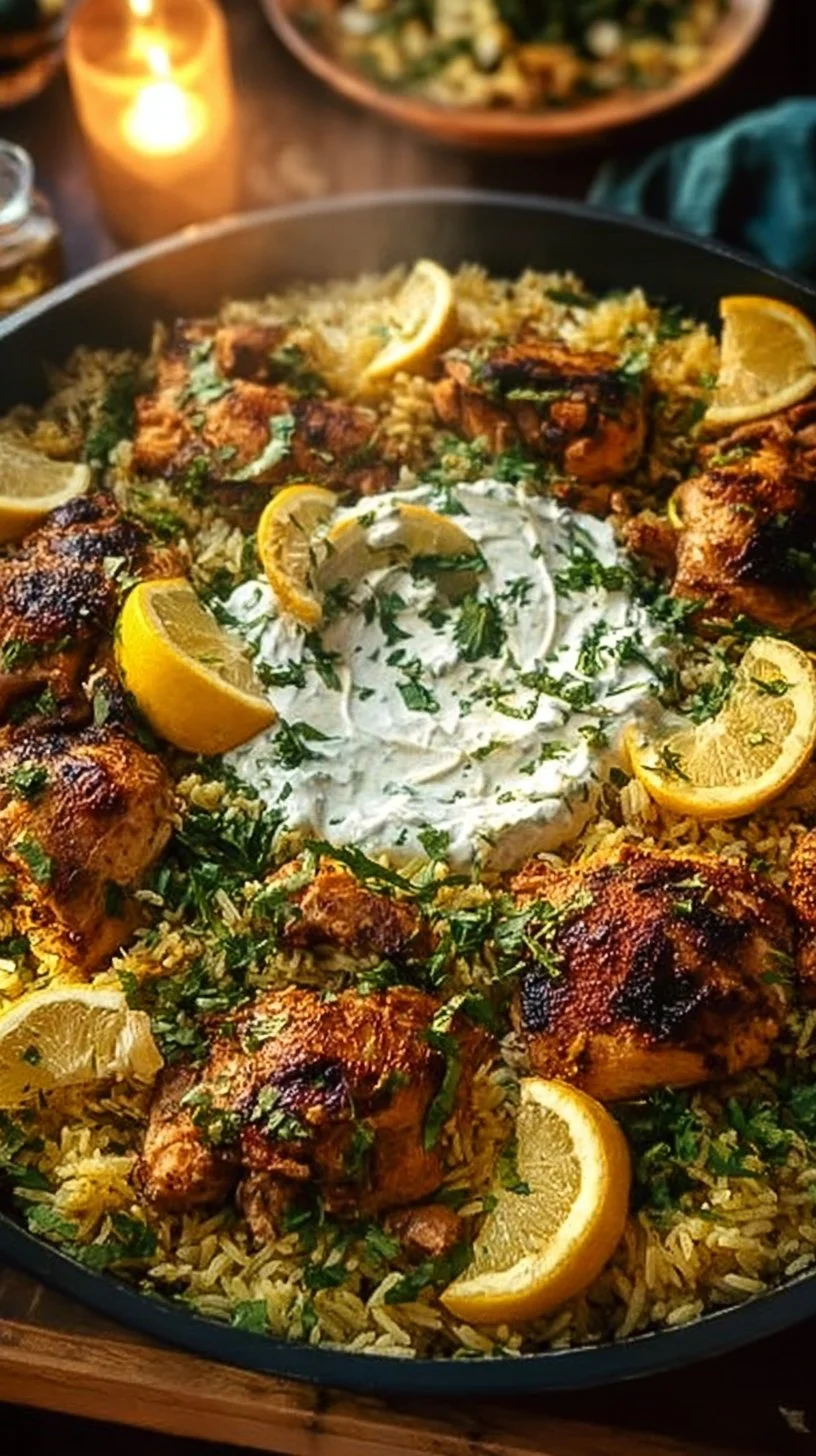
Dump And Bake Chicken Tzatziki Rice for Effortless Flavor is a composed one-pan approach that prioritizes efficient heat transfer, starch hydration, and a cool, herbaceous finish. The technique is deliberately reductive: assemble measured components in a single vessel, allow the oven to harmonize the elements, and finish with a yogurt-cucumber emulsion to provide contrast in temperature, acidity, and mouthfeel. This recipe’s economy of motion demands precise control over liquid ratios and timing so texture—tender rice, succulent chicken, and a bright tzatziki—resolves correctly without rescue steps.
When I think about layering and binding in casseroles, I consider both the starch’s absorption curve and the protein’s denaturation window. For complementary methods that emphasize structure and cohesive baking, see an example of layered casserole technique in the mac and cheese meatloaf casserole I reference here: mac and cheese meatloaf casserole. That piece illustrates how ingredient order and moisture control govern final texture—principles that apply directly to this dump-and-bake formula.
The culinary logic behind this dish
The dish pairs long-grain rice with poached-roast chicken and a cold emulsion of yogurt, cucumber, and herbs. Long-grain white rice is chosen because its low amylopectin content yields separated grains rather than a sticky matrix; the rice requires a predictable liquid-to-grain ratio for even gelatinization. Chicken breasts, lean and uniform in thickness, cook through within the same thermal timetable if submerged or partially covered by the cooking liquid. The tzatziki—Greek yogurt with grated cucumber, garlic, dill, lemon, and oregano—functions as a counterpoint: acidity and fat that cut richness and introduce cooling mouthfeel.
Flavor development occurs on two planes. First, in the oven the rice hydrates and swells, liberating starches that form a light matrix; subtle Maillard browning of the chicken surface occurs where it rises above the liquid. Second, the tzatziki added after cooking preserves volatile aromatics (fresh dill, lemon, garlic) that would otherwise evaporate in dry heat. You achieve balance by respecting thermal limits: cook the grains and proteins gently to finish, then add the raw sauce to amplify freshness.
For an exploration of how simple ingredient swaps affect textural outcomes in assembled bakes, consult this playful example that demonstrates how bulk texture can be modified by ingredient choice: Easter egg rice krispies treats.
How to make Dump And Bake Chicken Tzatziki Rice for Effortless Flavor
The method is intentionally linear: measure, combine, bake, cool slightly, and finish. The critical control points are liquid ratio (4 cups broth to 2 cups rice), initial oil and seasoning on the chicken to encourage isolated browning, and the final incorporation of cooled yogurt to preserve emulsion stability. Read the ingredient list closely and assemble mise en place: grating the cucumber and squeezing out moisture, mincing garlic, and measuring dill and lemon juice before you begin will prevent overcooking.
Timing is cumulative. The rice requires sustained moist heat to achieve complete gelatinization without drying; chicken breasts need enough time to reach 160–165°F internal temperature while still remaining juicy. Resting after the oven completes allows carryover heat to equilibrate proteins and for the rice to firm slightly, improving mouthfeel. The cold tzatziki should be spooned over the hot casserole just prior to service so it both cools and flavors the dish without breaking.
Ingredients :
2 cups Long Grain White Rice (Jasmine or basmati rice are great alternatives.), 4 cups Chicken Broth (Or water for a less savory option.), 2 pieces Boneless, Skinless Chicken Breasts (Skinless thighs are a tasty substitute.), 2 tablespoons Olive Oil (Drizzled on chicken for a golden crust.), 1 teaspoon Salt (Essential for flavor.), 1 teaspoon Black Pepper (Essential for flavor.), 1 cup Greek Yogurt (Or dairy-free yogurt for a lighter option.), 2 cloves Minced Garlic (Fresh garlic infuses robust flavor.), 1 cup Grated Cucumber (Squeeze out excess moisture.), 2 tablespoons Dill (Fresh preferred over dried.), 2 tablespoons Lemon Juice (Brightens the sauce.), 1 teaspoon Oregano (Can mix up with Italian seasoning.), 1 teaspoon Paprika (Enhances flavor profile.), 1 cup Cucumber Substitute (Diced zucchini or bell pepper work.)
This ingredient list must remain intact. Note two key points from a technical perspective: first, the liquid ratio and rice type are paired for a predictable hydration profile; second, the tzatziki components are raw and should be prepared immediately before service to retain volatile aromatics and prevent separation.
Directions :
The directions that follow will cover the preparation steps and interpret them through practical technique. Each subsection explains why steps matter and how to control the variables that determine success.
Preparation Steps
Begin with mise en place. Rinse the rice briefly only if you need to remove surface starch for a less cohesive grain structure; for this dish, minimal rinsing preserves some starch that contributes slight creaminess without clumping. Preheat the oven so that the rice begins hydrating in a stable, known thermal environment—an unsteady oven temperature will lengthen cook time and degrade texture.
Pat the chicken breasts dry and season with the specified salt, pepper, paprika, and oregano. Drizzle with the olive oil to encourage a focused, dry-heat browning on any surface exposed to air above the liquid. Place the rice evenly in a shallow casserole, distribute the chicken on top, then pour the chicken broth in a single motion to avoid displacing rice. Cover tightly with foil or a fitted lid; trapped steam provides the consistent moist heat the rice requires.
Ingredient analysis through a chef’s lens
Rice: long-grain white rice absorbs roughly 2:1 liquid-to-grain by weight; the 4 cups broth to 2 cups rice ratio accounts for oven losses and gives tender but not mushy grains. Broth: aromatics and salt load the rice from the inside; using water will yield a blander base that requires stronger finishing seasoning.
Chicken: breasts are lean and cook quickly; their thickness dictates time. Thinner pieces will poach in the stock while thicker ones will roast; evenness is essential for predictable doneness. Yogurt: use full-fat Greek yogurt for emulsion stability and mouth-coating richness; low-fat or dairy-free substitutes alter texture and cooling properties and will be noted as options in the variations section.
Cucumber: grating and squeezing removes excess water that would otherwise thin the tzatziki and dilute both flavor and body. Fresh dill and lemon are volatile and should be added last to preserve their aromatics.
Kitchen workflow & technique breakdown
Order tasks to minimize oven door time. Assemble the rice and broth first, then pat and season the chicken immediately before adding it to the baking vessel. While the dish cooks, complete the tzatziki: grate cucumber, salt lightly and press out moisture, mince garlic, and mix into yogurt with dill, lemon juice, and oregano. Chilling the sauce while the casserole rests maintains a sharp temperature contrast at service.
If you prefer to sear the breasts briefly for enhanced color and flavor before baking, do so in a hot pan with the stated olive oil; transfer the chicken promptly to the casserole to avoid continued browning or overcooking. For additional practice in efficient small-batch bakes and timing coordination, consult techniques illustrated in recipes that emphasize compact preparation and even heat distribution such as this reference on efficient baking routines: easy baked donut bars.
Texture control, heat management & timing
Temperature and time are the determinants of texture. Bake at a moderate oven temperature (typically 350–375°F) to allow rice granules to hydrate completely before surface evaporation occurs. If the oven is too hot, the liquid will reduce prematurely and the rice will remain undercooked; if too low, the chicken may not reach safe internal temperature in a reasonable time. Use an instant-read thermometer in the thickest part of a chicken breast: 160–165°F is the safe window, with a short rest to reach final temperature while retaining juiciness.
Open the cover only once, near the end of the stated cook time, to evaluate liquid level and rice tenderness. If the rice is tender but the surface is wet, remove the cover for the final 5–10 minutes to dry the top slightly, promoting a pleasing grain separation and any desired browning on the chicken. Conversely, if the rice is undercooked and the liquid is gone, add a splash of boiling water or broth and recover to finish cooking.
For additional insight into how controlled temperature affects final mouthfeel in composed dishes, see this contrasting example of finished texture goals in no-bake applications: no-bake Grinch pie.
Professional variations
- Swap protein cuts: bone-in thighs introduce fat and connective tissue that render during long bakes, increasing mouthfeel but altering cook time; adjust heat and check doneness accordingly.
- Alternate rice: jasmine or basmati offer aromatics and a different grain separation; reduce added aromatics in the broth if using fragrant rice to avoid competing flavors.
- Dairy-free tzatziki: use a thick plant-based yogurt and a neutral oil to mimic viscosity; expect a slightly less clean mouthfeel and compensate with additional lemon.
- Crisp-top finish: remove cover and briefly high-heat broil to caramelize the chicken top; monitor closely—drying will occur in seconds.
These adjustments maintain the recipe’s logic—control liquid, monitor protein temperature, and finish with chilled acid and herbs—without altering ingredient proportions.
Finishing touches & plating philosophy
The plated composition should present contrast: hot rice and chicken, cool tzatziki, and an herbaceous garnish. Spoon the tzatziki over individual portions immediately before serving to preserve its texture; avoid stirring it into hot rice for extended time, which risks thinning and loss of volatile aromatics. Add a final sprinkle of fresh dill and a squeeze of lemon to amplify brightness. For color and texture contrast, a scattering of finely chopped cucumber substitute (diced zucchini or bell pepper) provides a crisp note.
Serve on shallow, warm plates to maintain temperature contrast. Portioning also matters: ensure each serving includes a measured amount of rice and a proportional amount of sauce so that the balance of rice starch, savory protein, and cooling yogurt is preserved in each bite.
Maintaining quality after cooking
Leftovers can be stored covered in the refrigerator for 2–3 days. When reheating, avoid microwaving sealed containers that trap steam and create soggy rice; transfer to an oven-safe dish, sprinkle with a few tablespoons of water or broth to restore moisture, cover, and reheat at 325°F until warmed through. Reapply tzatziki fresh at service—do not reheat the yogurt sauce, as heat will cause separation and a grainy texture.
If you anticipate make-ahead service, keep the tzatziki components separate until just before serving and cool the casserole to near room temperature before refrigerating to minimize condensation that can compromise rice texture.
Questions from home cooks (chef answers)
Q: Can I substitute brown rice?
A: Brown rice requires a longer hydration time and more liquid; you would need to increase both and extend the bake until the bran layer softens—this changes the dish’s timing significantly. If you choose brown rice, par-cook it or use an adapted ratio and longer bake time.
Q: My chicken came out dry. What went wrong?
A: Dry chicken typically indicates overcooking or uneven thickness. Flatten breasts to uniform thickness or check early with a thermometer. Also ensure a tight cover to keep steam in; exposed protein dries quickly.
Q: Why did my tzatziki separate?
A: Separation occurs when yogurt heats or when excess cucumber water thins the emulsion. Squeeze grated cucumber thoroughly and add the sauce cold to the hot dish just before serving.
Final chef notes
This recipe is an exercise in balancing heat, hydration, and fresh finishing elements. Respect the liquid ratios and the sequence—season, hydrate, cook, rest, and finish—to achieve the intended contrast of textures and flavors. Small technical interventions—such as pre-salting and squeezing the cucumber, verifying chicken thickness, and watching oven temperature—are the difference between an acceptable casserole and a dish with layered precision.
For cooks who favor minimal active time without sacrificing technique, this dump-and-bake approach is effective provided you maintain control at the critical points described above: measured hydration, controlled heat, and immediate cold finishing.
Conclusion
For additional reference and variations on this theme, consult this closely related recipe that illustrates the original dump-and-bake concept: Dump-and-Bake Chicken Tzatziki with Rice – The Seasoned Mom. If you want to explore a spice-forward, oven-roasted approach to chicken that shares operational similarities, review this casserole adaptation: Easy Chicken Shawarma Casserole (Low FODMAP). For another professional take on a chicken-tzatziki combination assembled as a bake, see this interpretation with different finishing nuances: Chicken Tzatziki Casserole – Bad Batch Baking.
Dump And Bake Chicken Tzatziki Rice
Ingredients
Method
- Begin with mise en place. Rinse the rice briefly only if you need to remove surface starch for a less cohesive grain structure.
- Preheat the oven to 350-375°F to ensure proper hydration of the rice.
- Pat the chicken breasts dry and season with salt, pepper, paprika, and oregano. Drizzle with olive oil.
- Place the rice evenly in a shallow casserole, distribute the chicken on top, and pour the chicken broth in a single motion.
- Cover tightly with foil or a fitted lid to keep steam inside.
- Bake in the preheated oven for about 50 minutes or until the chicken reaches 160-165°F.
- Allow the dish to rest briefly after baking to equilibrate proteins and firm the rice slightly.
- In the meantime, prepare the tzatziki by grating cucumber, mincing garlic, and mixing these into yogurt with dill, lemon juice, and oregano.
- Spoon the tzatziki over the hot casserole just before serving.
- Add a final sprinkle of fresh dill and a squeeze of lemon for brightness.