Chinese Beef and Broccoli
Introduction
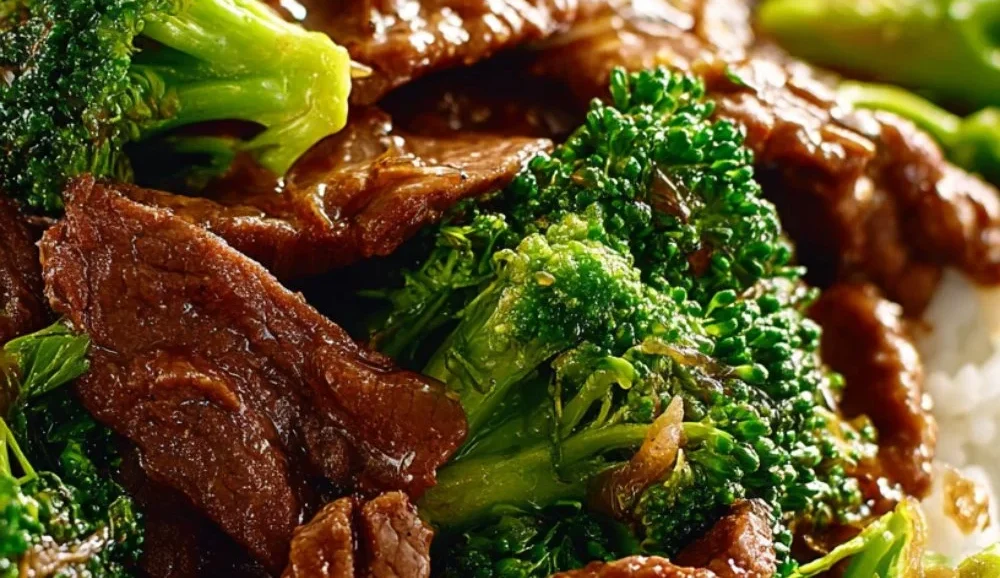
Chinese Beef and Broccoli is a quintessential dish that embodies the marriage of simplicity and complexity within Asian culinary tradition. This dish, known for its vibrant green broccoli and tender strips of beef, serves not only as a picturesque centerpiece but also demonstrates the precision of cooking techniques that have been refined over generations. The harmonious balance between the umami flavors of soy sauce, the subtle sweetness of sugar, and the inherent crunchiness of fresh broccoli creates a dining experience that transcends mere sustenance. As we delve into the intricacies of preparing this classic, we will explore the essential techniques, flavor development, and the culinary logic that underpins each step in the recipe.
The culinary logic behind this dish
Understanding the culinary logic behind Chinese Beef and Broccoli is pivotal to mastering its execution. At its core, this dish is an exemplar of the stir-fry technique, a cooking method prized for its speed and ability to preserve the natural flavors and nutritional integrity of its ingredients. The success of this dish hinges on several key factors: the proper preparation of the beef, the timing of the cooking process, and the deft balance of flavors in the accompanying sauce.
Beef Preparation and Marinade
The beef must be sliced against the grain into thin strips; this technique ensures that each bite is tender and easily chewable. Further, the incorporation of soy sauce, peanut oil, and cornstarch into the marinade plays a crucial role. Soy sauce infuses the beef with depth of flavor and umami, while cornstarch provides a protective coating that helps maintain moisture during cooking. Peanut oil, known for its high smoke point, allows for high-heat cooking without compromising flavor.
Broccoli Integration
The broccoli serves a dual purpose in this dish: its vibrant green color enhances visual appeal, while its crunch adds a textural contrast to the tender beef. Properly steaming the broccoli ensures it retains its bright color, maintains a slight crunch, and absorbs the flavors of the sauce effectively. The brief steaming prior to the stir-fry locks in the nutrients, making the dish not just tasty, but wholesome.
Sauce Composition
The sauce, a harmonious blend of Shaoxing wine, soy sauces, and brown sugar, is crafted to provide a multifaceted flavor profile. Shaoxing wine introduces an aromatic complexity, while the different types of soy sauce contribute varying shades of saltiness and color. Brown sugar rounds out the flavor with its subtle caramel notes, integrating all the components seamlessly.
How to make Chinese Beef and Broccoli
Ingredients:
- 1 lb flank steak, skirt steak, or other cut (*see footnote 1)
- 1 tablespoon soy sauce
- 1 tablespoon peanut oil (or vegetable oil)
- 1 tablespoon cornstarch
- 1/2 teaspoon baking soda ((Optional) (*see footnote 1))
- 1/2 cup chicken stock (or beef stock)
- 2 tablespoons Shaoxing wine (or dry sherry)
- 2 tablespoons soy sauce
- 1 teaspoon dark soy sauce ((*footnote 2))
- 2 teaspoons brown sugar (or white sugar)
- 1 tablespoon cornstarch
- 1 head broccoli, cut to bite-size florets
- 1 tablespoon peanut oil (or vegetable oil) ((*Footnote 3))
- 3 garlic cloves, minced
- 2 teaspoons ginger, minced
Directions:
- Slice the beef against the grain into 0.5 cm (1/4 inch) thick slices or 1-cm (1/2 inch) sticks. Transfer to a small bowl. Add soy sauce, peanut oil, and cornstarch (*Footnote 1). Gently mix well by hand until all the slices are coated with a thin layer of sauce. Marinate for 10 minutes while preparing the other ingredients.
- Combine all the ingredients for the sauce in a medium-sized bowl. Mix well.
- Add 1/4 cup water into a large nonstick skillet over medium-high heat until the water begins to boil. Add the broccoli and cover. Steam until the broccoli just turns tender and the water evaporates, 1 minute or so. Transfer broccoli to a plate. Wipe the pan with a paper towel held in a pair of tongs if there’s any water left.
- Add the oil and swirl to coat the bottom. Heat over medium high heat until hot. Spread the steak in a single layer. Allow to cook without touching for 30 seconds, or until the bottom side is browned. Flip to cook the other side for a few seconds. Stir and cook until the surface is lightly charred and the inside is still pink.
- Add the garlic and ginger. Stir a few times to release the flavor and fragrance.
- Return the broccoli to the pan. Stir the sauce again to dissolve the cornstarch completely and pour it into the skillet. Cook and stir until the sauce thickens, about 1 minute. Transfer everything to a plate immediately. Serve hot as a main dish.
Ingredient analysis through a chef’s lens
Analyzing the core ingredients reveals a wealth of sensory and technical considerations. Each component serves a specific purpose that contributes to the final dish’s integrity.
The Beef
Flank steak and skirt steak are preferred for their flavor and texture. These cuts offer a rich, beefy taste while remaining tender when sliced properly. Further marinating with soy sauce and cornstarch enhances the flavor profile and moisture retention, crucial for achieving the desired textural contrast.
Broccoli
Fresh broccoli florets are vital; they must be crisp, vibrant, and ideally steamed to maintain their bright green hue and antioxidant properties. The timing of this step cannot be underestimated; overcooking results in a loss of both color and texture, detracting from the visual appeal and crunch of the dish.
Aromatics: Garlic and Ginger
Garlic and ginger are essential aromatics that impart nuanced flavors. Their addition should be timed correctly; introducing them after the beef allows them to bloom and release their fragrances, enriching the overall aroma of the stir-fry.
Sauce Composition
The combination of various soy sauces—regular and dark—provides a depth and richness that is characteristic of authentic Chinese cooking. The inclusion of Shaoxing wine heightens the flavor complexity. The balance of sweetness from brown sugar ensures that the sauce is well-rounded, transcending mere saltiness.
Kitchen workflow & technique breakdown
The focus in preparing this dish must be on a well-ordered workflow that capitalizes on the principles of mise en place. Here, we will dissect the steps and analyze the rationale behind the technique used.
- Preparation: Start by gathering and preparing all ingredients. Cut the beef properly against the grain to maintain tenderness, measure out the soy sauce, and slice the garlic and ginger.
- Marination: Waiting for the established marination time allows for flavors to penetrate.
- Steaming the Broccoli: This should occur while the beef is marinating, maximizing efficiency without risking overcooked vegetables.
- Cooking Sequence: Heating the skillet properly and allowing the beef to sear without disturbance plays a vital role—not only does this develop a Maillard reaction, resulting in browning and flavor depth, but it also aids in textural contrast.
- Adding Aromatics: Inserting garlic and ginger once the beef is adequately cooked ensures their delicate flavors are released without burning, which can render them bitter.
- Sauce Integration: Returning the broccoli and combining with the sauce as the final step enhances the dish’s cohesiveness. The cornstarch serves as a thickening agent, adding body to the sauce while ensuring it clings to the beef and broccoli.
Texture control, heat management & timing
The interplay of texture control, heat management, and timing is quintessential to achieving the desired result. Each of these aspects must be meticulously managed to ensure a balanced dish.
- Texture Control: The sliced beef should remain succulent, while the broccoli should offer a crisp bite. Careful attention must be paid to not over-fry the steak or over-steam the broccoli. The fleeting moments of high heat provide a caramelization that enhances texture while preserving moisture.
- Heat Management: Using the correct temperature is crucial in stir-frying. High heat is essential for creating a proper sear on the beef while allowing the broccoli to maintain its integrity.
- Timing: Every step adheres to a strict timeline. The moment the garlic and ginger are introduced must align perfectly with the cooked beef to ensure maximum flavor extraction without loss of integrity, followed closely by the incorporation of broccoli and sauce.
Professional variations
While the classic formulation is a hallmark of excellence, several professional variations can elevate this dish further:
- Protein Alternatives: Consider the use of other proteins such as chicken or tofu for variations aimed at different dietary preferences, adjusting cooking times as necessary.
- Vegetable Enhancements: Incorporating additional vegetables like bell peppers, snap peas, or even mushrooms can enhance nutrition and flavor complexity.
- Sauce Innovations: Experimenting with additional spices such as Sichuan peppercorns or chili oil can introduce layers of heat that diversify the flavor profile while retaining the dish’s integrity.
Finishing touches & plating philosophy
Effective plating serves not merely aesthetic purposes but enhances the culinary experience. The dish should be assembled with consideration to color contrast and textural variety.
- Assembly: Neatly arrange the beef and broccoli in the center of the plate, leveraging height for visual interest.
- Drizzling Sauce: A light drizzle of the thickened sauce over the top can create a glossy finish, enhancing both visual appeal and flavor concentration.
- Garnishing Options: Consider using toasted sesame seeds, thinly sliced scallions, or a sprig of cilantro for a dash of freshness and color, providing a fresh counterpoint to the richness of the beef and sauce.
Maintaining quality after cooking
To ensure the dish retains its quality upon serving, pay attention to temperature management. Ideally, Chinese Beef and Broccoli should be enjoyed immediately after cooking, as the contrast between hot meat and crisp vegetables is paramount to the experience. If prepared in advance, keep components separate until close to serving time to maintain texture. Reheating must be done with care to prevent overcooking, ideally in a pan over medium heat to revive texture rather than volume.
Questions from home cooks (chef answers)
Q: How can I ensure my beef remains tender?
A: The critical factors include slicing against the grain and marinating appropriately in cornstarch and soy sauce. Furthermore, avoid overcooking; aim for a brief period over high heat to achieve a perfect sear.
Q: Can I use frozen broccoli?
A: While fresh broccoli provides superior flavor and texture, if using frozen, ensure it is thoroughly thawed and drained. Quick steaming can revive some crunch, but the fresh option will yield better results.
Q: How can I adapt this recipe for gluten-free diets?
A: Substitute soy sauce with tamari or a gluten-free soy sauce alternative. Ensure all additional ingredients, including the Shaoxing wine, adhere to gluten-free standards.
Q: What should I serve with this dish to complement the flavors?
A: A fragrant jasmine or basmati rice pairs excellently, absorbing the sauce. Alternatively, a quinoa or cauliflower rice base provides a low-carb option while allowing for flavor integration.
Final chef notes
Chinese Beef and Broccoli represents the quintessence of stir-fry—a cuisine rooted in speed, technique, and balance of flavor. By adhering to the precise and methodical techniques outlined, one can achieve this remarkable dish, elevating home dining experiences to those comparable to esteemed establishments. As you embrace the steps delineated herein, remember that every element—from seasoning to timing—plays a pivotal role in crafting a dish that is both beautiful and delectable. Each preparation technique and ingredient selection is an opportunity to perfect the art of stir-frying, creating a memorable meal worthy of any table.