Oven-Baked Cheesy Tacos (Crispy & Loaded) You’ll Love
Introduction
There are nights when food is less about nourishment and more about comfort—about the quiet promise that something warm and familiar will bring everyone back to the table. Cheesy tacos belong to that category of dishes that transcend borders not by tradition alone, but by feeling. They are not bound to one country, one street corner, or one grandmother’s kitchen. Instead, they live in the in-between spaces: weeknight kitchens, family gatherings, and the shared joy of melted cheese stretching as shells crackle softly beneath your fingers.
I’ve eaten tacos on sidewalks in Mexico City at midnight, their tortillas perfumed with smoke and cumin. I’ve eaten them in California kitchens where children argue over toppings. And I’ve eaten versions like these—oven-baked, generously cheesy, and deeply comforting—in homes where the taco has become something new without losing its soul. This dish is a quiet celebration of how food travels, adapts, and settles into our lives, carrying memory with it.
The Origin Story & Regional Influence Behind This Dish
Tacos, at their core, are ancient. Long before ovens and shredded cheddar, Indigenous communities in Mesoamerica wrapped fillings in corn tortillas as a practical, portable meal. The taco was sustenance for workers, travelers, and families—simple, adaptable, and deeply tied to the land.
The cheesy taco, as we know it today, tells a different story. It reflects migration, adaptation, and the blending of culinary identities. As Mexican food crossed borders into the United States, ingredients changed. Cheddar replaced queso fresco. Ovens replaced comales. Ground beef became a staple, not because it was traditional, but because it was available, affordable, and familiar.
Oven-baked cheesy tacos sit comfortably in this lineage of evolution. They are not an imitation of street tacos, nor are they pretending to be. They are a home-kitchen interpretation—a reflection of families who wanted bold flavor with less mess, more crunch, and the universal appeal of melted cheese.
Ingredients Through a Cultural & Historical Lens
Ground beef has become synonymous with many North American taco traditions, a reminder of postwar kitchens where convenience and flavor needed to coexist. In other regions, this filling might be pork, goat, or slow-cooked beef, but here it is humble and accessible.
Onion and garlic are culinary constants across continents, forming the aromatic base of countless dishes—from sofritos to masalas. Their presence grounds the recipe, tying it to kitchens everywhere.
Taco seasoning, whether from a packet or a homemade blend, represents modern shortcuts layered over older spice traditions—chili, cumin, paprika—echoes of indigenous and colonial histories intertwined.
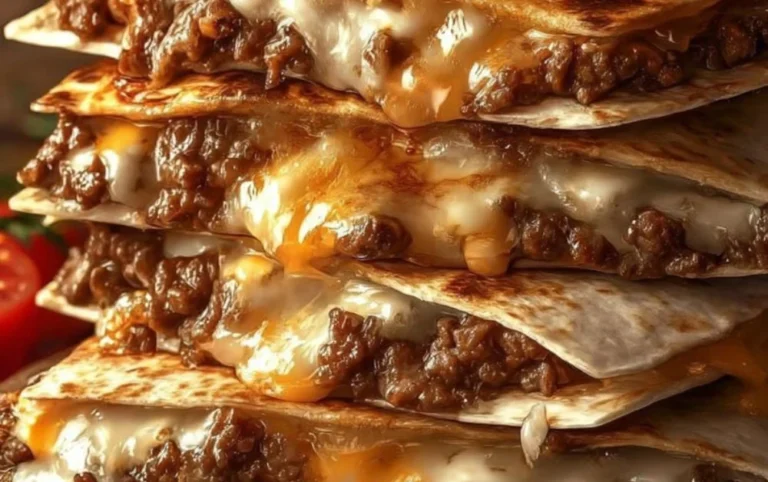
Cheese is where this dish fully claims its identity. Shredded cheddar or a Mexican blend melts into something indulgent and nostalgic, a reminder of casseroles, late-night snacks, and shared plates passed around the table.
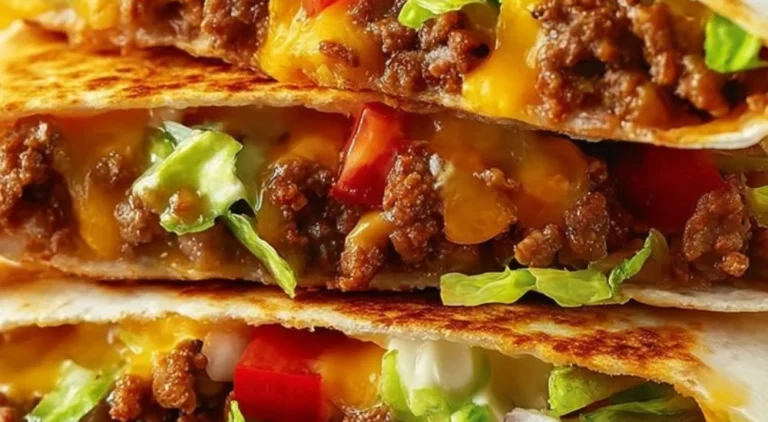
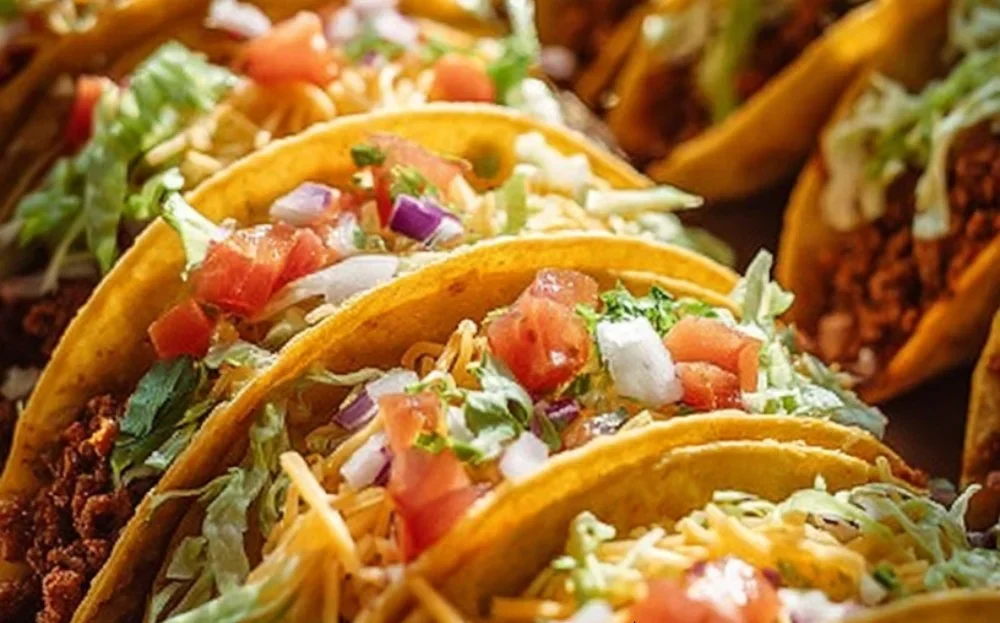
Fresh toppings—lettuce, tomatoes, red onion, cilantro—add brightness and contrast, echoing the universal need for freshness alongside richness. They are not just garnish; they are balance.
Cooking the Dish: Sensory Notes & Traditional Techniques
As the oven warms, the kitchen fills with anticipation. Olive oil shimmers in the skillet, onions soften and sweeten, garlic releases its fragrance. The sound of ground meat hitting the pan is familiar, reassuring.
Seasoning blooms as it simmers with tomato sauce, thickening slightly, coating each bite with warmth and spice. This is not rushed cooking—it’s attentive, even in its simplicity.
Warmed taco shells stand upright, waiting to be filled like open hands. Cheese is scattered generously, knowing it will melt into the spaces between meat and shell, binding everything together.
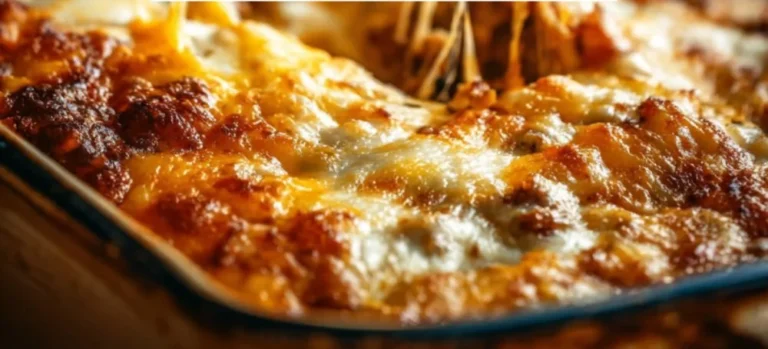
In the oven, transformation happens quietly. Shells crisp at the edges. Cheese melts into a golden layer. What emerges is both structured and indulgent—tacos that hold together yet still crackle when bitten.
How Different Regions Prepare Their Version
In northern Mexico, tacos are often folded soft and eaten immediately, the tortilla itself the star. In coastal regions, seafood replaces meat, and cheese may be absent altogether.
In Tex-Mex kitchens, cheese becomes essential, often layered generously and melted until bubbling. Baking tacos is a natural extension of this tradition—practical for feeding many, forgiving for busy schedules.
In American Midwest homes, oven-baked tacos are a communal dish, lined neatly in pans, served with bowls of toppings that invite personalization. Each region shapes the taco not by rules, but by rhythm—how people cook, gather, and eat.
Traditional Ways This Dish Is Shared or Served
These tacos are rarely eaten alone. They are placed at the center of the table, still hot, surrounded by small bowls of toppings. Someone reaches for sour cream, another for hot sauce. Children build theirs carefully; adults pile theirs high.
This style of serving—interactive, customizable—mirrors taco culture everywhere. The taco is not a plated dish; it is a shared experience, shaped by the hands that assemble it.
Whether served as the main dish or part of a larger spread, oven-baked cheesy tacos invite conversation. They are forgiving. They welcome substitutions. They ask only to be eaten together.
Storing the Dish Without Losing Its Cultural Essence
Leftovers are handled with care. Cooling them completely respects the texture you worked to create. Stored in airtight containers, they rest in the refrigerator, waiting.
Reheating in the oven restores what matters—the crisp shell, the melted cheese. This is not food meant for haste. Even the next day, it deserves a few minutes of patience.
Freezing, too, is possible, another nod to modern life. The taco adapts again, without complaint.
Cultural Questions People Often Ask
People often wonder if tacos like these are “authentic.” The question itself reveals how we think about food—as fixed, rather than living. Authenticity is not frozen in time. It is shaped by people, place, and need.
Others ask about substitutions—different meats, vegetarian fillings, gluten-free shells. These questions reflect what tacos have always been: adaptable, inclusive, and deeply personal.
A Closing Note on Food, Memory & Travel
Every place I’ve traveled, I’ve learned that food tells the truth about how people live. Oven-baked cheesy tacos tell a story of busy evenings, shared tables, and borrowed traditions made personal. They are not about perfection. They are about warmth.
This dish reminds us that cuisine is not only inherited—it is chosen, adapted, and loved. And sometimes, the most meaningful meals are the ones that feel like home, no matter where you are.
Oven-Baked Cheesy Tacos
Ingredients
Method
- Preheat your oven to 375°F (190°C). Lightly grease a baking dish or line it with foil.
- In a skillet, heat the olive oil over medium heat. Add the diced onion and minced garlic, simmering until fragrant.
- Add the ground beef, breaking it up as it browns. Once cooked, stir in the taco seasoning, tomato sauce, salt, and pepper. Let it simmer for about 5 minutes.
- Fill each warmed taco shell with the meat mixture. Sprinkle a generous amount of cheese on top.
- Place the filled taco shells standing side by side in the baking dish.
- Bake for 10–15 minutes, or until the cheese is melted and the tacos are lightly crispy.
- Remove from the oven and top with shredded lettuce, diced tomatoes, red onions, and fresh cilantro. Feel free to add sour cream, guacamole, or hot sauce to taste.