Creamy Low Carb Chicken Casserole

Introduction
As a nutrition specialist, I’m often asked how to make comforting, family-friendly meals that support metabolic health, steady energy, and digestion—without feeling restrictive. This creamy low carb chicken casserole is a strong example of how thoughtful ingredient combinations can deliver satisfaction and nourishment at the same time. It’s warm, rich, and familiar, yet built around protein, fats, and low-glycemic vegetables rather than refined starches.
Casseroles have long been a staple of home cooking because they’re efficient, adaptable, and forgiving. From a wellness standpoint, they also offer an opportunity to layer nutrients in a single dish—protein for muscle repair and satiety, fats for hormone support and flavor, and vegetables for micronutrients and fiber. When designed carefully, a casserole can be a complete, stabilizing meal rather than a carb-heavy indulgence.
This particular recipe relies on cooked chicken, cauliflower, dairy-based fats, and simple seasoning. The result is creamy and savory without relying on flour, breadcrumbs, or pasta. For individuals managing blood sugar, following a lower-carbohydrate eating pattern, or simply aiming for a more balanced plate, this dish fits seamlessly into a health-forward routine.
In the sections that follow, I’ll walk you through how this recipe supports overall wellness, the nutritional role of each main ingredient, how the preparation method influences digestion and nutrient availability, and how to pair or modify the dish to meet a range of health goals—all while keeping the recipe itself exactly as written.
How This Recipe Supports Overall Wellness
At its core, this chicken casserole supports wellness by prioritizing macronutrient balance. Protein anchors the dish, fats provide flavor and satiety, and carbohydrates are kept intentionally low and slow-digesting. This balance helps reduce post-meal blood sugar spikes and promotes longer-lasting fullness.
From a metabolic perspective, meals higher in protein and fat and lower in refined carbohydrates tend to produce a steadier insulin response. That’s particularly helpful for individuals managing insulin resistance, type 2 diabetes, or energy crashes between meals. Even for those without specific metabolic concerns, this balance often translates into better focus and fewer cravings later in the day.
Digestive comfort is another benefit. The recipe avoids heavy starches that can ferment rapidly in the gut for some people. Cauliflower provides fiber without excessive carbohydrate load, while dairy fats slow gastric emptying, helping nutrients absorb more gradually.
There’s also a practical wellness benefit worth noting: simplicity. Meals that are easy to prepare and reheat reduce decision fatigue and make consistent, health-supportive eating more realistic. When nutritious food is already prepared, people are far more likely to eat in alignment with their goals.
Nutrient Roles of Each Main Ingredient
Shredded Cooked Chicken
Chicken is the structural backbone of this dish. It provides high-quality, complete protein containing all essential amino acids. Protein supports muscle maintenance, immune function, and satiety. Using shredded chicken also improves texture and ensures even distribution of protein throughout the casserole, which can help with digestion and portion satisfaction.
Cauliflower Florets
Cauliflower is a low-glycemic vegetable rich in vitamin C, vitamin K, folate, and various phytonutrients. Its fiber supports gut health and regularity, while its mild flavor allows it to absorb the creaminess of the dish without overpowering it. From a nutritional standpoint, cauliflower replaces higher-carbohydrate fillers while still contributing volume and micronutrients.
Cream Cheese
Cream cheese contributes fat-soluble vitamins (A and small amounts of D) along with saturated and monounsaturated fats. Fat plays a critical role in hormone production and nutrient absorption, particularly for fat-soluble vitamins found in vegetables and dairy. The cream cheese also creates a cohesive texture that reduces the need for flour-based thickeners.
Shredded Cheddar Cheese
Cheddar cheese provides calcium, phosphorus, and additional protein. Calcium is essential for bone health, nerve signaling, and muscle contraction. The combination of protein and fat in cheese can also enhance satiety, making meals more filling even with moderate portion sizes.
Chicken Broth
Chicken broth adds moisture and flavor while contributing minerals such as sodium, potassium, and trace amounts of magnesium. Adequate sodium intake is especially important for individuals eating lower-carb diets, as carbohydrate reduction can increase sodium excretion.
Sour Cream
Sour cream adds richness and tang while supplying fats that slow digestion. Fermented dairy products like sour cream can be easier to tolerate for some individuals due to partial lactose breakdown, though tolerance varies from person to person.
Garlic Powder and Onion Powder
These seasonings add flavor complexity without added sugar or carbohydrates. Garlic and onion compounds are associated with antioxidant and anti-inflammatory properties, even in powdered form.
Olive Oil (Optional)
Olive oil contributes monounsaturated fats and polyphenols known to support cardiovascular health. Even a small amount used for greasing the dish adds beneficial fats without altering the recipe’s structure.
The Preparation Method & Its Health Impact
The preparation method used in this chicken casserole is gentle and nutrient-preserving. Baking at 350°F allows the ingredients to heat evenly without excessive oxidation of fats or over-browning of proteins. This moderate temperature helps maintain the integrity of dairy fats and reduces the formation of potentially irritating compounds that can develop at higher heat levels.
Mixing the ingredients before baking ensures even distribution of protein, fat, and vegetables. This consistency matters more than many people realize—balanced bites promote slower eating and more uniform digestion, which can improve satiety signals.
Allowing the casserole to cool slightly before serving is another subtle but meaningful step. Cooling lets proteins relax and fats set, improving texture and reducing the likelihood of digestive discomfort that sometimes comes from eating foods straight out of the oven.
Ways to Lighten, Enrich or Modify the Dish Nutritionally
Without changing the original ingredients or steps, there are thoughtful ways to adapt how this dish fits into different nutritional frameworks.
For those aiming to lighten overall caloric density, mindful portioning is key. Pairing a smaller serving of the casserole with high-fiber vegetables or leafy greens increases meal volume without increasing calories significantly.
To enrich the meal nutritionally, consider adding nutrient-dense sides rather than altering the casserole itself. A salad with olive oil and lemon or steamed vegetables tossed with herbs can round out the micronutrient profile.
If digestion is a concern, eating slowly and chewing thoroughly can make a meaningful difference, especially with creamy, protein-rich dishes. Individuals sensitive to dairy may also benefit from smaller portions paired with non-dairy sides.
For athletes or highly active individuals, this casserole can serve as a protein-dense base. Adding additional protein at another meal or increasing overall daily carbohydrate intake elsewhere can support training demands without changing this recipe.
Pairing Ideas for a Balanced, Complete Meal
Although this chicken casserole is satisfying on its own, pairing it strategically can enhance both nutrition and enjoyment.
A crisp green salad with mixed greens, cucumber, and a light vinaigrette adds fiber, potassium, and digestive enzymes. The acidity from the dressing also helps balance the richness of the casserole.
Steamed or roasted non-starchy vegetables—such as broccoli, zucchini, or green beans—add color, antioxidants, and volume. These vegetables complement the creamy texture while supporting gut health.
For individuals who include carbohydrates in their diet, a small serving of quinoa, lentils, or roasted root vegetables at another meal during the day can help maintain balance without overwhelming blood sugar at one sitting.
Safe Storage, Food Safety & Optimal Reheating
Proper storage is essential for both safety and quality. Once cooled, leftovers should be transferred to an airtight container and refrigerated promptly. Stored correctly, the casserole remains safe and palatable for three to four days.
When reheating, gentle heat is best. Using an oven or microwave on a moderate setting helps preserve texture and prevents the fats from separating. Stirring halfway through reheating can promote even warmth and reduce hot spots.
If freezing leftovers, portioning before freezing makes reheating easier and reduces waste. Thawing overnight in the refrigerator is preferable to rapid thawing at room temperature, which can compromise food safety.
Common Nutrition Questions About This Dish
Is this casserole appropriate for weight management?
Yes, when portioned appropriately. Its protein and fat content promote satiety, which can help reduce overall calorie intake across the day.
Does this dish support blood sugar control?
The low carbohydrate content and balanced macronutrient profile make it suitable for individuals aiming to maintain stable blood glucose levels.
Is it suitable for meal prep?
Absolutely. The texture holds up well after reheating, and the flavors often deepen after a day in the refrigerator.
Can it fit into a heart-healthy diet?
In moderation, yes. Pairing it with fiber-rich vegetables and balancing saturated fat intake across the day supports cardiovascular health.
Final Wellness Notes
This creamy low carb chicken casserole demonstrates that nourishing food doesn’t need to be complicated or restrictive. By emphasizing protein, thoughtful fats, and low-glycemic vegetables, it delivers comfort while supporting metabolic stability, digestion, and sustained energy.
As with any dish, context matters. How it fits into your overall eating pattern, activity level, and personal tolerance will determine its role in your routine. When enjoyed mindfully and paired with a variety of whole foods, this casserole can be a reliable, satisfying option that supports both health and enjoyment.
Conclusion:
Comfort food and wellness are not opposing goals. This recipe shows how familiar flavors and textures can coexist with nutritional balance. With simple preparation, smart pairings, and mindful portions, this chicken casserole can be a regular, health-supportive part of your kitchen rotation.
Creamy Low Carb Chicken Casserole
Ingredients
Method
- Preheat the oven to 350°F (175°C).
- In a large mixing bowl, combine the shredded chicken, cauliflower florets, cream cheese, cheddar cheese, chicken broth, sour cream, garlic powder, onion powder, salt, and pepper. Mix well.
- Grease a casserole dish with olive oil if desired. Pour the chicken mixture into the dish and spread it evenly.
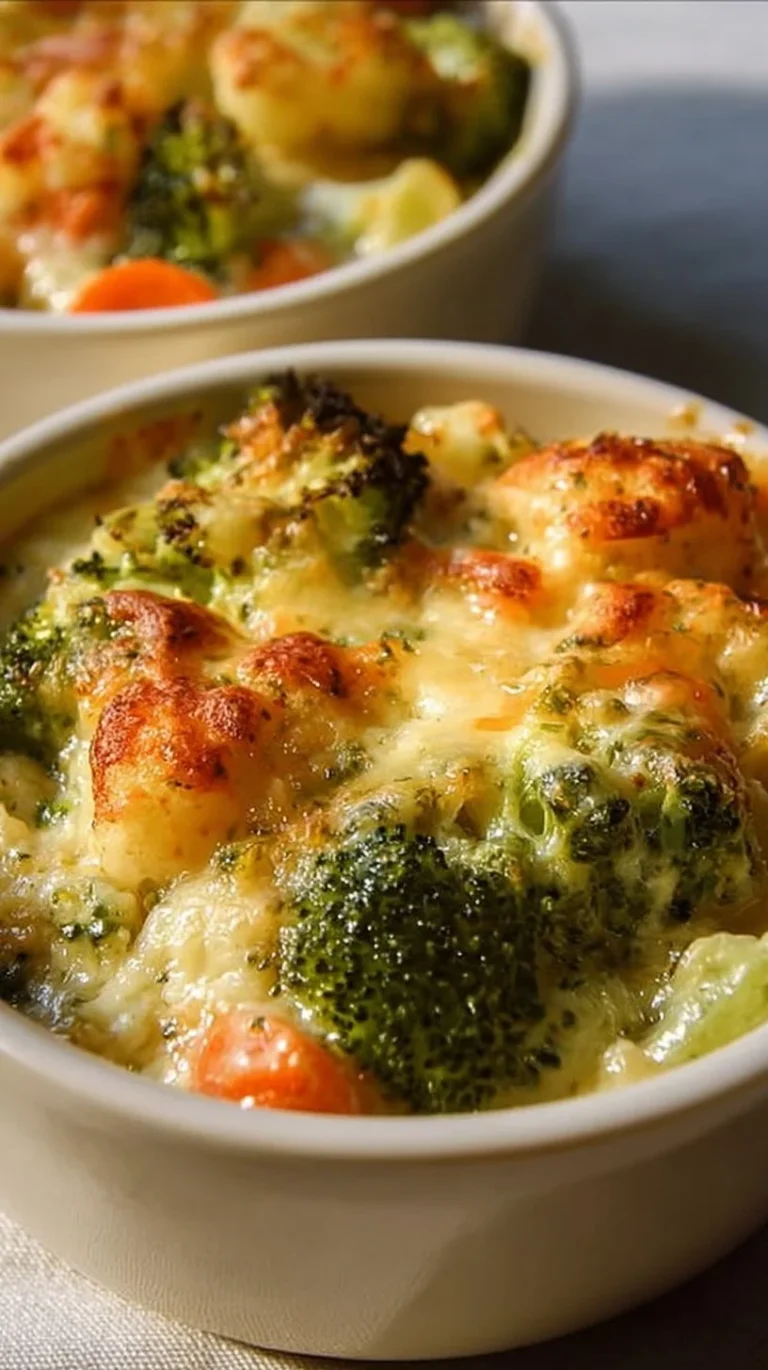
- Bake in the preheated oven for 30-35 minutes or until the casserole is bubbly and golden on top.
- Let cool for a few minutes before serving.