French Herb Roasted Chicken
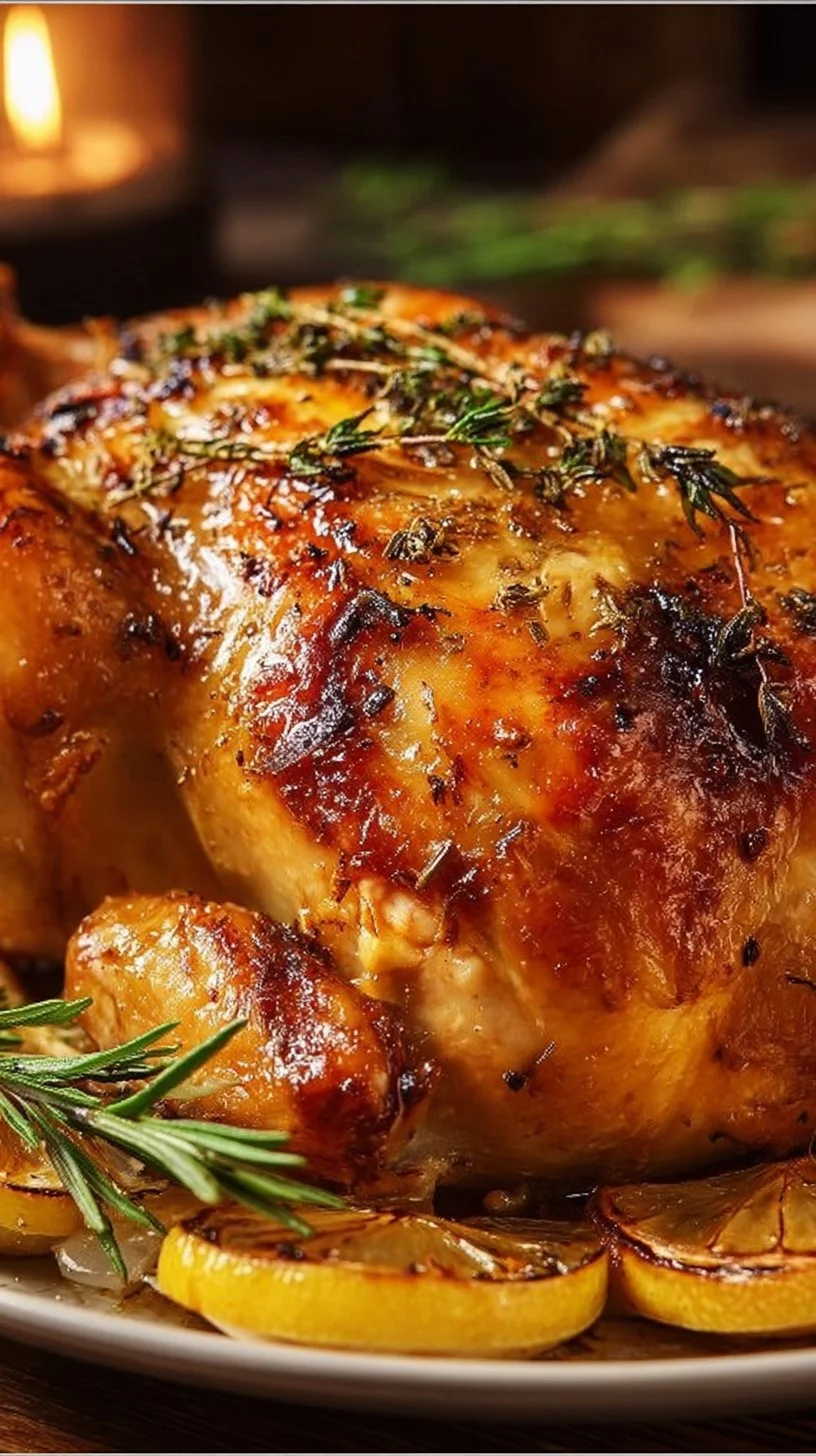
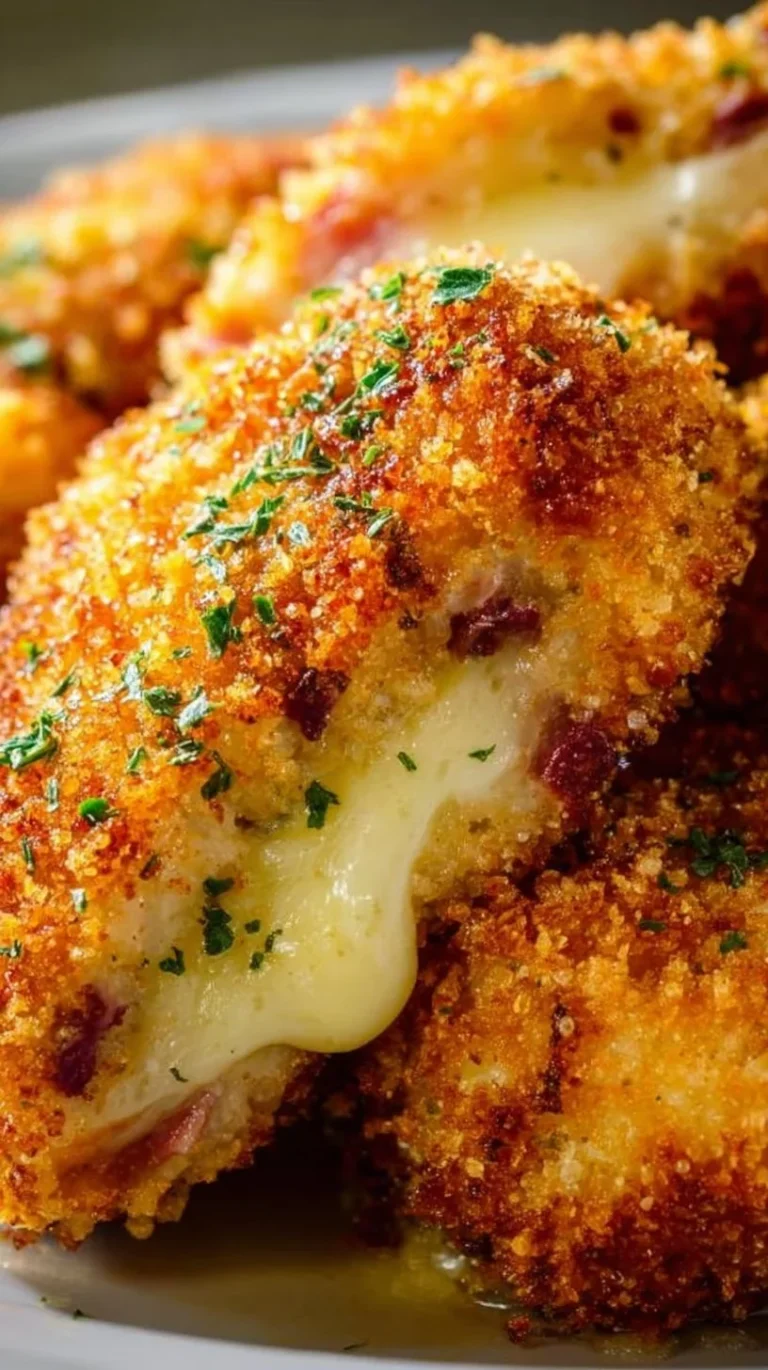
This French Herb Roasted Chicken is a study in controlled roast technique and subtle herb integration. The recipe’s architecture—high initial heat, careful drying, fat coating, herb infusion under the skin, and a brief rest—creates a whole-bird roast that prioritizes crisp, golden skin, evenly cooked meat, and a concentrated aromatic profile. For a technical reference on how similar roasting principles apply to composed chicken dishes, review the method used in baked chicken cordon bleu, which shares an emphasis on moisture control and layered flavor.
The following sections unpack the reasoning behind every step, analyze ingredients through a chef’s lens, detail workflow and timing suggestions for consistent results, and offer professional variations while preserving the original recipe’s proportions and steps.
The culinary logic behind this dish
At its core, this recipe uses three fundamental culinary strategies: dehydration of the skin surface to promote browning, application of fat to transfer heat and flavor, and direct placement of aromatics both under the skin and in the cavity to deliver layered perfume without diluting meat juices. High initial oven temperature (425°F / 220°C) triggers Maillard reactions quickly, producing a nutty, savory crust. Rubbing the bird with olive oil improves heat conduction and aids in even color development; salt applied directly to the skin draws moisture to the surface where it can evaporate, concentrating protein and intensifying flavor. The under-skin herb paste delivers volatile oils directly to the meat, minimizing loss to the oven air and ensuring herb flavors penetrate the flesh during the roast rather than only seasoning the skin.
The use of lemon halves and onion in the cavity is strategic: aromatics in the cavity radiate steam and aromatics into the breast, keeping interior meat hydrated while imparting citrus brightness and onion sweetness. The resting period after roasting is essential to redistribute concentrated juices that accumulate near the center during cooking; carving too soon results in loss of these juices and a dry texture.
How to make French Herb Roasted Chicken
This section emphasizes execution and touch rather than repeating procedural text. Execute each step with intention: when patting the chicken dry, use paper towels to remove every visible drop of surface moisture—this is not merely cosmetic. When applying olive oil, warm it slightly in your hands before rubbing; warmed oil spreads more readily, creating a uniform sheen without pooling. When mixing and inserting the herb-garlic blend, use your fingers to separate skin from meat carefully—create a pocket without tearing. Tuck the wing tips under the body to prevent over-browning. Use an instant-read thermometer to monitor doneness; insert laterally into the thickest part of the thigh without contacting bone to get the truest reading.
Ingredients :
1 whole chicken (about 4-5 pounds), 2 tablespoons olive oil, 2 teaspoons salt, 1 teaspoon black pepper, 2 tablespoons fresh thyme, chopped, 2 tablespoons fresh rosemary, chopped, 4 cloves garlic, minced, 1 lemon, halved, 1 onion, quartered
Directions :
- Preheat your oven to 425°F (220°C)., 2. Pat the chicken dry with paper towels and place it in a roasting pan., 3. Rub the olive oil all over the chicken, then season with salt and pepper., 4. In a small bowl, mix thyme, rosemary, and garlic. Rub this herb mixture under the skin and all over the chicken., 5. Stuff the cavity with lemon halves and onion quarters., 6. Roast in the preheated oven for about 1 hour and 15 minutes, or until the internal temperature reaches 165°F (74°C)., 7. Let the chicken rest for 10-15 minutes before carving. Serve and enjoy.
Ingredient analysis through a chef’s lens
- Whole chicken (4–5 lb): This size balances cook time and yield. The mass is sufficient to retain moisture during high-heat roasting while allowing even heat penetration to the center within a reasonable window. Smaller birds will cook faster and risk drying; larger birds will require time adjustments.
- Olive oil (2 tbsp): Chosen for smoke point and flavor neutrality; it encourages skin crisping without masking herb nuances. Apply in a thin, even layer—excess oil promotes irregular browning and can pool in the pan.
- Salt (2 tsp): Salt quantity is calibrated for a whole bird; it seasons both surface and inner flesh redistributed during rest. Use kosher salt if possible for even seasoning. Salt also affects protein structure at the surface, improving Maillard color.
- Black pepper (1 tsp): Freshly cracked for volatile aroma; pepper is applied conservatively to complement rather than dominate the herbs.
- Fresh thyme & rosemary (2 tbsp each): Fresh herbs provide volatile essential oils that vaporize during roasting. Herb placement under the skin maximizes transfer to meat fibers; chopped herbs increase surface area for oil release.
- Garlic (4 cloves): Minced garlic offers pungency that mellows with heat. Minced rather than whole ensures garlic flavor is present in small, distributed pockets.
- Lemon & onion: Acid and aromatics used in the cavity create a moist microclimate and impart subtle brightness and sweetness to the breast meat.
Kitchen workflow & technique breakdown
Efficiency preserves texture and flavor. Organize mise en place: combine herbs and garlic in a bowl, halve the lemon and quarter the onion, and position paper towels, oil, salt, and pepper within immediate reach. Preheat the oven fully—an oven that hasn’t reached 425°F will prolong the time the bird spends in the zone where collagen is not fully breaking down, risking dry breast with undercooked thighs.
Patting dry and oiling should be consecutive actions to avoid surface rehydration. When working under the skin, initiate separation at the neck flap or cavity opening; glide fingers gently to create even space from breastbone to leg. Distribute the herb paste evenly; clumping will cause localized browning and flavor pockets. Use a roasting rack in the pan if you want maximum air circulation under the bird; direct pan contact promotes even bottom caramelization if a rack is unavailable.
Consider staging the roast: if your oven runs hot or you want more even thigh doneness, start at 425°F for 15–20 minutes and then drop to 375°F for the remainder, though this modifies the specified single-temperature step—only consider it if you observe uneven coloring or over-browning during practice.
For monitoring doneness, rely on internal temperature rather than time alone. Insert the thermometer late in the cook to avoid frequent heat loss from the oven.
For professional practice and adaptation of these workflow principles to other composed chicken preparations, examine how similar timing and handling are applied in a BBQ chicken flatbread, which requires coordinated timing for toppings and crust.
Texture control, heat management & timing
Texture is determined by a combination of heat profile and resting. High initial heat produces a crisp exterior while sealing surface proteins, then the internal heat continues to denature collagen and render subcutaneous fat. Achieving a 165°F (74°C) internal temperature in the thickest thigh tissue ensures food safety while retaining succulence; note that carryover cooking will raise the core temperature a few degrees during resting. This is why a 10–15 minute rest is non-negotiable.
If you find the breast reaches temperature before the thighs, tent the breasts loosely with foil to slow surface browning while thighs finish. Conversely, if thighs are done and breast under, finish breast with a brief blast under a salamander or the oven broiler for color, watching closely to avoid drying. Pay attention to skin color: deep golden-brown indicates well-developed Maillard flavors, while mahogany and small blistering indicate a more caramelized, slightly bitter profile—use sparingly.
Professional variations
Maintain the ingredient list and directions as given, but consider technique-level variations for distinct results:
- Trussing: Trussing the bird tightens the cavity, promoting even cooking and preventing wing and leg over-browning. Professional kitchens often truss with butcher’s twine for consistent portion appearance.
- Compound butter alternative: For similar herb infusion, soften unsalted butter with the herb-garlic mixture and place under the skin. This increases richness and improves heat transfer while keeping the ingredient list intact insofar as the herb proportions remain the same—but note this introduces a different fat source than specified, so only consider if intentionally varying technique.
- Spatchcocking: Flattening the bird accelerates cook time and increases surface area for crisping. This contradicts the whole-bird presentation, so use only when time constraints demand it.
These variations adjust technique but not the basic ingredient relationships that define the dish.
Finishing touches & plating philosophy
Finish with restraint. After resting, carve with deliberate strokes to preserve juices; slice breast thin against the grain to maximize tenderness, and separate leg and thigh for even portioning. For plating, place a breast slice centrally with a leg and thigh arranged slightly overlapping; reserve a spoon of pan juices to glaze the meat rather than drowning it. Add a few visible sprigs of fresh thyme or a light grind of black pepper to signal flavor components.
If pairing this roast with composed sides, think in terms of texture and moisture contrasts: a starch that absorbs juices and a bright vegetable accompaniment. For ideas on using roasted chicken as a topping or inclusion in composed comfort dishes, the workflow parallels what is used in BBQ chicken mac and cheese, where timing and leftover handling are considered to preserve texture.
Maintaining quality after cooking
Cool and store properly to maintain quality. If you have leftovers, carve and cool to room temperature within two hours, then refrigerate in shallow, covered containers to expedite cooling and reduce bacterial risk. Reheat gently: use a low oven (275–300°F) with a splash of stock or water covered with foil to restore moisture, or reheat slices in a skillet with a lid to rehydrate while preserving crust. Avoid microwave reheating for whole portions, which collapses texture and causes uneven heating.
For longer storage, debone and vacuum-seal cooked meat; removing bones and excess fat reduces freezer burn and allows quicker thawing and reheating for applications.
Questions from home cooks (chef answers)
Q: How critical is the 425°F starting temperature?
A: It is important for initial crust development. High heat accelerates Maillard reactions on the skin, locking in flavor and producing the desired color quickly. If your oven cannot sustain 425°F, increasing initial time at a slightly lower temperature will not completely substitute for the rapid browning effects, and you may need to extend total cook time.
Q: Can I use dried herbs instead of fresh?
A: Fresh herbs are recommended here because their volatile oils provide immediate aromatics when placed under the skin. If using dried, reduce quantity (dried herbs are more concentrated in flavor) and consider rehydrating briefly with a small amount of olive oil to release oils—however, this is a modification of texture and aroma delivery.
Q: What if my bird’s internal temperature reads higher than 165°F in the wing but not thigh?
A: Thermometer placement matters—measure in the thickest part of the thigh without touching bone. Wings heat faster due to less mass; trust the thigh reading for doneness.
Final chef notes
Precision and restraint are the pillars of this preparation. Respect the ingredient ratios and sequence: dryness at the outset, oil and salt for skin and flavor, herb infusion under the skin for concentrated aromatics, and a cavity-stuffed microclimate that prevents interior drying. Use the thermometer as your primary decision tool, and allow adequate rest time to optimize succulence. With consistent technique, this dish will yield predictable, refined results that showcase the harmonious interplay of heat, herb, and citrus.
Conclusion
For a Provençal interpretation that emphasizes herb-forward roasting, consult French Roast Chicken with Herbes de Provence – Feast and Flight for comparative technique notes. If you seek an alternate presentation and plating ideas for roasted chicken, review the method detailed at French Roasted Chicken – What A Girl Eats. For historical and technical background on poulet rôti preparations in classical technique, see French Roast Chicken ~ Poulet Rôti – Leite’s Culinaria.
French Herb Roasted Chicken
Ingredients
Method
- Preheat your oven to 425°F (220°C).
- Pat the chicken dry with paper towels and place it in a roasting pan.
- Rub the olive oil all over the chicken, then season with salt and pepper.
- In a small bowl, mix thyme, rosemary, and garlic. Rub this herb mixture under the skin and all over the chicken.
- Stuff the cavity with lemon halves and onion quarters.
- Roast in the preheated oven for about 1 hour and 15 minutes, or until the internal temperature reaches 165°F (74°C).
- Let the chicken rest for 10-15 minutes before carving. Serve and enjoy.