Vegetarian Pasta Primavera
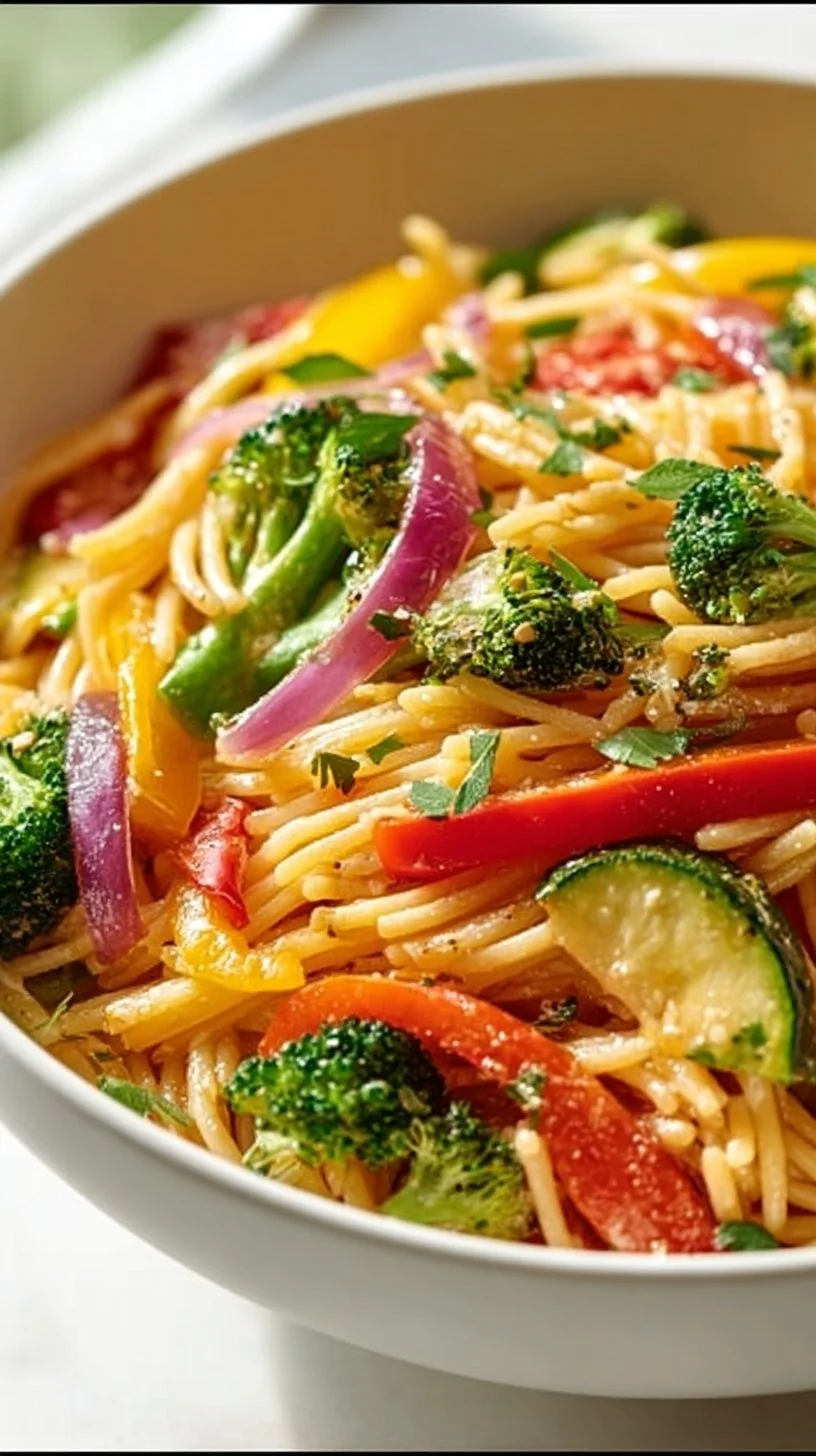
Vegetarian Pasta Primavera is a study in restraint: a straightforward pasta preparation that relies on precise timing and clear technique to transform a handful of vegetables and pantry staples into a balanced, vibrant plate. The success of this dish lies less in elaborate seasoning and more in control — of carryover heat, oil distribution, and textural contrast between pasta and produce. Approach it as a composed course rather than a tossed assembly; each component should be cooked to a specific doneness so the final dish presents distinct textures and layered aromas.
For cooks interested in sequencing and efficient stovetop work, reviewing a compact one-skillet method such as one-pot creamy garlic pasta can provide practical ideas for consolidating equipment without sacrificing control.
This article examines the recipe through a professional lens: why each step matters, how to manage heat and moisture, and how to extract maximum flavor from modest ingredients while keeping the recipe exactly as written.
The culinary logic behind this dish
Pasta Primavera is fundamentally about contrast — soft, al dente pasta against crisp-tender vegetables, a silky coating of oil against bright, fresh aromatics, and the occasional umami of aged cheese. The order of operations in the provided directions is deliberate: cook the pasta separately to control its texture and prevent starch-swollen sauce that would mask the vegetables; sweat the garlic briefly to release volatile aromatics without browning; then introduce sturdier vegetables first before the delicate ones to ensure uniform doneness.
Olive oil serves as the flavor carrier and heat medium; it extracts and disperses the volatile oil-soluble compounds from garlic and bell pepper while providing a glossy coating that helps the pasta adhere to the vegetables. Cherry tomatoes contribute rapid acidity and a burst of juiciness; cooked briefly, they soften and release a concentrated, slightly caramelized sweetness that tethers the dish. Spinach, folded in last, wilts quickly and provides an herbaceous lift without adding significant moisture when properly handled. The result should be a harmonious plate where temperature, texture, and seasoning are in precise alignment.
How to make Vegetarian Pasta Primavera
When executing this recipe at a professional standard, preparation and timing are as important as the individual cooking actions. Mise en place is essential: have the vegetables uniformly sliced or julienned, garlic minced, and pasta water ready if you choose to use some of it to adjust the sauce’s viscosity. Although the directions do not call for reserved pasta water, understanding how starch can tie a coating to the pasta is useful for refinement — use only a tablespoon or two when needed to achieve a silky finish without diluting flavor.
Start by timing the pasta so it finishes just before or concurrently with the vegetables’ final heating stage. Drain and set aside thoroughly to avoid introducing excess water to the skillet. Heat the olive oil over medium so it is hot enough to shimmer but not smoke; this temperature allows the garlic to sauté quickly and the vegetables to begin to caramelize on contact while maintaining internal crunch.
When adding garlic, limit its contact with high heat to about a minute so it softens and becomes fragrant without browning, which would introduce bitterness. Introduce the bell pepper, zucchini, and carrot next; these vegetables have different water contents and textures, so cutting them to similar thickness (slices and julienne) ensures even cooking. Cook until they begin to soften — this retains bite while allowing some Maillard reaction on the edges that adds complexity.
Add the cherry tomatoes for brief cooking so their skins loosen and they release sweet-acid juices; this adds a glossy, lightly sauced component without a heavy cream or butter base. Spinach wilts rapidly — fold it in and allow the residual heat to finish it. Reincorporate the cooked pasta into the skillet and toss thoroughly so each strand or piece is coated in oil and vegetable juices. Finish by seasoning judiciously with salt and pepper, and offer Parmesan at service to introduce savory umami and a textural contrast.
Ingredients :
8 oz pasta (spaghetti or any preferred type), 2 tablespoons olive oil, 1 bell pepper (sliced), 1 zucchini (sliced), 1 carrot (julienned), 1 cup cherry tomatoes (halved), 2 cups spinach, 2 cloves garlic (minced), Salt and pepper to taste, Parmesan cheese (for serving, optional)
Directions :
- Cook pasta according to package instructions. Drain and set aside., 2. In a large skillet, heat olive oil over medium heat., 3. Add garlic and sauté for about 1 minute until fragrant., 4. Add bell pepper, zucchini, and carrot. Cook until they begin to soften, about 5 minutes., 5. Stir in cherry tomatoes and cook for another 2 minutes., 6. Add spinach and cooked pasta to the skillet. Mix well and cook for an additional 2-3 minutes until heated through., 7. Season with salt and pepper., 8. Serve warm, topped with Parmesan cheese if desired.
Ingredient analysis through a chef’s lens
Each ingredient plays a specific role beyond flavor. The pasta is the starch vehicle and should be chosen based on the textural intent — long pasta like spaghetti provides a different mouthfeel than short shapes; use what you prefer but respect cooking times to reach al dente. Olive oil is the emulsifying and flavor medium; a fruity, well-balanced extra-virgin olive oil enhances aroma and sheen, while a neutral oil will render a flatter profile.
Bell pepper brings aromatic sweetness and a high surface area for light charring if volumes or pan temperature permit. Zucchini contributes a subtly vegetal sweetness and a tender bite; its cell structure collapses quickly, so slice it to a thickness that allows it to soften without disintegrating. Carrot, julienned, provides sweetness and crunch; because it’s denser, the julienne cut reduces required cook time and harmonizes texture with the other vegetables.
Cherry tomatoes act as a micro-sauce, releasing concentrated acidity and juice when heated briefly; they balance the oil’s weight and the pasta’s starch. Spinach is primarily an herbaceous green that wilts to add silkiness and color; because it releases some liquid as it cooks, add it at the end. Garlic, used sparingly, is the aromatic pivot — it must be softened but not browned. Parmesan, optional in this vegetarian context, offers aged umami and fine granular texture that glues the components together when grated finely at service.
Kitchen workflow & technique breakdown
Efficient workflow reduces overcooking and improves final texture. Set all vegetables on a single cutting board and cut to consistent dimensions; group them by cook-time (carrot and bell pepper together, zucchini slightly later, tomatoes and spinach last). Preheat the skillet while the pasta cooks so you can move quickly from draining to sautéing. Heating the pan properly ensures immediate contact heat, which produces desirable surface coloration on vegetables rather than slow, soggy steaming.
Use a wide, shallow skillet to maximize surface contact; overcrowding will drop the pan temperature and cause steaming rather than sautéing. Work in a steady rhythm: garlic first to flavor the oil, then the vegetables according to density, then tomatoes, then greens and pasta. If you need to shuttle components between burners or bowls, use a warmed holding vessel to avoid chilling the dish. For cooks managing multiple dishes, the principles used here mirror those in composed pasta plates such as roasted protein pastas — consider reviewing complementary techniques in recipes like dreamy garlic butter chicken and bowtie pasta for protein integration and pan-sauce building that can be adapted to this vegetable-forward template.
Texture control, heat management & timing
Timing is the central technical challenge. Cook pasta to al dente, stopping it slightly firmer than you might for a heavy sauce — residual heat in the skillet will bring it to perfect doneness. When sautéing, maintain medium heat: high enough for surface color but low enough to control moisture release. If the pan gets too hot, garlic will scorch; too cool, and the vegetables will stew and lose textural contrast.
Watch the vegetables closely. Five minutes for substantial softening is adequate for sliced bell pepper, zucchini, and julienned carrot in a preheated pan; adjust by 30-second increments based on thickness and pan carryover. Tomatoes need only about two minutes to soften and release juices; overcooking them will create an overly loose sauce and diminish their fresh brightness. Spinach requires the shortest time — fold and allow residual heat to wilt it rather than vigorous sautéing that will collapse its structure and increase moisture.
For a glossy, clingy finish, you may add a tablespoon of reserved pasta water (not required by the recipe) if the pasta seems dry; do so sparingly and off-heat to avoid creating a watery emulsion. For professional timing, coordinate the final toss so pasta and vegetables meet in the skillet with minimal lag — the heat and oil should be active to marry the components immediately. If you need additional reference on coordinating stovetop timing across courses, consult an example like crock-pot creamy cajun chicken pasta for broader scheduling strategies, even though its equipment differs.
Professional variations
Remain faithful to the ingredient list but consider technique-driven variations that do not alter measurements: quickly blister the bell pepper at higher heat for a few seconds to heighten sweetness; lightly salt the zucchini before cooking to draw and then discard excess moisture, concentrating texture; roast the cherry tomatoes briefly in the oven to concentrate sugars if a more caramelized profile is desired, then add them to the skillet for final warmth. None of these changes require new ingredients or quantities — they are purely procedural choices that shift flavor and texture within the original recipe framework.
Alternatively, finish with a controlled emulsion: lift the pan off the heat and whisk in a tablespoon of olive oil to bind juices to pasta, producing a silkier mouthfeel without adding cream or butter. This technique creates a restaurant-level sheen and better flavor integration while preserving the recipe’s vegetarian character.
Finishing touches & plating philosophy
Plate with intention. Toss the pasta and vegetables lightly to release steam just before serving; avoid heavy clumping. Use a shallow bowl or wide plate to display color contrasts — the orange of carrot, green of spinach, red of cherry tomato, and pale zucchini slices should be distinct. Sprinkle Parmesan sparingly at service to introduce savory depth and a delicate granular texture that dissolves on the hot pasta. A final flick of freshly cracked black pepper adds aromatic volatility and a subtle textural bite.
Serve immediately. The dish is built around contrasts that degrade with time; prolonged standing will soften vegetables and mute aromatics. If you must hold the dish briefly, cover it loosely to prevent condensation from forming and reheat gently over low heat, stirring to restore cohesion.
Maintaining quality after cooking
Vegetarian Pasta Primavera is best consumed within minutes of completion. If you must store leftovers, cool rapidly and refrigerate in an airtight container for no more than 24–36 hours to preserve texture. Reheat gently in a skillet over low heat with a tablespoon of olive oil; add a splash of water or reserved pasta water to refresh the pasta and loosen any congealed oil. Avoid high microwave heat, which will create uneven rupturing of vegetable cells and a mealy pasta texture.
For make-ahead strategies, undercook the pasta by one minute and shock the vegetables in an ice bath to halt cooking; reheat quickly in a hot skillet to finish. These steps preserve al dente integrity and prevent a mushy final product.
Questions from home cooks (chef answers)
Q: Can I use frozen vegetables instead of fresh?
A: Frozen vegetables introduce more free water and tend to release it quickly when heated, which can dilute the oil coating and steam the pasta. If using frozen, thaw and pat dry aggressively, then increase sauté time to drive off excess moisture and encourage some surface color.
Q: Is it necessary to drain the pasta completely?
A: Yes, drain to avoid excess starchy water that can create a diluted final texture. If you find the dish too dry, add reserved pasta water in small increments to achieve a cohesive sheen.
Q: How do I prevent garlic from burning?
A: Use medium heat and add garlic to hot oil, not smoking oil. Sauté for about 60 seconds until fragrant; if the pan is too hot, remove it from the heat briefly or reduce the flame and continue with the next ingredient once the temperature stabilizes.
Q: Can I add lemon?
A: Lemon juice or zest can brighten the plate, but add sparingly just before service to avoid overpowering other components and to prevent the acid from breaking down the vegetable texture.
Q: How should I adjust salt?
A: Season in stages: a little in the cooking water for the pasta, a pinch while sautéing the vegetables, and final seasoning at the end. This layered approach ensures even seasoning without oversalting.
Final chef notes
Treat this recipe as a template for precision. The listed ingredients and directions are intentionally economical; your leverage comes from technique: knife cuts, heat control, timing, and finishing. Minor procedural adjustments — blistering, gentle emulsification, or brief roasting — can elevate the final plate without changing the ingredient list or proportions.
When training kitchen rhythm, practice cooking the vegetables and pasta in sync so the final toss is immediate. That single move — a hot pan, a glossy coat of oil, a rapid incorporation of pasta and greens — defines the difference between a competent home meal and a restaurant-quality plate.
Conclusion
For additional inspiration on variations and plating for vegetable-forward pasta dishes, review this Pasta Primavera Recipe – Love and Lemons which highlights vegetable treatment and finish ideas. If you seek a closely related home-cook approach with clear, stepwise technique, see this Pasta Primavera (Delicious Easy Recipe!) – Cooking Classy for alternative vegetable combinations and timing notes. For troubleshooting and practical tips from a high-volume home-cook perspective, consult this Pasta Primavera – RecipeTin Eats which provides useful insights on texture control and ingredient handling.
Vegetarian Pasta Primavera
Ingredients
Method
- Cook pasta according to package instructions. Drain and set aside.
- In a large skillet, heat olive oil over medium heat.
- Add garlic and sauté for about 1 minute until fragrant.
- Add bell pepper, zucchini, and carrot. Cook until they begin to soften, about 5 minutes.
- Stir in cherry tomatoes and cook for another 2 minutes.
- Add spinach and cooked pasta to the skillet. Mix well and cook for an additional 2-3 minutes until heated through.
- Season with salt and pepper.
- Serve warm, topped with Parmesan cheese if desired.