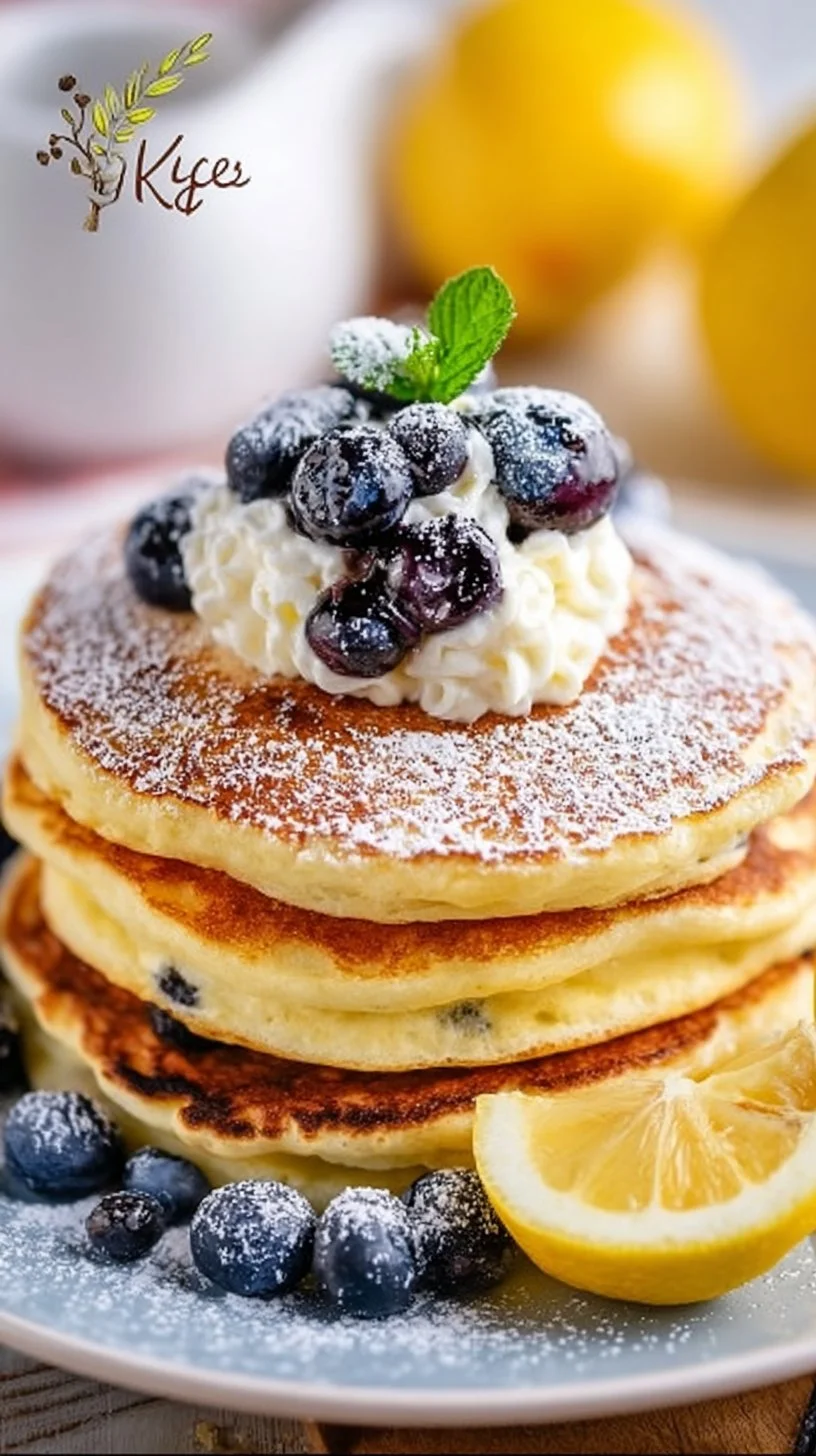
Lemon Ricotta Pancakes
AARON Introduction
Lemon Ricotta Pancakes are a light, tangy twist on a classic breakfast staple. As a nutrition specialist, I look at recipes through a lens of digestion, nutrient density, and how a meal fits into overall dietary balance. These pancakes pair a soft, protein-rich cheese with flour and eggs to create a tender, satisfying stack that can be enjoyed as part of a balanced morning or weekend meal. If you appreciate bright citrus and creamy textures, you might also enjoy a lemon-and-ricotta option on toast like this lemon blueberry ricotta toast with honey, which shares complementary flavor and nutrient themes.
This introduction sets expectations: this is not a miracle food nor an all-purpose solution for health, but a delicious way to bring quality protein, calcium, and flavor into the diet. Throughout the article I’ll explain practical digestion-friendly tips, how the ingredients contribute to nutrient needs, safe storage, and ideas for pairing and modifying the dish for different goals. The goal is to support steady energy, digestive comfort, and sustainable eating patterns rather than quick fixes or extreme changes.
How this recipe supports overall wellness
Lemon Ricotta Pancakes offer a pleasing balance of macronutrients when eaten thoughtfully: ricotta and eggs provide protein that supports satiety and muscle maintenance; the flour supplies carbohydrates for energy; and the small added fat for cooking gives flavor and slows digestion slightly, which can help stabilize blood sugar after the meal. The lemon juice and zest add negligible calories but a meaningful boost of flavor that can make the dish feel lighter, which helps with portion satisfaction and reduces the tendency to add excess syrup.
From a digestion perspective, the combination of protein and fat with carbohydrates typically slows the rate at which food leaves the stomach, which can reduce spikes in hunger and support steady energy. Ricotta is a soft, easily digested dairy that many people find gentler on the stomach than harder cheeses, though individual tolerance varies. The recipe’s modest sugar amount keeps simple-sugar load lower than many commercial pancakes, making it easier to pair with fiber-rich toppings or side foods for a more balanced meal.
Long-term wellness is about pattern and variety. Including recipes like this occasionally, within a dietary pattern that emphasizes vegetables, whole grains, legumes, fruits, and lean proteins, supports nutrient diversity and enjoyment—both important for adherence and well-being.
How to make Lemon Ricotta Pancakes
Ingredients :
1 cup ricotta cheese, 1 cup all-purpose flour, 1/4 cup sugar, 1 teaspoon baking powder, 1/2 teaspoon baking soda, 1/4 teaspoon salt, 2 large eggs, 1/2 cup milk, 1 tablespoon lemon juice, Zest of 1 lemon, Butter or oil for cooking
Directions :
- In a large bowl, mix together the ricotta, eggs, milk, lemon juice, and lemon zest until smooth., 2. In another bowl, whisk together the flour, sugar, baking powder, baking soda, and salt., 3. Combine the wet and dry ingredients, mixing until just combined., 4. Heat a skillet or griddle over medium heat and add butter or oil., 5. Pour about 1/4 cup of batter for each pancake and cook until bubbles form on the surface., 6. Flip and cook until golden brown on the other side., 7. Serve warm with syrup or fresh fruit.
A few technique-focused notes that do not alter the recipe: mixing the wet and dry ingredients until “just combined” minimizes gluten development and helps keep pancakes tender. Letting the batter rest briefly (5–10 minutes) can help hydration and texture without changing steps. When cooking, medium heat prevents outside scorching while allowing the interior to set; if the pan is too hot, the exterior will brown before the center cooks. Use a spatula that comfortably slides underneath to flip gently and avoid overworking the pancake.
Nutrient roles of each main ingredient
- Ricotta cheese: Provides high-quality protein and calcium. Protein supports muscle maintenance and satiety, and calcium contributes to bone health and other cellular functions. The fat in ricotta also helps with the absorption of fat-soluble nutrients and improves palatability, which can increase satiety and reduce overeating later.
- All-purpose flour: A source of carbohydrate and energy. Compared to whole-grain flours it has less fiber; if you seek more sustained fullness or blood sugar control, pairing these pancakes with fiber-rich toppings or a side of fruit or nuts is useful.
- Eggs: Supply additional protein, B vitamins (including B12 in animal products), and the emulsifying properties that help batter bind. Protein from eggs contributes to a slower digestion rate for the whole meal.
- Milk: Adds fluid and a small amount of additional protein, calcium, and vitamin D (if fortified). It also contributes to a softer crumb in the pancakes.
- Sugar: A modest amount is included for flavor. Small amounts of sugar can make breakfast more enjoyable and satisfying, but frequency and portion size determine overall impact on health.
- Baking powder and baking soda: Leavening agents that create a light texture by producing gas bubbles. They don’t meaningfully affect nutrient content but do influence digestibility by changing crumb structure.
- Lemon juice and zest: Provide flavor with negligible added calories; the acidity brightens perception of sweetness, allowing you to use less added sugar while keeping the dish lively and satisfying.
- Butter or oil for cooking: Adds flavor and helps prevent sticking. The type of fat you choose affects the saturated vs. unsaturated fat ratio of the meal.
For more bright lemon-and-ricotta breakfast inspiration that pairs similar nutrient ideas, consider a recipe like this lemon blueberry ricotta toast with honey which applies the same flavor principles to a different base.
The preparation method & its health impact
Cooking method influences texture, flavor, and digestion. Pan-frying pancakes in a modest amount of butter or oil produces Maillard browning, which enhances flavor and appetite appeal. The small amount of added fat slows gastric emptying slightly, which can be helpful for stable energy but should be considered if you are managing fat intake for specific health reasons.
Temperature control matters: cooking at medium heat gives the interior time to cook through without burning the exterior. Overcooking proteins can make them tougher and slightly harder to digest for some people, while undercooking eggs poses a food safety concern. The recipe’s structure, which mixes wet ingredients separately from dry and then combines them gently, limits gluten development and keeps the pancakes soft—this softness can be beneficial for digestion, especially for those who may experience discomfort from denser breads.
The use of baking powder and baking soda reduces density and can make carbohydrates easier to break down in the mouth and stomach, potentially easing digestion compared with very dense breads.
Ways to lighten, enrich or modify the dish nutritionally
You can adapt the pattern of this recipe to meet different nutritional goals without changing the original recipe itself. Here are practical, non-quantified approaches:
- Lighten the meal by serving smaller portions and focusing on fruit and plain yogurt rather than generous syrup—the lemon flavor pairs well with berries or a citrus fruit salad.
- Enrich the nutrient density by adding a side of plain Greek yogurt for extra protein, or sprinkle seeds and chopped nuts on top for healthy fats, fiber, and added minerals.
- Increase fiber by serving with whole fruit or a small side salad, rather than trying to alter the pancake batter itself.
- For those looking to reduce refined carbohydrates, enjoy one or two pancakes alongside a larger protein-and-vegetable plate to lower the proportional carbohydrate load.
- If you need dairy-free or vegan adaptations, consider plant-based ricotta alternatives and egg substitutes in other recipes, but keep in mind the original recipe here should not be altered directly.
These ideas support personalization while leaving the original recipe intact for occasions when you want to follow it as written.
Pairing ideas for a balanced, complete meal
Aiming for a balance of protein, fiber, and healthy fats around these pancakes will support digestion and lasting fullness:
- Fresh berries and a dollop of plain yogurt add fiber, protein, and beneficial bacteria if you choose cultured yogurt. The tartness of berries pairs especially well with lemon.
- A small handful of toasted nuts or a sprinkle of seeds (pumpkin, chia, or flax) offers healthy fats, flavor, and crunch—seeds also contribute fiber.
- If you prefer savory balance, smoked salmon or a side of sautéed spinach provides additional protein and micronutrients that sit well with a citrus-forward pancake.
- For family-style brunches, combine pancakes with roasted fruit and a mixed green salad to add volume and vegetables without excessive calories.
If you enjoy smaller, hand-held forms of lemon-and-blueberry combinations, consider a complementary treat like blueberry lemon pancake bites as a snack or shareable side to extend the citrus-ricotta theme in different textures.
Safe storage, food safety & optimal reheating
Proper storage keeps these pancakes safe and preserves texture. Cooked pancakes should cool to room temperature (no more than two hours at room temp) before refrigerating in an airtight container. Refrigerated pancakes are best eaten within 2–3 days for quality and safety. For longer storage, you can freeze individual pancakes separated by parchment or wax paper and then stacked in a sealed freezer container for up to one month; freezing preserves texture and convenience.
Reheating tips to retain texture:
- Use a toaster oven or conventional oven at moderate heat to crisp the edges and warm the center. This method restores some of the original texture.
- A skillet over medium-low heat with a little butter or oil warms pancakes gently and revives surface color.
- Microwaving is fast but can make pancakes soft or gummy; if using a microwave, heat briefly and consider finishing in a hot skillet or toaster oven to refresh texture.
When reheating, ensure internal temperature is hot throughout (steaming and evenly warm) and avoid reheating more than once. If you’re reheating from frozen, thaw in the refrigerator overnight or reheat directly from frozen in a preheated oven for best texture.
Common nutrition questions about this dish
- Will these pancakes keep me full? The protein from ricotta and eggs helps promote satiety. Pairing the pancakes with fiber-rich fruit or a small side of nuts can further extend fullness.
- Is the sugar content a concern? The recipe has a modest amount of added sugar. If you are managing sugar intake for medical reasons, you can reduce syrup portion size and increase fresh fruit to satisfy sweetness with added fiber.
- Are ricotta and milk heavy on digestion? Many people tolerate ricotta and milk well because ricotta is soft and lower in lactose than some other dairy products, but lactose sensitivity varies. If dairy causes symptoms, consider dairy-free breakfast options or consult a practitioner about suitable swaps.
- Are these pancakes high in saturated fat? The saturated fat content depends on the ricotta and cooking fat used. Choosing lower-fat ricotta or using a plant-based oil for cooking reduces saturated fat, while staying mindful that some fat is useful for nutrient absorption and satisfaction.
- Can this fit into weight-management plans? Yes—when portioned mindfully and paired with fiber and protein, these pancakes can be part of a balanced approach. Frequent consumption with oversized portions or heavy syrup will shift the balance, so moderation and pairing matter.
Final wellness notes
Food is both nourishment and pleasure; recipes that combine taste with reasonable nutrient balance are valuable for long-term consistency. Lemon Ricotta Pancakes bring good protein and calcium to the table, along with bright citrus that can make smaller portions feel indulgent and satisfying. Use the principles outlined here—include fiber and protein at the plate, pay attention to portion, prioritize safe storage, and choose cooking methods that preserve texture—to make these pancakes a helpful part of your healthy eating pattern rather than an occasional excess.
Being consistent with small, sustainable choices—choosing whole foods when possible, balancing macronutrients, and enjoying meals mindfully—supports long-term digestion, energy stability, and overall wellness more than short-term restrictions. Keep recipes you like in rotation, adapt pairings to your needs, and prioritize variety across the week to get a wide range of nutrients.
Conclusion
For another take on lemon-ricotta combinations that may inspire different serving styles or toppings, see Cooking Classy’s Lemon Ricotta Pancakes recipe.
Lemon Ricotta Pancakes
Ingredients
Method
- In a large bowl, mix together the ricotta, eggs, milk, lemon juice, and lemon zest until smooth.
- In another bowl, whisk together the flour, sugar, baking powder, baking soda, and salt.
- Combine the wet and dry ingredients, mixing until just combined.
- Heat a skillet or griddle over medium heat and add butter or oil.
- Pour about 1/4 cup of batter for each pancake and cook until bubbles form on the surface.
- Flip and cook until golden brown on the other side.
- Serve warm with syrup or fresh fruit.