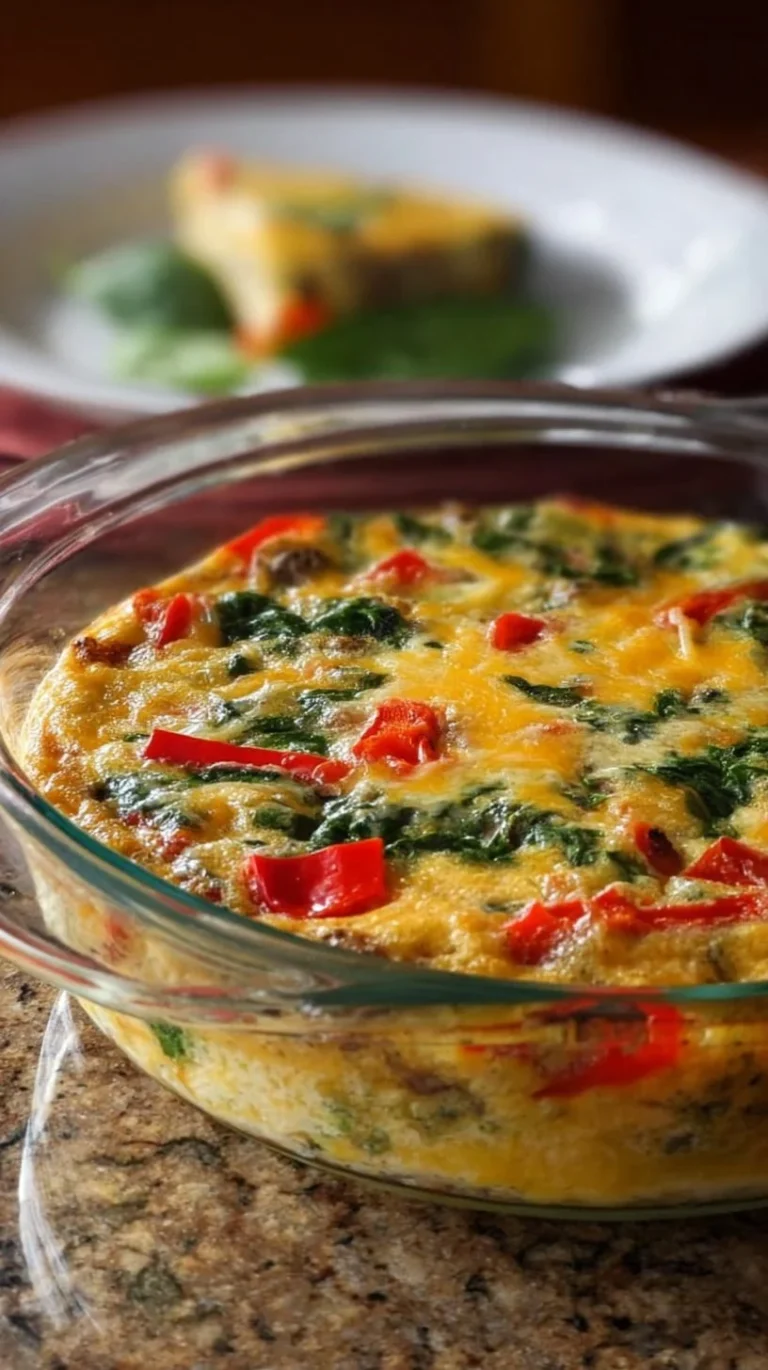
Spinach Quiche
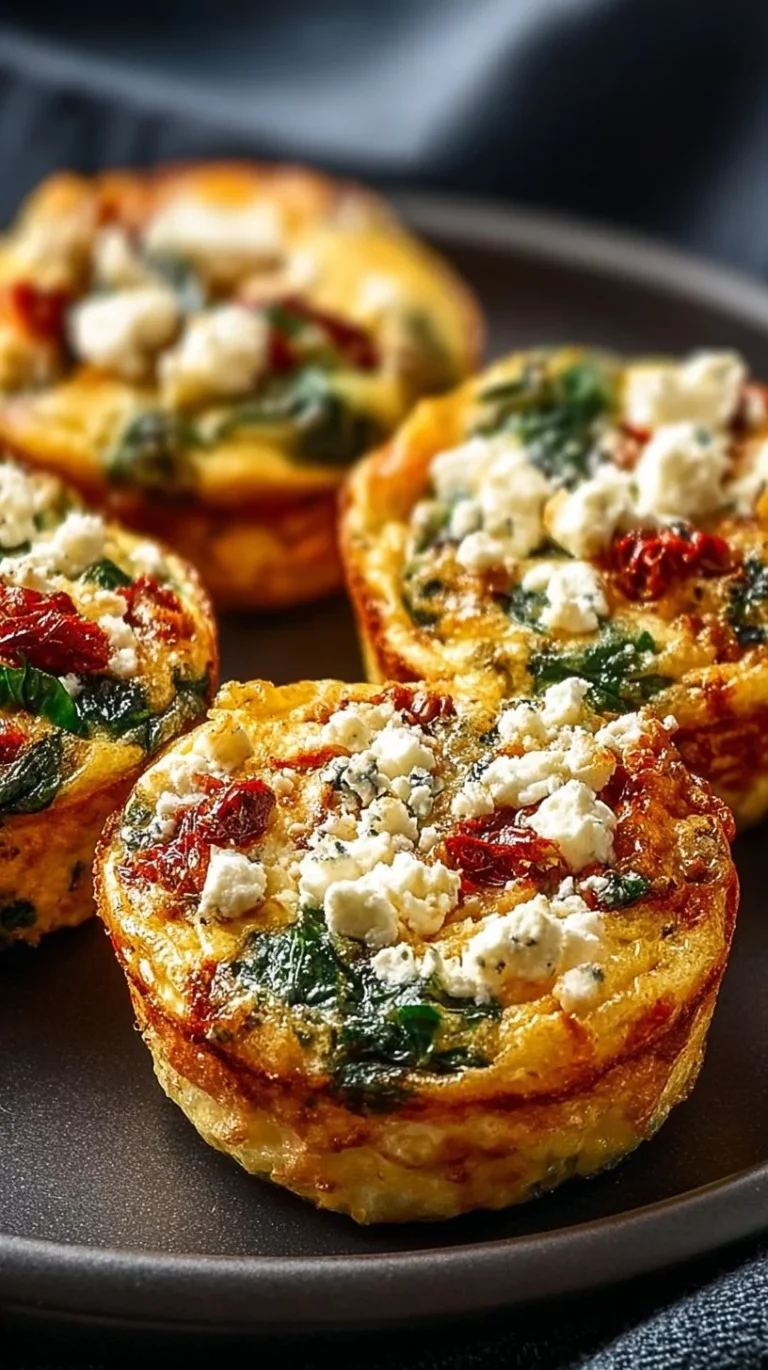
Spinach quiche is one of those dishes that arrives at a table like a soft, familiar story: warm, layered, and breathing with the voices of kitchens past. I first met it in a sunlit apartment in Marseille where a neighbor slid a wedge across the counter as though offering a map to a hometown. Later I found that same golden, custardy comfort in a market café in a springtime Prague, where it tasted of damp cobblestones and morning conversations. For travelers and home cooks alike, this quiche is more than an assembly of ingredients; it is a quiet, domestic ritual that bundles flavor and memory. If you have liked portable, hand-sized breakfasts, you might also appreciate the intimacy of spinach and feta egg cups, which share the same green, savory spirit.
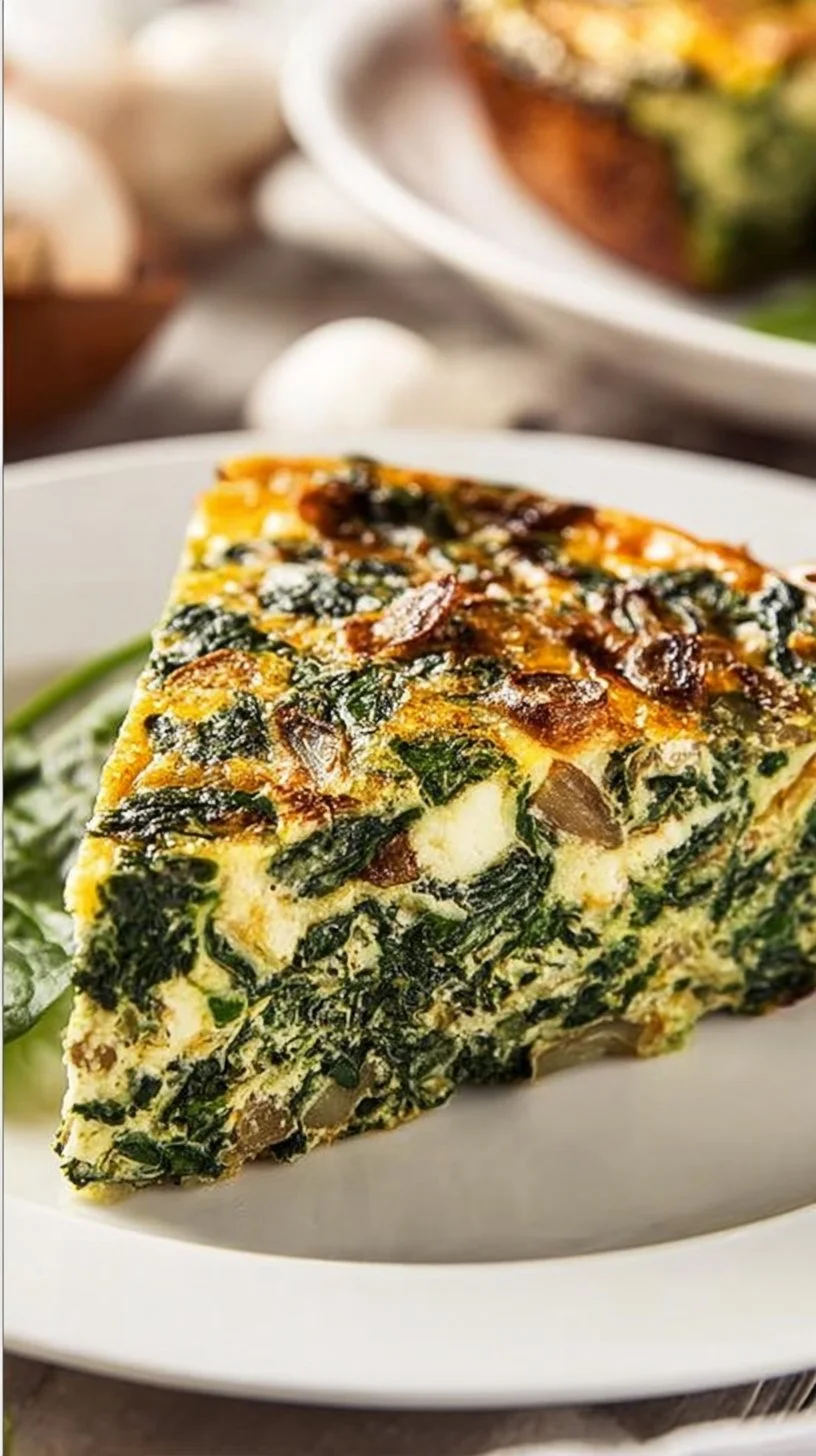
The spinach quiche’s appeal is its balance: the vegetal brightness of spinach, the mellow depth of sautéed onion and mushroom, the tang of feta, and the cheddar’s golden warmth, all held together by an egg-milk custard and the reassuring shell of a pie crust. Spoken about in cafés, home kitchens, and long table dinners, it becomes a dish that moves between seasons and continents without shedding its identity. It asks to be eaten with a sliver of bread, a small glass of white wine, or nothing at all—simply to be present. In what follows, I will wander through its origins, the sensory details of making it, regional variations, and the stories that collect around its slices.
The origin story & regional influence behind this dish
Spinach quiche wears the fingerprints of Europe’s rustic kitchens. The idea of baking eggs with dairy in a pastry shell is centuries old, a “pâté” of sorts that evolved in the cool, buttery heartlands of France and across neighboring regions. The word “quiche” itself is commonly traced to the Lorraine region: quiche lorraine—traditionally a simple bacon and custard pie—became an emblem of savory tartcraft. Spinach, however, journeys farther, carried in pockets of Mediterranean and Middle Eastern cuisine where leafy greens were folded into breads, pies, and stews. When the French technique of custard tucking itself into dough met the herbaceous bounty of spinach, a new, airy cousin was born.
In markets from Provence to Athens, spinach is a herald of spring and early summer, a green that holds both hope and necessity. Where olives and sheep’s milk cheeses dominate, spinach brings relief and balance. Immigrant kitchens, especially in North America and Australia, widened the quiche’s palette by adding cheeses like cheddar and feta, and vegetables like mushrooms and onions—ingredients that tell stories of place: the cheddar from English dairies, the feta from salt-scented Greek islands, mushrooms foraged from damp European woods. This patchwork of influences gives the spinach quiche its cosmopolitan simplicity; it is at once provincial and worldly.
How to make Spinach Quiche
There is a gentle choreography to making a quiche: nothing is rushed, and each step is a small ceremony that invites memory. The crust is the stage—store-bought or hand-rolled, it speaks of time and patience. The filling is a chorus where spinach is the soprano, mushrooms and onions the supporting harmonies, cheddar and feta the ornaments that bring tension and release. Eggs and milk are the tide that carries everything to completion in the oven’s steady heat.
Ingredients :
1 pie crust, 1 cup fresh spinach, chopped, 1 sweet onion, diced, 1 cup mushrooms, sliced, 1 cup cheddar cheese, shredded, 1 cup feta cheese, crumbled, 4 eggs, 1 cup milk, Salt and pepper to taste
Directions :
- Preheat the oven to 350°F (175°C)., 2. In a skillet, sauté the onion and mushrooms until softened. Add spinach and cook until wilted., 3. In a mixing bowl, whisk together eggs, milk, salt, and pepper., 4. Spread the sautéed mixture evenly over the pie crust., 5. Sprinkle cheddar and feta cheeses on top., 6. Pour the egg mixture over the filling., 7. Bake for 30-35 minutes until the quiche is set and golden., 8. Let it cool slightly before slicing and serving.
Ingredients through a cultural & historical lens
The ingredient list for this quiche reads like a map of migrations and local economies. A single pie crust conjures the European tradition of encasing food in pastry as preservation and presentation; in medieval times, crusts were as much for keeping contents moist as for making the dish portable. Fresh spinach, a common thread in Mediterranean diets, speaks to spring markets and seasonal rhythms. Sweet onions and mushrooms tell of root cellars and forest floors—foods that sustain through winter and are celebrated in autumn.
Cheddar and feta on the same tart is itself a cultural conversation: cheddar, with its origins in English dairy villages, and feta, salted and aged on rocky Greek coasts, meet in a dish that is essentially modern—an American openness to fusion. Eggs and milk are foundational, humble ingredients that turn disparate flavors into a coherent, luscious whole, much like the domestic rituals that make a house a home. Salt and pepper close the circle, seasoning that has history as both trade goods and symbols of hospitality.
Cooking the dish: sensory notes & traditional techniques
There is a particular music to sautéing onions and mushrooms for this quiche. In the pan, sweet onion releases a caramelizing perfume—warm, floral, and slightly honeyed. Mushrooms add an earthy, umami note that feels like wood smoke at a distance. When spinach hits the hot skillet, it exhales a bright, green steam that can cut through richer cheeses and lift the custard’s creaminess. The moment you pour the whisked eggs and milk, the kitchen fills with a scent that is equal parts farmyard morning and pastry shop—an aroma that often forces guests to drift closer, drawn by habit and hunger.
Traditional techniques favor slow, attentive heat: gentle sautéing rather than quick, aggressive searing, so that the vegetables surrender their moisture without becoming bitter or shriveled. Folding in cheese by hand rather than mechanically is a common ritual in family kitchens; it’s a tactile reminder of care. Baking is the final patience: the oven brings the ingredients together, turning liquid into a mosaic of set custard and golden cheese. Letting the quiche cool slightly before slicing is as much about service as it is about science—the custard firms and the flavors settle, allowing each slice to hold its story intact.
How different regions prepare their version
Walk across regions and you’ll hear the same recipe sung in different keys. In Provence, cooks might add a whisper of nutmeg or a handful of herbs de Provence to the custard, and substitute goat cheese for feta, giving the quiche a tang of dry stone terraces and lavender. In Greece, the influence of spanakopita is clear: bolder feta, more generous layers of spinach, and the occasional addition of dill or lemon zest to brighten the custard. In the British Isles, where cheddar is king, the quiche tends toward a denser, more savory profile, sometimes studded with smoky bacon for a nod to the quiche lorraine’s origins.
Across North America, the quiche becomes an every-table dish at brunches and potlucks. Bakers experiment with crusts—whole wheat, herb-studded, or even cornmeal—and add local mushrooms or farm-fresh eggs. In immigrant kitchens, the quiche adapts further, absorbing spices and techniques: a pinch of za’atar here, a smear of harissa there, until the dish feels both familiar and new. Even comforting casseroles like chicken and spinach casserole with cream cheese share that same democratic impulse to make something rich, portable, and shared.
Traditional ways this dish is shared or served
Quiche is social food. It is cut into wedges for weekday lunches, packed into picnic baskets with a crisp green salad, or served as the centerpiece of a leisurely Sunday brunch. In parts of France, a quiche at a café is a midday ritual—eaten with a small salad, a shrug of mustard dressing, and the steady conversation of patrons. In family kitchens, it often appears at gatherings where the table is casual and the emphasis is on conversation rather than ceremony. In some cultures, portions are wrapped and taken to neighbors after births or bereavements, a gesture of sustenance that is both practical and tender.
It can also be ceremonial: in community bake sales, quiches are sold by the slice; on holiday mornings, they appear as a warm, reassuring constant among sweeter pastries. Wherever it is served, the act of sharing a quiche is seldom solitary—people lean over a platter, ask for just one more bite, and remember where they first tasted it.
Storing the dish without losing its cultural essence
Storing a quiche is as much about preserving its texture as it is about preserving the feeling of generosity that it embodies. Wrapped gently in foil or placed in a shallow dish, it keeps in the refrigerator for several days—each slice a piece of a remembered meal. Reheating in a modest oven or toaster oven helps recover the crust’s crunch and revives the custard’s tenderness; microwaving, while convenient, tends to make the crust limp and the custard rubbery, a loss not just of texture but of ritual.
For travelers carrying a slice home in a cooler, the care taken—insulated boxes, soft cloths between wedges—echoes the way cooks pack food to remind loved ones of places they’ve visited. Freezing is possible but changes the quiche’s texture; it becomes less about the original day and more about a saved moment that will be remembered differently. In all cases, the quiche’s role as a bridge between kitchens, people, and memories remains intact.
Cultural questions people often ask
People ask whether a quiche is a meal or a side, and the answer is delightfully simple: it can be both. They wonder whether to serve it hot or room temperature; the preferred temperature is a function of context—warm and fragrant for a breakfast that crowds the table, room temperature for a picnic where conversation is the heat. People also ask which cheese best sings with spinach; tradition and taste diverge here—feta emphasizes brightness and tang, cheddar grounds the dish in savory comfort, and together they create a conversation across taste cultures.
Another common curiosity is about availability—can one make a quiche without a pie crust? Indeed, crustless versions exist, each with its own history and practical logic, from health considerations to ingredient scarcity. But many cooks insist that the embrace of a crust is part of what makes the quiche a quiche: the contrast between tender custard and flaky pastry is a cultural signature not to be lightly surrendered.
A closing note on food, memory & travel
There is a peculiar joy in recognizing a dish across places and realizing it has accumulated stories like shells on a shore—some polished and bright, others chipped and tender. Spinach quiche is one of those dishes that collects fragments of life: the laugh of a friend, the clatter of a market, the hush of a kitchen at dawn. It is a domestic map, a recipe that keeps its passport stamped by regions and relatives, and a modest, generous conversation carried in slices.
Conclusion
As you explore different recipes or seek variations, you may find inspiration in a modern take like Spinach Quiche Recipe – Love and Lemons, a classic approach in Classic French Spinach Quiche – Once Upon a Chef, or a richer, cheesier iteration such as Spinach Quiche – Sally’s Baking Addiction. For another thoughtful revisit that examines texture and technique, consider the longtime favorite spinach quiche, revisited – Smitten Kitchen. Each of these pages offers a different voice on a familiar favorite, and together they reflect the dish’s ability to be both regionally rooted and endlessly portable.
Spinach Quiche
Ingredients
Method
- Preheat the oven to 350°F (175°C).
- In a skillet, sauté the onion and mushrooms until softened. Add spinach and cook until wilted.
- In a mixing bowl, whisk together eggs, milk, salt, and pepper.
- Spread the sautéed mixture evenly over the pie crust.
- Sprinkle cheddar and feta cheeses on top.
- Pour the egg mixture over the filling.
- Bake for 30-35 minutes until the quiche is set and golden.
- Let it cool slightly before slicing and serving.