
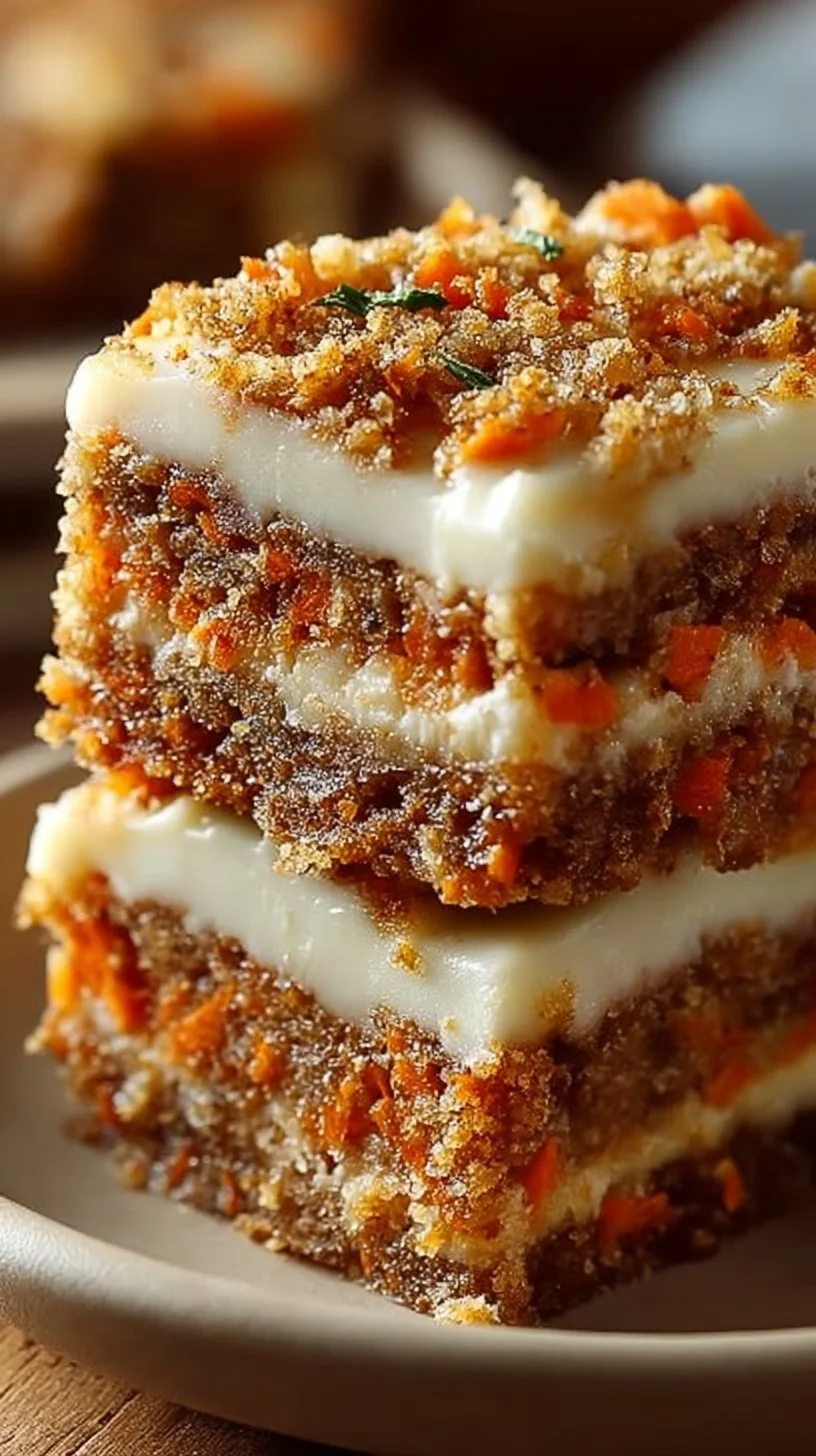
Carrot Cake Cream Cheese Bars
AARON Introduction
As a nutrition specialist, I view desserts like Carrot Cake Cream Cheese Bars through the lens of nutrient balance, digestion, and long-term enjoyment rather than restriction. These bars combine comforting flavors—carrot, warm spices, a soft cake crumb, and a tangy cream cheese topping—and can fit into a thoughtful eating pattern when prepared and portioned with awareness. If you enjoy exploring different dessert formats, you might also find inspiration in a rich alternative like the Biscoff cheese cupcake recipe, which demonstrates how ingredient swaps and portion size shape the overall nutritional profile of a treat.
In this article I’ll walk through how this specific recipe supports wellness, the nutrient roles of the main ingredients, how the preparation affects digestion and health, and practical ways to adapt the bars so they better fit everyday goals—without promising magic results. The aim is to help you make informed choices that support enjoyment, satiety, and steady energy.
How this recipe supports overall wellness
Carrot Cake Cream Cheese Bars are an example of a mixed meal in miniature: they provide carbohydrates for energy, fat for satiety and fat-soluble vitamin absorption, and a small amount of protein from eggs and cream cheese. The carrots contribute fiber and carotenoids, which support digestive regularity and antioxidant status. When eaten in reasonable portions alongside protein and non-starchy vegetables later in the day, these bars can be part of a balanced pattern that supports steady blood sugar and long-term weight management.
Small changes in timing and pairing matter. Having a bar with a cup of plain Greek yogurt or a small handful of nuts can increase protein and slow carbohydrate absorption, which improves post-meal blood sugar stability and prolongs fullness. For guidance on portion-friendly baked treats and how presentation changes perception, see the practical ideas offered with other bar-style desserts such as the cake mix cookie bars.
How to make Carrot Cake Cream Cheese Bars
Making these bars is straightforward, and the steps emphasize basic baking techniques—combine dry ingredients, mix wet ingredients separately, fold in grated carrot and optional nuts, bake to a golden set, then finish with a smooth cream cheese topping. From a nutritional standpoint, following the recipe as written yields a moist, energy-dense bar that is satisfying in small servings. To maintain the intended structure and texture, follow the directions and avoid overmixing once the wet and dry ingredients are combined; gentle folding preserves a tender crumb, which allows the bars to hold the cream cheese layer without crumbling.
Mindful baking also supports digestion: cooling the bars completely before spreading the cream cheese layer helps the topping stay stable and reduces the risk of spoilage. Serving suggestions later in this article show how to pair the bars with lighter items to create a meal-equivalent snack rather than a sole source of calories.
Ingredients :
2 cups all-purpose flour, 2 cups granulated sugar, 1 teaspoon baking powder, 1 teaspoon baking soda, 1 teaspoon ground cinnamon, 1/2 teaspoon ground nutmeg, 1/2 teaspoon salt, 1 cup vegetable oil, 4 large eggs, 2 cups grated carrots, 1 cup chopped walnuts (optional), 8 ounces cream cheese, softened, 1/4 cup powdered sugar, 1 teaspoon vanilla extract, 1 tablespoon lemon juice
Directions :
- Preheat your oven to 350°F (175°C) and grease a 9×13 inch baking pan., 2. In a large bowl, mix together the flour, sugar, baking powder, baking soda, cinnamon, nutmeg, and salt., 3. In another bowl, combine the vegetable oil and eggs; whisk until well blended., 4. Gradually mix the wet ingredients into the dry ingredients until just combined. Fold in the grated carrots and walnuts (if using)., 5. Pour the batter into the prepared baking pan and spread evenly. Bake for 25-30 minutes or until a toothpick inserted in the center comes out clean., 6. While the bars are baking, prepare the cream cheese layer by beating the softened cream cheese, powdered sugar, vanilla extract, and lemon juice until smooth., 7. Once the bars have cooled, spread the cream cheese mixture over the top., 8. Cut into bars and serve. Enjoy!
Nutrient roles of each main ingredient
- All-purpose flour: Provides the bulk of the carbohydrate content and contributes structure through gluten. While refined, it delivers quick energy; pairing with protein or fiber moderates its glycemic effect.
- Granulated sugar and powdered sugar: Provide sweetness and tenderize the crumb. Added sugars increase energy density without contributing micronutrients; keeping portion sizes moderate preserves enjoyment without excess calories.
- Baking powder and baking soda: Chemical leaveners that help create a light texture; they don’t contribute nutrients but influence digestibility—well-leavened baked goods are often perceived as lighter.
- Spices (cinnamon, nutmeg): Low-calorie flavor powerhouses. Cinnamon in moderate amounts can improve flavor without added sugar and contributes polyphenols; nutmeg adds aromatic complexity.
- Salt: Enhances flavor, which can reduce the urge to add extra sweeteners; use moderate amounts.
- Vegetable oil: Provides fat for satiety and mouthfeel; fats help the body absorb fat-soluble vitamins. The type of oil matters for fatty acid profile—neutral vegetable oil is energy-dense but low in saturated fat compared with butter.
- Eggs: Contribute high-quality protein and functional properties (emulsification, structure). Protein increases satiety and supports tissue repair.
- Carrots: A source of dietary fiber, water, and carotenoids (like beta-carotene) that the body converts to vitamin A as needed. The fiber supports digestion and slows carbohydrate absorption.
- Walnuts (optional): Add plant-based omega-3 fats and texture; they increase caloric density but also provide beneficial unsaturated fats and micronutrients like magnesium.
- Cream cheese: Adds creamy texture, fat, and some protein. The lemon and vanilla in the topping provide flavor with minimal added calories.
Taken together, the ingredients deliver a mix of macronutrients and some micronutrients—particularly from carrots and nuts—that make these bars more than just pure sugar.
The preparation method & its health impact
Baking is a dry-heat method that preserves most nutrients while improving digestibility. Grating the carrots increases surface area, which makes their fiber and carotenoids more accessible during digestion. Using oil instead of butter reduces saturated fat content relative to some traditional carrot cake recipes that call for solid fats, though the total fat remains significant due to the amount used.
Mixing technique influences texture and physiological response: avoid overmixing the batter after combining wet and dry ingredients to prevent excessive gluten development, which keeps the crumb tender and easier to digest for many people. Allowing the bars to cool before adding the cream cheese topping not only ensures a smooth finish but also reduces the chance of bacterial growth on a perishable topping; cool foods more quickly and refrigerate cream-cheese-covered bars within two hours of baking.
Heat can diminish some heat-sensitive nutrients (like some vitamin C), but the overall retention of carotenoids in cooked carrots is often improved because cooking releases them from plant matrices and can increase bioavailability when consumed with fat—note that the oil here aids that absorption.
Ways to lighten, enrich or modify the dish nutritionally
If you want to retain flavor while improving nutrient density or lowering energy per serving, consider these evidence-based adjustments—while keeping the original recipe intact for baking, apply these as serving or process choices rather than changing ingredient amounts in the base recipe:
- Portion control: Cut smaller bars and serve with a protein-rich side (e.g., a small serving of cottage cheese or plain yogurt) to improve balance without altering the baked recipe.
- Add nutrient-dense sides: Pairing the bar with a small fruit salad increases fiber and provides more vitamins and minerals per sitting.
- Use the optional walnuts: Including the 1 cup of chopped walnuts adds beneficial unsaturated fats and plant-based omega-3s, which support heart health when eaten in moderation.
- Make the cream cheese lighter at serving: Serve a thin smear of the prepared cream cheese mixture on each bar rather than a thick layer to reduce added sugars and fat per portion without changing the topping recipe.
- Baking technique: Bake in a slightly smaller pan to make thinner bars and thus smaller portions, or cut the finished pan into more servings.
- Timing of consumption: Enjoy bars as part of a mixed meal or with a protein-rich beverage to moderate blood sugar response.
For examples of different bar formats and how presentation affects perception and portioning, recipes such as the carrot cake roll can inspire lower-volume, celebratory alternatives.
Pairing ideas for a balanced, complete meal
Transforming a single dessert bar into a more balanced mini-meal is simple and supports steady energy and digestion:
- With protein: Pair one bar with a 3/4-cup serving of Greek yogurt or a 2-ounce piece of low-fat cheese to boost protein and slow carbohydrate absorption.
- Add fresh produce: A side of sliced apple, orange, or a small mixed-green salad increases fiber, water, and micronutrients for improved satiety and digestive comfort.
- Beverage choices: Choose plain water, unsweetened herbal tea, or milk rather than sugary drinks to avoid compounding the dessert’s carbohydrate load.
- Snack-style plate: Create a balanced plate with half non-starchy vegetables, a palm-sized protein, and a smaller portion of the bar to ensure the treat complements rather than dominates energy intake.
If you’re planning themed gatherings, you might combine these bars with lighter baked goods to offer variety; for instance, pairing with small, crisp cookies such as the Easter cake mix cookie bars lets guests sample smaller portions of several sweets while balancing with fruit and nuts.
Safe storage, food safety & optimal reheating
Cream cheese is perishable, so food safety matters. After the bars have cooled and the cream cheese layer is applied, store them refrigerated in a covered container. Consume within 3–4 days for best quality and safety. If you’re transporting bars for a gathering without refrigeration, keep them in a cooler with ice packs and limit the unrefrigerated time to under two hours.
For slightly firmer texture, allow refrigerated bars to sit at room temperature for 10–20 minutes before serving. Reheating is generally not necessary; if you prefer a warm, soft bar, reheat single portions briefly in a microwave (10–20 seconds depending on power) or warm them in a low oven (about 275°F / 135°C for 8–10 minutes). Avoid reheating the cream cheese layer intensively; instead, remove the topping or heat only the base, then reapply a small fresh portion of cream cheese mixture if desired.
Common nutrition questions about this dish
- Are these bars "healthy"? Healthy depends on context: as written, they are a dessert that provides energy, some fiber, and modest protein. In moderation and paired with nutrient-dense foods, they can fit into a balanced diet.
- How many should I eat? Portioning depends on energy needs. A single, modest-sized bar served with protein and fruit is a practical approach for most adults.
- Can I make them less sweet? You can reduce the sweetness at serving by using a thinner layer of the powdered-sugar-sweetened cream cheese, or share each bar to lower the sugar per portion. However, do not alter the recipe amounts if you want the same texture and structure—use serving strategies instead.
- Are carrots still nutritious when baked? Yes—some nutrients are retained and some carotenoids become more bioavailable with cooking, especially when consumed with fat (as present in the recipe).
Final wellness notes
Enjoyment and sustainability matter as much as nutrient content. Carrot Cake Cream Cheese Bars can be a comforting treat that supports social connection and sensory satisfaction—both important aspects of well-being—when eaten with attention to portion size and pairing. Small, consistent choices matter more for long-term health than occasional indulgences. Aim to make these bars part of a varied pattern rich in vegetables, whole grains, lean proteins, and healthy fats, and use the strategies here to enjoy them in a way that supports digestion, balanced blood sugar, and overall dietary quality.
Conclusion
For recipe variations and visual guides that echo this approach to carrot-and-cream-cheese desserts, you can compare techniques and presentation in recipes such as Tastes of Lizzy T’s cream cheese carrot cake bars or explore a video-assisted version at Dessert Now Dinner Later’s carrot cake cheesecake bars with video. These resources can offer inspiration for assembly, serving, and portioning while you use the evidence-based tips in this article to make choices that support digestion and long-term wellness.
Carrot Cake Cream Cheese Bars
Ingredients
Method
- Preheat your oven to 350°F (175°C) and grease a 9×13 inch baking pan.
- In a large bowl, mix together the flour, sugar, baking powder, baking soda, cinnamon, nutmeg, and salt.
- In another bowl, combine the vegetable oil and eggs; whisk until well blended.
- Gradually mix the wet ingredients into the dry ingredients until just combined.
- Fold in the grated carrots and walnuts (if using).
- Pour the batter into the prepared baking pan and spread evenly.
- Bake for 25-30 minutes or until a toothpick inserted in the center comes out clean.
- While the bars are baking, prepare the cream cheese layer by beating the softened cream cheese, powdered sugar, vanilla extract, and lemon juice until smooth.
- Once the bars have cooled, spread the cream cheese mixture over the top.
- Cut into bars and serve. Enjoy!