Salted Caramel Cookie Recipe
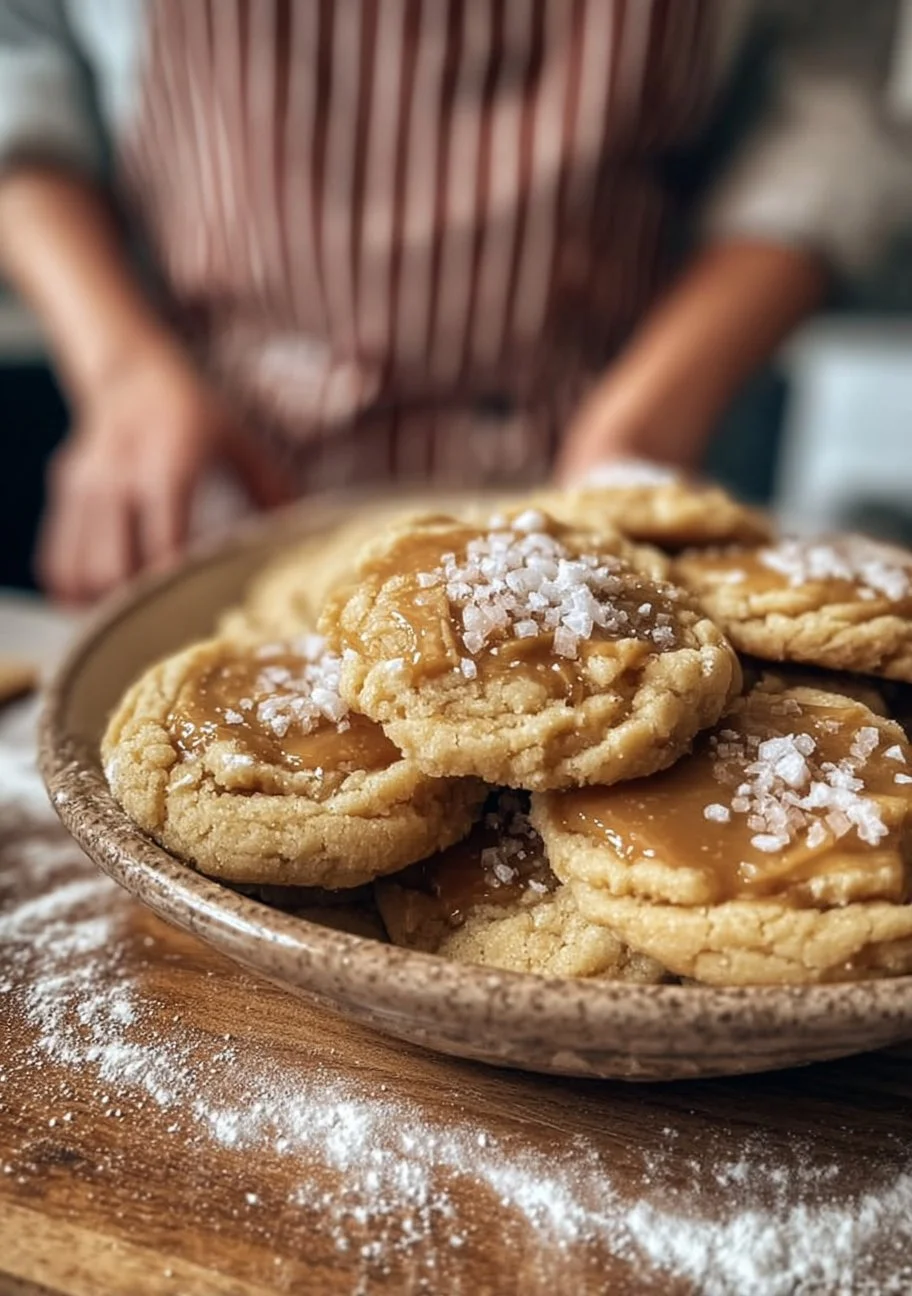
Salted caramel cookies condense a series of controlled chemical and sensory events into a single, handheld platform: caramelization, emulsification, gluten development and salt-driven flavor contrasts. This recipe accomplishes that with a classical creamed-butter cookie method and discrete inclusions of caramel chips and optional chocolate chips. For a texturally related bar-style dessert that emphasizes the same sweet-salty axis, review a complementary technique at salted caramel butter bars. The goal in this article is to interpret each ingredient and step with professional precision so you can reproduce consistent cookies that balance chew, spread and glossy caramel pockets.
The culinary logic behind this dish
The architecture of these cookies relies on three converging principles: matrix structure, moisture management and flavor layering. All-purpose flour provides a gluten network sufficient to give shape without producing toughness. The combination of granulated and brown sugars modulates hygroscopicity and contributes to color through Maillard reactions; brown sugar carries molasses that deepens caramel-like aroma. Butter delivered at the correct temperature acts both as fat for tenderness and as a melting agent that governs spread. Caramel chips function as localized molten centers; flaky sea salt interrupts sweetness with high-impact saline notes that amplify perceived caramel intensity. Baking at 350°F yields controlled edge browning while keeping centers soft — an optimal compromise for this formula.
How to make Salted Caramel Cookie Recipe
The procedural flow is deliberately classic: dry ingredients sifting, fat-sugar creaming, liquid incorporation, gentle integration of flour, inclusion of mix-ins, portioning, and finish-salt application prior to baking. Each stage influences final texture and appearance; attention to timing and feel is essential. Below are the unaltered ingredient and direction statements followed by a precise technical commentary and step-level guidance.
Ingredients :
2 ¼ cups all-purpose flour (Provides structure), 1 tsp baking soda (Helps cookies rise), 1 tsp salt (Balances sweetness), 1 cup unsalted butter (Softened), ¾ cup granulated sugar (Adds crisp texture), ¾ cup brown sugar (Adds moisture and caramel flavor), 2 large eggs (Room temperature), 2 tsp vanilla extract (Enhances flavor), 1 cup caramel chips (For gooey caramel pockets), ½ cup chocolate chips (Optional for richness), ½ tsp flaky sea salt (For sweet-salty contrast)
Directions :
Preheat oven to 350°F (175°C). Line baking sheets with parchment paper., Whisk together flour, baking soda, and salt. Set aside., Cream butter and sugars until light and fluffy., Beat in eggs one at a time, then add vanilla., Gradually mix in dry ingredients until just combined., Fold in caramel chips and chocolate chips., Scoop dough onto baking sheets, spacing 2 inches apart., Sprinkle with flaky sea salt before baking., Bake for 10-12 minutes until edges are golden., Let cool for 5 minutes, then transfer to a wire rack.
Ingredient analysis through a chef’s lens
Flour: 2 ¼ cups all-purpose flour is the structural baseline. It supplies the gluten-forming proteins that set during baking; excessive mixing will strengthen the network and produce chew rather than tenderness. Baking soda: a single teaspoon provides immediate leavening and contributes to pH elevation, which accelerates Maillard browning and reduces baking time to a narrow window. Salt: 1 tsp in the dough balances the overall sweetness; the final ½ tsp flaky sea salt is applied sparingly as a top note. Butter: unsalted, at a softened-but-not-melting temperature, ensures aeration during creaming while controlling spread in the oven. Sugars: the 50/50 split between granulated and brown sugar is intentional — it calibrates crisp edges and moist interiors while increasing caramel aroma. Eggs and vanilla: eggs act as binders and raise emulsion stability; vanilla is a volatile enhancer consolidating caramel perception. Caramel chips and chocolate chips are mix-ins — their composition (cocoa butter vs. varying fat content) will affect how they melt and redistribute heat during bake time.
In parallel technique work, you may find useful comparisons to cookie-bar hybrids described in alternative recipes such as this cake-mix approach for inspired efficiency and handling differences at cake mix cookie bars.
Kitchen workflow & technique breakdown
Workflow efficiency reduces variability. Begin by preheating the oven and preparing the baking sheets; an oven that reaches 350°F before the first tray goes in stabilizes thermal conditions and prevents variability between batches. Sift or whisk the flour, baking soda and salt to evenly distribute leavening and micronize any compacted brown sugar. Creaming butter and sugars should be done with a paddle attachment or by hand until the mixture is pale and slightly aerated — this entrained air helps initial lift. When adding eggs, incorporate them one at a time to maintain a stable emulsion and avoid curdling; each egg should be fully integrated before the next addition. Mixing dry into wet should be done in two additions and finished by hand to minimize gluten development; lift the bowl and fold rather than beating.
Portioning: use a medium cookie scoop for uniform diameter and predictable bake times. Spacing at approximately 2 inches apart allows for spread without coalescence. Sprinkle flaky salt immediately before baking so the crystals sit on the surface and provide that clean saline pop. Baking sheet rotation is optional if you use high-quality sheet pans and a calibrated oven; if your oven has hot spots, rotate at the midway point.
Texture control, heat management & timing
Texture hinges on three controllable variables: dough temperature, oven temperature and bake time. Dough that is too warm will spread excessively; if your kitchen is warm, briefly chill scooped dough for 10–15 minutes. Oven at 350°F is chosen to allow the edges to set and brown while the center remains slightly underdone — that residual heat continues to set the interior once removed. The 10–12 minute window is precise: at 10 minutes the edges will be set and the top may still appear slightly puffed; by 12 minutes edges will have color and tops will display a matte sheen with minimal cracking. Remove at the earlier end for a softer, chewier result; allow the cookies to cool on the sheet for 5 minutes so heat migration finishes the cook and the centers stabilize before transfer.
For comparison on moisture and chew management using different flavor profiles, consult a procedural reference for syrup-forward cookies like this maple-cinnamon variation at chewy maple cinnamon cookies.
Professional variations
Maintaining the recipe’s integrity, small adaptations can be made for technique rather than composition. Use a combination of European-style butter (richer fat) and standard unsalted butter (for a balance of flavor and spread). To accentuate caramel pockets, briefly chill dough balls then press an extra caramel chip into the top of each before baking — note this is a handling adjustment, not a change in measured ingredients. To reduce spread in warmer environments, replace 1–2 tablespoons of butter with an equal amount of chilled butter cut into pea-sized pieces to slow early melting. For a deeper Maillard profile, substitute half the granulated sugar with a superfine caster sugar, which dissolves faster and encourages a more even caramelization. Do not alter leavening quantities; small changes there will materially alter lift and texture.
Finishing touches & plating philosophy
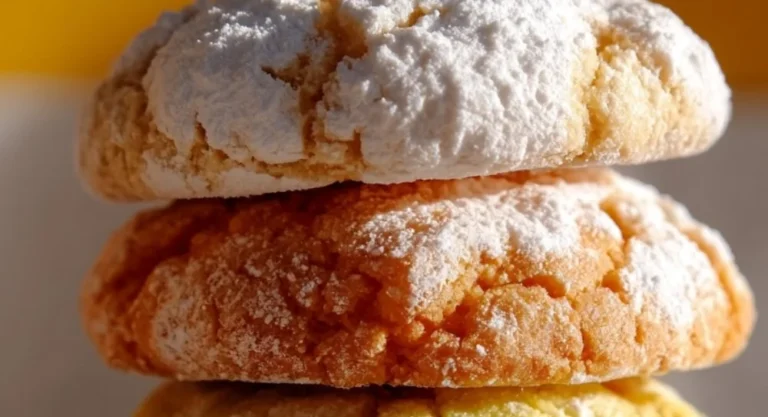
The visual and textural finish is minimalistic: flaky sea salt sprinkled pre-bake provides high-contrast highlights and a tactile crunch. For presentation, stack cookies in groups of three to display thickness differences and the occasional molten caramel pocket. Use a neutral plate or parchment-lined slate to emphasize golden-brown edges and glossy caramel beads. When plating for service, avoid overdressing with garnishes that compete with the salted caramel note; a single shard of flaky sea salt on each cookie or a light dusting of finely ground espresso can provide a complementary aromatic accent without obscuring the cookie’s profile.
Maintaining quality after cooking
These cookies retain optimal texture for 48 hours when stored in an airtight container at room temperature with a bread slice or a small piece of apple to maintain moisture equilibrium. For longer storage, freeze in a single layer on a tray, then transfer to a sealed bag; reheat briefly (30–45 seconds at 300°F) to re-soften caramel chips. Avoid refrigeration for short-term storage, as cold air will accelerate staling and harden fats unevenly. If cookies soften excessively due to humidity, a brief 5-minute re-crisp in a 300°F oven will return structure.
Questions from home cooks (chef answers)
Q: Why cream the butter and sugars until light and fluffy?
A: Creaming incorporates controlled air into the fat, which provides lift and contributes to tenderness. Over-creaming, however, can create excessive aeration and irregular oven spring; aim for pale color and a slight increase in volume.
Q: Can I substitute salted butter?
A: You can, but you must reduce the dough salt because the recipe already accounts for sodium. Using salted butter without adjustment risks an overly salty profile when combined with the finishing flaky salt.
Q: Why are caramel chips used instead of chopped caramel candy?
A: Caramel chips are stabilized for baking and designed to hold shape while creating soft pockets. Chopped candies will liquefy and run, altering spread and texture unpredictably.
Q: What causes my cookies to spread too much?
A: Warm dough, overbeating, and thin or over-greased sheet pans are common causes. Chill dough briefly and use parchment or silicone mats to moderate spread.
Final chef notes
Precision in temperature, timing and tactile assessment is what separates a good salted caramel cookie from an exceptional one. Respect the balance between granulated and brown sugar, maintain dough temperature, and apply salt deliberately. The recipe’s simplicity masks a series of exacting interactions — address each with intention and you will yield consistent results. Use quality caramel chips and flaky sea salt; those small ingredient choices have outsized influence on the finished product.
Conclusion
For alternative flavor and technique inspiration, consider the nuanced approaches found in commercial recipe testing and professional food blogs: Modern Honey’s approach to salted caramel cookies provides a contemporary take on caramel integration. For a narrative-driven variant and method notes, read the detailed write-up by Alix Traeger at SALTED CARAMEL COOKIES – by Alix Traeger. If you prefer a chocolate-forward iteration that retains salted caramel dynamics, see the tested procedure at Salted Caramel Chocolate Chip Cookies – Grandbaby Cakes.
Salted Caramel Cookies
Ingredients
Method
- Preheat oven to 350°F (175°C). Line baking sheets with parchment paper.
- Whisk together flour, baking soda, and salt. Set aside.
- Cream butter and sugars until light and fluffy.
- Beat in eggs one at a time, then add vanilla.
- Gradually mix in dry ingredients until just combined.
- Fold in caramel chips and chocolate chips.
- Scoop dough onto baking sheets, spacing 2 inches apart.
- Sprinkle with flaky sea salt before baking.
- Bake for 10-12 minutes until edges are golden.
- Let cool for 5 minutes, then transfer to a wire rack.