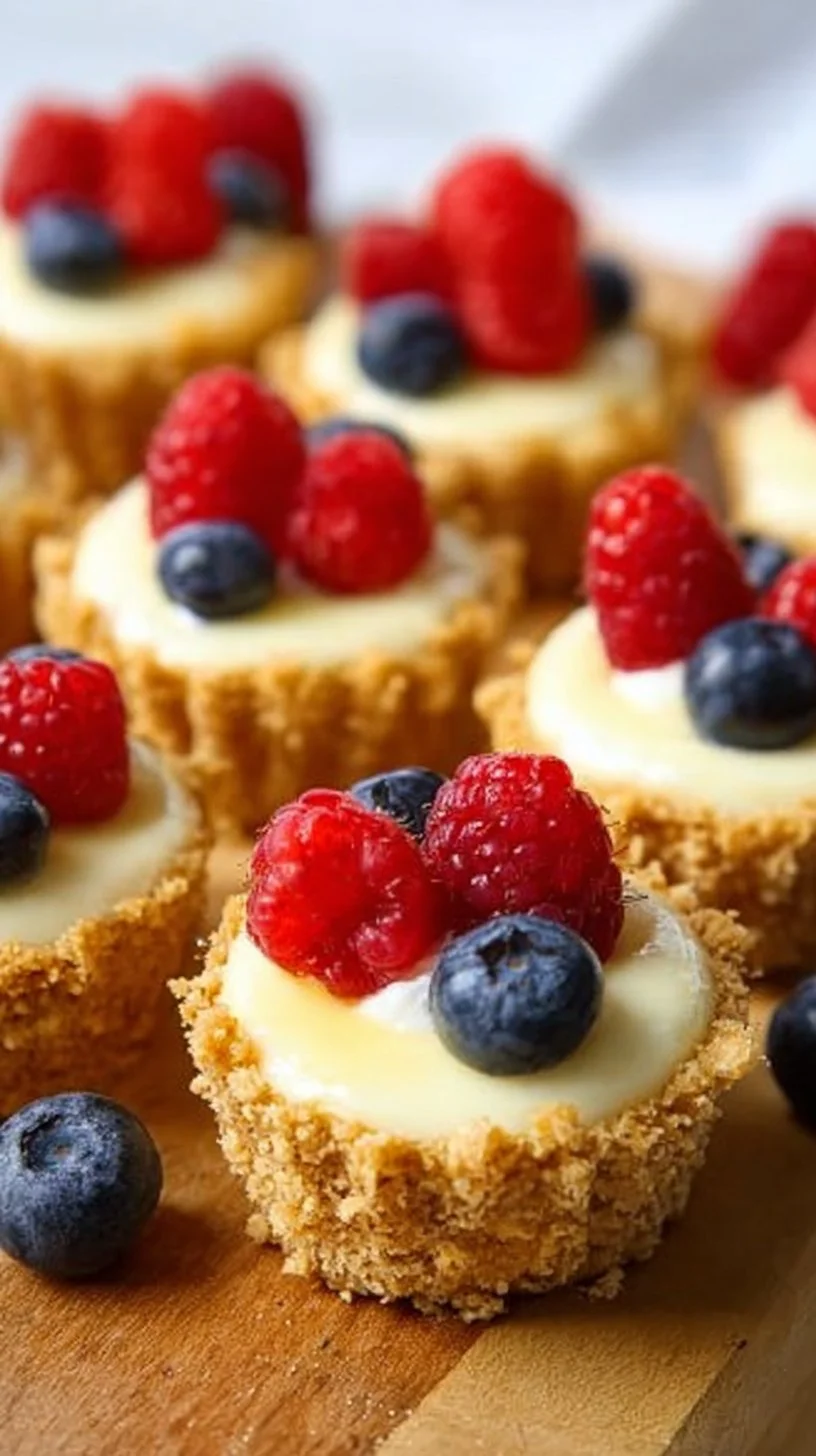
Mini No-Bake Lemon Cheesecake Tarts
Introduction
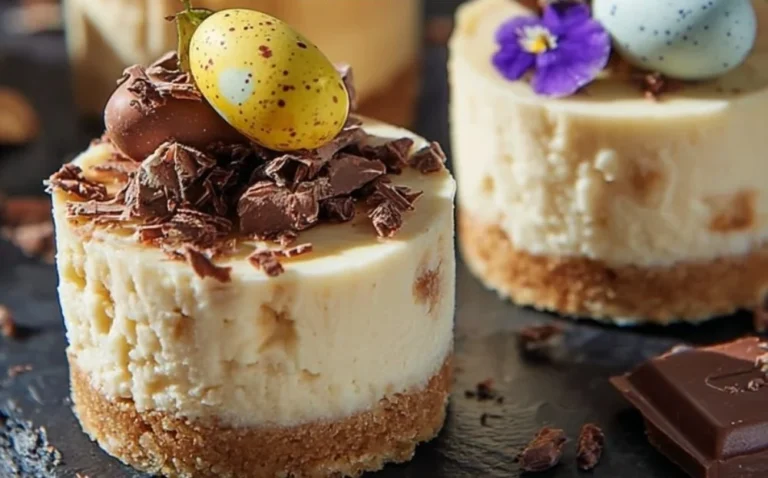
Mini No-Bake Lemon Cheesecake Tarts are a bright, refreshing dessert that balances creamy texture with a citrus lift. As a nutrition specialist, I approach treats like this with an eye toward how they fit into overall dietary patterns rather than labeling them simply “good” or “bad.” These little tarts can be enjoyed mindfully as part of a varied diet that supports digestion, nutrient balance, and long-term wellness. For inspiration on portion-controlled, small-portion desserts that follow a similar format, consider trying a related recipe for mini Easter cheesecakes with chocolate eggs, which offer another way to enjoy rich flavors in modest servings.
In the following sections I’ll explain how the ingredients contribute to nutrition, what to expect from the no-bake preparation, practical swaps to adjust nutrient density, pairing suggestions to create a balanced mini-meal, and sensible storage and food-safety guidance. My goal is to provide simple, evidence-based recommendations you can use whether you are cooking for family gatherings, meal prepping single-serve desserts, or managing energy and appetite across the day.
How this recipe supports overall wellness
This recipe supports wellness primarily through portion control and nutrient balance. Mini tarts offer a controlled serving size, which helps manage energy intake without eliminating pleasurable foods. The inclusion of dairy (cream cheese, sour cream) provides protein and calcium, while lemon juice and zest add vitamin C and phytochemicals that can enhance flavor without adding sugars. Enjoyed occasionally within an eating pattern rich in vegetables, whole grains, lean protein, and fruits, these tarts can be part of a satisfying diet that supports digestive comfort and satiety.
For a different lemon-forward baked option with added fruit and whole-food components, you might look at a lemon-and-berry combination such as this lemon blueberry cake, which can give ideas for pairing fruit and citrus throughout desserts to boost antioxidant intake and fiber when appropriate.
How to make Mini No-Bake Lemon Cheesecake Tarts
Ingredients :
8 ounces cream cheese, 1 cup powdered sugar, 1/2 cup sour cream, 1/4 cup lemon juice, 1 tablespoon lemon zest, 1 teaspoon vanilla extract, 1 package graham cracker crusts or mini tart shells, whipped cream for topping, optional fresh berries for garnish
Directions :
- In a mixing bowl, beat the cream cheese until smooth.
- Gradually add the powdered sugar and mix until combined.
- Stir in the sour cream, lemon juice, lemon zest, and vanilla extract until the mixture is creamy.
- Spoon the lemon cheesecake filling into the mini tart shells or graham cracker crusts.
- Chill in the refrigerator for at least 2 hours.
- Serve topped with whipped cream and fresh berries if desired.
Step-by-step considerations from a nutrition and food-safety perspective:
- Softening and beating the cream cheese ensures a smooth texture that is easier to digest for many people; if lactose sensitivity is a concern, consider the swaps discussed later.
- Gradually adding powdered sugar distributes sweetness evenly so you can taste and adjust (within the constraints of the recipe) for a lower-sugar outcome if desired.
- Stirring in sour cream contributes tang and moisture while rounding out the flavor profile; it also increases the dairy content, which is a source of calcium and protein.
- Chilling is essential not only for setting the filling but also for food safety: the refrigeration period reduces the risk of bacterial growth compared with leaving soft dairy-based fillings at room temperature.
Nutrient roles of each main ingredient
- Cream cheese (8 ounces): Cream cheese provides texture, calories, and fat-soluble vitamins. It contains some protein and calcium, though it is higher in saturated fat compared with lower-fat dairy options. In moderate amounts, dairy fats can be part of a balanced diet; portion control is key.
- Powdered sugar (1 cup): Powdered sugar offers sweetness and contributes to palatability. It contains simple carbohydrates with minimal micronutrients, so be mindful of portion sizes. Using powdered rather than granulated sugar impacts mouthfeel and integration into the creamy filling.
- Sour cream (1/2 cup): Sour cream adds acidity and creaminess, contributing to both flavor and texture. It supplies additional calories and some protein and calcium; like cream cheese, it is a source of saturated fat.
- Lemon juice (1/4 cup) and lemon zest (1 tablespoon): These are low-calorie flavor enhancers that add vitamin C and volatile oils that brighten flavor, making the dessert more satisfying without extra sugar. The zest contains concentrated aromatic compounds and a small amount of fiber.
- Vanilla extract (1 teaspoon): Adds aroma and perceived sweetness, allowing for less added sugar in some recipes.
- Graham cracker crusts or mini tart shells (1 package): These provide the carbohydrate base and structural contrast to the creamy filling. They supply energy in the form of refined grains and can be paired with toppings that add fiber and micronutrients.
- Whipped cream and fresh berries: Whipped cream is an optional garnish that increases richness; fresh berries provide fiber, vitamin C, and polyphenols, helping to enhance nutrient density and satiety when used as a topping.
Taken together, the ingredients deliver a mix of macronutrients—fat from dairy, carbohydrates from sugar and crusts, and a modest amount of protein from dairy—so these tarts are energy-dense and best enjoyed in controlled portions.
The preparation method & its health impact
No-bake preparations like this one generally preserve the vitamin C in lemon juice better than high-heat methods. Because there’s no baking, heat-sensitive nutrients in citrus and berries remain largely intact. The cold-set texture also reduces the need for additional stabilizers or extra fats that some baked cheesecakes require.
From a digestion standpoint, chilled creamy desserts may feel heavier for some people compared with lighter, warmer desserts. Eating slowly and pairing the tart with a fiber-rich element—such as fresh berries or a small salad beforehand—can help moderate blood glucose response and support digestion by encouraging saliva and digestive enzyme production.
The two-hour chill time is functionally important: it lets the fats and proteins in the dairy firm up and integrate with the crust, providing a stable, satisfying mouthfeel. For food safety, always chill dairy desserts promptly and keep them refrigerated until serving.
Ways to lighten, enrich or modify the dish nutritionally
If you want to keep the flavor but adjust nutrition:
Lighten
- Reduce powdered sugar slightly or replace half with a finer natural sweetener that measures similarly (taste and texture may vary). Because the recipe specifies powdered sugar, be cautious when substituting to maintain texture.
- Choose lower-fat cream cheese and sour cream options to decrease saturated fat; full-fat versions are richer and more satiating, so balance taste and satiety preferences.
- Use smaller tart shells to reduce portion size without changing the filling recipe.
Enrich
- Add a tablespoon of finely ground nuts (almonds or walnuts) stirred gently into the filling for extra protein, fiber, and heart-healthy fats. This increases nutrient density without drastically altering flavor.
- Top with a tablespoon of fresh fruit compote or a sprinkle of chia seeds to modestly boost fiber.
- Swap some or all of the powdered sugar for a pureed medjool date paste, mindful that this will change texture and sweetness.
Modify for dietary needs
- For lower lactose or dairy-free needs, use a well-formulated vegan cream cheese and a plant-based sour cream alternative. Texture and flavor will differ but can still be enjoyable.
- For those watching refined grains, look for mini tart shells made from whole-grain crackers or make a crust from ground oats and nuts pressed into molds (note: this would change the specified components, so consider as a separate adaptation in practice).
For additional ideas on lemon-forward treats that can be tailored, you can compare textural and nutrient trade-offs with a lemon-brownie style dessert such as lemon brownies, which highlight how sweets can be adapted across formats.
Pairing ideas for a balanced, complete meal
A mini tart is best enjoyed as part of a meal plan that balances appetite, blood sugar stability, and nutrient variety. Consider these pairing strategies:
- After a protein-rich main: Serve one tart as a small sweet finish to a meal centered on grilled fish or roasted chicken with roasted vegetables and a whole grain. Protein and fiber from the main course slow digestion and enhance satiety.
- With fresh fruit and nuts: Pair the tart with a small bowl of mixed berries and a tablespoon of toasted nuts. The berries add fiber and the nuts provide additional protein and unsaturated fats, making the overall snack more satisfying.
- As an afternoon treat with tea: Combine the tart with a small herbal or green tea and a handful of edamame or Greek yogurt for a mid-afternoon mini-meal that blends carbohydrates and protein.
These pairings help distribute energy intake across macronutrients and support steady digestion and sustained fullness.
Safe storage, food safety & optimal reheating
Storage
- Refrigerate the tarts in a covered container. Dairy-based no-bake desserts should be kept at 40°F (4°C) or below.
- Consume within 3–4 days for best quality and safety, as dairy fillings can lose freshness and become more prone to spoilage over time.
Food safety
- Minimize the time the tarts spend at room temperature. If serving at a party, return extras to refrigeration within two hours (one hour in hot environments).
- Use clean utensils when serving to avoid cross-contamination.
Reheating
- These are intended to be served chilled. Avoid reheating; if you prefer a warmer dessert, transfer a single portion to a small oven-safe dish and warm briefly, but be aware this will soften the structure and change texture. For food safety, reheat only what you plan to consume immediately.
Common nutrition questions about this dish
Q: Is this dessert high in sugar?
A: It contains a concentrated source of sugar from the powdered sugar and the crust. One mini tart is a modest portion, but total sugar depends on the number of tarts consumed. Pairing the tart with protein or fiber and limiting portions helps keep overall daily added sugar reasonable.
Q: Can people with lactose intolerance eat this?
A: Those with mild lactose sensitivity sometimes tolerate small amounts of dairy, especially when consumed with other foods. For more significant lactose intolerance, choose lactose-free or plant-based alternatives.
Q: Is the no-bake method less healthy than baking?
A: Not inherently. No-bake preserves heat-sensitive nutrients like vitamin C in lemons and generally avoids the need for extra fats that some baked desserts require. Health impact depends primarily on ingredient composition and portion size rather than whether it was baked.
Q: How can I reduce saturated fat in this recipe?
A: Swap full-fat dairy for lower-fat versions or use small amounts of fortified plant-based alternatives. Adding nuts or berries can increase nutrient density while keeping portions modest.
Final wellness notes
Mini No-Bake Lemon Cheesecake Tarts are best seen as an occasional, enjoyable addition to a balanced diet rather than a daily staple. They demonstrate how bright flavors—like lemon and vanilla—can let us enjoy smaller portions without feeling deprived. Focusing on mindful eating, including slow savoring and thoughtful pairing with fiber or protein, enhances digestion and satisfaction. Small adaptations can tailor the tarts to specific dietary needs without losing their character. Ultimately, nutrition is about overall patterns and consistency; occasional treats that bring pleasure and social connection fit well within a sustainable, healthful approach.
Conclusion
If you want to follow the original inspiration or compare similar small-portion lemon cheesecakes, this version at Mini No-Bake Lemon Cheesecake Tarts – Our Happy Mess is a helpful reference. For bite-sized alternatives that highlight similar techniques, see No Bake Lemon Cheesecake Bites Recipe which focuses on compact servings. If you’re exploring family-style or nostalgic variations, Nana’s Lemon Cream Cheese Tarts – Culinary Cool offers a classic perspective. For a broader look at mini no-bake cheesecake formats that may spark further adaptations, visit Mini No-Bake Cheesecakes – Sally’s Baking Addiction.
Mini No-Bake Lemon Cheesecake Tarts
Ingredients
Method
- In a mixing bowl, beat the cream cheese until smooth.
- Gradually add the powdered sugar and mix until combined.
- Stir in the sour cream, lemon juice, lemon zest, and vanilla extract until the mixture is creamy.
- Spoon the lemon cheesecake filling into the mini tart shells or graham cracker crusts.
- Chill in the refrigerator for at least 2 hours.
- Serve topped with whipped cream and fresh berries if desired.