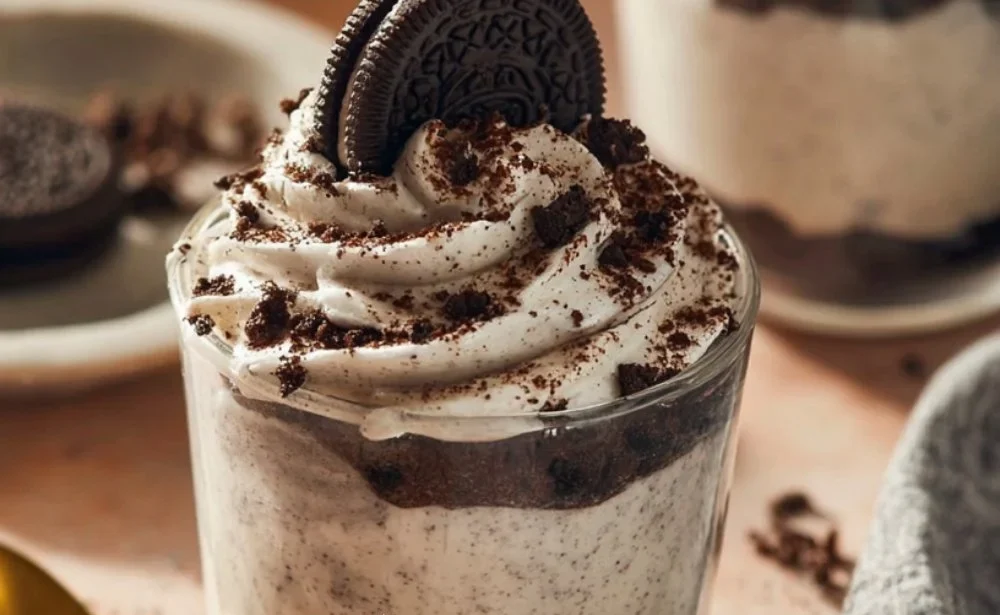
No Bake Oreo Cheesecake Cups
Introduction
As a nutrition specialist, I approach recipes like No Bake Oreo Cheesecake Cups with an eye toward both enjoyment and nourishment. Desserts are part of daily life for many people — they bring pleasure, social connection, and a sense of reward. At the same time, they are an opportunity to practice balance: choosing appropriate portions, being mindful about ingredients, and pairing treats with other foods that support digestion and steady energy. This recipe is a simple, no-bake dessert that will set quickly and appeal to people who want a familiar, creamy finish without a long oven time. My aim here is to present evidence-based guidance that helps you enjoy this treat in ways that support long-term wellness rather than promoting restriction or undue worry.
I will walk through how this recipe can fit into a balanced eating pattern, explain the roles of its main ingredients, and offer practical tips that consider digestion, nutrient density, and sustainable habits. The tone is calm and professional: we’ll look at how to get the most out of a dessert experience nutritionally and practically, while preserving the recipe exactly as written so you can make it as intended.
How this recipe supports overall wellness
A dessert like No Bake Oreo Cheesecake Cups can support overall wellness when it’s consumed in the context of a varied diet and a lifestyle that values regular meals, activity, and restful sleep. From a nutritional perspective, this dish provides fat and some protein from cream cheese and whipped cream, and quick energy from the cookie crumbs and powdered sugar. Fat slows gastric emptying, which can increase feelings of fullness and help moderate blood sugar rises when sweets are eaten as part of a meal. Including small amounts of fat and protein with sweets is a simple strategy to improve satisfaction and reduce the tendency to overeat.
Additionally, the no-bake format encourages portion control: making individual cups makes it easier to serve consistent portions and enjoy the sensory pleasure of a dessert without mindless grazing. Enjoyment of food is part of well-being — savoring a small dessert can support adherence to healthy eating overall. For people who are mindful about added sugars and energy density, using the recipe occasionally and balancing other meals around nutrient-dense options (vegetables, whole grains, lean proteins) will help this dessert be a sustainable, pleasure-supporting part of a pattern of healthy eating.
How to make No Bake Oreo Cheesecake Cups
Below is the recipe exactly as provided. Follow the steps as written for predictable results. After the recipe I’ll add practical technique notes that help digestion and texture without changing the recipe.
Ingredients : 1 package Oreo cookies, 1/2 cup unsalted butter, melted, 2 cups cream cheese, softened, 1/2 cup powdered sugar, 1 cup whipped cream
Directions :
- Crush the Oreo cookies into fine crumbs and mix with melted butter.
- Press the mixture into the bottom of dessert cups to form a crust.
- In a bowl, beat the cream cheese until smooth, then mix in powdered sugar.
- Fold in the whipped cream gently until combined.
- Spoon the cream cheese mixture over the Oreo crust in the cups.
- Chill for at least 20 minutes before serving.
Technique notes: Crushing the cookies finely and combining them well with melted butter forms a stable crust that needs no baking. Softened cream cheese whips more smoothly and creates a lighter texture; folding in the whipped cream gently maintains that airiness. Chilling allows the fat to firm up and the cream to set, so the cup holds its shape and is easier to eat.
Nutrient roles of each main ingredient
Understanding what each component brings can help you make intentional choices around portions and pairing.
- Oreo cookies: These provide most of the carbohydrate and some fat in the dessert. They are a source of quick energy (refined sugars and starches) and contribute flavor and texture. Because they’re processed, they offer limited micronutrients but play a central sensory role that makes the dessert satisfying.
- Unsalted butter, melted: Butter is primarily fat — largely saturated — that helps bind the cookie crumbs into a crust and contributes mouthfeel and satiety. Fat slows digestion of the carbohydrates in the crust and can reduce a rapid blood sugar spike after eating sweets.
- Cream cheese, softened: Cream cheese contributes fat and some protein along with vitamins A and small amounts of calcium. The protein and fat slow digestion and contribute to the creamy texture that helps the dessert feel more substantial than a pure sugar-based treat.
- Powdered sugar: This is a refined sweetener that increases sweetness and helps balance the tang of cream cheese. It provides quick energy but no micronutrients, and in excess can contribute to overall high added-sugar intake.
- Whipped cream: Adds lightness, fat, and airiness. It contributes to texture and satiety but is energy-dense. When incorporated modestly, it enhances palatability without a large volume of additional sugar (assuming unsweetened whipped cream or lightly sweetened).
Taken together, the dish is energy-dense and best consumed in measured portions. Its composition — fat with some protein and refined carbohydrates — tends to slow gastric emptying and promote a satisfying experience when enjoyed occasionally within a broader diet rich in nutrient-dense foods.
The preparation method & its health impact
No-bake preparation minimizes the need for added cooking fat and avoids cooking processes that can alter certain nutrients. Because the dish relies on chilled dairy, it is important to handle ingredients safely: keep cream cheese and whipped cream refrigerated until use, and chill the finished product promptly. Chilling rather than baking preserves the original structure of milk proteins and avoids Maillard reaction products that occur with high-heat baking — though those reactions are not inherently harmful in usual dietary amounts, avoiding extra processing can be a small win for simplicity.
The folding technique (gently incorporating whipped cream into the cream cheese mixture) keeps the texture light without overworking proteins. From a digestion standpoint, a food that is enjoyable and easy to chew supports comfort and mindful eating. The lack of rigid structure (it’s creamy and soft) may aid those with mild chewing difficulties and can be more pleasant for people with GI sensitivities when eaten in small portions. Conversely, because this dessert is energy-dense and contains processed carbs, it’s best consumed with attention to portion size and balanced with whole-food meals throughout the day.
Ways to lighten, enrich or modify the dish nutritionally
While the recipe above should remain unchanged if you want the exact result, there are practical strategies you can use when planning to enjoy it more often or to increase nutrient density around it:
- Portion control: Serve in smaller cups or split each cup among two people; visual cues and smaller dishes naturally limit intake.
- Add fruit alongside the dessert: Fresh berries, sliced kiwi, or citrus segments add fiber, vitamin C, and antioxidants. Pairing fruit with each serving increases volume and slows absorption of sugars.
- Pair with protein at the meal level: If the dessert follows a meal higher in lean protein (grilled chicken, legumes, or Greek yogurt), you’ll have better overall blood sugar control and longer fullness.
- Timing and frequency: Treats can be included a few times a week for many people, but consider frequency relative to your overall dietary pattern and goals. Enjoyment and moderation are key.
- Texture additions (on the side): A small handful of toasted nuts served with the cup adds unsaturated fats, fiber, and protein — a simple way to extend satiety without changing the recipe.
Keep in mind that any direct modification to ingredient ratios would change the texture and flavor; the ideas above focus on serving and meal context rather than altering the prepared recipe.
Pairing ideas for a balanced, complete meal
To make a meal that leaves you nourished and satisfied while still allowing room for a small dessert like these cups, think in terms of protein, fiber-rich vegetables or whole grains, and healthy fats earlier in the meal:
- Example meal A: Grilled salmon (protein and omega-3s), quinoa pilaf (fiber and whole-grain carbohydrates), and a mixed green salad with olive oil vinaigrette. Finish with one No Bake Oreo Cheesecake Cup for dessert; the meal’s protein and fiber make the dessert more of a conscious treat.
- Example meal B: Lentil and vegetable stew (plant protein and fiber), whole grain bread or brown rice, and roasted vegetables. Dessert becomes a small, satisfying sweet note at the end.
- Beverage pairings: Choose water, sparkling water with a lemon slice, or unsweetened herbal tea to support digestion and avoid adding extra sugars. A small latte or plain coffee can accompany the dessert if caffeine suits you.
When building meals, prioritize vegetables, lean proteins, and whole grains earlier on to ensure the diet overall provides nutrient density rather than relying on treats for satisfaction.
Safe storage, food safety & optimal reheating
Because this recipe contains dairy and no baking step, refrigeration and careful handling are essential:
- Refrigerate promptly: After assembly, chill the cups for at least 20 minutes as directed, and store them in the refrigerator at 40°F (4°C) or below.
- Storage time: Consume within 3–4 days for best quality and safety, as dairy-based no-bake desserts can lose texture and may become susceptible to microbial growth over several days.
- Freezing: These cups can be frozen if you want to store them longer. Wrap tightly and freeze for up to 1 month; thaw in the refrigerator overnight before serving. Note that freezing may slightly change texture (cream cheese can be a bit grainy after freezing).
- Reheating: Reheating isn’t necessary; serving chilled preserves texture. If you prefer a softer texture after refrigeration, allow the cup to sit at room temperature for 10–15 minutes before serving rather than applying heat.
- Cross-contamination: Use clean utensils and surfaces, and avoid leaving the cups at room temperature for prolonged periods (more than 2 hours) to reduce food safety risk.
These simple steps minimize risk and keep the dessert enjoyable and safe.
Common nutrition questions about this dish
Q: Is this dessert too high in sugar or fat to fit into a healthy diet? A: It contains added sugars and saturated fat, so it’s best consumed in moderation. Within an overall balanced diet that emphasizes vegetables, whole grains, lean proteins, and fruits, enjoying a small portion occasionally is compatible with long-term health.
Q: Can people with lactose intolerance eat this? A: This recipe uses dairy-based cream cheese and whipped cream, which contain lactose. Some people with mild lactose intolerance tolerate small portions when consumed with other foods, but those with significant sensitivity should choose lactose-free alternatives or avoid it.
Q: Is there a good portion size? A: Individual dessert cups create a natural portion. Aim for one small cup (about 2–4 ounces) as a reasonable serving. Listen to hunger and fullness cues and avoid eating mindlessly.
Q: How often can I have this? A: Frequency depends on your overall eating pattern and goals. For many people, enjoying a treat a few times per week is manageable; for others, less frequent enjoyment fits better. Focus on balance and consistency rather than rigid rules.
Q: Is freezing safe and does it affect quality? A: Freezing is safe and convenient; thaw in the fridge. Texture may change slightly, but quality generally remains acceptable for up to a month.
Final wellness notes
No Bake Oreo Cheesecake Cups are a classic, satisfying treat that can be part of a balanced lifestyle when enjoyed mindfully. The recipe combines elements — fat, a little protein, and refined carbohydrates — that together slow digestion somewhat and increase satisfaction compared to sweets made of sugar alone. From a long-term wellness perspective, the goal is not to eliminate treats but to make them fit into a pattern of nutrient-rich meals, adequate activity, restful sleep, and social connection. Focus on portion control, pairing with nutrient-dense foods when possible, and paying attention to how the dessert makes you feel — physically and emotionally. That approach promotes consistency, enjoyment, and sustainable habits that support health over decades.
Conclusion
For additional recipe inspiration and variations while keeping the hands-off, no-bake approach, these resources offer helpful ideas and step-by-step photos: No Bake OREO Cheesecake Cups – Best Friends For Frosting, 5 Ingredient No-Bake Oreo Cheesecake Cups | Lemons & Zest, No Bake Mini Oreo Cheesecakes | Life, Love & Sugar, No-Bake Oreo Cheesecake Cups – Buttercut, and No Bake Oreo Dessert Cups – Sour & Sweets. These sources can help you adapt presentation and serving ideas while you keep the preparation and food-safety practices discussed above in mind.
No Bake Oreo Cheesecake Cups
Ingredients
Method
- Crush the Oreo cookies into fine crumbs and mix with melted butter.
- Press the mixture into the bottom of dessert cups to form a crust.
- In a bowl, beat the cream cheese until smooth, then mix in powdered sugar.
- Fold in the whipped cream gently until combined.
- Spoon the cream cheese mixture over the Oreo crust in the cups.
- Chill for at least 20 minutes before serving.