No-Bake Christmas Cookie Lasagna

Introduction ***
As a nutrition specialist, I look at recipes through two complementary lenses: culinary enjoyment and long-term wellness. The No-Bake Christmas Cookie Lasagna is a festive, layered dessert designed to be shared, and it can absolutely have a place in a balanced eating pattern when enjoyed mindfully. In this article I’ll explain how this dessert fits into digestive health, where its nutrients come from, and practical strategies to enjoy it without undermining your overall nutrition goals. If you like no-bake layered desserts and want additional inspiration for sweet treats that can be adapted for different occasions, consider recipes such as these layered cake mix cookie bars which use a similar assembly principle in a baked format.
My aim here is not to demonize a holiday favorite, but to provide clear, evidence-based guidance so you can enjoy seasonal foods while supporting digestion, nutrient density, and sustainable eating habits. The following sections break down the recipe, explain what each ingredient contributes, and give options for moderating portions and enhancing nutrition without altering the original recipe’s ingredients or directions.
*** How this recipe supports overall wellness ***
No-Bake Christmas Cookie Lasagna combines familiar textures—crisp cookie layers and a creamy filling—which can be satisfying and help you feel content with a smaller portion. Feeling satisfied after a dessert often reduces the tendency to overeat later. The layering structure inherently encourages portion control when you serve single portions from the assembled dish.
From a physiological perspective, combining fat and carbohydrate, as this dessert does, slows gastric emptying a bit compared with carbohydrate alone. That can blunt a rapid blood glucose spike in some people and prolong the sense of fullness. At the same time, this dish is energy-dense and high in simple sugars, so balancing it with higher-protein or higher-fiber foods earlier in the meal helps stabilize blood sugar and appetite. For other cookie-focused desserts that play with texture and sweetness, you might appreciate variations found in recipes like chewy maple cinnamon cookies, which show how ingredient choices shift texture and nutrient profile.
Enjoying a seasonal treat can have psychological benefits—celebration, social connection, and pleasure are important to well-being. The key is integrating these moments into a broader pattern of nourishment that prioritizes vegetables, lean protein, whole grains, and adequate hydration most of the time.
*** How to make No-Bake Christmas Cookie Lasagna ***
Ingredients :
Crushed holiday cookies, Cream cheese, Powdered sugar, Whipped cream, Festive toppings (e.g., sprinkles, chocolate chips, crushed candy canes)
Directions :
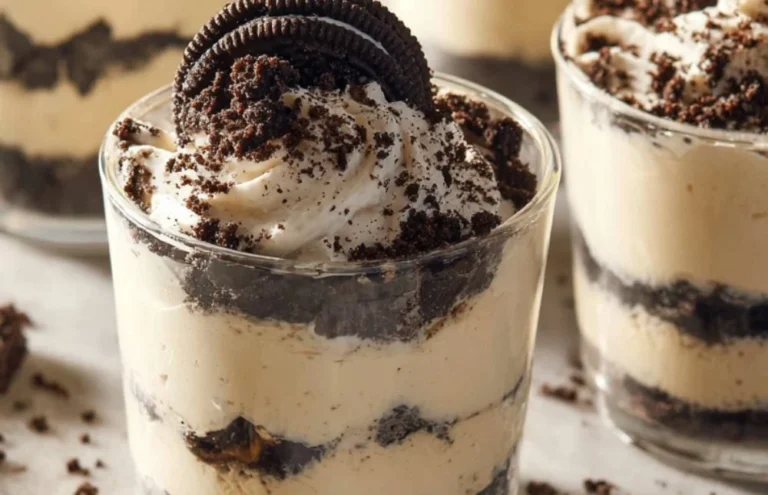
- In a mixing bowl, combine cream cheese and powdered sugar until smooth., 2. Fold in whipped cream gently., 3. In a decorative dish, layer crushed holiday cookies, followed by a layer of cream cheese mixture., 4. Repeat the layers until all ingredients are used, finishing with creamy topping., 5. Add festive toppings on top., 6. Refrigerate for at least 2 hours before serving. Enjoy your dessert!
This recipe is intentionally simple: no baking, a short ingredient list, and an assembly approach that anyone can follow. The refrigeration step helps the layers set and makes slicing cleaner, which improves the eating experience. When serving, use a well-sized serving utensil and consider pre-portioning to support mindful eating.
*** Nutrient roles of each main ingredient ***
Crushed holiday cookies: These supply most of the carbohydrate and a portion of the fat, depending on the cookie type. They provide quick energy in the form of sugars and refined starches. The texture they add is important for sensory satisfaction.
Cream cheese: This contributes concentrated fat and some protein. Cream cheese provides fat-soluble vitamins in small amounts and adds richness that can increase satiety. For those monitoring saturated fat, it’s useful to be mindful of portion sizes.
Powdered sugar: Essentially pure sugar with a small amount of anti-caking agent, powdered sugar increases sweetness and dissolves easily into the cream cheese. It is a simple carbohydrate and should be consumed in moderation as part of total daily added sugars.
Whipped cream: Depending on whether it’s homemade or canned, whipped cream is mostly fat (primarily saturated fat) with small amounts of dairy protein. It contributes to mouthfeel and perceived creaminess, which enhances satisfaction.
Festive toppings (e.g., sprinkles, chocolate chips, crushed candy canes): These add color, texture, and small amounts of additional sugar and fat. Tiny amounts of dark chocolate chips can contribute flavonoids, but typical topping quantities are for sensory effect rather than meaningful nutrition.
Taken together, this dish is energy-dense with concentrated fats and sugars. That doesn’t make it “bad,” but it does mean it’s best enjoyed in mindful portions and balanced within your overall eating pattern.
*** The preparation method & its health impact ***
No-bake desserts like this rely on refrigeration to set rather than heat. From a food-safety perspective, the cold holding of dairy-based mixtures is important to prevent bacterial growth. Chilling for at least two hours, as directed, allows the cream cheese-whipped mixture to firm and the cookie layers to soften slightly, improving digestibility.
Digestively, very high-fat desserts can slow gastric emptying and leave some people feeling heavy, whereas the inclusion of cookie layers adds some rapid-digesting carbohydrate that can be quickly metabolized. If you have digestive sensitivities to rich dairy or high-fat foods, smaller servings and pairing the dessert with water and a fiber-rich fruit can help ease digestion.
Because the dish does not require baking, it avoids Maillard reaction products that form during high-heat cooking; this is neutral from a general health perspective. The main nutritional considerations stem from macronutrient composition—simple sugars and saturated fats—so the health impact is largely driven by portion size and how often similar treats are eaten.
For a look at how recipes with a similar make-ahead strategy adapt to different holidays, you may find this no-bake, layered approach comparable to the technique used in Easter cake mix cookie bars, which also rely on assembling textures for enjoyment rather than baking.
*** Ways to lighten, enrich or modify the dish nutritionally ***
While you must follow the recipe as written when preparing the classic version, there are sensible, optional ideas you can try elsewhere or when adapting for future batches:
- Serve smaller slices: The simplest change to reduce energy intake without altering the recipe is to cut the assembled lasagna into smaller, clearly defined portions. Use a smaller serving dish or pre-mark slices.
- Add a fresh component on the side: Serving fresh berries, sliced pears, or a mixed berry compote alongside the dessert adds fiber, water, and vitamins that slow carbohydrate absorption and increase satiety after the meal.
- Choose toppings with nutritional value: If you personalize the topping step, consider adding chopped nuts sparingly for protein, fiber, and healthy fats; a few crushed almonds or walnuts can improve nutrient density while keeping the festive look.
- Opt for lighter dairy elsewhere in the meal: If you know you’ll enjoy a rich dessert, choose lower-fat or plant-based options for other parts of the day to balance total saturated fat intake.
- Mindful ingredient swaps when experimenting (not changing this recipe): In future iterations you might trial reduced-sugar cookie varieties, lower-fat cream cheese alternatives, or whipped coconut cream for dairy-free options; these are adaptations to consider independently from making the original recipe.
If you like desserts that keep a balance of flavor and a slightly improved nutrient profile, you might also explore recipes that use different bases and mix-ins, such as Oreo-based no-bake cookie balls, which illustrate how ingredient swaps shift nutrition.
*** Pairing ideas for a balanced, complete meal ***
To enjoy this dessert as part of a balanced eating occasion, plan the meal so that the main plate emphasizes vegetables, lean protein, and whole grains. For example:
- Start with a vegetable-forward main course (roasted vegetables and grilled turkey or salmon) to provide fiber and protein.
- Include a source of dairy or plant protein, such as Greek yogurt or a legume salad, earlier in the meal to moderate appetite and glucose response when dessert arrives.
- Offer fresh fruit and water or unsweetened tea with the dessert; fruit provides fiber and hydration, and water supports digestion and satiety.
- For a festive beverage, consider sparkling water with a splash of citrus rather than a sugar-sweetened cocktail to avoid doubling down on added sugars.
Balancing macronutrients across the whole meal helps your body process the dessert more comfortably and supports long-term metabolic health.
*** Safe storage, food safety & optimal reheating ***
Storage: Because the recipe contains dairy (cream cheese and whipped cream), store the assembled lasagna covered in the refrigerator. Keep it at or below 40°F (4°C). Consume within 3 to 4 days for best quality and safety; discard if left at room temperature for more than two hours.
Food safety tips:
- Use pasteurized dairy ingredients to lower risk.
- Keep utensils and serving tools clean and avoid double-dipping.
- If you notice separation, off-odors, or visible mold, discard the dish.
Reheating: This is a cold dessert and is not intended to be reheated. If you prefer a warmed element, serve a small portion of the topping warmed separately (for example, a warmed berry compote) rather than heating the lasagna itself; heating the dairy layers will alter texture and potentially food safety when warmed repeatedly.
*** Common nutrition questions about this dish ***
Q: Is this dessert high in sugar?
A: Yes, the crushed cookies and powdered sugar contribute a significant amount of simple sugars. Enjoying smaller portions and balancing the rest of the meal with fiber and protein helps manage overall sugar intake.
Q: Can people with lactose intolerance eat this?
A: The cream cheese and whipped cream contain lactose. Some people with mild intolerance can tolerate small servings, but others will not. For those with stronger sensitivity, a dairy-free alternative should be used—though that would be a modification of the original recipe.
Q: How often can I include this in my diet?
A: Frequency depends on your overall dietary pattern and health goals. An occasional seasonal treat fits well in most balanced diets, particularly if most meals emphasize vegetables, protein, whole grains, and healthy fats.
Q: Will this make me gain weight?
A: Weight change results from long-term energy balance. One dessert on its own won’t cause sustained weight gain; patterns over weeks and months do. Focus on portion control and an active lifestyle.
*** Final wellness notes ***
No-Bake Christmas Cookie Lasagna is a celebration food; it brings joy through texture, sweetness, and visual appeal. As a nutrition specialist, I encourage you to enjoy such foods intentionally—savor slowly, share with others, and pair with nourishing elements during the meal. Emphasize regular intake of whole foods the majority of the time, and allow room for occasional indulgences without guilt. Mindful portioning, thoughtful pairings, and safe storage practices will help you enjoy this dessert in a way that supports digestion and long-term wellness.
Conclusion
For more ideas and visual inspiration on layered holiday desserts, you can compare variations like this festive take on a layered treat at the Christmas Lasagna Dessert page on To Simply Inspire, or explore another home-style version at Christmas Cookie Lasagna Dessert on My Heavenly Recipes.
No-Bake Christmas Cookie Lasagna
Ingredients
Method
- In a mixing bowl, combine cream cheese and powdered sugar until smooth.
- Fold in whipped cream gently.
- In a decorative dish, layer crushed holiday cookies, followed by the cream cheese mixture.
- Repeat the layers until all ingredients are used, finishing with a creamy topping.
- Add festive toppings on top.
- Refrigerate for at least 2 hours before serving. Enjoy your dessert!