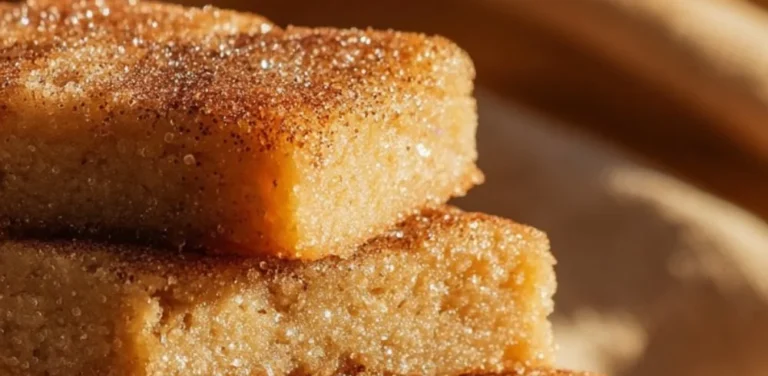
Carrot Cake Roll

Introduction
As a nutrition specialist, I approach treats like a carrot cake roll through the lens of balance, nutrient quality, and digestive comfort. A carrot cake roll is a classic, hand-held dessert built on humble pantry ingredients and a rich cream cheese frosting. It’s also an opportunity to enjoy something sweet while making small, sustainable choices that support long-term wellbeing—rather than labeling foods as strictly “good” or “bad.” If you’re curious about how a dessert can fit into a healthful pattern, this article will walk through the recipe, the role of each ingredient, digestion considerations, and practical tips to make the most of the treat without compromising overall dietary balance. For another quick-sweet idea that pairs well with seasonal eating strategies, consider this cake mix cookie bars recipe as an easy alternative when time is tight.
How this recipe supports overall wellness
A carrot cake roll can support overall wellness when eaten in the context of an overall balanced diet and mindful portioning. The carrots add a naturally sweet vegetable element that contributes fiber and carotenoids, while the eggs and dairy provide protein and fat that help slow glucose absorption and increase satiety. The combination of carbohydrates, fat, and protein in this dessert can make it more satisfying than a simple sugar-only snack, which helps reduce the urge to overconsume.
From a practical digestion perspective, the fiber in grated carrots and the relatively small surface area of a thin rolled sponge means the cake is not heavy or overly dense when prepared as directed. Eating a modest slice alongside a source of protein or a small serving of plain yogurt can further support steady blood sugar and digestive comfort. If you’re exploring flavor and texture contrasts, this cinnamon-scented cake with cream cheese frosting delivers both moisture and a pleasant mouthfeel, which can make mindful eating more enjoyable—an important component of sustainable dietary habits. For recipes with different textures or to broaden your repertoire, you might also like this lemon and blueberry option for a brighter, fruit-forward profile: lemon blueberry cake.
How to make Carrot Cake Roll
This section describes the practical steps for producing a soft, flavorful carrot cake roll. The goal in following these directions is to create a thin, pliable sponge that can be rolled without cracking, and a smooth cream cheese frosting that complements the cake without overwhelming it. Attention to oven time, cooling, and rolling technique are the keys to a successful result. Below are the exact ingredients and directions as provided; follow them carefully for reliable results.
Ingredients :
2 cups all-purpose flour, 2 cups granulated sugar, 1 teaspoon baking powder, 1 teaspoon baking soda, 1 teaspoon ground cinnamon, 1/2 teaspoon salt, 4 large eggs, 1/2 cup vegetable oil, 2 cups grated carrots, 1 teaspoon vanilla extract, 1 cup cream cheese, softened, 2 cups powdered sugar, 1/2 cup unsalted butter, softened, 1 teaspoon vanilla extract
Directions :
- Preheat the oven to 350°F (175°C) and grease a 15×10 inch jelly roll pan., 2. In a large bowl, combine flour, sugar, baking powder, baking soda, cinnamon, and salt., 3. In another bowl, whisk together eggs, oil, grated carrots, and vanilla., 4. Gradually add the wet ingredients to the dry ingredients and mix until just combined., 5. Pour the batter into the prepared pan and spread evenly., 6. Bake for 15-20 minutes or until a toothpick comes out clean., 7. Once baked, remove from the oven and let cool for a few minutes., 8. Place a clean kitchen towel on a flat surface and sprinkle with powdered sugar., 9. Invert the cake onto the towel, peel off the parchment paper, and roll it up with the towel., 10. Let it cool completely., 11. For the frosting, beat together the cream cheese, butter, powdered sugar, and vanilla until smooth., 12. Unroll the cooled cake, spread the frosting on top, and roll it back up without the towel., 13. Chill before slicing and serving.
Nutrient roles of each main ingredient
Understanding what each main ingredient contributes helps you make intentional choices about portion and pairing.
- All-purpose flour: Primarily a source of carbohydrates and energy. It provides structure to the cake through gluten formation. Choosing whole-grain flour would increase fiber and micronutrient content, though the texture of the roll is traditionally lighter with all-purpose flour.
- Granulated sugar & powdered sugar: Provide sweetness and volume. Sugars are quickly digested carbohydrates; when incorporated into a dessert with fat and protein, their impact on blood sugar is tempered somewhat by slowed gastric emptying.
- Eggs: Supply high-quality protein and several micronutrients (vitamin D, choline, B vitamins). Protein also supports satiety and slows carbohydrate absorption.
- Vegetable oil & butter: Provide fats that carry flavor, contribute to texture, and aid absorption of fat-soluble vitamins. The combination of oil in the cake and butter in the frosting gives a balance of moisture and firmness.
- Carrots: Add fiber, water, natural sugars, and carotenoids such as beta-carotene, which the body can convert to vitamin A. While carrots aren’t a substitute for whole vegetables in a meal, they add a nutrient-dense element to the dessert.
- Cream cheese: Adds protein and fat, along with calcium and vitamin A. Its tangy flavor pairs well with the cinnamon and carrots and makes the dessert feel more indulgent in small portions.
- Baking powder & baking soda: Leavening agents that create a light crumb by trapping air during baking.
- Cinnamon & vanilla: Offer flavor with negligible calories, and cinnamon can contribute aromatic compounds that enhance perceived sweetness, allowing you to enjoy flavor without extra sugar.
I also recommend moderating portion size to keep the treat a meaningful part of a balanced eating pattern.
The preparation method & its health impact
The technique used in this recipe—baking a thin sponge, inverting, and rolling while warm—produces a lighter texture than dense loaf-style cakes. A lighter sponge generally requires less fat per unit of volume to feel satisfying, which can be helpful when managing overall calorie density. The inclusion of grated carrots adds moisture, reducing the need for extra oil or butter to achieve a tender crumb.
From a digestion point of view, the combination of refined flour and sugar is offset by protein and fat from eggs and cream cheese, which slows gastric emptying and can reduce the likelihood of a rapid glucose spike. Rolling the cake also means slices are narrower and easier to portion than a thick slab of unfrosted cake. Cooling and chilling before slicing allows the frosting to set, which makes cleaner slices and can make the dessert feel more satiating because of improved texture.
Be mindful of the oven time: over-baking will dry out the sponge and may lead to more crumbs and a less pleasant mouthfeel; under-baking can affect structural integrity. The rolling step—using a powdered-sugar-dusted towel—is a practical baking method that helps prevent cracking and maintains moistness, which contributes to a better eating experience and less waste.
Ways to lighten, enrich or modify the dish nutritionally
Without changing the ingredient list provided, you can adjust how the dish is consumed and combined to shift its nutritional impact:
- Portion control: Slice the roll into thinner pieces and serve with a side of fresh fruit or a small handful of nuts to add fiber and protein, making the overall eating occasion more balanced.
- Add a salad or vegetable course: If serving this dessert after a vegetable-forward meal, you increase the overall nutrient density of the eating occasion and reduce the likelihood of over-reliance on the dessert for satisfaction.
- Think about frequency: Enjoying this roll occasionally as part of a pattern that includes plenty of whole foods supports long-term health. Mindful eating—savoring each bite—can increase satisfaction with smaller portions.
- Serving temperature: Chilling the roll slightly can firm the frosting and reduce perceived sweetness, which can help with portion control if you find chilled desserts more satisfying.
If you choose to experiment in other contexts (not changing this recipe), consider using it as inspiration to craft lower-sugar or higher-fiber versions separately, keeping in mind texture changes.
Pairing ideas for a balanced, complete meal
Pairing this dessert thoughtfully helps it fit into a balanced meal. Consider serving a modest slice alongside:
- A cup of plain Greek yogurt with a sprinkle of chopped walnuts for added protein and healthy fats.
- Fresh fruit such as berries, which provide fiber, vitamin C, and polyphenols that complement the cake’s sweetness.
- A small cup of unsweetened herbal tea or black coffee to slow eating pace and aid digestion through warm liquids.
For a more brunch-style approach, slice thinly and offer alongside a vegetable frittata or a grain-based salad; this balances carbohydrates with additional protein and vegetables, making the meal more nutrient-dense. If you’re preparing food for a gathering, include savory items like marinated vegetables or lean roasted meats to ensure guests have balanced options. For another complementary baked option with a different flavor profile, consider adding a lighter bar like these cinnamon roll bliss bars: cinnamon-roll bliss bars to your dessert table.
Safe storage, food safety & optimal reheating
Cream cheese frosting requires refrigeration because it contains dairy and is vulnerable to bacterial growth if left at room temperature for extended periods. After assembling and chilling as directed, store the cake roll wrapped tightly in plastic wrap or in an airtight container in the refrigerator. It will keep well for 3–4 days. Freezing is also an option: wrap the whole roll in plastic and then foil, and freeze for up to 1 month. Thaw overnight in the refrigerator before slicing.
When slicing from a chilled roll, allow it to sit at room temperature for 10–15 minutes for slightly softer texture if desired. Avoid microwaving slices with cream cheese frosting, as this changes texture and can cause separation. If you prefer a room-temperature serving, remove from the fridge just before serving rather than leaving it out for long periods.
Common nutrition questions about this dish
- Will eating this dessert derail a healthy diet? No. One dessert does not define your nutritional status. The context of overall dietary pattern and physical activity matters far more than single meals. Enjoying a slice mindfully and in moderation can be part of a sustainable approach to eating.
- Is the cream cheese frosting “unhealthy”? Cream cheese contains fat and calories, but it also contributes flavor and satiety. When combined with a small portion of carbohydrate from the cake, it helps slow digestion and prolong fullness—often reducing the urge to keep eating.
- Can kids enjoy this? Yes. For children, consider offering smaller slices and pairing with protein-rich foods for balanced energy. The sweetness and texture usually make carrot cake roll broadly appealing.
- How does this dessert affect digestion? For most people, the fiber in carrots plus the fat and protein from eggs and cream cheese encourages a slower digestive response than a sugar-only option, which may improve comfort and satiety.
Final wellness notes
Sweets like this carrot cake roll are best seen as one part of a varied diet. Prioritize regular meals that include vegetables, whole grains, lean proteins, and healthy fats, and allow yourself the small pleasures that keep eating enjoyable and sustainable. Small practical moves—smaller slices, balanced pairings, and mindful serving—help maintain a healthy relationship with food and support consistent nutrient intake over time. If you are managing specific health conditions or dietary restrictions, tailor serving size and pairing choices accordingly.
Conclusion
For reliable variations and step-by-step inspiration, you can compare techniques and visuals with this tested Carrot Cake Roll – Crazy for Crust tutorial which highlights rolling tips and presentation ideas. If you prefer another trusted take on the same classic, review the helpful walkthrough at Carrot Cake Roll – Gimme Some Oven for additional troubleshooting and serving suggestions.
Carrot Cake Roll
Ingredients
Method
- Preheat the oven to 350°F (175°C) and grease a 15x10 inch jelly roll pan.
- In a large bowl, combine flour, sugar, baking powder, baking soda, cinnamon, and salt.
- In another bowl, whisk together eggs, oil, grated carrots, and vanilla.
- Gradually add the wet ingredients to the dry ingredients and mix until just combined.
- Pour the batter into the prepared pan and spread evenly.
- Bake for 15-20 minutes or until a toothpick comes out clean.
- Once baked, remove from the oven and let cool for a few minutes.
- Place a clean kitchen towel on a flat surface and sprinkle with powdered sugar.
- Invert the cake onto the towel, peel off the parchment paper, and roll it up with the towel.
- Let it cool completely.
- For the frosting, beat together the cream cheese, butter, powdered sugar, and vanilla until smooth.
- Unroll the cooled cake, spread the frosting on top, and roll it back up without the towel.
- Chill before slicing and serving.