Irresistibly Chewy Crack Pie Bars You Can’t Resist
Introduction
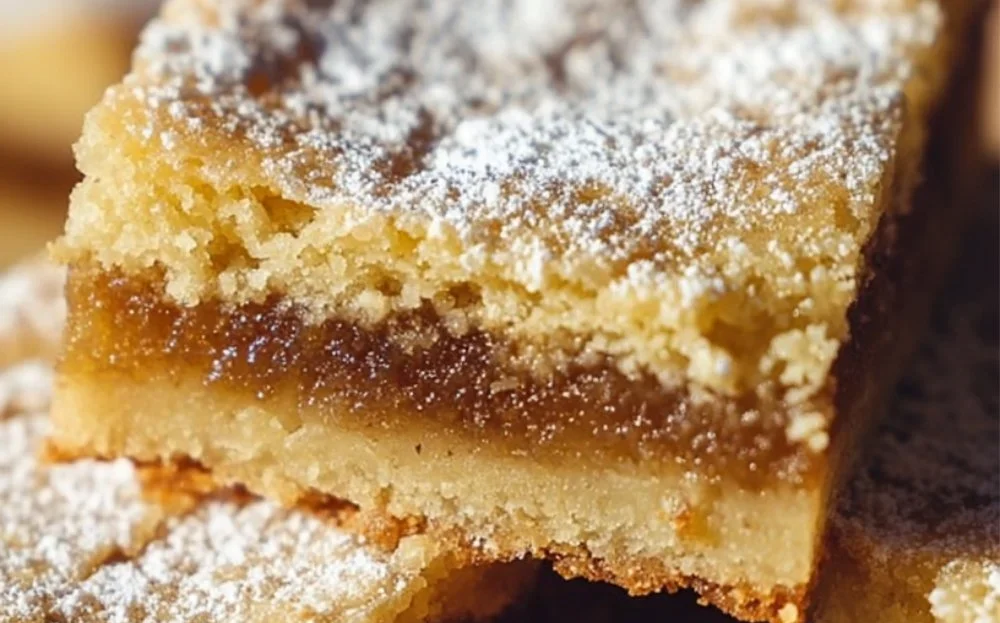
As a nutrition specialist, I aim to help you enjoy foods that bring pleasure while supporting long-term wellbeing. These Irresistibly Chewy Crack Pie Bars You Can’t Resist are an indulgent dessert that many people make for celebrations, potlucks, or when they want a reliably satisfying treat. Rather than framing sweets as “bad,” I approach them as an opportunity to practice balance, explore how ingredients affect digestion and energy, and consider ways to include them thoughtfully in a varied diet.
If you’re curious about other crowd-pleasing bar-style desserts, you might also appreciate a simple take on cake-mix cookie bars as an occasional swap-in for quicker baking projects. In this article I’ll walk through how this recipe fits into a wellness-minded approach, explain what each ingredient contributes, and offer practical tips to store, serve, and modify the bars to better match your nutritional priorities.
How this recipe supports overall wellness
Desserts like crack pie bars can support overall wellness when eaten in moderation and as part of an otherwise nutrient-dense eating pattern. From a physiological standpoint, these bars provide concentrated energy (mostly from sugar and fat), which can be useful occasionally for quick replenishment—after an active day or during social events. They also satisfy cravings in a way that can prevent overconsumption later; a small, satisfying portion is often more sustainable than repeated attempts to resist temptation.
Pleasure and social connection are important aspects of wellbeing. Sharing a homemade dessert can strengthen bonds and bring enjoyment that contributes to mental health. At the same time, combining this treat with protein, fiber, and healthy fats can help blunt rapid blood sugar rises and support more comfortable digestion. For ideas on similarly textural sweets that can fit into a balanced approach, consider trying a recipe for chewy maple-cinnamon cookies on a different occasion.
How to make Irresistibly Chewy Crack Pie Bars You Can’t Resist
This section gives a clear, practical overview of preparation without altering the original formula. The recipe is built on a crunchy, cookie-based crust and a rich, chewy filling that relies on butter, sugar, cream, and egg yolks for texture and flavor. The chemistry here is straightforward: creamed butter and sugar create a light, aerated structure; egg yolks add richness and emulsify the mixture; dry milk powder can deepen flavor and body; and cornstarch helps stabilize the filling so it sets with a chewy, fudgy texture.
Below you’ll find the ingredients listed exactly as provided, followed by the directions heading as written by the original recipe source.
Ingredients :
1.5 cups finely crushed oatmeal cookies (store-bought), 1/2 cups melted butter (can substitute with coconut oil), 1/2 cups packed brown sugar, 1 cup unsalted butter (at room temperature), 3/4 cups granulated sugar (reduce to 1/2 cup if desired), 1 tablespoon vanilla extract (opt for high-quality), 1/4 cups dry milk powder (omit for dairy-free version), 1 tablespoon cornstarch (gluten-free alternative), 1/2 cups heavy cream (can substitute with half-and-half), 6 large egg yolks (beaten well), 1 tablespoon powdered sugar (for dusting)
Directions :
Preparation Steps
Nutrient roles of each main ingredient
Understanding what each ingredient contributes helps you make choices that align with digestion and nutrient adequacy.
- Finely crushed oatmeal cookies: Provide the bulk of the crust and contribute carbohydrates and some fiber depending on the cookie. Store-bought varieties vary widely in sugar and fat content, so reading labels can matter for sodium and added sugar intake.
- Melted butter (or coconut oil): Adds saturated fats and flavor, and helps bind the crust. Saturated fat is fine in moderation but pairing portions of this treat with higher-fiber sides can support digestion and satiety.
- Packed brown sugar and granulated sugar: Provide sweetness and structure. Sugars are quickly digested carbohydrates that give rapid energy; combining the bars with protein or fiber can moderate the speed of glucose absorption.
- Unsalted butter (room temperature): Contributes to the creamy structure of the filling, aids mouthfeel, and carries fat-soluble flavor compounds such as vanilla.
- Vanilla extract: Enhances flavor without adding calories in a meaningful amount. High-quality vanilla can enhance perceived sweetness, which may allow you to enjoy a slightly smaller portion.
- Dry milk powder: Adds dairy solids which build creaminess and body. Omitting it makes the recipe more suitable for dairy-free diets but will change the final texture.
- Cornstarch: Stabilizes the filling and reduces the likelihood of weeping or graininess by binding water and limiting rapid separation.
- Heavy cream (or half-and-half): Rich source of fat that yields a silky texture. Using half-and-half reduces fat and yields a slightly less rich bar.
- Egg yolks: Provide emulsification, color, and richness. They contribute protein and help the filling set into a chewy, custard-like structure.
- Powdered sugar (for dusting): A finishing touch that adds a hint of sweetness and visual appeal.
Each ingredient plays a mechanical role (structure, stabilization, texture) as well as a nutritional one; appreciating both can help you make small, deliberate adjustments without compromising the experience.
The preparation method & its health impact
How you prepare this recipe affects both its sensory qualities and digestibility. Creaming butter and sugar incorporates air, creating a lighter texture, while careful tempering and even mixing of egg yolks produce a stable emulsion that reduces the chance the filling will separate during baking. Cornstarch helps trap moisture, so the bars hold together and maintain chewiness rather than becoming soggy.
Baking also alters the chemical profile of ingredients: heat promotes browning reactions that enhance flavor and aroma, and it reduces moisture, which can inhibit microbial growth and extend shelf stability when bars are cooled and stored properly. From a digestive perspective, the finished product is easier to digest than raw dairy or uncooked egg components because heat breaks down some proteins, but it remains a concentrated source of fat and sugars—so portion control matters.
If you’re tracking glycemic responses, pairing the bars with a protein-rich beverage or small serving of nuts can slow carbohydrate absorption and help keep your energy steadier after eating.
Ways to lighten, enrich or modify the dish nutritionally
Without changing the original recipe instructions, you can make choices around serving and accompaniment that shift the nutritional profile:
- Portion control: Cut smaller bars and serve with a side of fresh fruit to add fiber, vitamins, and volume without a large increase in calories.
- Swap at service: Choose lower-fat dairy to drink alongside (e.g., skim milk or unsweetened plant milk) instead of a heavy cream-based beverage.
- Add protein at the table: A dollop of Greek yogurt or a small handful of toasted almonds adds protein and healthy fats to balance blood sugar.
- Increase fiber elsewhere: Serve the bars as part of a plate that includes whole-grain toast or fresh fruit to increase total meal fiber.
- Frequency strategy: Reserve these bars for special occasions or planned treat moments so they remain a positive part of an overall nutrient-dense pattern.
If you enjoy exploring other confection variations that may fit different goals, you might find inspiration with recipes for easy baked donut bars, which can spark ideas for texture and portion swaps.
Pairing ideas for a balanced, complete meal
Dessert can be balanced by thoughtful pairing. Here are practical combinations that provide a sense of completeness and improved digestion:
- Coffee or tea plus a small serving of plain Greek yogurt and fresh berries: the dairy provides protein, berries add fiber and antioxidants, and the warm beverage aids satiety.
- A walnut or almond side: adding a small handful of nuts contributes omega-3s and protein that pair well with the sweet chewiness.
- Fresh fruit plate: a few slices of apple or pear give fiber and water to balance the dense texture of the bars.
- Light cheese board: a couple of slices of a lower-fat cheese and some grapes can create a more balanced grazing plate.
These pairings help transform a standalone treat into a mini-meal that supports slower glucose absorption and more comfortable digestion.
Safe storage, food safety & optimal reheating
Food safety is straightforward for baked goods:
- Cooling: Allow bars to cool completely before covering. Trapping heat under plastic can promote condensation and microbial growth.
- Refrigeration: Because this recipe contains egg yolks and dairy (heavy cream, butter), refrigeration is recommended. Store in an airtight container in the fridge for up to 4–5 days.
- Freezing: For longer storage, individually wrap bars and freeze for up to 2 months. Thaw in the refrigerator overnight before serving.
- Reheating: For best texture, bring a chilled bar to room temperature for 20–30 minutes or lightly warm for 10–15 seconds in a microwave (watch carefully) or 5–8 minutes in a low oven (about 300°F/150°C). Quick reheating preserves chewiness; prolonged heat can dry them out.
- Serving safety: If serving to people with immune compromise or pregnant individuals, be mindful that traditional recipes with undercooked egg components can be a concern—ensure bars have been fully baked and handled following safe food practices.
Common nutrition questions about this dish
Q: Are these bars “bad” for digestion?
A: Not inherently. They are a concentrated source of refined carbohydrates and fat, which can feel heavy for some people. Pairing with fiber and protein can ease digestion and make them more satisfying.
Q: How can I reduce the sugar impact without changing the recipe?
A: Serve a smaller portion alongside a protein or high-fiber side, which slows carbohydrate absorption and reduces the glycemic load of a single eating occasion.
Q: Is there a dairy-free option?
A: The ingredients list notes you can omit dry milk powder for a dairy-free version, and the crust’s butter can be substituted with coconut oil. Always follow safe substitution guidelines to maintain texture.
Q: Are egg yolks a nutritional concern?
A: Egg yolks provide nutrients like choline and fat-soluble vitamins. In the context of an otherwise balanced diet, they can be included. If you have specific medical dietary restrictions, consult your healthcare provider.
Q: How often is it reasonable to enjoy these bars?
A: Frequency depends on your overall dietary pattern and goals. Many people include treats like these once a week or less as part of a mostly nutrient-rich diet. The goal is consistent balance over time rather than perfection at every meal.
Final wellness notes
Treats like Irresistibly Chewy Crack Pie Bars can play a helpful role in a sustainable eating pattern. They offer sensory pleasure, can be shared socially, and teach mindful portioning and pairing. I encourage you to plan how these bars fit into your week—consider serving size, companions on the plate, and occasion—so they contribute to satisfaction without undermining other wellness goals. Remember that digestion and energy are influenced by the whole meal and routine; thoughtful pairing and sensible storage extend the enjoyment while supporting digestive comfort.
Conclusion
If you’d like to compare techniques or flavor profiles, this classic inspiration for the bars can be found in the original take on Crack Pie Bars • The View from Great Island, which provides context for the texture and method. For a coffee-forward twist and a different cookie base idea, see the recipe for Coffee Cookie Bars (Cookie Toffee Bars). If you’re adapting the crust or seeking different oatmeal cookie options, the Pumpkin Oatmeal Cookies – A baJillian Recipes page can spark ideas for swapping in seasonal cookie flavors.