Magic Candy
Introduction
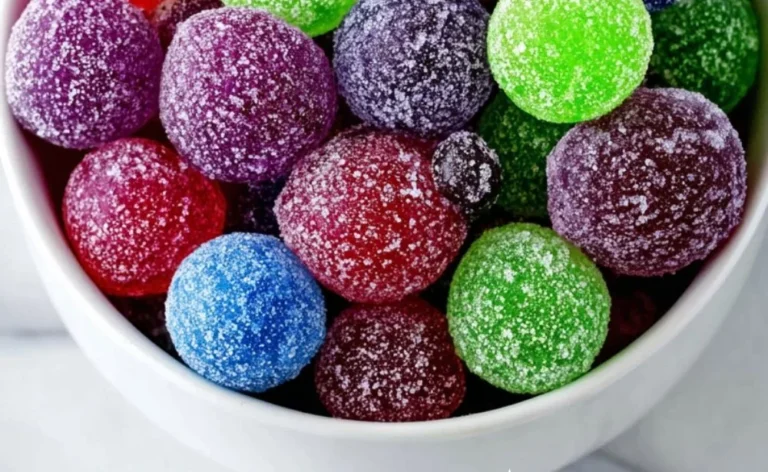
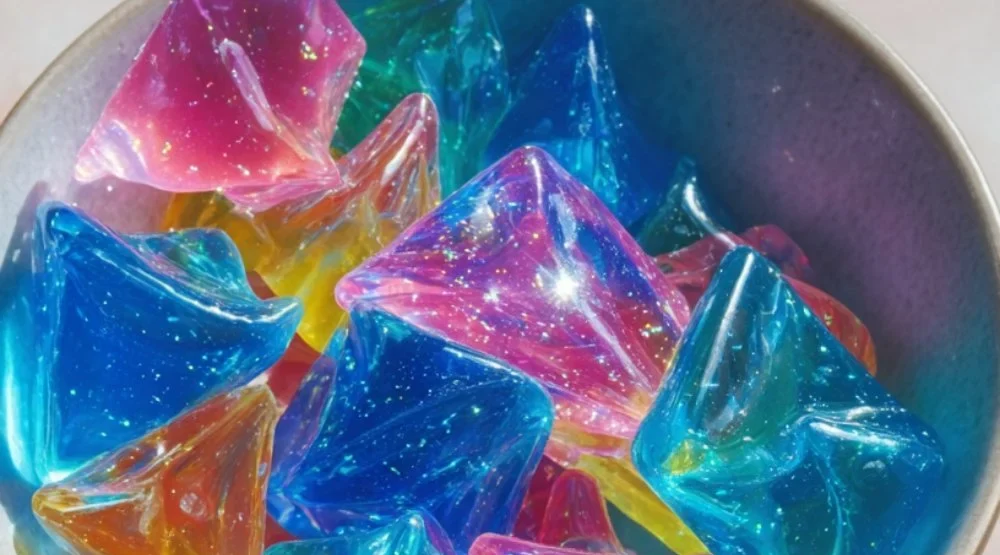
Magic Candy is an exercise in precision-sugar work: a crystalline hard candy that relies on exact temperatures, controlled crystallization and rapid surface finish to achieve a clean snap, glossy clarity and concentrated flavor. As a chef trained in classical sugar techniques, I approach this recipe as a study in heat transfer, ingredient function and timing. The finished pieces should register a brittle, glass-like fracture, a pure, focused sweetness with the selected extract cutting through the sugar, and a surface free of bloom or tack. Every step in the short recipe influences texture and stability; understanding why each action is required is as important as following the sequence.
The culinary logic behind this dish
Hard candy is fundamentally a physical transformation of sucrose in solution. Dissolving sugar into water and corn syrup, then driving off water by boiling, concentrates the syrup until the remaining mass transitions from viscous liquid to solid glass. Corn syrup is not ornamental here: its glucose content inhibits sucrose recrystallization, preventing graininess and ensuring a transparent, homogeneous glass when cooled. Water acts as the medium for dissolution and controlled heat penetration. The specified 300°F (hard crack stage) is the point at which the remaining syrup has low residual moisture and the molecular mobility required to form a brittle, non-pliable glass. Adding flavor and color only after removing from heat maintains volatile aromatics and prevents thermal degradation or off-notes. Dusting with powdered sugar reduces surface tack by providing an inert barrier against humidity and the inherent hygroscopicity of the candy surface.
How to make Magic Candy
Follow the provided recipe and directions exactly. The procedure is intentionally economical: there are no tempering stages, no cooling ropes, and no pulled manipulation. The key elements to focus on while making Magic Candy are even dissolution of solids, accurate temperature measurement, avoidance of unwanted nucleation, and immediate shaping once the syrup reaches the proper stage. Heating should be uniform, stirring only until the sugar dissolves, and the thermometer position must measure the syrup temperature, not the pan wall or steam. Workstations should be prepared in advance because the syrup will move quickly from fluid to set.
Ingredients :
2 cups granulated sugar, 1/2 cup light corn syrup, 1/2 cup water, 1 teaspoon food coloring (optional), 1 teaspoon flavoring extract (like vanilla or peppermint), Powdered sugar for dusting
Directions :
- In a saucepan over medium heat, combine the sugar, corn syrup, and water. Stir until the sugar dissolves.
- Increase the heat and bring the mixture to a boil without stirring. Use a candy thermometer to monitor the temperature, cooking until it reaches 300°F (hard crack stage).
- Remove the pan from heat and quickly stir in food coloring and flavoring extract if using.
- Pour the mixture onto a greased baking sheet or a silicone mat, allowing it to cool slightly.
- Once cool enough to handle, break or cut into pieces and dust with powdered sugar to prevent sticking.
- Enjoy your homemade magic candy!
Ingredient analysis through a chef’s lens
- Granulated sugar (sucrose): The primary structuring agent. Its concentration and purity determine clarity and glass formation. High moisture or impurities will affect color and flavor development; therefore, use a fresh, dry sugar.
- Light corn syrup: A technical stabilizer that supplies dextrose and other sugars to interrupt sucrose’s tendency to recrystallize. This maintains a glassy, non-grainy texture even as the syrup passes through high temperatures.
- Water: Solvent and heat conductor. It allows for uniform dissolution and provides the medium that must be boiled off to reach target solids content. Controlled evaporation is what allows the transition to glass without charring.
- Food coloring: Strictly aesthetic. Choose heat-stable, concentrated color so minimal volume is added; additional water from liquid coloring can alter the final moisture slightly.
- Flavoring extract: Volatile aromatics will degrade at prolonged high heat; therefore they are added off-heat to preserve brightness. Concentration and type of extract define the candy’s aromatic profile—peppermint will provide a cooling top note, vanilla will offer a richer, rounded sweetness.
- Powdered sugar: Functions as an anti-caking and moisture barrier on the finished surface. It also softens the initial mouthfeel and reduces tack.
Kitchen workflow & technique breakdown
Prepare everything before you heat sugar. Heat management is not just about pans and burners; it’s about choreography. Place a reliable candy thermometer clipped to the pan so its bulb is immersed in the syrup but not touching the pan bottom. Grease the baking sheet or lay a silicone mat; position a heatproof spatula and an oven mitt within reach. Once the syrup reaches boiling, do not stir: agitation encourages nucleation and graininess. If you must remove crystals from the pan rim, use a damp pastry brush to wash them down; do not reintroduce crystallized syrup into the boiling mass. Work quickly when you remove the pan from heat and add the flavor and color — the surface and syrup temperature will begin dropping immediately, and viscosity increases fast. Pouring should be decisive and consistent to produce an even thickness across the sheet, which affects set time and bite.
Texture control, heat management & timing
Controlling texture in hard candy is a function of final solids content and cooling kinetics. The hard crack stage (approximately 300°F / 149°C) corresponds to a syrup with very low residual water—essential for a brittle outcome. A variance of even 5–10°F alters texture significantly: lower temperatures yield chewier, tackier candy; higher temperatures risk caramelization, darker color and burnt flavors. Use a calibrated thermometer; do not rely on color cues alone. When pouring, the syrup should be fluid enough to spread but viscous enough to hold a thin sheet—aim for an even thickness of a few millimeters. Rapid cooling on a cool silicone mat promotes glass formation; however, excessively fast cooling can trap stress and cause microfractures or premature shattering. Allow the candy to cool until it’s safe to handle: surface tack will reduce, and the candy will produce a high, ringing sound when gently tapped. Break into pieces with a bench scraper or score while slightly warm for cleaner edges.
Professional variations
Within the constraints of the ingredient list, professional kitchens manipulate texture and presentation by altering non-measured variables and technique:
- Controlled thickness: Pour onto a silicone mat with a frame or ring to produce uniformly sized slabs suitable for precise portioning.
- Surface finish: While powdered sugar is practical, a light dusting of cornstarch or a fine spray of neutral oil followed by a dusting can produce different mouthfeels; maintain ambient dryness to prevent sweat.
- Flavor layering: For complex aromatic profiles, use oil-based essences sparingly and finish with an external dusting of powdered extracts or finely grated citrus zest after cooling (applied sparingly to avoid moisture).
- Color clarity: Use gel or powdered colors to minimize water addition; disperse them in the extract to reduce streaking and ensure homogeneous color.
Finishing touches & plating philosophy
Hard candy benefits from restraint in plating. Presentation should emphasize clarity, clean breaks and uniform size. For gifting or retail, place pieces on neutral, food-safe paper and avoid airtight plastic until fully cooled and dusted. On a plate, arrange pieces by size and color for visual balance; provide a small dusting of powdered sugar on the plinth to keep edges dry while maintaining the piece’s shine. Lighting reveals glass quality: under direct light, a well-made piece shows internal transparency and minimal turbidity. Avoid sauces or moist accompaniments that will compromise the candy’s integrity; if pairing with other items, choose dry, textural contrasts—crisp biscotti, toasted nuts or dehydrated citrus chips.
Maintaining quality after cooking
Hard candy is hygroscopic; it will absorb moisture from the environment and soften. Store in an airtight container with desiccant packs if long-term storage is required, and keep at cool, stable temperatures away from direct sunlight. Individually wrap pieces in cellophane to reduce surface contact and prevent sticking; powdered sugar dusting helps short-term but will dissolve in high humidity. For small-batch production intended for immediate consumption, keep ambient humidity below 60% and package within 24 hours. If candy sweats, it can sometimes be gently reconditioned in a dehydrator at low heat to remove surface moisture, but repeated cycles will degrade clarity and flavor.
Questions from home cooks (chef answers)
Q: What if my candy is grainy?
A: Graininess stems from sucrose recrystallization. This often originates from undissolved sugar crystals on the pan rim or from stirring once the syrup has concentrated. Use a wet pastry brush to cleanse the pan walls while boiling, avoid stirring after the syrup starts boiling, and ensure the corn syrup proportion is accurate; it suppresses recrystallization.
Q: My candy is too dark and tastes slightly burnt. Why?
A: Overcooking beyond the hard crack stage causes caramelization of sugars and eventual bitterness. Verify your thermometer calibration; use an ice-water test to check calibration if uncertain. Reduce heat slightly as you approach 290–300°F to avoid overshoot and remove from heat immediately at the target.
Q: The candy stuck to the pan or baking sheet.
A: Insufficient greasing or high humidity will cause sticking. Use a light coat of neutral oil or a silpat. For baked-on sticky residue, soak the baking sheet in hot water to dissolve sugar rather than scrubbing dry residue.
Q: Why add flavoring after removing from heat?
A: Heat degrades delicate aromatics, especially volatile essential oils and extracts. Adding off-heat preserves brightness and ensures the intended top notes remain perceptible in the finished candy.
Final chef notes
Precision, preparation and timing define success with Magic Candy. The recipe is deceptively simple: few ingredients, few steps, but little margin for error. Respect the thermodynamics of the syrup, keep the working station organized, and prioritize a calibrated thermometer over guessing. Small adjustments in pouring thickness and cooling surface yield predictable changes in texture and appearance; master those variables deliberately. When executed properly, this candy demonstrates a crystalline snap, a clean profile of sweetness, and the clarity that marks professional sugar work.
Conclusion
For an example of how the name “Magic Candy” is used in product branding beyond the kitchen, see the official product listing for Magic Candy™ Liquid Blush – Jeffree Star Cosmetics.
Magic Candy
Ingredients
Method
- In a saucepan over medium heat, combine the sugar, corn syrup, and water. Stir until the sugar dissolves.
- Increase the heat and bring the mixture to a boil without stirring. Cook until it reaches 300°F (hard crack stage).
- Remove the pan from heat and quickly stir in food coloring and flavoring extract if using.
- Pour the mixture onto a greased baking sheet or a silicone mat. Allow it to cool slightly.
- Once cool enough to handle, break or cut into pieces and dust with powdered sugar to prevent sticking.