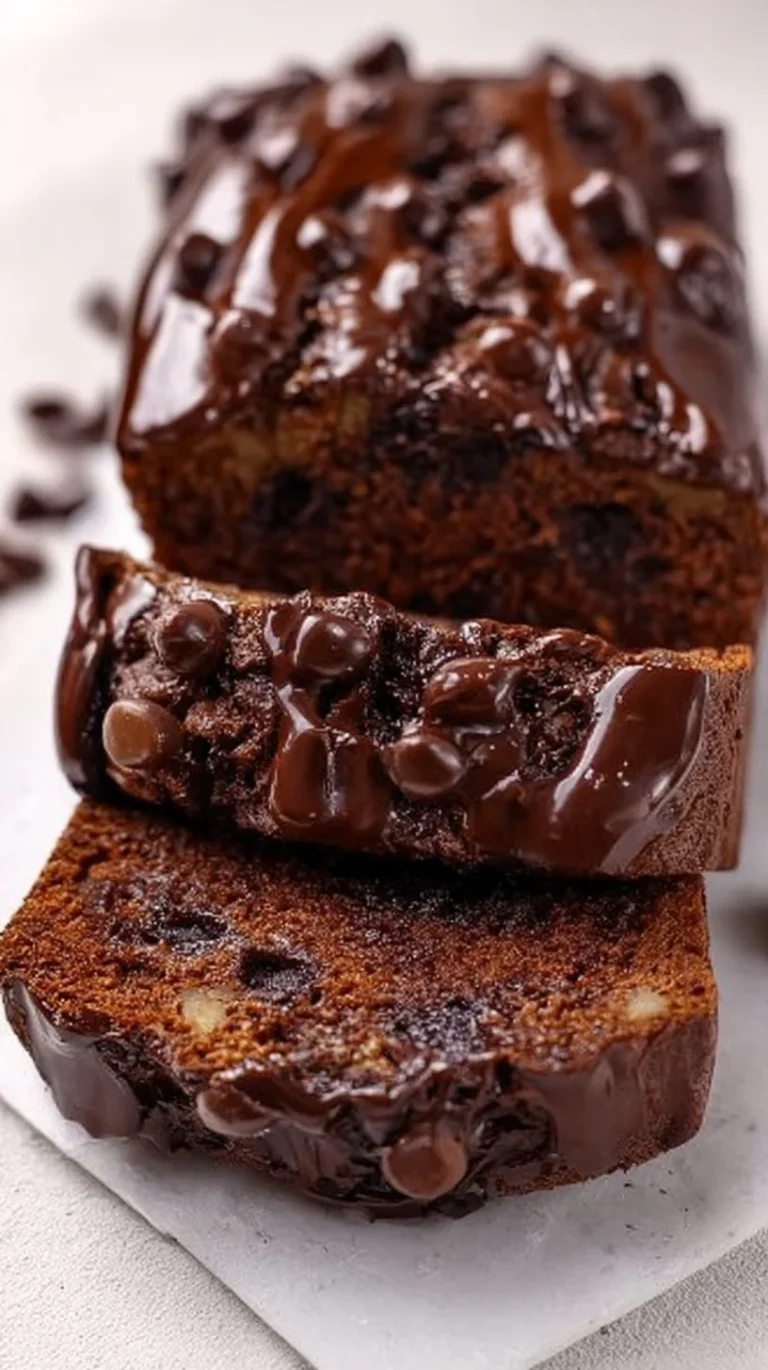
Gourmet Brownie Cookies
Introduction
There are cities that wear their recipes like weathered postcards — stamped by seasons, carried in pockets from market to kitchen, read and reread with the familiarity of a hometown map. Sofia, in my memory, is one of those cities: a place where the sharp air of the Balkans meets the warm, sugared solace of small cafés, where old women gossip over tea and pastry, and where a simple cookie can feel like an heirloom. In the slow light of morning, the aroma of chocolate and butter threading through a narrow street feels like a kind of promise, a promise that memory can be tasted and transport can be immediate. This is the tone in which I offer the story of Gourmet Brownie Cookies — little dense parcels of cocoa and chip-studded comfort that belong to kitchens everywhere and to no single geography, yet reflect regional touches if you listen closely.
Travel changes how we approach sweets. In Prague a brownie cookie might be eaten with black coffee in a square where tram tracks hum; in Buenos Aires it might be shared in a late-night kitchen, alongside mate; in Sofia, it arrives with a small nod to home-baked tradition — not as a novelty, but as something that completes the ritual of gathering. For comparative reading on cookie journeys that knit place and palate, I often point readers toward other cookie narratives such as the American homestead warmth of chewy maple-cinnamon cookies, which reveal how a single spice or syrup can root a recipe in a landscape. Each cookie carries a geography, and the Gourmet Brownie Cookie carries many.
The origin story & regional influence behind this dish
No one can say for certain where the idea of the brownie cookie began — a crossroad confection born of necessity, invention, and the human appetite for chocolate. Brownies themselves trace back to late 19th-century America: fudgy slices invented as practical, portable cake for tea tables and lunchboxes. Cookies, on the other hand, have been the world’s most democratic dessert, found in countless forms from French sablés to Middle Eastern ma’amoul. The Gourmet Brownie Cookie is a culinary cousin — a hybrid that borrows the dense, fudgy heart of the brownie and packages it in the casual format of a cookie.
Regional influence seeps into it like cocoa into batter. In North America, expect them intense and nearly molten in the center; in parts of Europe they lean toward the rustic and chewy, fitting into the afternoon tea ritual; in Latin kitchens they are often spiked with extra cinnamon or finished with coarse sea salt, a nod to local flavor palettes. In Sofia and across Bulgaria, chocolate desserts have long been adapted to local sensibilities: not overly sweet, often paired with strong coffee or tangy yogurt. The result is a cookie that is at once familiar and foreign — a comforting cross-cultural artifact that tells a story of migration, commerce, and the global appetite for chocolate.
How to make Gourmet Brownie Cookies
Make no mistake: these cookies are small acts of generosity. The method is straightforward; it is the texture and the restraint — the choice to leave the centers tender — that give them their identity. Before the technicalities, imagine the kitchen: the clatter of a wooden spoon on enamel, the warmth of a stove in a cool street-side flat, the immediate scent of cocoa widening as butter and sugar meet. Below are the exact ingredients and directions for the recipe as it has come to me — unchanged, because recipes are often memory as much as measurement.
Ingredients :
1 cup unsalted butter, softened, 1 cup granulated sugar, 1 cup brown sugar, packed, 2 large eggs, 2 teaspoons vanilla extract, 1 cup all-purpose flour, 1/2 cup cocoa powder, 1/2 teaspoon baking powder, 1/4 teaspoon salt, 1 cup chocolate chips
Directions :
- Preheat your oven to 350°F (175°C)., 2. In a large bowl, cream together the softened butter, granulated sugar, and brown sugar until smooth., 3. Beat in the eggs one at a time, then stir in the vanilla extract., 4. In a separate bowl, mix together the flour, cocoa powder, baking powder, and salt., 5. Gradually blend the dry ingredients into the wet mixture until just combined., 6. Fold in the chocolate chips., 7. Drop rounded tablespoons of dough onto a baking sheet lined with parchment paper., 8. Bake for 10-12 minutes, or until the edges are set but the centers are still soft., 9. Allow to cool on the baking sheet for a few minutes before transferring to a wire rack to cool completely. Enjoy your gourmet brownie cookies!
Read that recipe slowly, as one would read a short letter from a friend. There is an economy to the steps that invites improvisation in the margins — a pinch of sea salt if you prefer contrast, a scatter of chopped nuts for textural narrative — but those are flourishes, not requisites. The core remains the same: butter and sugars creamed to a state that promises tenderness, cocoa folded like dusk into flour, chocolate chips folded in like islands.
Ingredients through a cultural & historical lens
Every ingredient in this simple list carries its own voyage. Butter speaks of pastoral landscapes and dairy traditions: in cooler climates it has been the pantry constant, in warmer ones it has historically been supplemented with oils until refrigeration allowed wider use. Granulated sugar and brown sugar together are a nod to layered sweetness — white for clean sweetness, brown for molasses-rich depth — a small dialogue of global sugar histories. Cocoa, once a Mesoamerican treasure, became a European luxury, then a global commodity; its inclusion here is a marker of centuries of trade and taste.
Eggs and vanilla are the domestic signatures, binding and scenting; flour represents the grain economies that built towns and kept bellies full. Chocolate chips are the modern gesture, the industrial convenience that allows a scatter of texture without laborious chopping. To eat a Gourmet Brownie Cookie is to taste, in miniature, the arc of exploration and commerce: the domesticated cow, the traded bean, the miller’s grain, the colonial routes that carry flavor across oceans. Each bite is a palimpsest of culinary history.
Cooking the dish: sensory notes & traditional techniques
When you mix these ingredients in a kitchen that has weather — a mountain town, a coastal hamlet, a city apartment — the process becomes performative. Creaming butter and sugar is not merely mechanical; it’s a rhythm, a small ritual that turns disparate elements toward a single, fragrant goal. In kitchens that treasure tradition, this creaming is done with a wooden spoon and elbow grease; in high-rush cafés, a mixer hums gently. Either way, the air fills with a scent that is at once sweet and nutty, like the memory of Sunday afternoons.
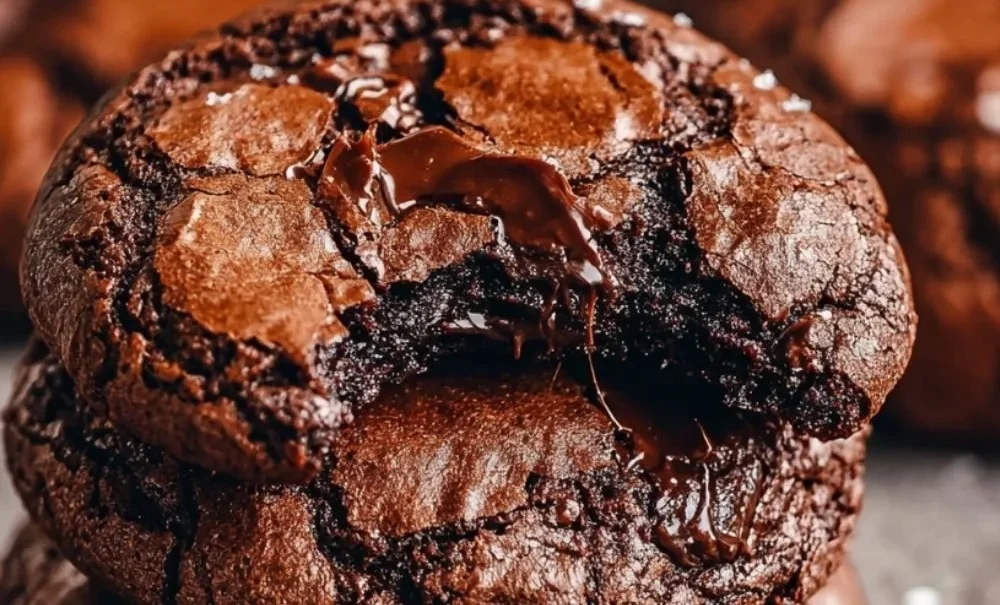
The sensory arc is immediate: raw dough is rich and inviting, its cocoa scent sharp and bittersweet, its sugars plush. Baking is alchemy: edges firming into a gentle crust while centers hold a plush, fudgy heart. When you break one open, steam rises with a chocolatier’s perfume — warm molasses, toasted butter, the slight grain of flour. Texturally, these cookies celebrate contrast: the slight resistance of a set edge, the soft surrender of a center that makes eating them feel like an indulgence performed in slow motion.
Traditional technique often prizes the gentle handling of the batter to avoid overdevelopment of gluten, which would make the cookie more cakey than brownie-like. But I lean toward the human practices: how a grandmother judges doneness with a fingertip, how a baker in a coastal town leaves the cookies slightly underbaked so that their center remains almost molten, how sharing them hot from the sheet is a more-than-common courtesy.
For those who want to explore sibling recipes and regional parallels that highlight similar sensory pleasures, an exploration of other cookie traditions like chewy maple-cinnamon cookies can be illuminating. They show how texture and scent define a cookie’s place in culture as much as the ingredients themselves.
How different regions prepare their version
Cross the ocean and the cookie changes its accent. In North America, the Gourmet Brownie Cookie often leans toward the gooey, the kind you bite into and watch chocolate cascade. In parts of Western Europe, they might be slightly denser, baked longer to meet local preferences for structure and pairing with coffee. In Latin America, you may find a kiss of cinnamon, or a sprinkle of coarse salt to counterbalance sweetness — an echo of the region’s broader culinary love of contrasts.
In many Mediterranean kitchens, a drizzle of olive oil may replace some of the butter, a daring swap that speaks to the region’s olive groves and the taste for savory-sweet tension. In East Asia, where sweet treats are often less saccharine, bakers may fold in less sugar or add matcha for an herbaceous counterpoint, creating a cookie that is still recognizably brownie-adjacent but speaks of local palettes. The global permutations are less about changing the soul of the cookie and more about how communities make it speak their language.
Traditional ways this dish is shared or served
The Gourmet Brownie Cookie fits into rituals. In neighborhoods where afternoon tea is a civic act, these cookies arrive alongside small cups, nestled on a plate like invitations. In industrial cities, they are wrapped and sold as portable solace for commuters. In family kitchens, they are part of the slow aft—cookies cooled on a rack as children argue over who gets the last warm one, elders reminisce, and a neighbor walks in unannounced and leaves with a plastic container of cookies and a story.
In festivals and markets, small stalls sell them by the dozen; in wedding buffets they make an appearance as part of a sweets table, their anonymity lending comfort among exotic pastries. The ritual of sharing often matters more than precise serving temperature: the cookie functions as an excuse to gather, to trade news, to bridge silence with sweetness.
Storing the dish without losing its cultural essence
Storing these cookies is practical, but also cultural. Some families insist on storing them loosely in a tin, the slight exchange of air keeping the crust tender; others wrap them individually in waxed paper, a form of portability and care that speaks to the habit of gifting baked goods. Refrigeration can toughen them, and while that sometimes extends life, it alters texture — the center loses its velvet looseness; the butter firms into something less yielding. Freezing works well if you flash-freeze on a sheet then transfer to a sealed bag, preserving the scent and structure to be thawed and enjoyed later, like a memory revived.
The cultural essence is preserved when storage rituals involve sharing: leaving a jar on the counter for neighborhood children, tucking some into the pockets of travelers, or sending a plate with a guest who needs comfort. Those practices make storage a social act, a way of prolonging the circle of comfort these cookies create.
Cultural questions people often ask
People often ask whether a Gourmet Brownie Cookie is a brownie or a cookie. The answer is both: it is a hybrid that embodies different domestic philosophies — the browning patience of cake and the quick, intimate conviviality of a cookie. Another common question concerns substitutions: can butter be replaced? Can the chocolate chips be swapped? Traditions vary; some purists resist change, while others adapt based on available ingredients and climate. What matters most is the intention behind the baking, the ritual of making and sharing.
Travelers ask where they can find the best versions. The truth is that the best cookie is often found in a home kitchen where time is taken and the recipe is made with attention to humanness rather than strict technique. Street stalls and cafés offer their own charms — a cookie eaten on a city bench while rain falls can taste better than a perfect one in a silent dining room.
Conclusion
Food is a map of human movement, memory, and belonging. The Gourmet Brownie Cookie is a small, generous object that carries those elements in its dense crumb and chocolate-studded surface. If you wish to explore related adaptations — for example, a gluten-free take that preserves the cookie’s brownie soul — consider this thoughtful variation on a similar theme at 7-Ingredient Gluten-Free Brownie Cookies • The Bojon Gourmet. Wherever you bake or buy them, treat these cookies as you would a story: read them slowly, share them freely, and let each bite place you somewhere new and warmly known.
Gourmet Brownie Cookies
Ingredients
Method
- Preheat your oven to 350°F (175°C).
- In a large bowl, cream together the softened butter, granulated sugar, and brown sugar until smooth.
- Beat in the eggs one at a time, then stir in the vanilla extract.
- In a separate bowl, mix together the flour, cocoa powder, baking powder, and salt.
- Gradually blend the dry ingredients into the wet mixture until just combined.
- Fold in the chocolate chips.
- Drop rounded tablespoons of dough onto a baking sheet lined with parchment paper.
- Bake for 10-12 minutes, or until the edges are set but the centers are still soft.
- Allow to cool on the baking sheet for a few minutes before transferring to a wire rack to cool completely.