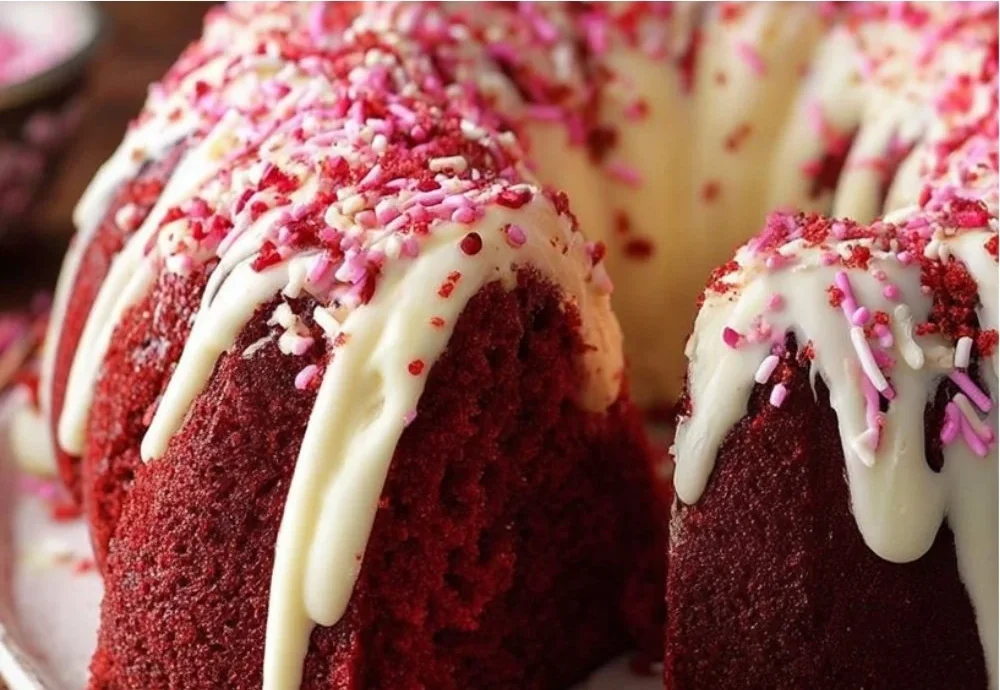
Red Velvet Cake
Introduction
As a nutrition specialist, I view recipes not just as instructions for delicious food but as opportunities to support digestion, nutrient balance, and long-term wellbeing. Red Velvet Cake is a classic dessert with a rich cultural history and a distinctive tangy-cream-cheese pairing that many people enjoy on special occasions. In this article I’ll walk through the recipe with an evidence-based lens: explaining how the ingredients contribute to nutrition and digestion, discussing how the method affects its health profile, and offering practical, balanced guidance for enjoying this treat within a healthy lifestyle.
My goal is to give clear, useful information you can apply immediately. That includes reassuring context about portioning and balance, simple ways to shift the recipe toward more nutrient density when desired, and safe food-handling habits so you can savor this cake without unnecessary worry. I’ll avoid alarmist language and extreme claims, focusing instead on practical steps that help you make choices aligned with long-term wellness.
How this recipe supports overall wellness
Red Velvet Cake is primarily an indulgence, but it can still fit into an overall healthy eating pattern. At its core, this recipe provides energy-dense carbohydrates and fats, protein from eggs and cream cheese, and small amounts of micronutrients from ingredients like eggs and dairy. When consumed in appropriate portions and paired with more nutrient-dense foods across the day, this cake can help satisfy cravings and support dietary adherence — an important aspect of long-term dietary success.
Enjoying occasional desserts can reduce the risk of restrictive behaviors that undermine wellbeing. From a digestive perspective, the buttermilk and vinegar in the batter introduce acidity that can aid flavor and may make the cake feel lighter on the palate. The inclusion of fat from oil and cream cheese slows gastric emptying and contributes to satiety, so smaller portions can be satisfactorily filling. The key is moderation: think of this cake as one component of an overall pattern that emphasizes whole foods, variety, and balanced meals.
How to make Red Velvet Cake
Below I provide a concise, step-by-step cooking flow and commentary on how each stage contributes to the final texture and digestion-friendly qualities. The method is straightforward: you create a moist, tender crumb using oil and buttermilk, assemble a cream cheese filling, and top with a classic cream cheese frosting. The process of gentle mixing and even baking helps preserve texture and prevent overly dense results, which is pleasant for digestion and eating experience.
The acidity from the buttermilk and vinegar interacts with the baking soda to produce leavening, creating a finer crumb that is easier to chew and digest. Allowing the cake to cool in the pan before turning helps it set and reduces crumbling, which maintains structure for cleaner portioning. Cooling fully before frosting also helps the frosting to sit on the cake rather than melt into it, keeping the serving experience enjoyable and consistent.
Ingredients :
2 1/2 cups all-purpose flour, 1 1/2 cups granulated sugar, 1 teaspoon baking soda, 1 teaspoon salt, 1 teaspoon cocoa powder, 1 1/2 cups vegetable oil, 1 cup buttermilk, room temperature, 2 large eggs, room temperature, 2 tablespoons red food coloring, 1 teaspoon vanilla extract, 1 teaspoon white vinegar, 8 oz cream cheese, softened, 1/2 cup powdered sugar, 1 cup cream cheese frosting
Directions :
- Preheat the oven to 350°F (175°C) and grease a bundt pan.
- In a large bowl, whisk together the flour, sugar, baking soda, salt, and cocoa powder.
- In another bowl, mix the oil, buttermilk, eggs, food coloring, vanilla, and vinegar until well combined.
- Gradually add the wet ingredients to the dry ingredients, stirring until just combined.
- Pour half of the batter into the prepared bundt pan.
- For the filling, beat together the cream cheese and powdered sugar until smooth; spoon it over the batter.
- Top with the remaining batter.
- Bake for 50-60 minutes or until a toothpick inserted in the center comes out clean.
- Let it cool in the pan before transferring to a wire rack.
- Once cooled, top with cream cheese frosting and serve.
Nutrient roles of each main ingredient
- All-purpose flour: primary source of carbohydrates and energy. It supplies starch that provides structure when mixed with liquids and leavening agents. If you’re sensitive to refined grains, consider balancing portions or serving with fiber-rich sides.
- Granulated sugar: adds sweetness and contributes to browning. Sugar adds quick energy but lacks micronutrients; it’s best enjoyed in moderation.
- Baking soda: a leavening agent that reacts with acidic ingredients (buttermilk and vinegar) to create carbon dioxide, giving the cake lift and a light texture.
- Cocoa powder: provides flavor and small amounts of antioxidants (flavonoids). Cocoa can enhance satiety by adding depth of flavor with minimal calories.
- Vegetable oil: supplies unsaturated fats that keep the cake moist. Fat aids absorption of fat-soluble vitamins in a mixed meal and slows gastric emptying for prolonged fullness.
- Buttermilk & vinegar: provide acidity, which enhances tenderness, flavor, and chemical leavening. Acids also create a pleasing contrast with the cream cheese frosting.
- Eggs: bind and leaven, and contribute high-quality protein and micronutrients such as choline and vitamin D (depending on egg source). Protein helps with satiety and can modestly increase the nutritional value of each slice.
- Red food coloring: for aesthetic appeal; it doesn’t contribute nutrients. If you prefer, natural colorants exist, though changing ingredients isn’t part of this recipe.
- Cream cheese & powdered sugar (for filling and frosting): provide texture, flavor, and fat. Cream cheese adds protein and calcium but also saturated fat, so portion awareness helps maintain balance.
The preparation method & its health impact
How you prepare this cake affects both its sensory qualities and how it fits into a healthy pattern. Mixing the wet ingredients separately and folding them into the dry minimizes gluten development, resulting in a tender crumb that’s easier to chew and digest. Overmixing can create a tougher texture, which might lead people to cut smaller bites or add more frosting; gentle mixing is both a culinary and nutritional recommendation.
Baking at the correct temperature ensures even cooking. Undercooked cake can be dense and harder to digest, while overbaked cake becomes dry and may prompt larger portions. Letting the cake cool fully before frosting reduces frosting melt and helps with portion control, as slices hold their shape better. Finally, including a cream cheese filling increases calorie density in the middle; being mindful of serving size supports balance.
Ways to lighten, enrich or modify the dish nutritionally
While you should not change the recipe for this article, there are practical ways to enjoy this cake with slightly different nutritional profiles, while keeping the original recipe intact when you bake it for special occasions:
- Portion control: reduce slice size and pair a smaller piece with fruit or plain yogurt to add fiber and protein without modifying the cake itself.
- Add a balance plate: serve a modest slice alongside a salad of leafy greens, citrus segments, and nuts to increase fiber, vitamins, and healthy fats in the same meal.
- Protein boost: enjoy the cake with a small glass of milk or a handful of walnuts to add protein and omega-3 fats, which help with satiety.
- Mindful serving: use a serving spoon or measure slices so one portion is consistent; habitually controlling portion size supports long-term weight and metabolic health.
- Timing: consuming dessert after a balanced meal rather than on an empty stomach can reduce rapid blood sugar swings and make servings more satisfying.
These strategies let you keep the recipe intact while shifting the eating context toward greater nutrient density and satisfaction.
Pairing ideas for a balanced, complete meal
A well-rounded approach pairs a sweet treat with elements that support stable blood sugar, digestion, and satiety:
- Morning or brunch: a small slice of cake paired with Greek yogurt and mixed berries offers protein and fiber to complement the cake’s carbs and fat.
- Afternoon snack: pair one modest slice with a small handful of almonds and a cup of unsweetened tea to slow absorption and lengthen satisfaction.
- Dessert after dinner: serve one slice alongside a green salad with citrus and a light vinaigrette; the fiber and acidity balance sweetness and add volume.
- Beverage choices: water, unsweetened tea, or a small latte with low-fat milk complement the dessert without adding too much extra sugar.
These pairings help make the cake a component of meals that support digestion and stable energy.
Safe storage, food safety & optimal reheating
Food safety is straightforward with this recipe because it includes dairy and eggs. After baking and cooling:
- Storage: Wrap the cooled cake tightly or place it in an airtight container to protect it from drying. Because the cake includes cream cheese frosting and a cream cheese filling, store in the refrigerator. Refrigerate slices and the whole cake if not consumed within 2 hours of serving.
- Shelf life: Refrigerated, the cake will generally keep 3–4 days. For longer storage, freeze layers or slices wrapped well for up to 2 months. Thaw in the refrigerator overnight to preserve texture.
- Reheating: If you prefer warm cake, gently warm an individual slice in a microwave for 10–20 seconds or in a low oven (275–300°F / 135–150°C) for 5–10 minutes. Be careful not to overheat cream cheese frosting, because it can separate or melt.
- Food-safety reminders: When transporting to gatherings, keep the cake chilled until serving and avoid leaving it at room temperature longer than 2 hours to reduce risk of bacterial growth.
These simple steps preserve both safety and the best eating quality.
Common nutrition questions about this dish
Q: Is Red Velvet Cake healthy?
A: “Healthy” depends on context. The cake is energy-dense with refined carbs and fats; enjoyed occasionally and in sensible portions, it fits within a balanced diet. Pairing it with nutrient-rich foods and practicing portion control helps maintain overall health goals.
Q: Does the buttermilk make it easier to digest?
A: Buttermilk adds acidity and can contribute to a tender texture. It’s not a digestive remedy, but some people find acidic or softer-textured baked goods easier to eat. If you are lactose intolerant, the small amount of buttermilk and cream cheese may cause symptoms; choose alternatives if needed.
Q: How can I limit sugar without changing the recipe?
A: Adjusting portion size is the most effective approach without altering the recipe. Enjoying a smaller slice and pairing it with fiber and protein reduces the rapid impact of sugar on blood glucose.
Q: Are there nutrient benefits from the cream cheese?
A: Yes — cream cheese supplies some protein and calcium, but it also contains saturated fat. When consumed in moderation, it contributes to flavor and satisfaction without derailing a balanced pattern.
Final wellness notes
Red Velvet Cake can be part of a mindful, enjoyable diet. The science of long-term wellbeing supports flexibility, satisfaction, and consistency over restriction. Use this recipe as an opportunity to practice balanced eating: savor a modest portion, pair it with nourishing foods when possible, and allow it to be a predictable, pleasurable part of your food life. By paying attention to portion size, storage, and pairings, you can enjoy the sensory pleasure of this classic dessert while supporting digestion and sustained wellbeing.
Conclusion
For additional recipe inspiration, technique tips, and variations that remain informative and crowd-tested, consider these resources: Red Velvet Cake with Cream Cheese Frosting – Sally’s Baking, Red Velvet Cake – RecipeTin Eats, Homemade Red Velvet Cake Recipe, Red Velvet Cake – Preppy Kitchen, and the broader background on this dessert available at Red velvet cake – Wikipedia. These links can help you explore technique, presentation, and the recipe’s place in culinary history while keeping nutrition and enjoyment in mind.
Red Velvet Cake
Ingredients
Method
- Preheat the oven to 350°F (175°C) and grease a bundt pan.
- In a large bowl, whisk together the flour, sugar, baking soda, salt, and cocoa powder.
- In another bowl, mix the oil, buttermilk, eggs, food coloring, vanilla, and vinegar until well combined.
- Gradually add the wet ingredients to the dry ingredients, stirring until just combined.
- Pour half of the batter into the prepared bundt pan.
- For the filling, beat together the cream cheese and powdered sugar until smooth; spoon it over the batter.
- Top with the remaining batter.
- Bake for 50-60 minutes or until a toothpick inserted in the center comes out clean.
- Let it cool in the pan before transferring to a wire rack.
- Once cooled, top with cream cheese frosting and serve.