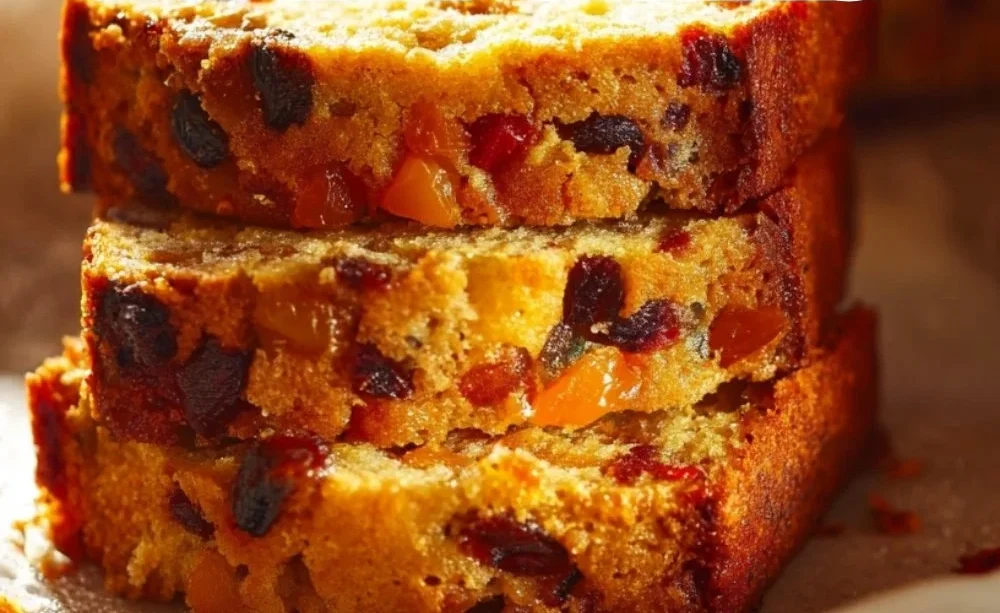
3 Ingredient Fruit Cake
Introduction
As a nutrition specialist, I view simple recipes as practical tools for everyday nourishment. The 3 Ingredient Fruit Cake is a minimal, approachable recipe that can fit into varied eating patterns — from busy weekdays to relaxed weekend baking. My focus here is to provide balanced, evidence-based guidance: explain what this cake offers nutritionally, how digestion and food structure matter, sensible ways to adjust the recipe to better meet your goals, and safe handling practices. I’ll avoid fads or dramatic health claims and instead offer calm, practical suggestions that support long-term wellness and enjoyment.
This cake’s strengths are its accessibility and low barrier to entry: with just three ingredients you can create a familiar, comforting baked item. That simplicity also creates opportunities to think intentionally about portion, pairing, and the context in which you eat it. A small slice shared with a source of protein and some unsweetened dairy or a fiber-rich side can turn a treat into a satisfying component of a balanced meal. Below I will walk through the ingredients, the baking method, nutrition roles, digestion considerations, and practical tips to make the most of this recipe’s convenience without compromising nutrient density.
How this recipe supports overall wellness
This recipe supports wellness primarily by offering convenience and a predictable portion-controlled treat. When time or access to ingredients is limited, being able to prepare something simple reduces reliance on highly processed packaged snacks. The dried fruits bring concentrated fruit sugars along with some fiber and micronutrients; the self-rising flour provides structure and calories for energy; and the carbonated soda acts as a leavening medium to create a light texture without additional fats or eggs.
From a behavioral standpoint, the cake can encourage home cooking — an activity associated with better control over ingredients and portion sizes. Making food at home also gives you control over when and how you enjoy sweets, which supports mindful eating. Digestively, the fiber from dried fruit helps slow glucose release and supports healthy bowel function when consumed as part of a balanced diet. However, because dried fruit is energy-dense, pairing the cake with protein or unsweetened dairy and including vegetables or whole grains across the day helps maintain balance and satiety.
Remember that “supporting wellness” doesn’t mean avoiding treats; it means integrating them in ways that meet your nutritional needs, maintain digestive comfort, and sustain pleasure in eating without excess.
How to make 3 Ingredient Fruit Cake
Ingredients :
1 cup dried fruits, 1 cup self-rising flour, 1 cup soda (like lemon-lime soda or ginger ale)
Directions :
- Preheat your oven to 350°F (175°C)., 2. In a large bowl, mix the dried fruits with the soda until well combined., 3. Gradually add in the self-rising flour and stir until just mixed., 4. Pour the batter into a greased cake pan., 5. Bake for 25-30 minutes, or until a toothpick inserted comes out clean., 6. Allow to cool before serving.
These are the exact ingredients and steps to follow. Keep in mind that the batter will be different in texture than a traditional cake batter that contains eggs and fat; it will be denser and rely on the carbonation for lift. Mixing until “just combined” helps prevent overworking the flour, which can make the cake tough. Allow it to cool fully so moisture redistributes and flavors mellow before slicing.
Nutrient roles of each main ingredient
1 cup dried fruits: Dried fruits such as raisins, chopped dates, or mixed fruit concentrate energy, natural sugars (fructose and glucose), and concentrated micronutrients like potassium, iron, and certain B vitamins, depending on the fruit used. They also provide soluble and insoluble fiber, which aids digestion by adding bulk and slowing absorption of sugars. The fiber contributes to feelings of fullness and helps regulate bowel movements. Remember that because the water is removed, a cup of dried fruit contains more calories and sugar than an equivalent volume of fresh fruit.
1 cup self-rising flour: Self-rising flour is typically all-purpose flour with baking powder and salt already added. It supplies carbohydrates for energy and small amounts of protein, iron (if enriched), and B vitamins (in enriched flours). It lacks the fiber and phytonutrients of whole-grain flours, so the overall fiber content of the cake will depend largely on the dried fruit. The baking powder provides chemical leavening, creating a lighter texture when combined with the soda.
1 cup soda (like lemon-lime soda or ginger ale): Soda contributes liquid, sweetness, and carbonation. The carbonation helps a light rise and airy crumb without eggs. Nutritionally, soda adds simple sugars and usually provides minimal to no micronutrients. Using a soda with natural flavors such as ginger ale can add sensory appeal without changing the recipe, but be mindful that it increases the sugar content substantially relative to unsweetened liquids.
Taken together, this cake provides mainly carbohydrate-based energy, some fiber and micronutrients depending on the dried fruit, and modest amounts of protein. It’s best considered a carbohydrate-rich baked good rather than a source of substantial protein or healthy fats.
The preparation method & its health impact
The method — combining soda with dried fruit before adding flour and baking — is a low-fat technique that reduces added oils and eggs. Lower fat in the bake lowers caloric density and may suit those who are limiting saturated fat, but it also changes satiety: fat and protein slow digestion and promote fullness, so the final product will be less filling than a traditional cake containing eggs and butter. To support stable blood sugar and digestion, pair a serving with protein and a source of healthy fat (for example, plain yogurt and a few chopped nuts).
Using self-rising flour simplifies leavening, but it does mean more refined carbohydrates and likely added sodium from the baking powder and salt. If you have sodium or carbohydrate concerns, control portion size and balance the rest of your day with lower-sodium and higher-fiber choices. From a digestive standpoint, the fiber in the dried fruit helps moderate sugar absorption and supports the microbiome. If you or someone you’re serving is sensitive to high-fiber foods or concentrated sugars, start with smaller portions and observe tolerance.
Baking at the recommended temperature and checking with a toothpick ensures the item reaches appropriate doneness, minimizing the risk of undercooked batter that is harder to digest. Cooling before serving helps with texture and can make the cake easier on the stomach by allowing steam to dissipate and internal temperature to decrease.
Ways to lighten, enrich or modify the dish nutritionally
While the instructions must remain unchanged when making the recipe, there are practical, front-of-plate strategies to lighten or enrich the eating occasion:
Portion control: Slice smaller pieces and pair with protein-rich accompaniments (Greek yogurt, cottage cheese, ricotta) to increase satiety and slow sugar absorption.
Add toppings at service: A sprinkle of chopped nuts or seeds adds healthy monounsaturated and polyunsaturated fats, a little extra protein, and crunch. A smear of nut butter on a slice provides similar benefits.
Balance with whole foods: Serve a small slice alongside a fresh fruit salad or raw vegetable sticks to add water, fiber, and vitamins without adding many calories.
Mindful sweetening: Since the soda and dried fruit contribute sweetness, skip additional syrups or glazes that substantially increase sugar.
Increasing fiber elsewhere: If you want a higher-fiber profile the same day, include whole-grain toast, oats, or legumes in other meals to offset the refined flour in the cake.
Consider texture for digestion: If someone has difficulty chewing dried fruit, serve the cake with softer sides (yogurt, mashed banana) or rehydrate a bit of the fruit before baking next time (note: rehydration would change the ingredient list, so do this only outside the recipe constraints).
These approaches let you keep the recipe intact while improving the meal’s nutritional balance.
Pairing ideas for a balanced, complete meal
A balanced approach pairs this cake—effectively a carbohydrate-rich item—with protein, healthy fats, and fiber-rich vegetables or fruits across the same meal. Examples:
Breakfast: One small slice with plain Greek yogurt, a spoonful of chia seeds, and fresh berries. Protein and omega-3 precursors help slow glucose rise and increase satisfaction.
Snack: Half a slice with a small handful of almonds or walnuts and a cup of unsweetened tea. Nuts provide healthy fats and some protein.
After-school or post-work snack: A thin slice with cottage cheese and cucumber slices for a savory balance.
Dessert: A warmed small slice with a dollop of ricotta mixed with lemon zest and a few toasted pistachios adds protein and flavor without excessive added sugars.
These pairings highlight the importance of not treating the cake as a standalone meal component but as part of a nutrient-diverse plate.
Safe storage, food safety & optimal reheating
Store cooled cake in an airtight container at room temperature for up to 2 days. If you plan to keep it longer, refrigerate for up to 5 days; refrigeration will firm the crumb and may change texture slightly. For longer storage, wrap tightly and freeze for up to 1–2 months; thaw in the refrigerator overnight or at room temperature for a few hours.
When reheating, use a low oven temperature (275–300°F / 135–150°C) for 8–10 minutes, or microwave brief bursts (10–15 seconds), checking to avoid overheating, which can dry it out. If frozen, reheat only after thawing for best texture. Because this recipe contains no perishable fillings (eggs or dairy in the batter), food-safety risk from the cake itself is low once baked and cooled properly. Still, practice good hygiene when handling and always discard baked goods that show signs of spoilage (off-odors, visible mold).
Common nutrition questions about this dish
Is this cake “healthy”? Health depends on context. The cake is a convenient, carbohydrate-forward treat. It can fit into a balanced diet when portioned appropriately and paired with protein, healthy fats, and fiber elsewhere in the day.
Will the sugar spike blood glucose? The dried fruit and soda contain sugars that can raise blood glucose. Pairing the cake with protein or fat, and consuming it as part of a mixed meal rather than on an empty stomach, helps moderate post-meal glucose responses.
Is dried fruit a better choice than fresh? Dried fruit is nutrient-dense but more calorie- and sugar-concentrated. Fresh fruit provides hydration and usually greater volume for fewer calories. Both have a place; use dried fruit when convenience or shelf-stability is important, and monitor portion size.
Can people with digestive issues eat this? Many people with sensitive digestion tolerate small portions well, thanks to the fruit’s fiber. However, those with fructose intolerance or certain IBS triggers may need to avoid concentrated dried fruits or choose low-FODMAP alternatives.
Final wellness notes
Simplicity in cooking can encourage consistency and reduce stress around food choices. This 3 Ingredient Fruit Cake is an example of how minimal recipes can still be part of a health-supporting food pattern when combined thoughtfully with other nutrient-dense foods. Focus on portion, pairing with protein and vegetables, and mindful enjoyment. Use the cake as one element in a day that prioritizes variety, regular physical activity, adequate hydration, and sufficient sleep — all important for long-term wellness.
Conclusion
For more context on the original recipe and its variations, you can consult a clear step-by-step reference such as the detailed recipe on The Links Site’s 3 Ingredient Fruit Cake, and for ideas on simple ingredient swaps and serving suggestions see a practical write-up like the one at Tielka’s Three Ingredient Fruit Cake guide.
3 Ingredient Fruit Cake
Ingredients
Method
- Preheat your oven to 350°F (175°C).
- In a large bowl, mix the dried fruits with the soda until well combined.
- Gradually add in the self-rising flour and stir until just mixed.
- Pour the batter into a greased cake pan.
- Bake for 25-30 minutes, or until a toothpick inserted comes out clean.
- Allow to cool before serving.