Creamy Lemon Shrimp Pasta in a Wine and Butter Sauce
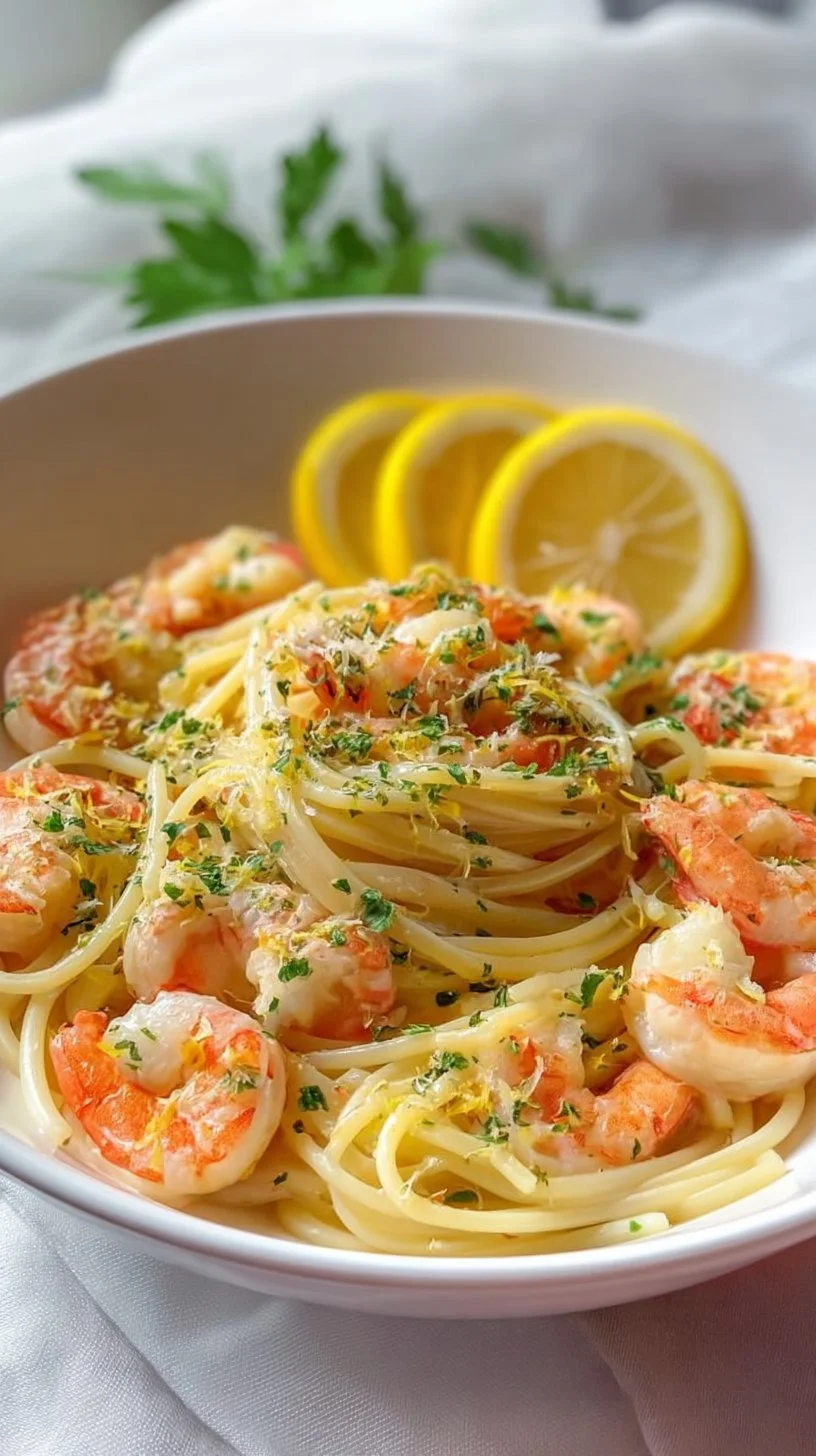
There are few things that travel with you as insistently as certain flavors: a bright squeeze of lemon that unlocks a rainy morning in Lisbon, the warm, buttered scent of a coastal trattoria in Naples, the quick, salty tang of shrimp bought from a fishmonger at dawn in Marseille. Creamy Lemon Shrimp Pasta in a Wine and Butter Sauce is one of those dishes that feels like a small suitcase of memories — portable, intimate, and naming a place by its taste. As I write, I can almost hear the clink of wine glasses and the low hum of conversation that accompanies bowls of pasta handed across a sunlit table. For readers who cherish the comforts of home-cooking and the thrill of discovery, this recipe is a bridge between the two. For those who collect recipes like postcards, it is a reminder that the simplest compositions — starch, sea, citrus, fat — are often the most eloquent.
Across seasons and countries, this dish invites us to recall the sea’s generosity and the ways people have learned to coax flavor from modest ingredients. If you are curious about how similar comforts appear elsewhere, you might enjoy a rich, creamy casserole from the heartland like this chicken and spinach casserole with cream cheese, which shows how cream and communal kitchens create their own rituals. The pasta here is at once a weekday staple and a dish worthy of celebration; it wears both identities with ease.
The origin story & regional influence behind this dish
There is no singular birthplace for a recipe like Creamy Lemon Shrimp Pasta in a Wine and Butter Sauce; it is instead the child of many coastal kitchens, a culinary conversation between Mediterranean and New World sensibilities. The whisper of olive oil and garlic nods to Italy and Greece, where seafood and citrus have coexisted for centuries. The generous addition of cream and butter hints at French influence and, across the Atlantic, the American preference for luxuriously sauced pastas that became popular in the mid-20th century as Italian ingredients found new homes and new palates.
Historically, fishermen’s families along coasts would pair their fresh catches with whatever herbs and fat were on hand. A lemon — small but electrifying — brightened the briny sweetness of shrimp; a splash of wine softened with heat to make a simple, reverent sauce. Over time, home cooks layered on cream and butter to make the dish more indulgent, especially where dairy was abundant. The result is an elegant hybrid: Mediterranean lightness balanced with the comforting density of cream.
Because this dish lives at the crossroads of culinary traditions, it also carries stories of migration and adaptation. Italian immigrants in North America brought pasta-making knowledge and a cultural reverence for simple, high-quality ingredients; American ingenuity and abundance encouraged the creamier reinterpretations. Each iteration is a regional love letter — to local seafood, to the wines available in a port town, to the citrus groves that rim a coastal road.
How to make Creamy Lemon Shrimp Pasta in a Wine and Butter Sauce
To speak of how to make this dish is to describe a small ritual in which time is both companion and instrument. On a salt-scented evening, you begin with a pot of water, some music, and an openness to the sensual alchemy that happens when heat meets the sea.
The recipe unfolds like a brief chamber piece: pasta provides the architecture, shrimp the melody, and the sauce — wine, butter, cream, lemon — is the harmonizing voice that ties everything together. There is a rhythm to it, a sequence you follow not as a technician but as someone tending to a beloved routine: a stirring, a watchful eye, the quick delighted recognition when flavors meet and the sauce thickens into jacketed silk. In many kitchens, this dish is made for dinner guests who laugh with mouths full, for rainy afternoons that ask for immediate comfort, and for summer nights when citrus is at its most honest.
If you prefer guidance beyond this narrative, the precise ingredients and directions are listed in the sections below so anyone can translate memory into reproducible pleasure.
Ingredients :
8 oz spaghetti or fettuccine, 1 lb shrimp, peeled and deveined, 2 tablespoons olive oil, 3 tablespoons butter, 3 cloves garlic, minced, 1/2 cup white wine, 1 cup heavy cream, Juice of 1 lemon, Zest of 1 lemon, Salt and pepper, to taste, Fresh parsley, chopped, for garnish
Directions :
- Cook the pasta according to package instructions until al dente. Drain and set aside.
- In a large skillet, heat olive oil and 1 tablespoon of butter over medium-high heat. Add the garlic and sauté until fragrant.
- Add the shrimp to the skillet and season with salt and pepper. Cook until the shrimp are pink and opaque, about 3-4 minutes.
- Pour in the white wine and let it simmer for a few minutes to reduce slightly.
- Stir in the heavy cream, lemon juice, and lemon zest. Allow to cook until the sauce thickens a bit.
- Add the cooked pasta to the skillet and toss to coat in the sauce.
- Stir in the remaining butter until melted. Adjust seasoning if needed.
- Serve hot, garnished with fresh parsley.
Ingredients through a cultural & historical lens
Each ingredient in this recipe tells a quiet story. Spaghetti or fettuccine are not just choices of shape; they are emblematic of regions and habits — the long, ribboned pasta absorbing sauce like time absorbs memory. Shrimp are a symbol of the sea’s bounty and of the fishing communities whose lives revolve around tides and weather patterns. Olive oil and garlic carry the fingerprint of Mediterranean frugality and reverence for simple, robust flavors. White wine introduces the terroir of vineyards, an echo of regions where wine is as much a part of daily life as bread.
Cream and butter signal abundance and comfort. In places where dairy was plentiful and warming foods were prized against the cold, these ingredients transformed lean coastal fare into feasts. Lemon is a cultural brightener: in southern Europe and North Africa, citrus is both a crop and a cultural signifier, appearing in markets, religious festivals, and family tables. Parsley — humble and bright — is a final flourish that recalls gardens and the human impulse to dress a meal with green generosity.
Taken together, the components trace a history of trade, migration, and adaptation, showing how recipes expand as they meet different landscapes and economies.
Cooking the dish: sensory notes & traditional techniques
Making this pasta is a sensorium. There is the initial sizzle of garlic in oil and butter, releasing an aromatic plume that flutters through the kitchen like a warm greeting. When shrimp hit the skillet, the air fills with a sweet, fleeting marine perfume. As wine hits the pan, steam rises carrying a layered note — fruit, fermentation, and a hint of heat — that seems to lift the entire room. The cream rounds those sharper edges, softening aromas into a more enveloping presence; lemon juice and zest puncture with a clean, citrusy bell that wakes the palate.
Traditional techniques matter less as pedigree than as philosophy: respect the shrimp’s briefness on heat; honor the lemon’s timing so it remains bright; let the wine reduce a little so its identity is felt but not brash. In many coastal kitchens, cooks will tell you the secret is attention rather than complexity — listen to the pan, smell for readiness, give the pasta time to marry the sauce. Those are the gestures passed down like a story, small and precise.
How different regions prepare their version
Every coastline has made this dish its own. In Italy’s Amalfi Coast, cooks might favor anchoring the sauce in olive oil and lemon, resisting heavy cream and instead relying on a touch of pasta water to create silk. In parts of France, butter and cream are welcome heirs to the region’s rich dairy tradition; a white wine reduction might bear the signature of a local dry white. On the American Eastern Seaboard, where seafood is plentiful and culinary liberty reigns, the dish often grows heartier — more cream, more butter, an embrace of comfort.
In North Africa and the Levant, you might find a sharper citrus profile with additional herbs, while in coastal Spain a paprika whisper or a splash of sherry might enter the conversation. Each variant reveals not only available ingredients but also cultural attitudes toward richness, restraint, and the role of citrus in balancing a meal.
For another example of how creamy sauces play out in different contexts, consider the ways a simple garlic-butter base transforms proteins in recipes like dreamy garlic-butter chicken and bowtie pasta, which shares the same impulse toward comforting, sauced pasta.
Traditional ways this dish is shared or served
This pasta is communal in spirit. In many families, it appears at tables where conversation flows easily: late-summer dinners where lemons are plucked from backyard trees, intimate birthdays celebrated without ceremony, or riverside picnics where foil-wrapped pasta holds heat like a warm hand. It is often served simply, garnished with parsley and a wedge of lemon, letting ingredients breathe. Bread for sopping and a crisp glass of the wine used in the sauce are common companions.
Serving rituals vary: in some households, the skillet is brought to the table, steam rising as forks are handed around; in others, bowls are individually plated with a practiced hand. What remains consistent is the dish’s role as a connector — a shared pleasure that invites storytelling and requests for seconds.
If you enjoy comparing how buttered seafood meets starch in different culinary traditions, you may find interest in recipes such as garlic-butter chicken and salmon, where similar themes reappear across proteins.
Storing the dish without losing its cultural essence
Leftovers are their own kind of memory. To preserve the dish’s bright character, separate the pasta from the shrimp if possible, or add a splash of milk or cream when reheating to restore silkiness. Refrigerate within two hours in an airtight container; gentle reheating on the stove keeps textures truer than a microwave. Lemon’s brightness can fade, so consider adding a little fresh squeeze before serving again.
Culturally, the act of saving and reheating this pasta is as meaningful as the first serving: it becomes a quiet, solitary ritual — the memory of a shared meal replayed in a single bowl — and in many homes, that second-day bowl is the one people admit to preferring.
If you’re exploring other comfort-food storage tips and like to pair such dishes with hearty baked favorites, a good companion to this pasta’s indulgence is the crunchy richness found in recipes like crispy parmesan chicken with a rich garlic sauce, which also keeps well and rewards careful reheating.
Cultural questions people often ask
Why cream with seafood? In many culinary cultures, cream is an instrument of balance: it calms, it unifies, and where seafood has delicate sweetness, cream lets that sweetness sing without overexposure. Why wine? Wine is both flavor and story; it ties a dish to the land and adds a whisper of acidity that complements lemon. Why lemon and butter together? That pairing is an ancestral duet from coasts where citrus counters richness and butter carries the warmth of inland pastures to the salt-brushed shore.
People also ask about substitutions and authenticity. The answer lies in intent: recipes are maps, not prisons. Swap shapes, honor the sea, and keep the lemon honest, but remember that each adjustment writes a different footnote in the recipe’s history.
A closing note on food, memory & travel
Food is a form of time travel. One forkful of Creamy Lemon Shrimp Pasta in a Wine and Butter Sauce can transport you from a cramped apartment kitchen to a terrace overlooking a harbor; it can conjure a grandmother’s laughter or the quiet contentment of sharing a simple meal with a friend. This dish, with its bright lemon, wine’s whisper, and creamy embrace, is an invitation to savor that mobility. It asks us to notice where flavors come from, who taught them, and how they change when carried across oceans and tables.
And when you next make it, listen for the small stories: the hiss of garlic, the brief impatience of shrimp, the soft surrender of butter melting into cream. These are the sentences of a recipe that, like travel itself, is less about arriving and more about the rich moments along the way.
Conclusion
For more variations and inspiration that echo the lemon-and-wine motif, explore this beautifully light take on Lemon Shrimp Pasta in Garlic White Wine Sauce at Lemon Shrimp Pasta in Garlic White Wine Sauce #shrimppasta. If you prefer a cream-forward version that leans into spaghetti and indulgence, see the Creamy Lemon Shrimp Pasta – Salt & Lavender for a comforting perspective: Creamy Lemon Shrimp Pasta – Salt & Lavender. For a heartier spin that includes greens and an extra layer of texture, consider the Creamy Lemon Butter Shrimp Pasta with Spinach and Caramelized … at Creamy Lemon Butter Shrimp Pasta with Spinach and Caramelized ….
Creamy Lemon Shrimp Pasta
Ingredients
Method
- Cook the pasta according to package instructions until al dente. Drain and set aside.
- In a large skillet, heat olive oil and 1 tablespoon of butter over medium-high heat. Add the garlic and sauté until fragrant.
- Add the shrimp to the skillet and season with salt and pepper. Cook until the shrimp are pink and opaque, about 3-4 minutes.
- Pour in the white wine and let it simmer for a few minutes to reduce slightly.
- Stir in the heavy cream, lemon juice, and lemon zest. Allow to cook until the sauce thickens a bit.
- Add the cooked pasta to the skillet and toss to coat in the sauce.
- Stir in the remaining butter until melted. Adjust seasoning if needed.
- Serve hot, garnished with fresh parsley.