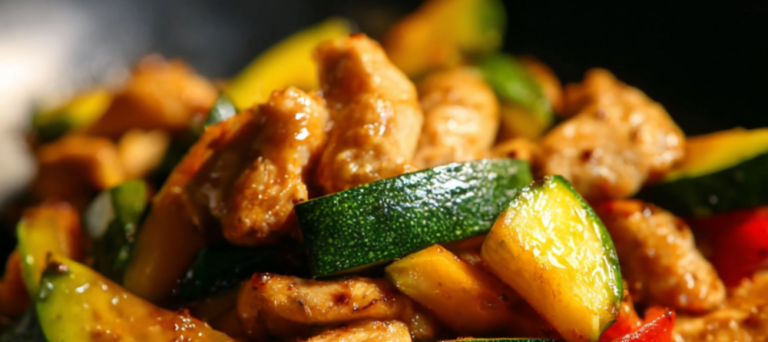
Chicken and Spinach Casserole with Cream Cheese
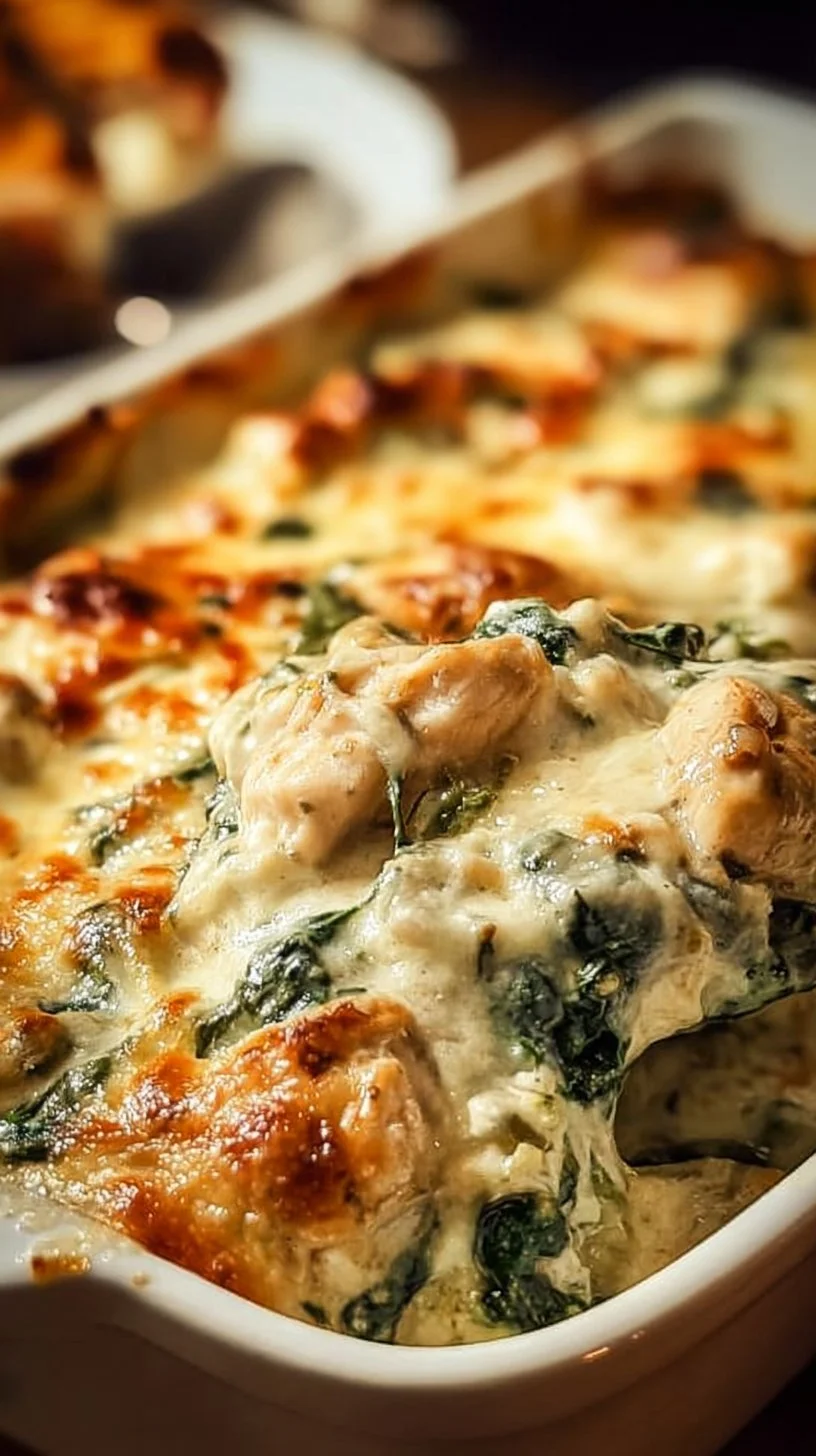
This Chicken and Spinach Casserole with Cream Cheese is a composed, technique-driven casserole that balances protein, dairy, and leafy greens to produce a compact, satisfying entrée. For cooks who appreciate structure in a recipe, treat this preparation as a sequence of controlled heat applications and textural contrasts rather than an ad hoc assembly; that approach is the same disciplined thinking that informs dishes like the mac and cheese meatloaf casserole, where timing and component integration determine success. The following sections articulate the culinary logic and procedural details necessary to execute the dish reliably and to a high standard.
The culinary logic behind this dish
The recipe pairs lean, mild chicken with two dairy elements—cream cheese for body and mozzarella for stretch and browning—plus sautéed spinach to introduce moisture, vegetal aroma, and a slight bitter counterpoint. The culinary logic is governed by three principles: manage moisture so the casserole is creamy but not watery; build flavor at the pan level through seasoning, garlic, and if chosen, light searing; and control surface browning to provide a textural and visual finish without overcooking the protein. Cream cheese functions here as both emulsifier and binder; when warmed gently it loosens and integrates with the spinach’s residual moisture to create a cohesive topping that adheres to the chicken. Mozzarella supplies melted structure and a pleasing pull, while Parmesan, if used, contributes a sharp umami lift and encourages a golden crust.
How to make Chicken and Spinach Casserole with Cream Cheese
Execute this dish as a series of discrete technical operations: flatten the cutlets for even, short baking time; marinate briefly to concentrate garlic and herb flavors into the meat without making it wet; briefly wilt the spinach to remove excess water while preserving color; homogenize the cream cheese mixture to ensure smooth distribution; assemble with intention so the topping is even; then finish under dry heat to concentrate flavors and create Maillard development on the cheese surface. The following sections provide step-by-step execution insight in support of the provided directions.
Ingredients :
2 large boneless, skinless chicken breasts, 2 tablespoons olive oil, divided, 3 cloves garlic, minced, 1 tablespoon Italian seasoning, 1⁄2 teaspoon salt, 1⁄2 teaspoon black pepper, 2 cups fresh spinach, 8 ounces cream cheese, softened, 1 cup shredded mozzarella cheese, divided, 1⁄2 cup Parmesan cheese, optional
Directions :
Preheat the oven to 400°F and lightly grease a 9×13 inch baking dish with butter or cooking spray. Set aside., Cut the chicken breasts in half horizontally to create four cutlets. Pound the thicker ends with a rolling pin so they’re all of even thickness., In a large bowl, whisk 1 tablespoon of olive oil with minced garlic, Italian seasoning, salt and pepper. Add the chicken, toss to coat, then cover and chill in the fridge for 15-30 minutes., Heat the remaining 1 tablespoon olive oil in a large skillet over medium heat. Add the spinach and cook, stirring frequently, until wilted, about 2-3 minutes. Set aside., In a medium bowl, beat the cream cheese until smooth. Add the wilted spinach, 1/2 cup mozzarella, and Parmesan (if using). Mix until smooth., Take the chicken out of the marinade and let the excess drip off. If desired, sear the chicken in the skillet for 1-2 minutes per side. Then, arrange the meat in a single layer in the baking dish., Spread the spinach and cream cheese mixture over the meat, then sprinkle the remaining mozzarella cheese over the top., Bake for 20-30 minutes, until the chicken is cooked and the cheese is melted and lightly browned. Let stand for 5 minutes before serving. Enjoy!
Ingredient analysis through a chef’s lens
- Chicken breasts: Two large breasts, halved into cutlets, give predictable thickness for even cooking and rapid heat penetration. Flattening ensures a consistent internal temperature across pieces and reduces overcooking risk during the browning/oven stage.
- Olive oil: Divided use—one tablespoon in the marinade to help distribute fat-soluble aromatics, the other for sautéing the spinach—ensures balanced mouthfeel and controlled surface searing.
- Garlic and Italian seasoning: These provide immediate aromatic lift; garlic’s volatile compounds activate in the marinade and upon low-temperature cooking, while the Italian seasoning contributes dried herb oils that rehydrate and flavor the meat.
- Salt and pepper: Minimal amounts are deliberate; the salt seasons the matrix so the cream cheese and cheese toppings don’t taste flat, while pepper adds a slight bite to cut through the dairy.
- Spinach: Fresh spinach, wilted briefly, contributes moisture and bright green flavor. Quick wilting removes large quantities of water while maintaining color and nutrients; overcooking spinach will darken flavor and release excessive liquid.
- Cream cheese: Acts as binder and emulsion base; softened cream cheese emulsifies with the spinach juices into a glossy, stable topping. Beat to smoothness to avoid lumps and ensure even coverage.
- Mozzarella and Parmesan: Mozzarella provides melt and stretch; dividing it allows integration into the cream cheese base and a separate outer layer for browning. Parmesan is optional but recommended for its saltiness and nutty umami, which cuts through the creaminess.
Kitchen workflow & technique breakdown
Organize work into mise en place and time-blocked actions. Begin by trimming and halving the breasts, then flattening—this is a mechanical step that standardizes thickness. Prepare the marinade, adding olive oil and aromatics to a bowl, then toss the chicken and refrigerate; the 15–30 minute rest is a short brining-like interval that permits surface flavor uptake without increasing moisture to a problematic level.
While the chicken chills, wilt the spinach in the skillet. Use medium heat and constant motion—this prevents localized caramelization and encourages rapid, even collapse. Immediately transfer the spinach to a bowl to stop cooking and to cool briefly; residual heat will finish the wilt without degrading leaf quality.
Next, beat the cream cheese until homogenous before folding in the spinach and half the mozzarella. Smoothness in this mixture matters: any coarse lumps will produce uneven pockets and prevent the topping from adhering uniformly. If the cream cheese resists smooth beating, let it sit at room temperature a few minutes or beat over a warm water bath briefly to loosen—never add water to thin it.
When assembling, allow excess marinade to drip from the cutlets; too much liquid under the cream cheese will separate during baking. Optionally sear the chicken for 1–2 minutes per side in the same skillet, which will render surface proteins and add a faint Maillard base note that complements the dairy. The skillet sear is short and controlled—just enough to color, not to fully cook.
Texture control, heat management & timing
This casserole’s texture depends on two competing elements: the chicken’s internal juiciness and the topping’s creaminess. Flattened cutlets and a 20–30 minute bake at 400°F deliver a predictable outcome: an internal temperature of around 160–165°F while the topping reaches full melt and develops light browning. The 400°F starting temperature provides quick heat to set the dairy and create surface browning; if your oven runs hot, prefer 20 minutes and check internal temperature with an instant-read thermometer. Resting 5 minutes post-bake allows carryover heat to equilibrate and the cream cheese to set slightly, improving sliceability and mouthfeel.
Avoid prolonged high heat that forces serum separation from the cream cheese. If the topping looks greasy rather than cohesive, it is overexposed; this typically results from too much water introduced from un-drained spinach or an overlong bake. Manage this by thoroughly wilting and, if necessary, pressing the spinach in a sieve to remove excess liquid before mixing.
Professional variations
- Herb focus: Add finely minced fresh thyme or rosemary to the marinade for a more aromatic profile; these herbs withstand heat and complement the cheese.
- Acid balance: A gentle squeeze of lemon into the spinach before folding into the cream cheese brightens the dish without altering core ingredients. Add only a teaspoon to avoid curdling.
- Texture contrast: Top with thinly crushed panko mixed with a tablespoon of melted butter and a tablespoon of Parmesan in the final 5 minutes of baking for a crunchy lid—this is optional and does not alter the base ingredients.
- Broiler finish: For accelerated browning, transfer the dish under a hot broiler for 1–2 minutes at the end, watching closely to avoid burning the mozzarella. Use sparingly.
Finishing touches & plating philosophy
Finish the casserole by allowing a short rest to let the dairy firm and flavors meld. When plating, aim for even portions where each portion contains both protein and topping. Spoon a small amount of pan juices onto each plate if present—they contain concentrated flavor and promote juiciness. Garnish should be minimal: a single torn basil leaf or a light dusting of finely grated Parmesan for contrast. Serve immediately to preserve the mozzarella’s pull and the cream cheese’s smooth texture.
Maintaining quality after cooking
To maintain quality for leftovers, cool the casserole uncovered at room temperature for no more than 30 minutes, then refrigerate in an airtight container. Reheat in a moderate oven (325°F) covered with foil to 10–15 minutes, removing the foil for the last 3 minutes to regain some surface texture. Microwave reheating will shorten time but degrades texture, often causing the cream cheese to separate; if using a microwave, reheat gently at medium power and stir once mid-cycle to redistribute moisture.
Questions from home cooks (chef answers)
Q: Can I use frozen spinach?
A: Frozen spinach contains more water due to blanching during processing. Thaw fully and press or squeeze out excess liquid until almost dry before folding into the cream cheese to prevent a watery topping.
Q: Is it necessary to sear the chicken?
A: No; searing is optional. It contributes color and a subtle depth of flavor via the Maillard reaction. If omitted, the bake time remains the same; monitor internal temperature to avoid undercooking.
Q: Can I substitute another cheese for mozzarella?
A: You can, but mozzarella’s low melting point and mild flavor are integral to the dish’s profile. A low-moisture provolone is the closest substitute; avoid high-oil cheeses that will separate.
Q: How do I know when the chicken is done?
A: Use an instant-read thermometer inserted into the thickest portion. Target 160–165°F before resting; residual heat will carry it to a safe and juicier endpoint.
Final chef notes
Treat this casserole as a study in balance: control water, sequence tasks to avoid overcooking, and use surface browning judiciously to provide contrast. Precise flattening and short searing are small investments that yield predictable texture and improved flavor. The cream cheese must be smooth and well-incorporated to perform as intended; taking the extra minute to beat it pays dividends. When plated, restraint enhances appreciation of the core flavors—let the cooked spinach, infused garlic, and melted cheese speak.
Conclusion
For reference and inspiration from other preparations that explore similar flavor combinations, review a comparable home-style preparation at Chicken and Spinach Casserole with Cream Cheese, examine a variant focused on extra cheesiness at Cheesy Chicken Spinach Bake – Life In The Lofthouse, compare a recipe emphasizing creamy integration at EASY Creamy Spinach Chicken Casserole Recipe – Alyona’s Cooking, and see another oven-baked approach that balances mozzarella melt with spinach at Creamy Mozzarella and Spinach Baked Chicken – Simple Seasonal. These pages present complementary techniques and presentations that can inform refinement of the methods outlined here.
Chicken and Spinach Casserole with Cream Cheese
Ingredients
Method
- Preheat the oven to 400°F and lightly grease a 9×13 inch baking dish.
- Cut the chicken breasts in half horizontally to create four cutlets and pound the thicker ends for even thickness.
- In a large bowl, whisk 1 tablespoon of olive oil with minced garlic, Italian seasoning, salt, and pepper. Add the chicken, toss to coat, cover and chill for 15-30 minutes.
- Heat the remaining 1 tablespoon olive oil in a skillet over medium heat. Add the spinach and cook until wilted for 2-3 minutes.
- In a medium bowl, beat the cream cheese until smooth. Add wilted spinach, 1/2 cup mozzarella, and optional Parmesan. Mix until smooth.
- Remove chicken from marinade and let excess drip off. Optionally sear the chicken in the skillet for 1-2 minutes per side.
- Arrange chicken in a single layer in the baking dish. Spread the spinach and cream cheese mixture over the meat, then sprinkle remaining mozzarella over the top.
- Bake for 20-30 minutes until chicken is cooked and cheese is melted and lightly browned. Let stand for 5 minutes before serving.