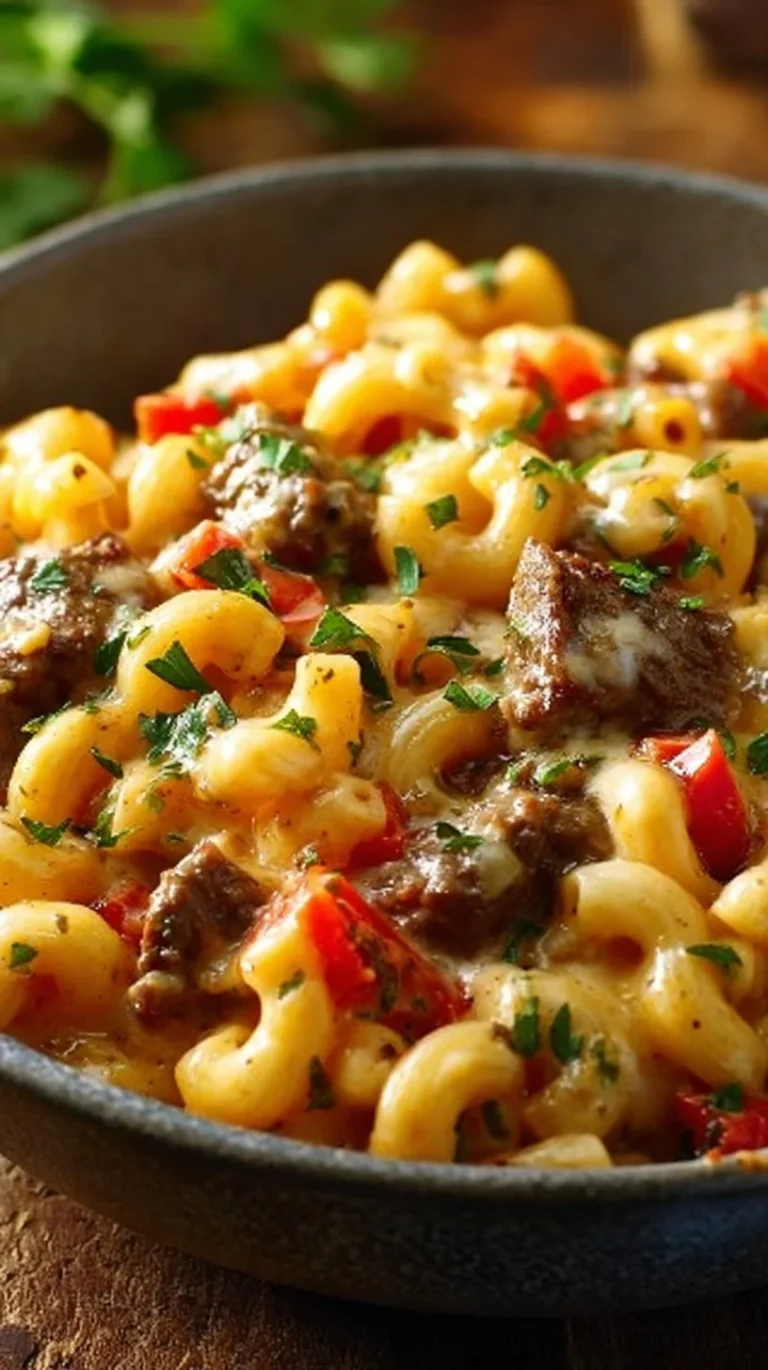
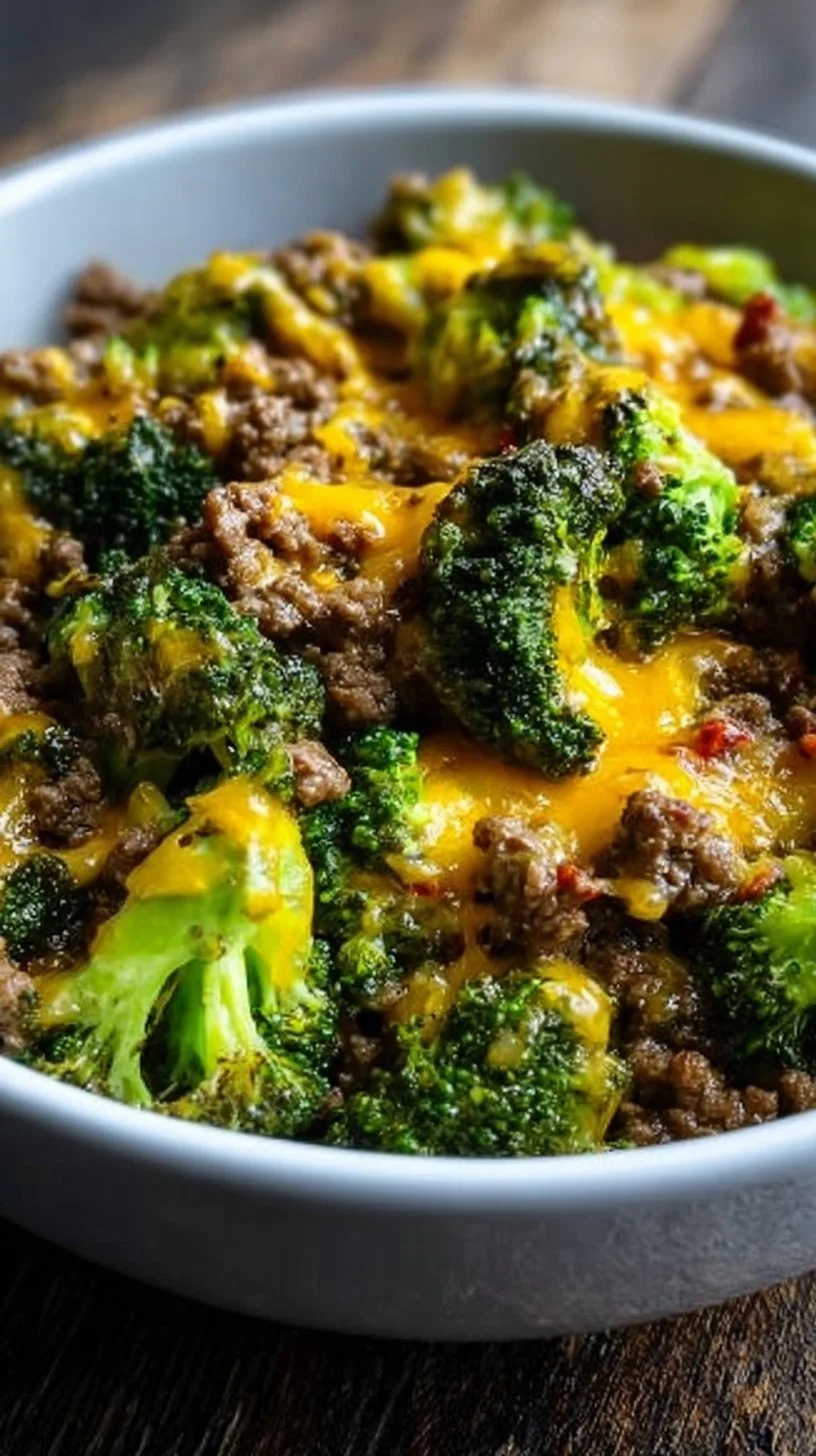
Keto Hamburger Broccoli Skillet
AARON Introduction
As a nutrition specialist, I look at home-cooked recipes not only for flavor, but for how they support digestion, nutrient balance, and sustainable eating habits. This Keto Hamburger Broccoli Skillet is a straightforward, nutrient-dense meal built around protein, non-starchy vegetables, and a modest amount of fat. It’s practical for busy weeknights, adaptable to personal needs, and easy to portion for leftovers — all features that support long-term healthy patterns rather than short-term trends.
In this article I’ll walk through why the ingredients matter, how the cooking method affects nutrition and digestion, and practical ways to make this dish fit into a balanced eating plan. I’ll keep language simple and evidence-based so you can use this recipe confidently for everyday wellness.
How this recipe supports overall wellness
This skillet combines three nutritional priorities: sufficient high-quality protein, fiber-rich vegetables, and fats to promote satiety and support nutrient absorption. Together these elements help stabilize appetite, feed gut bacteria, and provide a broad range of micronutrients.
- Protein from the beef supports muscle maintenance and repair, and it slows gastric emptying to provide steady energy between meals.
- Broccoli contributes fiber, volume, and micronutrients like vitamin C, folate, and sulforaphane precursors, which support antioxidant processes and gut health.
- Fat from olive oil, heavy cream, and cheese increases flavor and helps absorb fat-soluble vitamins (A, D, E, K). Moderate fat intake also enhances meal satisfaction, which makes consistent healthy choices easier over time.
From a digestion perspective, the combination of cooked vegetables and protein is gentle and usually well tolerated. Cooking broccoli softens fibers, which can reduce post-meal bloating for some people while still providing fermentable fiber to support a healthy microbiome. The overall macronutrient balance — higher fat and moderate protein with low carbohydrate — aligns with a ketogenic-style meal, but the principles here (whole foods, fiber, balanced meal composition) support a variety of dietary goals.
How to make Keto Hamburger Broccoli Skillet
This section keeps the recipe steps exactly as provided so you can follow them verbatim in the kitchen. Read through once before starting so everything is prepped and ready.
Ingredients :
1 pound ground beef, 3 cups broccoli florets, 1 medium onion, diced, 2 cloves garlic, minced, 1 tablespoon olive oil, 1 teaspoon salt, 1/2 teaspoon black pepper, 1/2 teaspoon garlic powder, 1/2 teaspoon onion powder, 1 cup shredded cheddar cheese, 1/4 cup heavy cream, 1 tablespoon Worcestershire sauce (optional), 1/4 teaspoon red pepper flakes (optional, for a spicy kick)
Directions :
In a large skillet, heat olive oil over medium heat until shimmering. Add the ground beef, breaking it apart with a spatula into small crumbles. Cook, stirring occasionally, until the beef is deeply browned and no longer pink, about 6–8 minutes., Once the beef has developed a golden crust, push it to one side of the skillet. Add the diced onion and minced garlic to the empty space. Cook for about 3 minutes, stirring occasionally, until the onion becomes translucent and the garlic turns fragrant., Stir in the broccoli florets, tossing them gently with the beef mixture so they’re evenly distributed. Let them sauté for a minute to pick up those beefy juices., Season everything with salt, black pepper, garlic powder, and onion powder. Use a wooden spoon to stir thoroughly, ensuring every piece is evenly coated in seasoning., Cover the skillet with a tight-fitting lid and allow the mixture to cook for 5–7 minutes, or until the broccoli is tender yet still crisp. Check halfway through and stir gently to maintain even cooking., Reduce the heat to low. Pour in the heavy cream and stir gently to combine, scraping up any browned bits from the bottom of the pan. The cream should thicken slightly as it warms., Sprinkle the shredded cheddar cheese evenly over the top of the beef and broccoli. Cover the skillet again and let it cook for 2–3 minutes, until the cheese is fully melted and gooey., If you’re using Worcestershire sauce and red pepper flakes, drizzle and sprinkle them over the melted cheese. Give everything one final gentle stir to incorporate that extra layer of flavor., Remove the skillet from heat and serve hot, straight from the pan.
Nutrient roles of each main ingredient
Understanding what each ingredient contributes helps you see why the recipe is balanced and how it fits into day-to-day nutrition.
- Ground beef: Primary protein and source of iron, zinc, B12, and other B vitamins. Protein supports repair and appetite regulation; iron supports oxygen transport and energy metabolism. Choose leaner or fattier beef depending on overall dietary needs.
- Broccoli florets: Low-calorie, high-fiber vegetable providing vitamin C, vitamin K, folate, potassium, and plant compounds linked to antioxidant activity. The fiber supports regular bowel movements and feeds beneficial gut microbes.
- Onion and garlic: Provide flavor with minimal calories, plus antioxidants and prebiotic fibers that can support gut bacteria. Their aromatics also stimulate digestive enzymes, which aids digestion.
- Olive oil: A source of monounsaturated fats associated with cardiovascular benefits when used in place of saturated fat; also helps with the absorption of fat-soluble vitamins.
- Cheddar cheese and heavy cream: Provide calcium, fat-soluble vitamins, and saturated fat. They add mouthfeel and satiety; for people managing total saturated fat, portion size and frequency are practical levers.
- Seasonings and optional Worcestershire/red pepper flakes: Add flavor, which increases enjoyment and adherence to healthy cooking. Small amounts of spices can also have modest metabolic and digestive effects, and heat (from red pepper flakes) can increase perceived satiety.
The preparation method & its health impact
How you cook food affects both nutrient availability and digestion. Browning the beef (the Maillard reaction) enhances flavor without needing added sugar, which supports satisfaction and lowers the desire to add high-calorie condiments. Sautéing briefly and then covering to steam the broccoli preserves water-soluble nutrients (like vitamin C and some B vitamins) better than prolonged boiling. Using a moderate amount of olive oil is an efficient way to add healthy fats without excessive overall calories.
Adding cream and cheese at the end creates a creamy texture while minimizing the time dairy is exposed to heat, which helps maintain some of the protein quality and reduces separation. If digestion is a concern, cooking the broccoli until tender-crisp reduces fermentable bulk, often easing discomfort for people sensitive to raw crucifers.
From a food-safety perspective, browning the beef until no pink remains reduces the risk of foodborne bacteria, and scraping up browned bits adds flavor and micronutrient-rich compounds released during cooking.
Ways to lighten, enrich or modify the dish nutritionally
While the recipe stands well as written, small adjustments can tailor it to different goals without changing the core steps or amounts shown above.
- Lighten: Reduce the heavy cream or use it less frequently, or choose a lower-fat cheese for portion-controlled meals. Pairing the skillet with a larger side salad lets you fill up on veggies while eating the same portion of rich skillet.
- Enrich: Increase vegetable volume by adding sliced mushrooms, spinach at the end, or bell peppers (add with onions). Incorporate a sprinkle of fresh herbs (parsley, chives) to boost micronutrient variety and plant-based antioxidants.
- Protein variation: If you want less saturated fat, choose lean ground beef or mix beef with ground turkey. For plant-forward meals, serve the skillet over a bed of roasted cauliflower rice to keep the dish low-carb while increasing vegetable volume.
- Digestive support: If you find dairy heavy, reduce the heavy cream and finish with a small dollop of plain Greek yogurt off-heat when serving; the live cultures can be supportive for some people’s digestion, but add only after the pan has cooled slightly to preserve probiotics.
- Flavor without extra calories: Use extra aromatics like mustard powder, smoked paprika, or a squeeze of lemon after cooking to brighten flavors without increasing fat.
Note: These suggestions are conceptual; follow the original ingredient list and directions as provided when cooking the recipe verbatim.
Pairing ideas for a balanced, complete meal
To make this skillet part of a well-rounded plate, think about texture and nutrient variety. The skillet itself is rich in protein, fat, and fiber from broccoli, so complementary sides should add freshness, extra vegetables, or light carbohydrates if desired.
- Salads: A crisp mixed-green salad with a light vinaigrette adds raw vegetables and a contrasting texture. A citrus-based dressing can help iron absorption from the beef.
- Low-carb sides: Cauliflower rice or zucchini noodles work well if you want to keep the meal keto-style.
- Whole grains: If you include carbohydrates in your plan, a small serving of quinoa or brown rice on the side adds complex carbs, extra fiber, and a different amino acid profile.
- Fermented vegetables: A small side of sauerkraut or kimchi adds probiotics and a tangy contrast that can be pleasant with the creamy skillet.
- Fresh fruit: For dessert or a light finish, sliced berries or an apple provide fiber, antioxidants, and a sweet end without heavy added sugars.
Aim to include at least one raw vegetable or fresh element per meal to support digestion and micronutrient variety.
Safe storage, food safety & optimal reheating
Safe handling and storage preserve both taste and nutrition. After cooking:
- Cooling and storage: Allow the skillet to cool slightly at room temperature (no more than 1 hour), then refrigerate in an airtight container. Store for up to 3–4 days.
- Freezing: For longer storage, portion into freezer-safe containers and freeze for up to 2–3 months. Thaw overnight in the refrigerator before reheating.
- Reheating: Reheat gently on the stove over low heat, stirring to distribute heat evenly. Add a splash of water or broth if the mixture seems dry. If using a microwave, reheat in short intervals, stirring between pulses to avoid hot spots and overcooking.
- Food safety: Reheat to a steaming hot temperature (165°F/74°C is the standard safe internal reheating guideline), and avoid reheating multiple times. When dividing into portions, only reheat what you plan to eat to limit quality loss and bacterial risk.
Common nutrition questions about this dish
Q: Is this suitable for people trying to lose weight?
A: The skillet is calorie-dense from fat and protein, which promotes fullness. For weight loss, controlling portion size, adding more non-starchy vegetables, and pairing with a fresh salad can reduce overall calorie density while keeping satisfaction high.
Q: Is the saturated fat from cheese and cream a concern?
A: Dietary saturated fat is one factor among many for heart health. It’s reasonable to enjoy this recipe occasionally within a diet that also includes plenty of unsaturated fats (olive oil, nuts, seeds, fatty fish) and fiber-rich plant foods. Portion control and overall dietary patterns matter more than a single meal.
Q: How can someone with lactose sensitivity manage this?
A: Small amounts of cheese and cream are often tolerated by people with mild lactose sensitivity, but options include reducing those components, choosing aged cheeses lower in lactose, or using lactose-free dairy products. Always tailor choices to personal tolerance.
Q: Is the iron in beef well absorbed?
A: Yes — heme iron from beef is absorbed more efficiently than plant-based iron. Vitamin C (from a side salad or a squeeze of lemon) can further increase iron absorption from the meal.
Q: Can this be made vegetarian or vegan?
A: To preserve the dinner’s structure, you could use a plant-based protein alternative and non-dairy cream/cheese substitutes, but those would be modifications. The original recipe is meat-based.
Final wellness notes
This Keto Hamburger Broccoli Skillet is a practical, satisfying meal that exemplifies several evidence-based nutrition principles: adequate protein, fiber-rich vegetables, and mindful use of fats to enhance satiety and nutrient absorption. It’s kitchen-friendly, adaptable, and supports digestive comfort when cooked as described. Use the suggested pairing ideas and storage tips to make it a sustainable staple in your rotation, and adjust portioning and accompaniments to fit your personal health goals. Small, consistent choices like this—focused on whole foods and balance—are what create lasting wellness over time.
Conclusion
If you’re looking for variations and inspiration to keep similar meals interesting, the recipe called "Ground Beef & Broccoli Skillet: Whole30, Paleo, Low Carb, GF" offers a different seasoning profile and method that can inspire swaps and additions in this family of dishes: Ground Beef & Broccoli Skillet: Whole30, Paleo, Low Carb, GF. For a cheesy, low-carb take that explores rice-like textures and how to stretch vegetables as the base, see this useful example: Low Carb Cheesy Beef and Broccoli Rice Skillet. And if you want a very quick, time-saving approach to beef and broccoli with keto-friendly ideas, this short recipe highlights fast techniques: Keto Beef and Broccoli (only 10 minutes!).
Keto Hamburger Broccoli Skillet
Ingredients
Method
- In a large skillet, heat olive oil over medium heat until shimmering.
- Add the ground beef, breaking it apart with a spatula into small crumbles. Cook, stirring occasionally, until the beef is deeply browned and no longer pink, about 6–8 minutes.
- Once the beef has developed a golden crust, push it to one side of the skillet. Add the diced onion and minced garlic to the empty space. Cook for about 3 minutes, stirring occasionally, until the onion becomes translucent and the garlic turns fragrant.
- Stir in the broccoli florets, tossing them gently with the beef mixture so they’re evenly distributed. Let them sauté for a minute to pick up those beefy juices.
- Season everything with salt, black pepper, garlic powder, and onion powder. Use a wooden spoon to stir thoroughly, ensuring every piece is evenly coated in seasoning.
- Cover the skillet with a tight-fitting lid and allow the mixture to cook for 5–7 minutes, or until the broccoli is tender yet still crisp. Check halfway through and stir gently to maintain even cooking.
- Reduce the heat to low. Pour in the heavy cream and stir gently to combine, scraping up any browned bits from the bottom of the pan. The cream should thicken slightly as it warms.
- Sprinkle the shredded cheddar cheese evenly over the top of the beef and broccoli. Cover the skillet again and let it cook for 2–3 minutes, until the cheese is fully melted and gooey.
- If you’re using Worcestershire sauce and red pepper flakes, drizzle and sprinkle them over the melted cheese. Give everything one final gentle stir to incorporate that extra layer of flavor.
- Remove the skillet from heat and serve hot, straight from the pan.