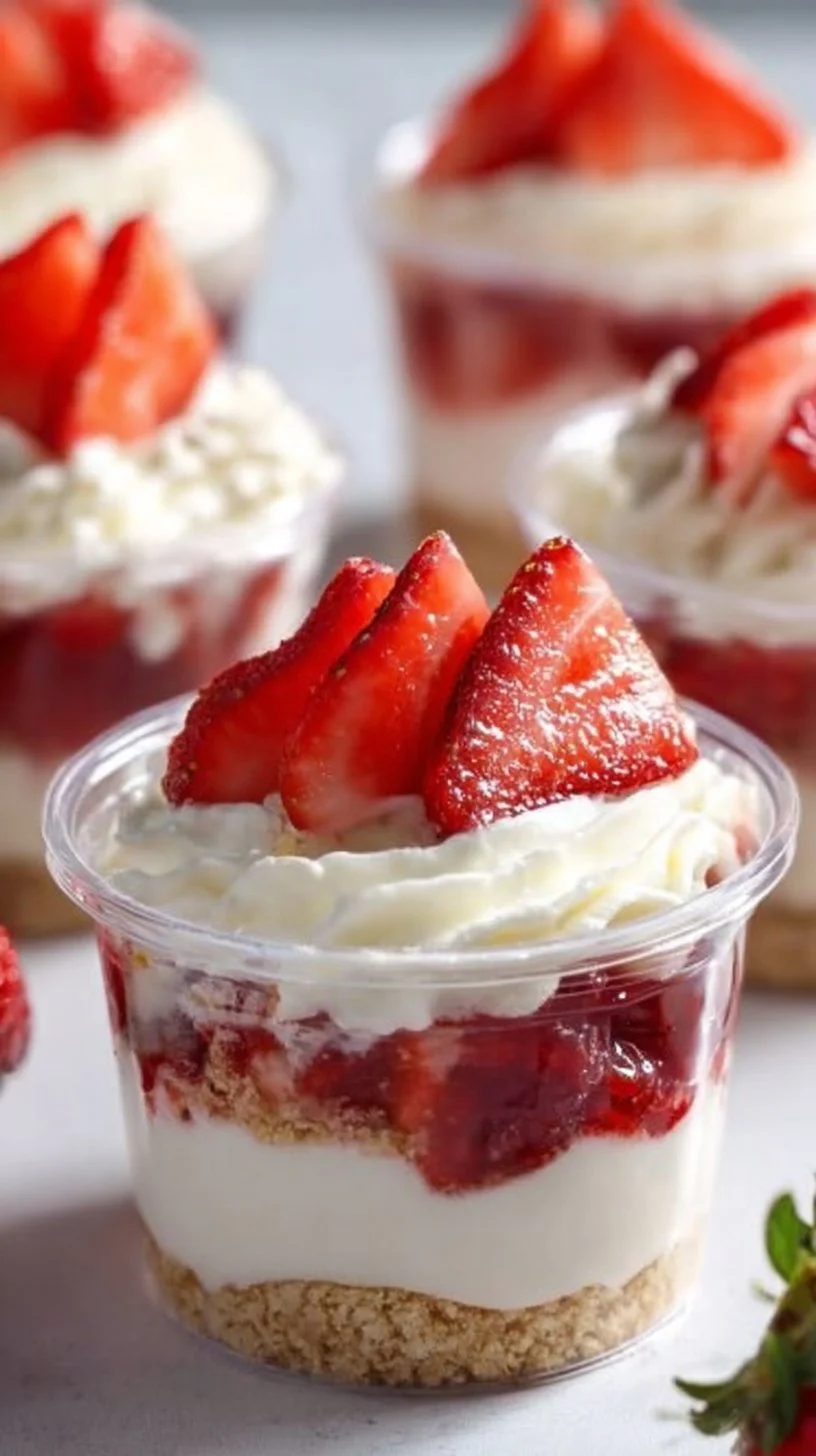
Strawberry Shortcake Dessert Cups
AARON Introduction
As a nutrition specialist, I approach recipes with two priorities: savor and sustainability. Strawberry Shortcake Dessert Cups are a classic example of a treat that feels indulgent while offering straightforward opportunities to support digestion, nutrient balance, and long-term eating patterns that feel good. These individual cups make portioning simple and can be a mindful way to enjoy dessert without needing to overindulge. For inspiration on similar single-serve formats and presentation ideas, you might also enjoy exploring a variation like Black Forest mini dessert cups, which use the same idea of layered texture and flavor.
In the following sections I’ll walk through how this recipe supports overall wellness, explain the nutrient roles of the main ingredients in plain language, review the preparation method and its health impact, and offer practical, evidence-based tweaks and pairings. My aim is to help you enjoy these cups confidently as part of a balanced lifestyle rather than to label foods as strictly “good” or “bad.” Food fits into life best when it’s approachable, nourishing, and enjoyable.
How this recipe supports overall wellness
Strawberry Shortcake Dessert Cups bring together fruit, dairy, and a small portion of carbohydrate in a portable format that supports balance. Strawberries are naturally nutrient-dense — providing vitamin C, fiber, and antioxidants — and pairing them with a creamy component like whipped heavy cream adds satiety through fat and texture. The ladyfingers or sponge cake contribute carbohydrates that make the dessert satisfying and celebratory.
From a digestion and wellness perspective, the fiber in strawberries supports regularity and feeds beneficial gut bacteria. The fat from cream slows digestion modestly, which can reduce sharp spikes in blood glucose after eating a sugary component. Serving in individual cups also helps with mindful portion control, which research suggests can improve satisfaction and reduce the tendency to overeat.
If you’re interested in different dessert formats that still prioritize balance and enjoyment, consider recipes such as chocolate-covered strawberry brownies that layer fruit and indulgence in manageable portions. The goal here is variety, not restriction: enjoying sweets in a way that fits your preferences and overall dietary pattern.
How to make Strawberry Shortcake Dessert Cups
The workflow for these dessert cups is straightforward and well-suited for home cooks of all levels. The directions emphasize simple layering and a short chilling time to let the flavors meld. Key benefits of this method are that it preserves the fresh texture of the strawberries and keeps the whipped cream light and airy, both of which contribute to mouthfeel and perceived richness without needing extra sweeteners.
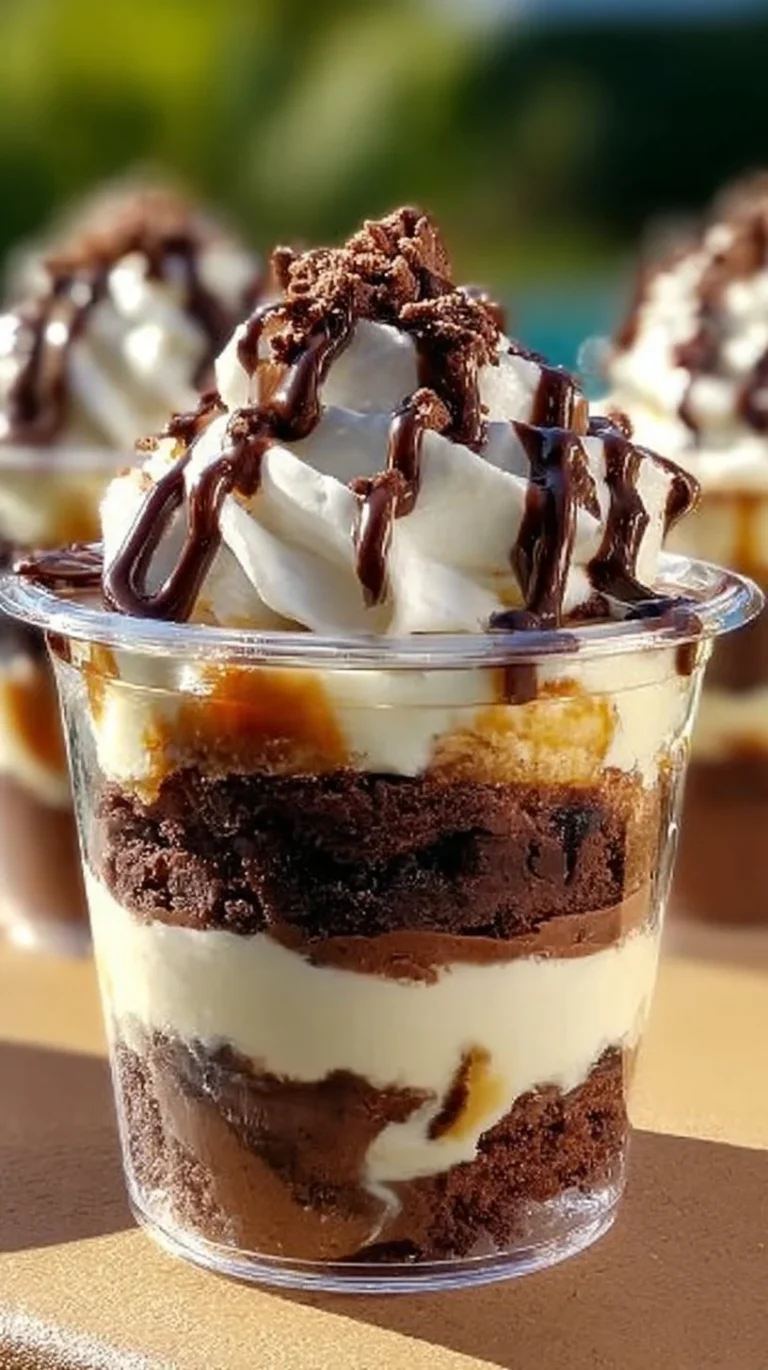
When assembling, aim for contrast: bright, slightly acidic strawberries, billowy whipped cream, and soft cake or ladyfingers. This contrast is what makes each spoonful enjoyable and helps you feel satisfied with a modest serving. Because these cups are finished with mint leaves, they also gain a small amount of aroma and freshness that can enhance perceived sweetness and reduce the need for added sugar in the long run.
Ingredients :
1 pound fresh strawberries, sliced, 1 cup heavy cream, 2 tablespoons sugar, 1 teaspoon vanilla extract, 1 package of ladyfingers or sponge cake, Mint leaves for garnish
Directions :
- In a bowl, whip the heavy cream with sugar and vanilla extract until soft peaks form.
- In serving cups, layer the sliced strawberries at the bottom.
- Add a layer of whipped cream on top of the strawberries.
- Break the ladyfingers or sponge cake into pieces and layer them over the whipped cream.
- Repeat the layers until the cups are full.
- Top with additional whipped cream and garnish with mint leaves.
- Chill in the refrigerator for at least 30 minutes before serving.
Nutrient roles of each main ingredient
Strawberries: These are the star for micronutrients. Strawberries provide vitamin C, which supports collagen production and immune function, and they offer dietary fiber that aids digestion and helps stabilize blood sugar when eaten with fat or protein. The antioxidants in strawberries contribute to cellular health and can support a balanced inflammatory response when eaten as part of a whole-food diet.
Heavy cream: Primarily a source of fat, heavy cream increases satiety and improves texture and flavor. Fat supports the absorption of fat-soluble vitamins and slows gastric emptying, which can help reduce rapid blood sugar rises after carbohydrate intake. While heavy cream is calorie-dense, using it in modest amounts as in single-serving cups fits well into varied eating patterns.
Sugar: The 2 tablespoons of sugar add sweetness and help stabilize whipped cream volume. From a nutrient perspective, sugar is a concentrated source of energy but lacks micronutrients. Its role here is mainly culinary—enhancing flavor and mouthfeel. When balanced with fruit and fat, small amounts of sugar can be part of an enjoyable dessert.
Vanilla extract: Adds aromatic depth and enhances the perception of sweetness without contributing significant calories or nutrients. It’s a simple way to increase satisfaction without extra sugar.
Ladyfingers or sponge cake: These provide the carbohydrate element—quick energy, texture, and structure for layering. In moderation, simple carbohydrates like these are fine; they are particularly enjoyable in a context that includes fiber and fat, which modulate digestibility.
Mint leaves: Mostly used as a garnish, mint adds freshness and can improve digestion for some people when taken as part of the eating experience. It enhances flavor without adding sugar or calories.
For other layered dessert ideas that use similar ingredient roles, you can see variations like dessert tacos where the interplay of fruit, creamy elements, and a carbohydrate base is also at work.
The preparation method & its health impact
Whipping cream and layering components is more than culinary technique; it influences digestion and satisfaction. Whipped cream incorporates air, reducing density and creating a perception of volume—an important psychological cue that can increase satisfaction from smaller portions. The chilled assembly allows flavors to marry but keeps textures distinct: strawberries remain juicy while cake pieces soften slightly, which can make each bite both interesting and filling.
From a gastrointestinal perspective, the combination of fiber (strawberries), fat (cream), and carbohydrate (cake) supports balanced digestion. Fiber feeds gut microbes and supports stool form, while fat moderates gastric emptying. For individuals sensitive to dairy, heavy cream is lower in lactose than milk, but it still contains some lactose; those with lactose intolerance should gauge tolerance or consider lactose-free alternatives. Always practice good food safety with dairy and perishable toppings: keep chilled and avoid leaving at room temperature for extended periods.
Ways to lighten, enrich or modify the dish nutritionally
This recipe is naturally adaptable depending on your goals. Here are evidence-based, practical swaps and additions that maintain flavor while shifting nutrient balance:
Lighten: Reduce the amount of heavy cream by using a 1:1 blend of heavy cream and plain Greek yogurt or mascarpone diluted with a little milk. This reduces fat per serving while adding protein and a pleasant tang. Remember not to overwhip a cream-yogurt mix.
Enrich with protein: Fold in a few tablespoons of plain Greek yogurt into the whipped cream after whipping to increase protein content and add tang that pairs well with strawberries.
Reduce added sugar: Omit or halve the 2 tablespoons of sugar if your strawberries are very ripe and sweet. Ripe fruit often provides enough perceived sweetness, especially when vanilla enhances the flavor.
Boost fiber: Add a sprinkle of toasted oats or a small spoon of chia-seed-thickened berry compote between layers for extra fiber and texture.
Allergy alternatives: For dairy-free versions, use coconut cream whipped to soft peaks. Keep in mind coconut cream has a distinct flavor and different fatty acid profile.
For broader ideas on modifying sweet treats in approachable ways, the desserts and sweet treats collection offers creative ways to maintain pleasure and balance in dessert choices.
Pairing ideas for a balanced, complete meal
A dessert cup like this can be part of a balanced meal plan when paired thoughtfully. Consider these pairings:
After a lean protein and roasted vegetables: The dessert provides a satisfying end without excess calories because the meal already includes protein and fiber.
With a small portion of whole grains: If your main meal was light, serve the cup following a quinoa salad or a small piece of whole grain toast to round out carbohydrate needs.
As a post-workout treat: If you’ve exercised, the carbs from the cake and the small amount of fat from the cream can help replenish energy stores—especially if the meal before or after includes protein to support muscle recovery.
For social meals: Serve in smaller glasses to allow everyone to enjoy dessert while keeping portions consistent and preventing overconsumption.
Aim for meals that provide protein, a variety of vegetables or fruit, and whole grains across the day; these cups can serve as a mindful, portion-controlled sweet component.
Safe storage, food safety & optimal reheating
Because this recipe uses whipped cream and fresh fruit, refrigeration is essential. Store completed cups covered in the refrigerator and consume within 24–48 hours for best quality and safety. Over time, ladyfingers or sponge cake will absorb moisture and become very soft; this is safe but changes texture. If you plan to prepare components ahead, you can store sliced strawberries in an airtight container for up to two days and keep whipped cream chilled and covered for a day—re-whip gently if it loses volume.
Do not leave the dessert out at room temperature for more than two hours (or one hour in warm conditions) to reduce risk of bacterial growth in dairy. These cups are not intended for reheating; if you prefer warm components, briefly warm cake pieces separately and assemble with cold strawberries and cream just before serving.
Common nutrition questions about this dish
Is this dessert “healthy”? Foods aren’t strictly healthy or unhealthy on their own. Strawberry Shortcake Dessert Cups include nutritious fruit and provide pleasure and satisfaction, which matter for long-term adherence to a balanced diet. Enjoyment is part of health.
How often can I eat desserts like this? Frequency depends on overall eating patterns, activity levels, and health goals. For many people, a modest dessert a few times per week fits well. Emphasize balance across meals and aim for nutrient-rich choices most of the time.
What if I’m watching blood sugar? Pairing the cups with protein earlier in the meal or mixing some Greek yogurt into the cream can blunt rapid glucose spikes. Also, prioritizing whole, ripe fruit and moderating portion size helps manage glycemic impact.
Are there concerns about saturated fat in heavy cream? Heavy cream contains saturated fat; when eaten in small amounts within a varied diet that includes vegetables, whole grains, and lean proteins, it can fit into a heart-healthy pattern. If you have specific lipid concerns, consult your healthcare provider about overall dietary patterns rather than any single food.
Final wellness notes
Strawberry Shortcake Dessert Cups are a useful template for enjoying a sweet treat with intention. They demonstrate how balance, portion control, and simple ingredient quality can make desserts feel both nourishing and pleasurable. Small changes—like reducing added sugar when strawberries are very ripe, folding in Greek yogurt for protein, or serving in smaller glasses—can shift the nutritional profile without sacrificing enjoyment.
Keep the focus on sustainable habits: cook with good-quality ingredients when possible, enjoy social time around food, and let indulgent items be part of a varied, nutrient-rich diet. This approach supports digestion, mood, and long-term adherence to enjoyable eating patterns.
Conclusion
For a similar layered dessert idea and presentation inspiration, you can look at Strawberry Shortcake Cups – Countryside Cravings, which explores the same flavor profile in a trifle-style format.
Strawberry Shortcake Dessert Cups
Ingredients
Method
- In a bowl, whip the heavy cream with sugar and vanilla extract until soft peaks form.
- In serving cups, layer the sliced strawberries at the bottom.
- Add a layer of whipped cream on top of the strawberries.
- Break the ladyfingers or sponge cake into pieces and layer them over the whipped cream.
- Repeat the layers until the cups are full.
- Top with additional whipped cream and garnish with mint leaves.
- Chill in the refrigerator for at least 30 minutes before serving.