Mini Kinder Bueno Cheesecakes
Introduction
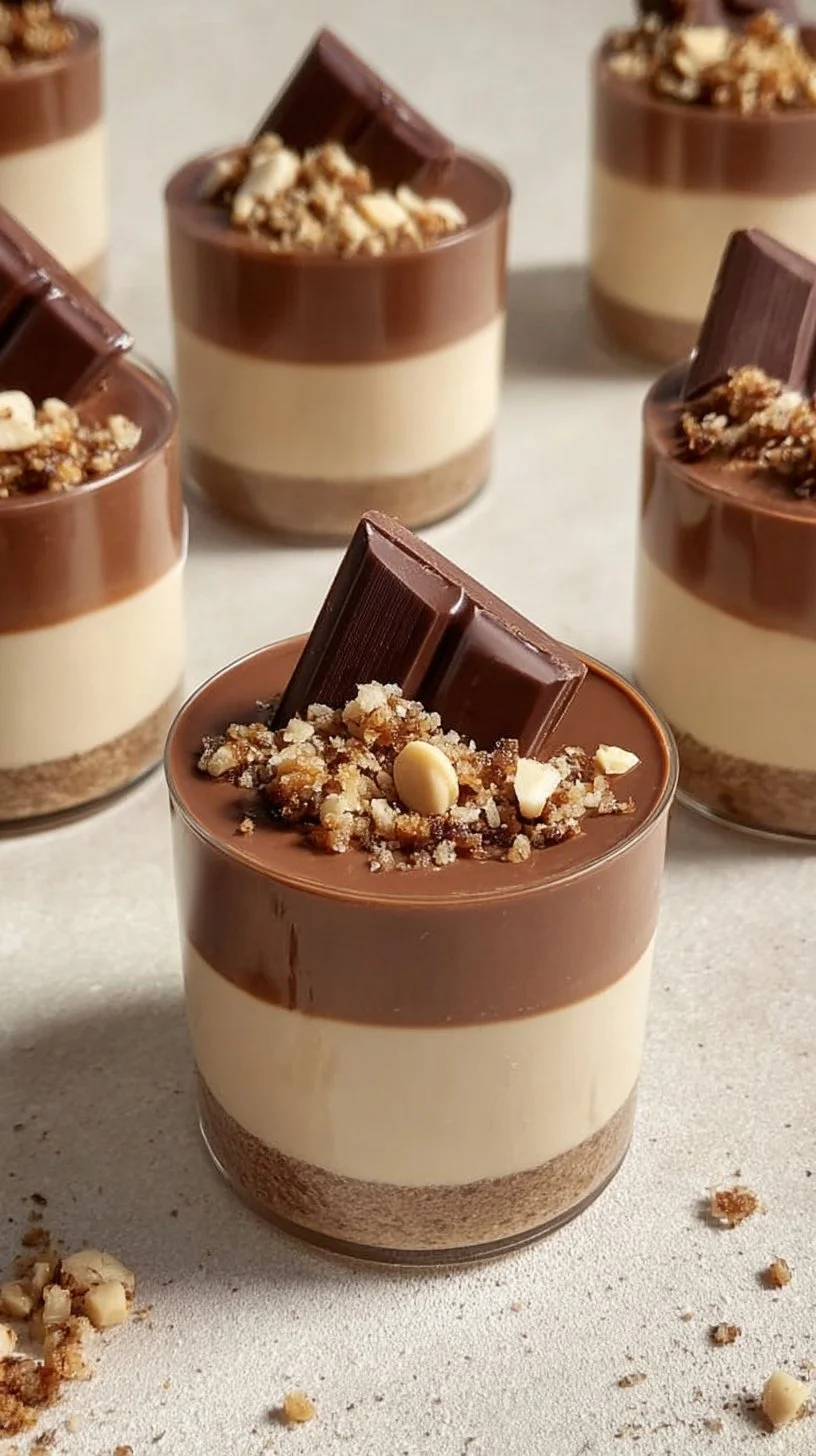
As a nutrition specialist, I approach recipes with an emphasis on balance, digestion, and long-term wellness while still honoring the pleasure of eating. Mini Kinder Bueno Cheesecakes are a no‑bake, indulgent treat: small, rich, and layered with creamy filling, crunchy graham cracker base, and pieces of Kinder Bueno chocolate. Enjoying occasional treats like this can be part of a healthy lifestyle when we pair them thoughtfully with nutrition goals and consider portioning, frequency, and how they fit into overall dietary patterns.
These mini cheesecakes are an opportunity to practice mindful eating — savour the texture contrasts, slow down, and notice how your body responds. If you like exploring small dessert formats, you might also find interest in a similar seasonal variation such as the mini Easter cheesecakes with chocolate eggs, which use the same no‑bake logic on a festive scale. In this article I’ll walk through how the recipe supports wellness, explain the role of key ingredients, and give practical, evidence‑based guidance on storage, pairing, and slight nutritional tweaks that respect the original recipe.
How this recipe supports overall wellness
Mini desserts, by design, encourage portion control compared with one large cake. Smaller servings can help satisfy a sweet craving without overconsumption, which supports mindful energy balance. The dairy in the cream cheese and whipped cream offers concentrated sources of calcium and vitamin B12, which are useful for bone and nerve health when consumed as part of an overall varied diet. The graham cracker base contributes quick energy from carbohydrates, and the Kinder Bueno pieces add fat and flavor that promote satiety and sensory satisfaction.
From a digestive perspective, eating these cheesecakes in moderation and pairing them with a source of fiber or a protein‑rich meal can help smooth blood sugar responses and prolong fullness. For example, using them as a small dessert after a balanced lunch that includes vegetables, whole grains, and lean protein reduces the likelihood of rapid glucose spikes compared with having them alone on an empty stomach. If you want inspiration for complementary small desserts to rotate through while keeping things interesting, try comparing textures and flavors with recipes like mini strawberry chocolate cakes to find what satisfies you most; alternating treats can prevent overreliance on any single indulgence.
How to make Mini Kinder Bueno Cheesecakes
This section gives the recipe as provided and preserves the exact ingredient list and steps so you can follow the original method.
Ingredients :
8 oz cream cheese, 1/2 cup powdered sugar, 1 tsp vanilla extract, 1 cup whipped cream, 12 Mini Kinder Bueno bars (chopped), 1 cup graham cracker crumbs, 1/2 cup unsalted butter (melted), Chocolate sauce (for drizzling), Additional Kinder Bueno bars (optional for topping)
Directions :
- In a bowl, mix melted butter and graham cracker crumbs until combined. Press mixture into the bottom of mini cheesecake molds.
- In another bowl, beat cream cheese until smooth. Add powdered sugar and vanilla, mixing until well combined.
- Gently fold in whipped cream and chopped Kinder Bueno bars into the cream cheese mixture.
- Spoon the cheesecake mixture over the graham cracker bases in the molds.
- Refrigerate for at least 4 hours or until set.
- Once set, drizzle with chocolate sauce and top with additional Kinder Bueno bars if desired.
- Serve chilled.
Following this no‑bake approach keeps the texture light and preserves the creamy mouthfeel that defines mini cheesecakes. The refrigeration step is essential to ensure proper setting and a stable texture for removal from molds.
Nutrient roles of each main ingredient
Understanding what each ingredient contributes helps you appreciate how the recipe fits into an overall diet.
- Cream cheese (8 oz): Provides concentrated dairy fat, protein, and small amounts of calcium and vitamin B12. The fat contributes to mouthfeel and satiety, slowing gastric emptying which can moderate post‑meal blood sugar rises compared with very low‑fat desserts.
- Powdered sugar (1/2 cup): Supplies simple carbohydrates for quick energy and sweetness. Because it is rapidly absorbed, pairing this dessert with fiber or protein in the meal surrounding it can balance blood glucose responses.
- Vanilla extract (1 tsp): Adds aroma and flavor without significant calories. Aromatic compounds can enhance satisfaction so you may need less to feel content.
- Whipped cream (1 cup): Adds airiness and additional fat. Like cream cheese, it increases palatability and satiety; however, it’s energy‑dense, so quantity influences total calories.
- Mini Kinder Bueno bars (12, chopped): Provide chocolate, hazelnut paste, and additional sugar and fat. They contribute flavor complexity and a crunchy contrast but are high in saturated fat and added sugars, so using them in moderation matches wellness goals.
- Graham cracker crumbs (1 cup): Mostly carbohydrate and a small amount of fiber and protein depending on the brand. The crumb base offers structure and a textural contrast that supports slower eating.
- Unsalted butter (1/2 cup, melted): Binds the crumb base and contributes saturated fat and caloric density. It also assists with the base’s stability and crunch after chilling.
- Chocolate sauce (for drizzling) and additional bars (optional): Add visual appeal and a final flavor hit. They’re optional extras that amplify sweetness and should be used mindful of portion.
Taken together, the recipe is energy‑dense with a balance skewed toward fats and simple sugars. That’s appropriate for a dessert meant to be enjoyed occasionally. If you consume it within a varied, nutrient‑rich diet, these mini cheesecakes can be a satisfying component without undermining long‑term health.
The preparation method & its health impact
This is a no‑bake recipe that relies on chilling for structure. No‑bake desserts generally preserve the integrity of heat‑sensitive nutrients, though this particular recipe is not being used to deliver micronutrients primarily. The no‑bake method reduces time and simplifies preparation, which can encourage home cooking — an evidence‑based strategy for healthier eating patterns compared with frequent eating out.
From a digestive standpoint, the chilled, high‑fat nature of the cheesecake slows digestion, which can reduce the speed of sugar absorption. This is beneficial in terms of satiety, but also means the dessert could feel heavy for some people if eaten quickly or in large amounts. For those who experience reflux or slowed digestion with high‑fat meals, a smaller portion with a bit of fresh fruit can ease digestion and add fiber to the eating occasion.
Because the recipe includes dairy and chocolate, it’s important to be mindful of food intolerances or allergies (milk, hazelnut). The chilling step provides time for flavors to meld and for the texture to stabilize, improving both enjoyment and mindful portioning.
Ways to lighten, enrich or modify the dish nutritionally
If you want to shift the nutritional profile while keeping the recipe recognizable, there are evidence‑based, practical options that respect the original format without changing ingredient identity or quantities in the provided list (note: below are suggestions you can apply at the plate level or across multiple servings):
- Portion control: Serve smaller molds or use mini cupcake liners to reduce per‑serving energy while maintaining satisfaction from a sweet focus.
- Add fiber at serving: Pair a single mini cheesecake with a small bowl of mixed berries. The berries add vitamins, antioxidants, and fiber to slow carbohydrate absorption and increase nutrient density.
- Balance the meal: If this dessert follows a meal, prioritize whole grains, legumes, vegetables, and lean protein earlier in the day to balance caloric intake and keep micronutrient intake high.
- Swap whipped cream style: If you prefer, use a lighter whipped topping (such as a stabilized low‑fat whipped topping) for a lower‑energy alternative while keeping texture. If you do this, keep the ingredient list intact for the core recipe and note the variation at serving.
- Add a garnish with nutrients: Toasted chopped nuts (if not allergic) as a topping provide additional unsaturated fats, protein, and minerals — use sparingly to maintain portion control.
- Mindful drizzle: Instead of a heavy chocolate sauce application, lightly zigzag the surface so you get the sensory cue of chocolate without adding a large extra amount of sugar.
For additional ideas on similar mini dessert swaps and ways to keep treats varied without overdoing portions, looking at how other mini desserts are structured can be helpful; for example, some bakers use fruit compotes in place of part of the chocolate for a lighter note and higher fiber content, a concept used in recipes like the strawberry chocolate mini cakes which emphasize fruit alongside indulgence.
Pairing ideas for a balanced, complete meal
Pairing is about context. If these mini cheesecakes are the planned dessert, aim for a meal before it that includes:
- A lean protein source (grilled fish, poultry, or plant‑based protein) to support muscle maintenance and prolonged satiety.
- A generous portion of vegetables or a mixed salad for fiber and micronutrients.
- A modest serving of whole grains or starchy vegetables for sustained energy.
For beverage pairing, choose water or unsweetened tea to avoid additional added sugars. If you want a warm beverage, black coffee or an unsweetened herbal tea complements the sweetness and can support postprandial enjoyment without extra calories. Serving the mini cheesecake with a small share of fresh fruit adds fiber and vitamin C, which together promote better digestion and a more balanced glycemic response.
Safe storage, food safety & optimal reheating
Because this is a no‑bake, dairy‑based dessert, refrigeration and food safety are straightforward:
- Refrigerate immediately after preparation and keep at or below 40°F (4°C). The recipe specifies refrigerating for at least 4 hours to set; after that, store covered in the refrigerator.
- Consume within 3–4 days for best quality and food safety, since cream cheese and whipped cream are perishable.
- If you make the cheesecakes in silicone molds, transfer them to an airtight container or cover the molds with plastic wrap to prevent odor transfer.
- Reheating is not required or recommended; these are best served chilled. If you prefer a slightly softer texture, remove from the refrigerator 10–15 minutes before serving rather than applying heat.
- When transporting, use a cooler or insulated bag to keep them chilled until you serve.
If you have guests with dairy intolerance or nut allergies, clearly label ingredients and consider making a separate batch with appropriate alternatives or avoiding cross‑contact.
Common nutrition questions about this dish
Q: Are these suitable if I’m trying to lose weight?
A: Treats can be included in a weight‑loss plan when portioned and planned within your daily energy intake. Mini portions help; enjoy one and pair it with a meal rich in vegetables and protein to maintain overall diet quality.
Q: How often can I have desserts like this?
A: Frequency depends on your overall dietary pattern and health goals. A helpful approach is an 80/20 style pattern — most choices are nutrient‑dense, with occasional planned treats. Regularly including small treats can improve adherence to healthy eating long‑term by preventing feelings of restriction.
Q: Is the sugar content a problem for blood sugar?
A: The combination of fat and protein in this dessert slows glucose absorption compared to pure sugar, but the powdered sugar and chocolate are still rapid carbohydrates. If you have diabetes or dysglycemia, monitor portion sizes and pair the dessert with a balanced meal; consult a healthcare provider for personalized guidance.
Q: Any concerns for digestion?
A: High‑fat desserts can feel heavy for some and may exacerbate reflux. If that’s a concern, keep portions small and consume alongside fiber‑rich foods, or choose a lower‑fat variation on occasion.
Final wellness notes
Enjoyment is a legitimate part of a healthy diet. These Mini Kinder Bueno Cheesecakes are designed to be a special, sensory experience. When you plan treats intentionally — considering portion, timing, and what you pair them with — you support digestion, balance, and long‑term adherence to nourishing habits. Small changes like adding fruit at the plate, serving right after a nutrient‑dense meal, or practicing mindful eating can transform a high‑energy dessert into a satisfying, controlled indulgence that fuels both pleasure and well‑being.
Conclusion
If you want to compare technique or presentation, the original inspiration for similar small cheesecakes can be explored in other baker sources such as Mini Kinder Cheesecakes – Gills Bakes and Cakes, which offers visual ideas for compact presentations. For another home baker’s no‑bake take that emphasizes the Kinder Bueno flavor, see No‑Bake Kinder Bueno Cheesecake! – Jane’s Patisserie. If you’re interested in plant‑based alternatives and want to explore a vegan interpretation, this recipe collection provides an example: Vegan No‑Bake Mini Kinder Cheesecakes.
Mini Kinder Bueno Cheesecakes
Ingredients
Method
- In a bowl, mix melted butter and graham cracker crumbs until combined. Press mixture into the bottom of mini cheesecake molds.
- In another bowl, beat cream cheese until smooth. Add powdered sugar and vanilla, mixing until well combined.
- Gently fold in whipped cream and chopped Kinder Bueno bars into the cream cheese mixture.
- Spoon the cheesecake mixture over the graham cracker bases in the molds.
- Refrigerate for at least 4 hours or until set.
- Once set, drizzle with chocolate sauce and top with additional Kinder Bueno bars if desired.
- Serve chilled.