No-Bake Coconut Cheesecake
Introduction
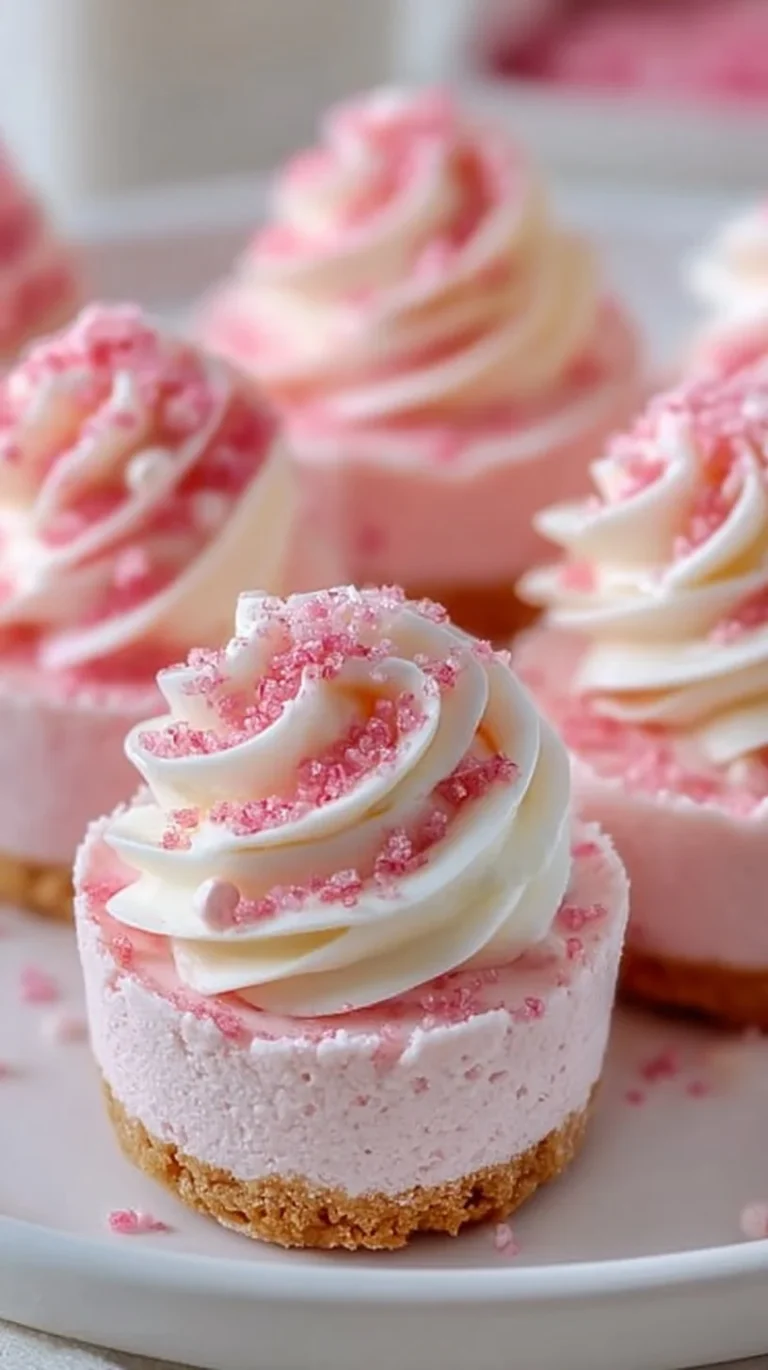
No-Bake Coconut Cheesecake is a comforting, creamy dessert that feels indulgent without the oven time. As a nutrition specialist, I view desserts like this as opportunities to enjoy sensory pleasure while keeping an eye on digestion, balance, and long-term wellness. When shared in sensible portions and paired with nutritious choices, a coconut cheesecake can fit into a balanced eating pattern. For smaller, portion-controlled ideas that keep celebration in mind, you might enjoy a recipe for mini cheesecakes with chocolate eggs, which illustrates how to scale treats down without sacrificing enjoyment.
Below I guide you through how this recipe supports overall wellness, the step-by-step no-bake method, the role of each main ingredient for nutrition and digestion, and practical ways to adapt the dessert while keeping it enjoyable and safe to store. The tone is calm, evidence-informed, and practical — focused on long-term, sustainable eating rather than rigid rules.
How this recipe supports overall wellness
A no-bake coconut cheesecake balances energy density and satisfaction. From a nutritional standpoint, it provides fat, some protein, and carbohydrates in a form that promotes satiety — the sense of fullness that helps regulate subsequent eating. Coconut contributes medium-chain triglycerides that some people find easier to digest, and the cream cheese provides concentrated dairy-based protein and calcium. The crust, often made from crushed biscuits or crackers, supplies carbohydrates that deliver quick energy and texture contrast.
For digestion, the inclusion of shredded or toasted coconut offers fiber, which helps slow gastric emptying and supports a steady release of glucose into the bloodstream. Eating a slice with a source of fiber or protein — for example, a side of fresh fruit or a small handful of nuts — further moderates blood sugar responses and enhances nutrient density. This approach prioritizes balance: enjoy a satisfying dessert, then pair it with complementary foods that support sustained energy and digestion.
How to make No-Bake Coconut Cheesecake
The no-bake approach minimizes heat exposure to delicate dairy ingredients and preserves the creamy texture many people seek in cheesecake. If you prefer no-oven desserts or are making this recipe during warmer weather, the method is efficient and accessible. Below, I present the recipe as written. Follow the ingredients and directions exactly as provided here to achieve the intended texture and flavor.
Ingredients :
- 2 cups crushed graham crackers (or digestive biscuits)
- 1/2 cup unsalted butter, melted
- 2 tablespoons granulated sugar (optional, for crust)
- 16 ounces (450 g) cream cheese, softened
- 1 cup powdered sugar, sifted
- 1 teaspoon vanilla extract
- 1 cup heavy cream, whipped to soft peaks
- 1 cup sweetened shredded coconut, plus extra for topping
- 1/4 cup coconut milk (optional for extra coconut flavor)
- Toasted coconut flakes for garnish (optional)
Directions :
- In a medium bowl, combine the crushed graham crackers, melted butter, and granulated sugar. Press the mixture firmly into the bottom of a 9-inch springform pan to form an even crust. Chill in the refrigerator while preparing the filling.
- In a large bowl, beat the softened cream cheese until smooth. Gradually add the powdered sugar and vanilla extract, mixing until fully incorporated and creamy.
- Stir in the coconut milk if using, then fold in the sweetened shredded coconut.
- Gently fold the whipped cream into the cream cheese mixture until the filling is light and airy. Be careful not to overmix.
- Pour the filling over the chilled crust, smoothing the top with a spatula. Cover and chill for at least 4 hours, or until set (overnight is best for firm slicing).
- Before serving, sprinkle with toasted coconut flakes for added texture and a toasty flavor. Release from the springform pan, slice, and serve chilled.
Nutrient roles of each main ingredient
Understanding what each ingredient contributes helps you make informed choices based on your health priorities.
- Cream cheese: Provides concentrated energy from fat, a modest amount of protein, and calcium. While not a lean source of protein, it contributes to the creamy mouthfeel that enhances satiety.
- Heavy cream: Adds richness and body through fat content. Fat slows gastric emptying, which can help you feel full longer, reducing the urge for immediate additional snacking.
- Shredded coconut and toasted coconut: Coconut contributes fiber and distinctive flavor. The fiber supports digestive regularity and slows carbohydrate absorption. Coconut also contains medium-chain triglycerides (MCTs), which are metabolized differently than long-chain fats and can be a quick energy source for some people.
- Graham crackers/digestive biscuit crust: Supplies carbohydrates for immediate energy and structure for the dessert. Choosing whole-grain or less-sugary crackers can modestly increase fiber and reduce refined sugar content.
- Powdered sugar and granulated sugar: Provide sweetness and affect texture. While small amounts enhance palatability, they increase overall energy density; considering portion size helps manage intake.
- Coconut milk (optional): Adds gentle coconut flavor and a small amount of additional fat; for people avoiding dairy, this can be used partly to lighten the dairy load, though in this recipe it complements rather than replaces the cream cheese.
The preparation method & its health impact
No-bake chilling preserves the texture and prevents oxidation or browning that occurs with baking. From a health perspective, the method reduces the formation of advanced glycation end products that can occur at high heat, though this is a minor factor for an occasional dessert. More relevant is the control you gain over texture and portion when chilling allows clean slicing — a neat slice helps with mindful eating and portion awareness.
Folding whipped cream into the cream cheese lightens the filling, increasing volume without proportionally increasing calories if the whipped cream is aerated well. Chilling also firms the structure so you can serve measured slices, which is helpful for long-term balance. Preparing elements in advance encourages mindful planning: portioning after chilling can prevent overeating at the moment of temptation.
Ways to lighten, enrich or modify the dish nutritionally
While you should not change the official recipe if you’re following it exactly, here are evidence-informed strategies to shift the nutritional profile when appropriate — described as optional swaps and additions rather than changes to the recipe itself.
- Lighten: Use part-skim cream cheese or reduce the amount of heavy cream by folding in more whipped low-fat Greek yogurt for a protein boost. Note that Greek yogurt will slightly alter texture and tang but increases protein and lowers saturated fat.
- Enrich with nutrients: Stir in a small amount of finely grated citrus zest (lemon or lime) to increase vitamin C and enhance flavor without adding calories. Adding 1/4 cup of ground flaxseed to the crust or sprinkled on top introduces omega-3s and additional fiber.
- Reduce added sugar: Substitute part of the powdered sugar with a smaller amount of a preferred natural sweetener to reduce refined sugar content — do this gradually to maintain texture. Alternatively, use unsweetened shredded coconut and increase a touch of vanilla to balance flavor.
- Increase fiber and whole grains: Swap the crust for a whole-grain or oat-based crust to gain fiber and minerals. Mixing a small amount of finely chopped nuts into the crust boosts healthy monounsaturated fats and protein.
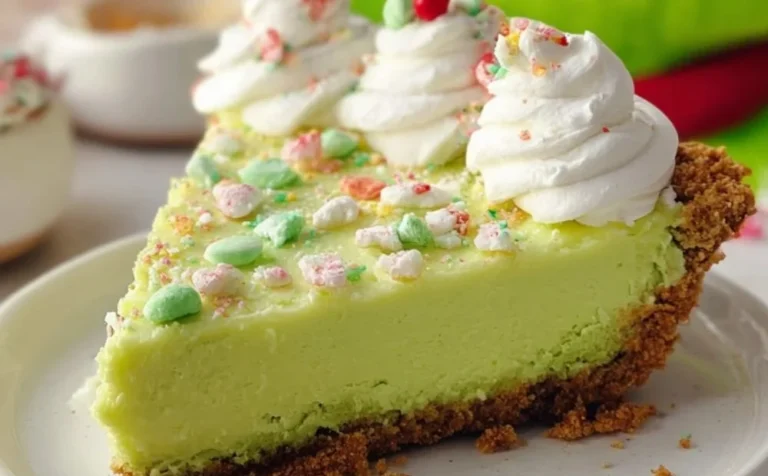
- Portion control: Make this dessert in individual serving jars rather than a single springform pan to help with portioning and mindful eating. For a playful seasonal variation without changing the recipe itself, see a no-bake novelty dessert example like this no-bake Grinch pie, which demonstrates creative no-bake serving ideas.
Each of these options can support different goals — lower saturated fat, more protein, or higher fiber — without removing the sensory pleasure of the dish. Keep in mind that any modification will shift texture and taste, so adjust gradually.
Pairing ideas for a balanced, complete meal
Pairing a rich dessert with thoughtfully chosen accompaniments can help create a satisfying, balanced meal. For example, serve a modest slice of cheesecake after a meal centered on lean protein and vegetables: grilled salmon or tofu with a generous salad offers protein, fiber, and healthy fats that complement the dessert’s richness. If you prefer a lighter main course, pair the cheesecake with a bowl of fresh berries and a small handful of toasted almonds to add antioxidants, fiber, and plant-based protein.
For social occasions, present the cheesecake alongside sliced fruit platters and unsweetened herbal tea. This encourages people to enjoy a slice while also offering hydration and palate-cleansing flavors. If you like a bit of crunch, a small serving of mixed nuts adds texture and healthy fats that prolong satiety.
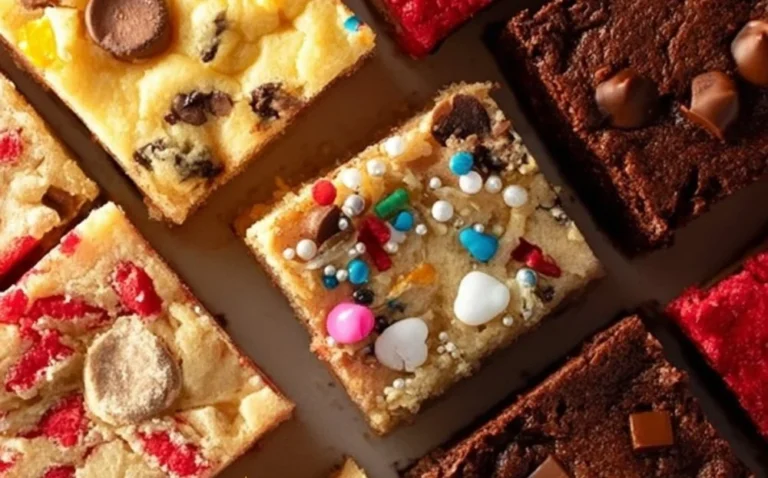
For inspiration on different no-bake bar and cluster ideas that share some techniques with this cheesecake, consider the textural contrast found in a recipe like these no-bake rocky road bars, which pair creamy and crunchy elements in a single bite.
Safe storage, food safety & optimal reheating
Because this cheesecake contains dairy and whipped cream, refrigeration is essential. Store the assembled cheesecake in an airtight container or cover the springform pan with plastic wrap to prevent drying and cross-contamination. It keeps well in the refrigerator for up to 3–4 days; after that, texture and flavor may degrade and microbial safety becomes a greater concern.
No-bake cheesecakes are not ideal for reheating. They are best served chilled. If you prefer a softer texture at serving, let a slice sit at room temperature for 10–15 minutes before eating to let the fats soften slightly; this also allows the flavors to become more pronounced. If transporting, keep the dessert on ice or in a cooler to maintain a safe temperature below 40°F (4°C) until served.
If freezing is desired, wrap individual slices tightly in plastic wrap and foil or use freezer-safe containers. Consume within 1–2 months for best quality. Thaw overnight in the refrigerator and serve chilled for optimal texture.
Common nutrition questions about this dish
Q: Is this dessert “bad” for digestion?
A: Not inherently. For most people, a modest portion of this cheesecake will be well tolerated. If you have lactose intolerance, the dairy can cause discomfort; using lactose-free cream cheese or limiting the serving size can help. The fiber from shredded coconut may aid digestion, but high-fat desserts can slow digestion for some people, which could lead to a feeling of fullness or heaviness.
Q: How can I enjoy this while managing weight?
A: Focus on portion control and pairing. A small slice paired with fruit or a protein-rich main meal can satisfy cravings without excess calories. Mindful eating — savoring each bite slowly — often reduces the amount needed to feel satisfied.
Q: Is coconut a healthy fat?
A: Coconut is a source of saturated fat, but much of it is in medium-chain triglycerides (MCTs). MCTs are metabolized differently than long-chain fats, but recommendations still favor a variety of fats, emphasizing monounsaturated and polyunsaturated sources for overall heart health. Treat coconut as a flavorful ingredient rather than a primary health food.
Q: Can I serve this to children or older adults?
A: Yes, with attention to portion size and any specific dietary needs or allergies. For children, reduce portion sizes and consider less sugary crusts. For older adults with dental issues, finely shredded coconut and a softer crust can make the dessert easier to eat.
Final wellness notes
Enjoying a dessert like No-Bake Coconut Cheesecake can be part of a nutritious lifestyle when approached with balance and mindfulness. The key principles are portion awareness, pairing with fiber or protein, and occasional adaptations to meet personal goals and tolerances. Preparing desserts at home gives you control over ingredients and portion sizes — a practical strategy for long-term, sustainable eating.
If you bake or prepare no-heat desserts often, consider building a repertoire of variations that emphasize whole grains, nuts, and fruit so that you can rotate treats and maintain nutrient variety over time. Remember that one treat does not define your overall diet; regular patterns of wholesome meals, adequate sleep, and gentle movement matter most for long-term wellness.
Conclusion
For more recipe inspiration and variations on no-bake coconut cheesecake, you can explore this detailed version at No Bake Coconut Cheesecake – A Seasoned Greeting, which offers a similar flavor profile and presentation ideas. If you’d like another perspective with step-by-step photos and tips, see No Bake Coconut Cheesecake Dessert – Crazy for Crust. For a simple, family-friendly version with practical serving suggestions, review Easy No Bake Coconut Cheesecake – She Keeps a Lovely Home. And if you are curious about an easy, straightforward take that emphasizes approachability in the kitchen, check out Easy No-Bake Coconut Cheesecake – My Colombian Recipes.
No-Bake Coconut Cheesecake
Ingredients
Method
- In a medium bowl, combine the crushed graham crackers, melted butter, and granulated sugar. Press the mixture firmly into the bottom of a 9-inch springform pan to form an even crust. Chill in the refrigerator while preparing the filling.
- In a large bowl, beat the softened cream cheese until smooth. Gradually add the powdered sugar and vanilla extract, mixing until fully incorporated and creamy.
- Stir in the coconut milk if using, then fold in the sweetened shredded coconut.
- Gently fold the whipped cream into the cream cheese mixture until the filling is light and airy. Be careful not to overmix.
- Pour the filling over the chilled crust, smoothing the top with a spatula. Cover and chill for at least 4 hours, or until set (overnight is best for firm slicing).
- Before serving, sprinkle with toasted coconut flakes for added texture and a toasty flavor. Release from the springform pan, slice, and serve chilled.