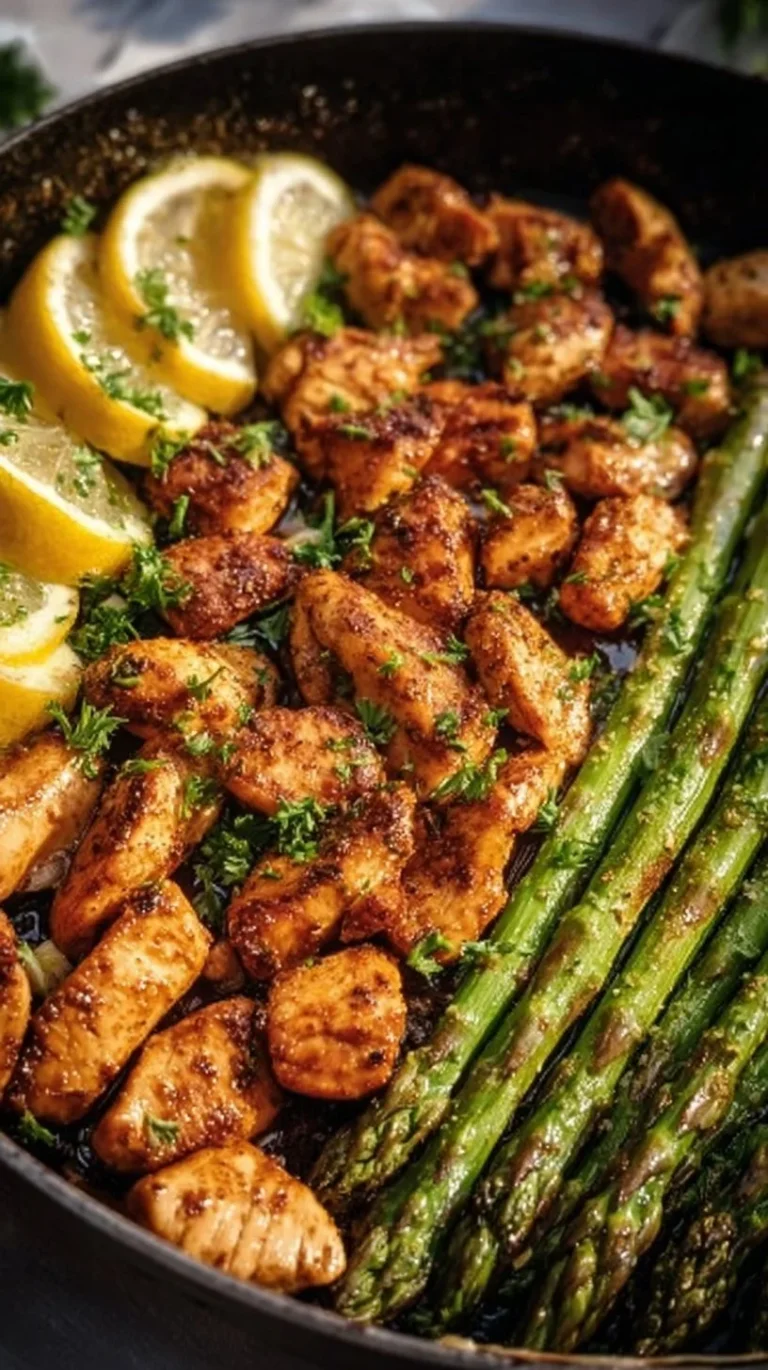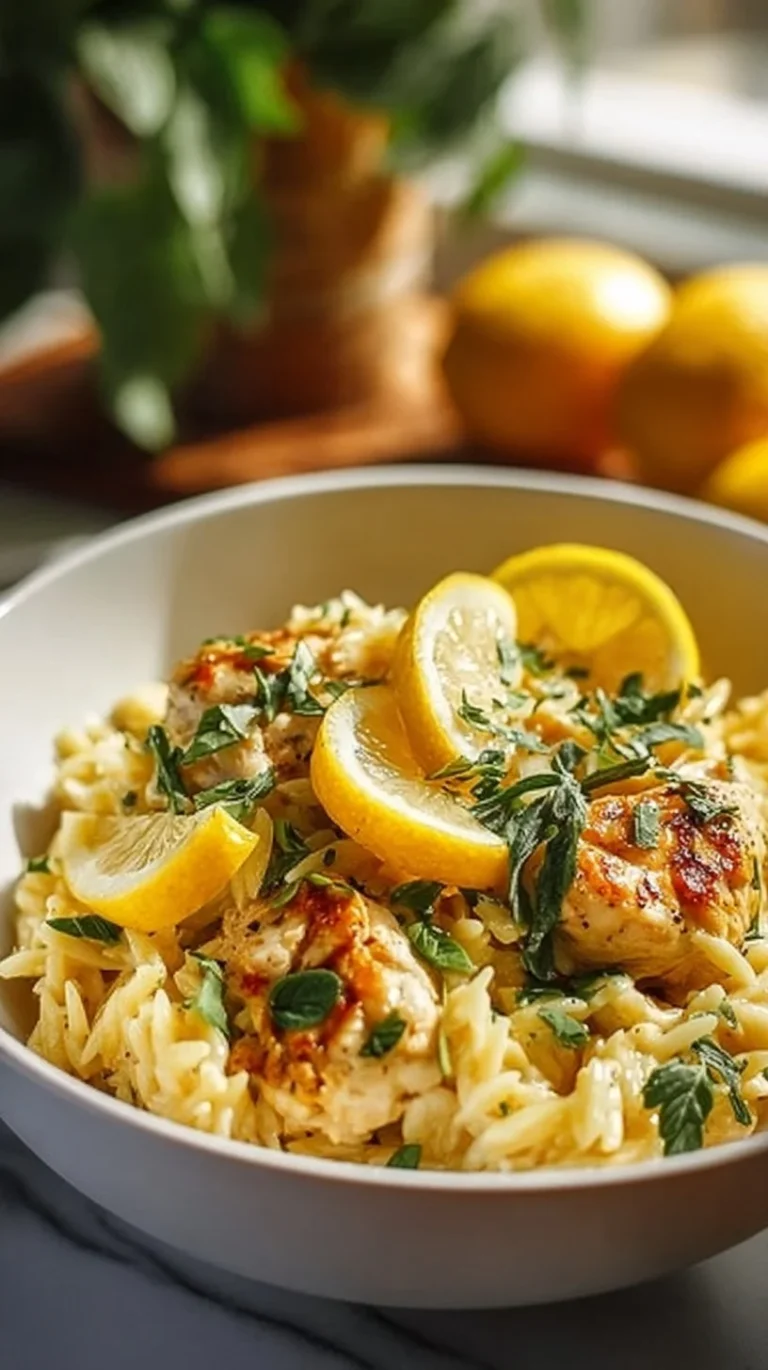
Garlic Butter Chicken and Salmon
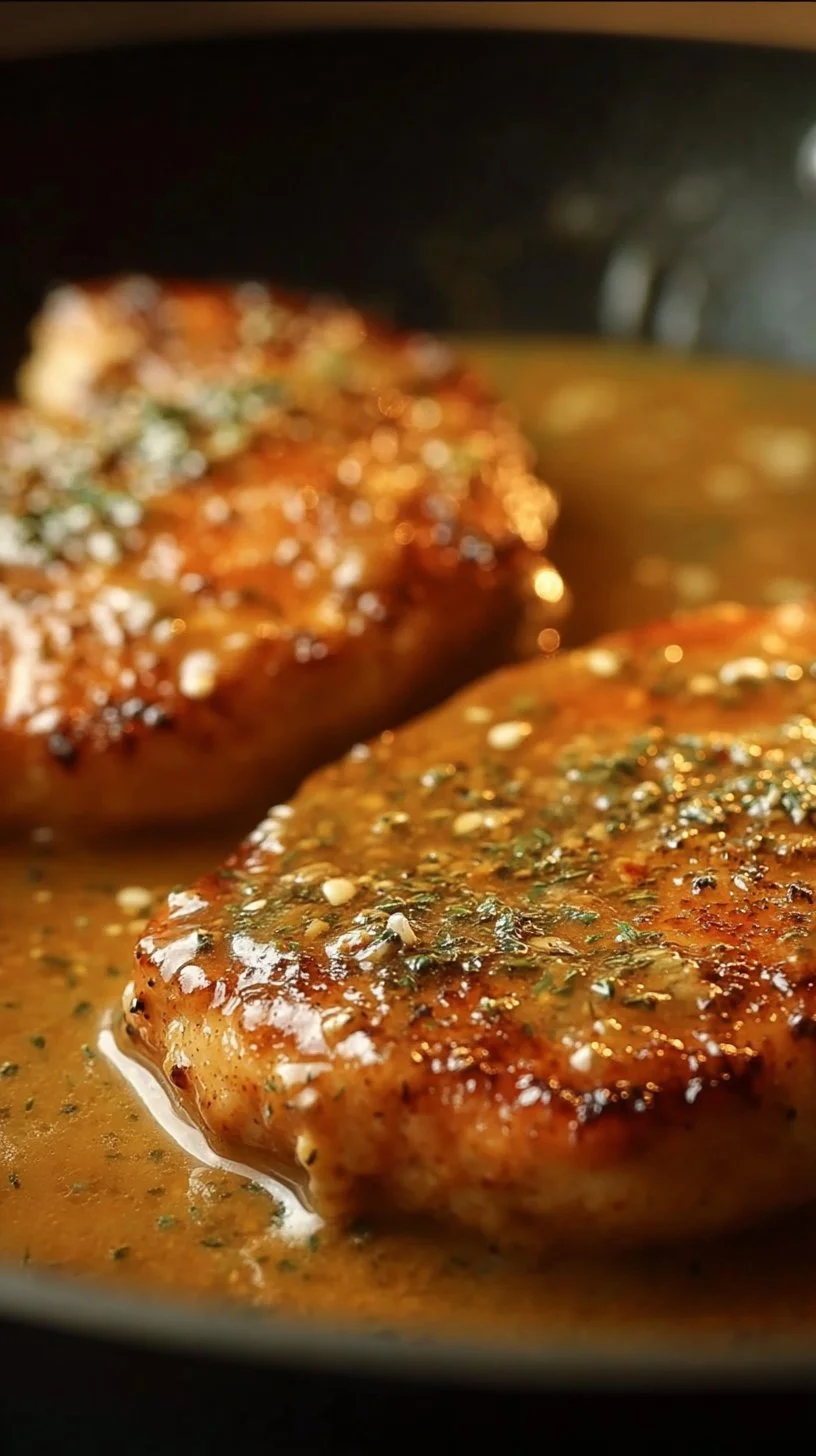
Introduction
As a nutrition specialist, I approach recipes as opportunities to support digestion, balance macronutrients, and boost nutrient density in everyday life. Garlic Butter Chicken and Salmon is an approachable dish that combines lean poultry and oily fish with a simple butter-and-garlic pan sauce. That pairing provides high-quality protein, essential fats, and flavors that encourage appetite and satisfaction—important for consistent, healthful eating over time. If you enjoy the comforting notes of garlic and butter in family meals, you might also appreciate adaptations in other recipes like the dreamy garlic butter chicken and bowtie pasta, which uses similar flavors in a pasta-forward format.
In this article I’ll walk through how this recipe supports long-term wellness, outline the nutrients in each main ingredient, explain how the cooking method affects health, and offer practical, evidence-based ways to tweak the meal without changing the original recipe steps or measurements. My goal is to keep guidance calm, useful, and grounded in simple science so you can cook confidently and nourish yourself sustainably.
How this recipe supports overall wellness
This dish brings together two complementary protein sources: chicken breast and salmon fillets. Chicken breast is a lean source of complete protein ideal for muscle maintenance and satiety, while salmon contributes protein plus long-chain omega-3 fatty acids (EPA and DHA) which support heart and brain health. Butter and garlic provide fat-soluble flavor and bioactive compounds—garlic contains allicin and other sulfur compounds associated with modest antioxidant and digestive benefits; butter supplies fat that helps absorb fat-soluble vitamins and increases meal satisfaction.
From a digestion perspective, the combination of protein and fat slows gastric emptying and can help control blood sugar fluctuations post-meal, which supports stable energy and appetite. The lemon slices offered for serving introduce a small amount of acid that can aid flavor perception and digestive comfort. Fresh parsley adds a touch of micronutrients like vitamin K and provides a fresh aromatic that can stimulate saliva and digestive enzymes.
Balancing this plate matters for long-term wellness: by pairing a lean white meat with fatty fish and including small acidic and herbaceous elements, you get a mix of macronutrients and micronutrients that support muscle, brain, and cardiovascular health while promoting enjoyable eating. For more inspiration on balancing rich sauces with lean proteins, consider how similar dishes mix indulgence with nutrition, such as this garlic butter steak with parmesan cream sauce adaptation that balances richness with portion and side choices.
How to make Garlic Butter Chicken and Salmon
This section restates the original recipe steps so you can follow them precisely. I will not change measurements or instructions.
Ingredients :
4 chicken breasts, 4 salmon fillets, 1/2 cup butter, 4 cloves garlic, minced, Salt to taste, Black pepper to taste, Lemon slices (for serving), Fresh parsley (for garnish)
Directions :
- In a large skillet, melt the butter over medium heat., 2. Add minced garlic and cook until fragrant, about 1 minute., 3. Season chicken breasts with salt and pepper. Place them in the skillet and cook for about 5-7 minutes on each side until fully cooked., 4. Remove chicken and set aside., 5. In the same skillet, add salmon fillets. Season with salt and pepper, and cook for about 4-5 minutes on each side or until cooked through., 6. Serve chicken and salmon with lemon slices and garnish with fresh parsley.
Note: I’ve kept the ingredient list and directions intact—exactly as provided—so you can execute the recipe exactly as intended.
Nutrient roles of each main ingredient
- Chicken breasts: Primarily a source of high-quality, lean protein and B vitamins (notably niacin and B6) that support energy metabolism and tissue repair. Protein helps preserve muscle mass and contributes to prolonged satiety.
- Salmon fillets: Provide protein plus significant amounts of omega-3 fatty acids (EPA and DHA) which are linked with cardiovascular and cognitive benefits when consumed regularly. Salmon also supplies vitamin D and selenium, both important for immune and bone health.
- Butter (1/2 cup): Concentrated dairy fat that is a source of saturated fat, fat-soluble vitamins (A, D, E, K in small amounts), and flavor. When used in moderation across meals, butter can improve palatability and help absorb fat-soluble nutrients; portion control across the day keeps saturated fat intake within recommended limits.
- Garlic (4 cloves, minced): Low-calorie flavoring with compounds that may have mild antioxidant and antibacterial effects. Garlic can enhance digestion by promoting chewing and saliva, and it contributes taste with negligible calories.
- Salt & black pepper: Essential for seasoning. Moderate salt supports taste and can improve appetite in older adults; overall intake should stay within recommended ranges for cardiovascular health.
- Lemon slices: Add vitamin C and acidity that brighten flavor and can support iron absorption from plant-based foods in the overall diet.
- Fresh parsley: A small but useful source of micronutrients such as vitamin K, vitamin C, and antioxidants; adds freshness and a digestive stimulant through aroma.
The preparation method & its health impact
Pan-searing in butter is a classic method that builds flavor through browning (Maillard reactions) and caramelization. These reactions increase palatability without adding sugar. From a health standpoint, cooking protein at moderate temperatures for the recommended times avoids excessive charring and preserves nutrient quality. Cooking salmon for 4–5 minutes per side and chicken for 5–7 minutes per side (depending on thickness) ensures food safety while limiting overcooking which can reduce some heat-sensitive nutrients.
Using the same skillet for both proteins is efficient and can concentrate flavor; resting the chicken before cooking the salmon reduces cross-contamination risk within the skillet. Because butter is a saturated fat source, consider portioning this meal into a balanced plate with vegetables and whole grains across the day to keep overall saturated fat intake moderate. The garlic is added early to infuse the butter; avoid burning garlic (it turns bitter) by cooking just until fragrant—about one minute—as directed.
For people managing fat intake, swapping part of the butter for a neutral oil with more unsaturated fats in other meals can help maintain a favorable overall dietary pattern. If you’re frequently cooking with saturated fats, balance with sources of unsaturated fats like olive oil, nuts, seeds, and fatty fish.
Ways to lighten, enrich or modify the dish nutritionally
Without changing the ingredient list or directions, you can modify what you serve alongside the main components to shift the meal’s nutrition profile:
- Lighten: Serve smaller portions of butter-heavy sides and double the vegetables—steamed broccoli, roasted Brussels sprouts, or a crisp green salad add fiber, vitamins, and volume for fewer calories. Choose a whole grain like quinoa or farro in modest portions to provide slow-release carbohydrates and additional fiber.
- Enrich: Add a warm lentil or chickpea salad on the side to increase fiber and plant-based protein for better blood sugar control and satiety. A drizzle of extra-virgin olive oil over steamed greens adds monounsaturated fat and antioxidants.
- Modify for heart health: Emphasize the salmon portion and pair it with more non-starchy vegetables and a small serving of whole grains. If concerned about saturated fat, consider using a slightly smaller amount of butter in other recipes throughout the day to keep total saturated fat within recommended limits.
- Flavor-forward swaps (external to recipe steps): Brighten with extra lemon juice or a sprinkle of fresh herbs to reduce the perceived need for extra salt, supporting lower-sodium choices without sacrificing taste.
For practical examples of shifting similar recipes toward lighter or richer outcomes, you may explore how complementary dishes balance sauce and sides like in parmesan-crusted chicken with creamy garlic sauce, noting how side choices influence overall nutrient balance.
Pairing ideas for a balanced, complete meal
A balanced plate pairs protein with fiber-rich vegetables and an appropriate portion of complex carbohydrates. Suggested pairings:
- Vegetables: Roasted asparagus, sautéed spinach with lemon, or a mixed green salad with a light vinaigrette. These add fiber, folate, and potassium that support digestion and cardiovascular health.
- Carbohydrate: A modest scoop of brown rice, quinoa, or a small baked sweet potato supplies sustained energy and additional fiber. Portion according to your activity level—larger portions for active days.
- Healthy fats: You already have fat from butter and salmon; if you want more unsaturated fats, add a simple side of olive-oil–dressed chickpeas or a small handful of toasted nuts on a salad.
- Beverage: Water with lemon or unsweetened herbal tea supports hydration and digestion without adding calories.
These pairings help turn a flavorful protein duo into a meal that supports blood sugar stability, gut health, and nutrient adequacy across the day.
Safe storage, food safety & optimal reheating
- Cooling: Cool leftovers within two hours of cooking. Transfer to shallow containers to speed cooling and refrigerate at or below 40°F (4°C).
- Storage time: Use refrigerated leftovers within 3–4 days. If you plan to keep food longer, freeze portions for up to 2–3 months for best quality.
- Reheating: Reheat gently to avoid overcooking. For chicken and salmon, warm in a moderate oven (about 275–300°F / 135–150°C) until heated through, or use a skillet on low heat, adding a splash of water or a little butter to restore moisture. Avoid high heat that can dry proteins or create tough textures.
- Food safety tips: Use separate utensils and cutting boards for raw poultry/seafood versus ready-to-eat foods while preparing. Ensure chicken reaches an internal temperature of 165°F (74°C) and salmon is cooked to your preferred doneness—salmon is safe at lower internal temperatures for some preparations, but the recipe’s cooking time should deliver a firm, opaque fillet.
Common nutrition questions about this dish
- Is it okay to eat chicken and salmon in the same meal? Yes. Combining different protein sources can diversify nutrient intake—salmon adds essential omega-3s while chicken provides lean protein—supporting a more varied nutrient profile.
- Is butter unhealthy here? Butter adds saturated fat and contributes flavor; used occasionally and in modest portions within an overall balanced diet, it can be part of a healthy eating pattern. Balance saturated fat intake across the day with plant-based unsaturated fats.
- Will this be heavy on digestion? The meal contains protein and fat, which slow digestion. For most people this translates to sustained fullness; if you have a sensitive digestive system, pair the dish with easily digestible sides like steamed vegetables and avoid large portions.
- How often should I eat salmon? Current evidence-based guidance supports consuming fatty fish like salmon at least twice a week to obtain omega-3 benefits, but individual needs vary based on overall diet, health status, and preferences.
Final wellness notes
This Garlic Butter Chicken and Salmon recipe is a practical, nutrient-dense choice when paired with fiber-rich vegetables and appropriate portions of whole grains. The combination of lean and fatty proteins supports muscle, heart, and brain health while delivering satisfying flavors that make consistent, healthy eating easier to maintain. Small, simple habits—like adding a lemon squeeze, prioritizing vegetables, and storing leftovers safely—help the dish fit into a sustainable approach to nutrition. Enjoy the meal mindfully, paying attention to hunger and fullness cues, and make side choices that support your longer-term health goals.
Conclusion
For more recipe ideas that layer garlic and butter with different flavor profiles, explore this coconut-curry variation that pairs garlic butter with a warm, spiced sauce at Coconut Curry Salmon with Garlic Butter. – Half Baked Harvest. If you’re interested in other simple garlic-butter salmon preparations, this straightforward version offers useful technique and presentation tips: Garlic Butter Salmon | Don’t Go Bacon My Heart. For a creative take blending butter and bold spices, see this butter tandoori-style salmon masala for inspiration on seasoning and pairing: Butter Tandoori-Style Salmon Masala – Simon Majumdar.
Garlic Butter Chicken and Salmon
Ingredients
Method
- In a large skillet, melt the butter over medium heat.
- Add minced garlic and cook until fragrant, about 1 minute.
- Season chicken breasts with salt and pepper. Place them in the skillet and cook for about 5-7 minutes on each side until fully cooked.
- Remove chicken and set aside.
- In the same skillet, add salmon fillets. Season with salt and pepper, and cook for about 4-5 minutes on each side or until cooked through.
- Serve chicken and salmon with lemon slices and garnish with fresh parsley.