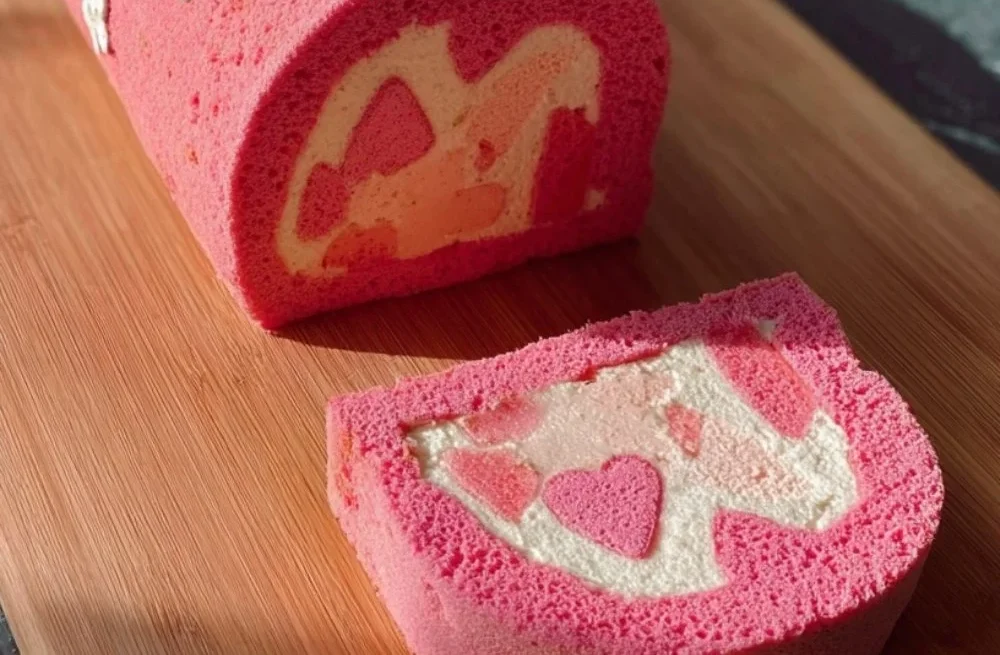
Heart-Shaped Swiss Roll
Introduction
As a nutrition specialist, I approach every recipe through a practical lens: how it contributes to digestion, provides balance across macronutrients, and fits into long-term healthy eating patterns. The Heart-Shaped Swiss Roll is a classic example of a light, celebratory dessert that can be enjoyed mindfully. Its sponge cake base and whipped cream filling make it relatively low in added fat compared with layered butter-rich cakes, while still offering a satisfying texture and flavor experience. For bakers interested in technique, a useful comparison is the light, spongy cake roll technique used in related roll cakes, which highlights how gentle mixing and quick baking support a tender crumb and easier rolling.
In this article I’ll walk you through how this recipe supports wellness, explain the nutritional roles of the main ingredients in simple terms, and offer evidence-based, practical suggestions to make eating this dessert part of a balanced lifestyle. My aim is to provide trustworthy guidance you can apply in the kitchen and at the table — focusing on digestion, nutrient density, and sustainable habits rather than quick fixes or extreme claims.
How this recipe supports overall wellness
A Heart-Shaped Swiss Roll can be a nutritious part of an overall balanced diet when consumed in sensible portions. The sponge itself relies heavily on eggs for structure and protein, and the whipped cream provides richness and satiety. Because the cake is thin and rolled rather than layered thickly with frosting, it delivers a pleasing dessert experience with relatively modest caloric density per serving compared with some multi-layer cakes.
From a digestion perspective, this dessert is easy on the stomach for many people: the sponge is airy and the ingredients are generally simple — eggs, flour, a small amount of sugar — which can be easier to digest than dense, high-fat pastries. Pairing a slice with a source of fiber (like fresh berries or a small side of fruit) can help moderate the blood sugar response from the sugar in the cake and support comfortable digestion. If you’re exploring ways to balance sweets with overall meal patterns, reviewing recipes that integrate fiber and protein can be helpful; similar concepts are discussed in our practical baking ideas such as the balance with fiber and protein ideas found in other roll-based desserts.
Importantly, enjoying occasional treats contributes to sustainable eating behaviors. Rather than labeling foods as “good” or “bad,” focusing on variety, portion control, and mindful eating helps you maintain long-term adherence to healthy patterns while still savoring favorites like a heart-shaped Swiss roll.
How to make Heart-Shaped Swiss Roll
Below are the ingredients and step-by-step directions exactly as written in the original recipe. Keep these measurements and steps as a reliable base; later sections will explain practical tips and health-oriented considerations that do not alter the provided recipe.
Ingredients :
4 large eggs, 100g granulated sugar, 100g all-purpose flour, 1/2 teaspoon baking powder, 1/4 teaspoon salt, 1 teaspoon vanilla extract, 200ml heavy cream, 2 tablespoons powdered sugar, Food coloring (optional), Jam or fruit filling (optional)
Directions :
- Preheat the oven to 180°C (350°F) and line a baking sheet with parchment paper., 2. In a mixing bowl, whisk eggs and granulated sugar until pale and fluffy., 3. Sift the flour, baking powder, and salt together, then gently fold into the egg mixture., 4. Add vanilla extract and mix until smooth., 5. Pour the batter onto the prepared baking sheet and spread it evenly., 6. Bake for 10-12 minutes until golden and springy to the touch., 7. Once baked, cool the cake on a wire rack., 8. In another bowl, whip heavy cream with powdered sugar until soft peaks form., 9. Optionally, mix in food coloring for a colorful filling., 10. Once the cake is cool, spread the whipped cream and jam (if using) onto the cake., 11. Carefully roll the cake from one end to another to form a log., 12. Trim the ends to give a clean finish, and shape the log into a heart., 13. Chill the rolled cake for 30 minutes before slicing and serving. Enjoy your Heart-Shaped Swiss Roll!
After following these steps exactly, you’ll have a classic roll with a delicate crumb and creamy filling. A few practical execution notes that don’t change the recipe: work quickly after baking to avoid cooling cracks, and use a clean towel dusted with powdered sugar or a strip of parchment to roll the warm cake first and set the shape before unrolling to fill. These handling tips support a better-textured result and reduce waste.
Nutrient roles of each main ingredient
Understanding what each ingredient contributes can make it easier to make balanced choices and to appreciate the physiological effects when you eat this dessert.
- Eggs: Eggs are a high-quality source of protein and essential amino acids. In the sponge, they provide structure and moisture. Protein helps with satiety, which can reduce the impulse to overeat after the dessert.
- Granulated sugar: Sugar provides quick energy and the characteristic sweetness. While sugar has little micronutrient value, small amounts can enhance palatability and satisfaction. Pairing this dessert with fiber or protein as part of a meal can slow glucose absorption and support stable energy.
- All-purpose flour: Flour supplies carbohydrate and some B vitamins and iron (often enriched). It’s the structural backbone of the cake. For people sensitive to gluten, an appropriate alternative would be needed, but this recipe as written uses all-purpose flour.
- Baking powder & salt: Baking powder leavens the sponge for a light texture, which reduces the need for heavy creams. Salt enhances flavor, helping to balance sweetness so you can often use a bit less sugar and still feel satisfied.
- Vanilla extract: Pure vanilla adds aroma and depth with negligible calories, increasing sensory satisfaction.
- Heavy cream & powdered sugar: Heavy cream is primarily fat, which contributes to mouthfeel and satiety. The powdered sugar sweetens the cream; combined, they create a filling that’s energy-dense but used in a moderate amount across the whole roll.
- Jam or fruit filling: If you use jam, it adds concentrated fruit flavor and extra sugar. Fresh fruit as an alternative (note: ingredient list is fixed above) provides fiber, water, and micronutrients that aid digestion and nutrient balance.
These roles show why a small portion can feel indulgent yet manageable: protein from eggs, carbohydrate from flour and sugar, and fat from cream create a balanced sensory profile. When planning the rest of the meal or a day’s intake, consider this distribution so you can meet appetite and nutritional goals without overcompensating later.
The preparation method & its health impact
The method used to prepare a recipe affects both its sensory qualities and its nutritional impact. For this Swiss roll, the key health-related aspects of preparation include:
- Whisking eggs and sugar until pale and fluffy: This incorporates air, producing a light sponge that feels satisfying without needing large amounts of fat. Less fat can make a dessert easier to digest for some individuals and lower in calorie density overall.
- Gentle folding of dry ingredients: Overworking flour develops gluten, which would make the cake tougher. A tender crumb improves palatability, meaning you’re more likely to be satisfied with smaller portions.
- Quick baking and gentle handling: Shorter bake times reduce exposure of sugar and proteins to prolonged heat; while not a significant nutritional factor in a home kitchen, gentle cooking preserves texture and keeps the cake pleasant to eat, encouraging mindful portions.
- Whipping cream to soft peaks: Air in whipped cream increases volume and creates the sense of abundance without increasing the amount of fat used. This is a practical trick for reducing caloric density per bite.
- Chilling before slicing: Firming the roll makes it easier to slice neatly, reducing the temptation to over-serve or to discard messy slices.
These technique choices are consistent with creating a dessert that is enjoyable, portion-friendly, and relatively light in mouthfeel — important practical elements for long-term adherence to balanced eating.
Ways to lighten, enrich or modify the dish nutritionally
While you should not alter the ingredients or directions in the original recipe text above, here are evidence-informed strategies you can apply in practice when planning portions or complementary components:
- Portion control: Slice the roll into thinner slices to reduce per-serving calories without changing the recipe. Presentation as small heart-shaped pieces enhances perceived value even with less quantity.
- Add fiber at the table: Serve each slice with a side of fresh berries, sliced kiwi, or a citrus compote to add water, fiber, vitamins, and phytonutrients that support digestion and slow carbohydrate absorption from the cake.
- Protein accompaniment: Offer a small serving of Greek yogurt or a handful of nuts on the side if you want extra protein and sustained satiety after dessert.
- Flavor over sweetness: Enhance flavor perception by using high-quality vanilla or a small smear of intensely flavored jam; strong flavor can make a smaller amount feel more satisfying.
- Swap ideas for inspiration (without changing the written recipe): If you enjoy heart-shaped baked goods, consider exploring other techniques and portion strategies for treats in a healthier pattern — for example, see creative variations like the alternative heart-shaped dessert inspiration to inform presentation and serving ideas.
These modifications are practical ways to enjoy the Swiss roll while supporting nutrient density and digestive comfort.
Pairing ideas for a balanced, complete meal
Pairing a dessert with complementary components can transform a treat into a balanced finish to a meal. Consider these ideas to round out a meal that includes a slice of Heart-Shaped Swiss Roll:
- After a protein-rich main: If your main dish is lean protein and vegetables, a small dessert portion provides satisfaction without disrupting the meal’s balance. For inspiration on balancing sweets with baked goods contexts, the recipe ideas for combining sweets and fiber can spark pairing choices.
- Fruit-forward sides: Fresh fruit supports digestion and provides vitamins. A plate with two to three types of fresh berries alongside a thin slice of roll offers variety and fiber.
- Beverage pairing: Choose unsweetened tea or coffee, or a glass of water with lemon. These help cleanse the palate and reduce the impulse to add extra sugary accompaniments.
- Mindful serving: Use smaller plates and take time to savor each bite; this simple behavioral strategy often reduces the total amount you consume while increasing perceived satisfaction.
- For special occasions: If serving several desserts, offer sampler-sized portions so guests can taste multiple items while keeping total intake reasonable — a strategy often used in dessert tastings and buffets.
Using these pairing strategies helps the Swiss roll be part of a nourishing meal pattern rather than a standalone overindulgence.
Safe storage, food safety & optimal reheating
Proper storage preserves quality and food safety:
- Refrigeration: Because the filling contains heavy cream, store the whole roll or individual slices in the refrigerator. Wrapped tightly in plastic wrap or in an airtight container, the roll will keep at peak quality for 2–3 days.
- Freezing: You can freeze the uncut roll wrapped well in plastic and foil for up to a month. Thaw overnight in the refrigerator to maintain texture. Note: freezing may slightly alter whipped cream texture.
- Reheating: This type of roll is typically served chilled or at room temperature. Gentle warming is not necessary and may cause the whipped cream to lose structure. If you prefer a warmer mouthfeel, serve at room temperature by removing from the fridge 15–20 minutes before serving.
- Food safety: Because the filling includes dairy, do not leave slices at room temperature for more than two hours (one hour if ambient temperature is above 32°C / 90°F). These common-sense safeguards prevent spoilage and protect gut comfort.
Common nutrition questions about this dish
Q: Is this dessert suitable for people trying to lose weight?
A: It can fit into a weight-loss plan when consumed in moderate portions and integrated into an overall reduced-calorie, nutrient-dense eating pattern. Focus on portion size, frequency, and making room for adequate protein and vegetables in other meals.
Q: How can I make it friendlier for digestion?
A: Serve smaller portions, pair with fiber-rich fruit, and avoid overconsumption of high-fat sides that may slow gastric emptying. People with lactose intolerance should be cautious with the whipped cream or use lactose-free alternatives.
Q: What about blood sugar effects?
A: Combining the dessert with protein or fiber can reduce the speed of sugar absorption. Eating slowly and pairing with non-starchy vegetables earlier in the meal helps moderate post-meal glucose response.
Q: Is the sugar necessary?
A: The sugar is part of the structure and taste in this recipe. If you require a lower-sugar approach for medical reasons, consult a dietitian for individualized strategies rather than altering a standardized recipe without guidance.
Final wellness notes
Enjoyment of food is a fundamental part of well-being. The Heart-Shaped Swiss Roll demonstrates that you can have a visually appealing, satisfying dessert that fits into balanced eating when portioned thoughtfully and paired with fiber and protein as needed. The preparation techniques used in this recipe — light whisking, gentle folding, and moderate filling — support a tender texture and pleasant digestion. Remember that consistent habits matter more than occasional indulgences; savoring a slice with attention, good company, and balanced meal planning supports long-term wellness.
Conclusion
For practical inspiration and variations on heart-shaped and roll-style cakes, these resources provide helpful visual guides and technique notes: Strawberry Roll Cake (Valentine’s Heart Pattern!) from Tara Teaspoon, Heart-shaped Roll Cake by Loving Creations for You, “Love is All Around” Cake Roll on Cleobuttera, Strawberry Cake Roll at Love and Olive Oil, and for a lighthearted take on classic packaged roll imagery, Swiss Cake Rolls Retro Shirt from Little Debbie®. These sites can help you visualize variations and presentation ideas while you apply the balanced, digestion-friendly strategies discussed above.
Heart-Shaped Swiss Roll
Ingredients
Method
- Preheat the oven to 180°C (350°F) and line a baking sheet with parchment paper.
- In a mixing bowl, whisk eggs and granulated sugar until pale and fluffy.
- Sift the flour, baking powder, and salt together, then gently fold into the egg mixture.
- Add vanilla extract and mix until smooth.
- Pour the batter onto the prepared baking sheet and spread it evenly.
- Bake for 10-12 minutes until golden and springy to the touch.
- Once baked, cool the cake on a wire rack.
- In another bowl, whip heavy cream with powdered sugar until soft peaks form.
- Optionally, mix in food coloring for a colorful filling.
- Once the cake is cool, spread the whipped cream and jam (if using) onto the cake.
- Carefully roll the cake from one end to another to form a log.
- Trim the ends to give a clean finish, and shape the log into a heart.
- Chill the rolled cake for 30 minutes before slicing and serving.