Celebration Marble Cupcakes
Introduction
There are places that taste like memory before they taste like food. I remember Sofia—sunlight through plane trees, the hum of a city that has learned to keep its stories soft—the way a stray gust from a bakery on Vitosha Boulevard lifted the scent of warm butter and cocoa into the air. It arrived like a small apology for distance: the smell of sugar and vanilla, threaded with the darker warmth of chocolate. A marble cupcake, a tiny globe of two batters braided together, sat in my hands and felt like a map. Each bite was a fold of home and travel, a layering of culture that is both private and wildly public.
In that moment the cupcake became more than a confection. It was a celebration in miniature—a pastry that had traveled through kitchens, across borders, through generations of hands that knew how to coax flour into comfort. “SOFIA” for me became a bookmark: a city, a woman’s name, and the tender hush of a café where strangers shared pastry and language. There is something about marbling—of light and dark, of sweet and restrained—that speaks to how places reconcile differences. The Celebration Marble Cupcake is that reconciliation, domesticated and festive, cheerful as confetti yet grounded as a grandmother’s rolling pin.
The origin story & regional influence behind this dish
Marbled cakes carry an ancestry that is both humble and European. In Germany, the Marmorkuchen—marble cake—appeared as an expression of domestic elegance in the 19th century, where bakers would swirl chocolate into vanilla batter, creating a visual echo of geological strata. The technique is simple, but its visual theater made it a popular presence at afternoon tea and Sunday coffee, a way for families to mark small victories and ordinary Sundays alike.
As European bakers migrated, this aesthetic migrated with them. In the Americas, the cake contracted into cupcakes—portable, neat, and perfectly suited to the culture of celebration that prizes individual portions: birthdays, school parties, and picnic tables beneath the trees. In Southern Europe and Latin cultures, marbling often swam alongside dense creams, citrus notes, or nutty pastes; in East Asia, the same idea took on pastel hues or matcha swirls, more delicate temperaments of flavor.
The Celebration Marble Cupcake is therefore a tapestry of regional influences: German structural memory, American conviviality, and a global palette of flavor innovations. It’s less a fixed recipe than a motif: a way to say, today we mark something, and we will mark it with taste and an eye for beauty.
How to make Celebration Marble Cupcakes
Before you begin, imagine the kitchen as a small stage. The act of separating batters, of watching chocolate sink and braid into vanilla, is a kind of choreography that has been passed down in countless homes. There is no grand technology required—only attention, gentle hands, and the ritual rhythm of measuring and mixing. Below are the directions that carry that rhythm precisely.
Ingredients :
1 1/2 cups all-purpose flour, 1 1/2 teaspoons baking powder, 1/2 teaspoon salt, 1/2 cup unsalted butter, softened, 1 cup granulated sugar, 2 large eggs, 1 teaspoon vanilla extract, 1/2 cup milk, 1/4 cup cocoa powder, Food coloring (optional)
Directions :
- Preheat the oven to 350°F (175°C) and line a cupcake pan with liners., 2. In a bowl, whisk together flour, baking powder, and salt., 3. In another bowl, cream the butter and sugar until light and fluffy., 4. Add eggs one at a time, then stir in the vanilla., 5. Alternate adding the dry ingredients and milk until just combined., 6. Divide the batter in half; mix cocoa powder into one half., 7. For thick marbling, layer spoonfuls of both batters into each cupcake liner., 8. Optionally, add food coloring to either batter for extra color., 9. Use a toothpick to swirl the batters together slightly., 10. Bake for 18-20 minutes or until a toothpick comes out clean., 11. Let cool before serving.
Those steps read like a simple ritual, and they are. In many households, the act of making marbled batter is accompanied by conversation—about grandchildren, about the weather, about the one time the oven ran too hot. Baking becomes a communal language.
Ingredients through a cultural & historical lens
Each ingredient in this little list carries a quiet biography. Flour is the most democratic of the lot: wheat grasses kneaded and sun-dried, a staple that travels with human settlement. Butter and sugar speak of pastoral wealth and the democratization of sweetness—sugar once rare, now commonplace enough to power childhood. Eggs have always been tokens of potential and renewal; their presence in cake ties dessert to celebrations of life.
Cocoa powder is the storyteller’s twist. Introduced from the New World, cocoa’s journey into European kitchens altered flavor palettes and inspired new forms—marbling being among them. A quarter cup of cocoa is a small colonial footprint in the batter, a dark whisper of the wider world. Milk is the binder of domestic comforts; vanilla, the aromatic shorthand for hospitality. Even food coloring, optional though it is, is part of a contemporary palette—an echo of modern festivity and an invitation to color celebrations with a cup of confidence.
Seen this way, the ingredients map histories of trade, migration, and technological change: industrial milling of flour, the globalization of sugar, the diffusion of cocoa, and the modern availability of refined powders. A simple cupcake is therefore a document of connectedness.
Cooking the dish: sensory notes & traditional techniques
The act of making marbled cupcakes is less about the mechanics and more about the senses. When you cream butter and sugar, listen for a soft aeration—an almost inaudible sigh—as grain and fat become one. The batter should smell like home: warm butter, pale vanilla. When cocoa is folded in, it perfumes the air with a deeper, slightly bitter sweetness, balancing the vanilla’s floral lift.
Visually, marbling is a study in contrast. Spoonfuls of light batter against dark; a toothpick dragged through them becomes a painter’s gesture. There is an old technique that my grandmother taught me—never over-swirl. Less is more: too much movement collapses the layers into a uniform brown, and with that goes the surprise that, when cut, reveals the internal chiaroscuro.
Some traditions call for an extra measure of butter to make the crumb denser and more tender; others fold in a touch of sour cream for moisture. In many Eastern European homes, a simple glaze of powdered sugar and lemon juice is brushed on top, making the cakes bright and a little tart—perfect against the cocoa’s richness. Traditions differ, but all share an aim: to make a small thing that delights and travels easily from hand to mouth.
How different regions prepare their version
In Germany, the Marmorkuchen often appears as a loaf rather than individual cupcakes—its marbled interior displayed when sliced, a communal gesture to be shared at the family table. In the United States, cupcakes became the handheld alternative: practical for birthday parties, where each child receives a personal celebration.
In Japan, marbling sometimes becomes more languid: pastel colors or matcha swirls, a quieter composition that pairs with green tea rituals. In parts of Latin America, chocolate may share stage with cinnamon or dulce de leche, giving the marbling a denser, more caramelly note. In North African adaptations, one might find orange blossom water tucked into the vanilla batter, an aromatic twist that evokes marketplaces and sunlit terraces.
Across regions, the essential gesture remains: two batters meeting, never completely mixed—contrast as metaphor. Each version reflects local tastes, available ingredients, and the communal contexts in which they are eaten.
Traditional ways this dish is shared or served
Celebration Marble Cupcakes are, as the name suggests, built for gatherings. In homes across continents they appear on children’s birthday tables with sprinkles, at church fundraisers stacked on paper doilies, at impromptu office celebrations where colleagues exchange bites and anecdotes. There is a generosity to the format: cupcakes are portioned, egalitarian, and easily passed hand to hand.
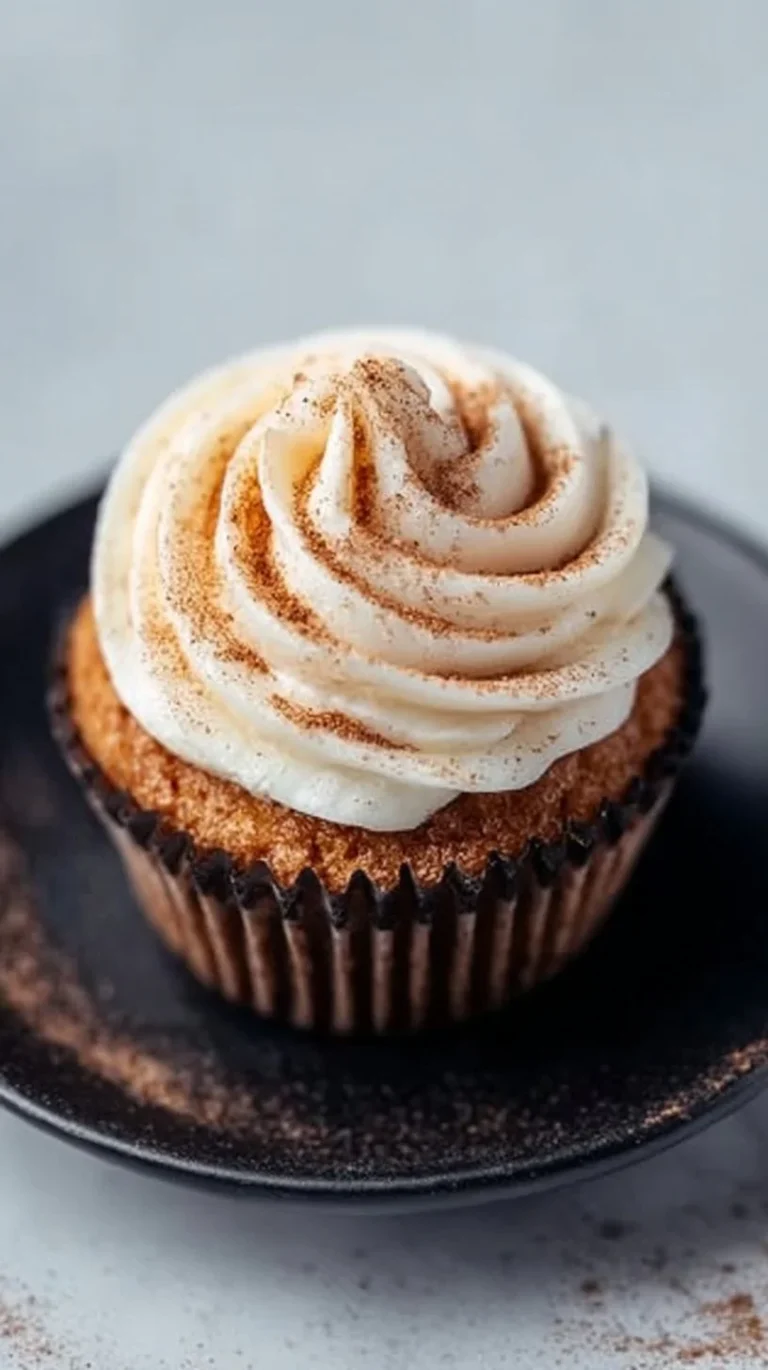
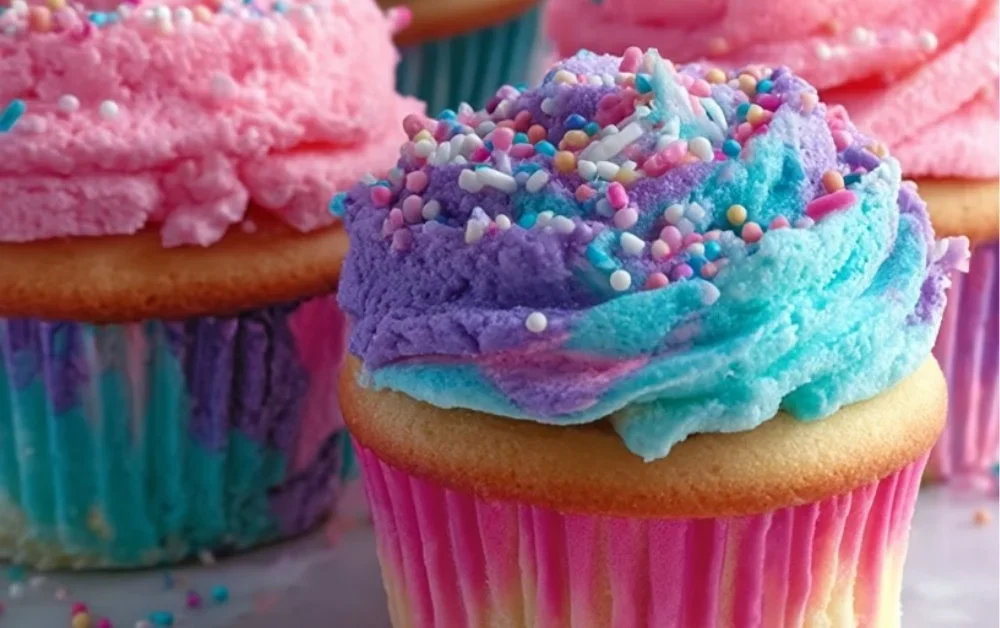
Traditionally, they are served with simple adornments—a dusting of powdered sugar, a thin glaze, or no decoration at all—because the marbling itself is decoration. In some communities, a buttercream swirl crowns each cupcake, signaling a more modern, decorative habit. In others, a compact frosting is squeezed like a small peak, a nod to restraint and longevity: a frosting that will not mask the cake’s character.
They are also a favorite at picnics, where their resilience to travel is prized. The unadorned versions hold up under the sun; the dolled-up versions make a statement at a celebration table. In Sofia’s cafés, I once saw them paired with a strong, cardamom-laced coffee—an unlikely but felicitous marriage.
Storing the dish without losing its cultural essence
Storage is an act of care. To keep the cupcakes true to their cultural essence—intimate, shareable, and flavorful—wrap them loosely to retain moisture without making them soggy. If iced, a shallow box lined with parchment keeps decorations intact; unadorned, they will survive a day on the counter in an airtight container, their texture mellowing into tenderness.
In many cultures, leftovers are repurposed: crumbled into milk for children, folded into trifles for a second life, or softened with a warm spoonful of jam. This practice of reusing is part saving, part reverence: the cake is not merely waste to be avoided but a comfort to be prolonged.
Freezing is practical—place individual cupcakes in a single layer until firm, then stack with parchment between layers. When thawed slowly, they return as small time capsules of the original moment of baking, though perhaps with a softer memory of the crust. The aim is to preserve not just texture but the social possibility they carry—to be shared again, in another time and place.
Cultural questions people often ask
Why marbling? People often ask whether the technique is purely aesthetic. The truth is it is both show and story: the contrast in color becomes contrast in expectation and experience—light and dark, sweet and slightly bitter. It is a small theatrical trick that invites someone to look before they taste.
Is this a children’s cake? Not at all. While it is beloved by children for its playful appearance, adults prize the subtle interplay of flavors. The chocolate lends a seriousness that balances childhood sweetness.
Can the recipe be adapted to local tastes? Certainly. But adaptation comes with responsibility—honoring the original’s spirit while letting it breathe in new air. Add spices if that’s home, a citrus twist if your region takes to citrus, or a local nut meal in place of a portion of the flour if that is a family tradition.
Why cupcakes and not a whole cake? The cupcake is democratic: personal, portable, and polite. In many traditions, portioning dessert is an act of thoughtfulness—a way to make sure everyone receives an equal share of joy.
A closing note on food, memory & travel
Food is a passport that requires no visa; it jumps borders, reconfigures itself, and reintroduces us to what we once thought we knew. A Celebration Marble Cupcake is a small cartography of that movement: it maps trade routes, family migrations, and the quiet evolution of domestic rituals. When I travel, I collect not just recipes but the circumstances in which they are made—who stirs the batter, what songs play in the background, how the chop of conversation punctuates the oven’s hum.
These cupcakes are, in the end, a story that folds many others into one tidy bite: the German loaf sliced at Sunday coffee, the American birthday table, the Sofia café where strangers and locals nod over plates, the hand that learns to swirl with a toothpick and then teaches a child. To bake them is to enter a network of small celebrations, to recognize that ordinary days can be sanctified by the warmth of butter and the swirl of cocoa.
Conclusion
For a contemporary home interpretation, this version captures the joyful, shareable spirit of celebration in a form that travels well and invites creativity; you can see a family-style take on these cupcakes in the hands of home bakers at Celebration Marble Cupcakes – Two Sisters. If you are inspired to explore marbling with brighter palettes and a playful twist, there is a charming tutorial that merges marbling with rainbow hues at Easy Rainbow Cupcakes – Marbled! – Amy in the Kitchen.
Celebration Marble Cupcake
Ingredients
Method
- Preheat the oven to 350°F (175°C) and line a cupcake pan with liners.
- In a bowl, whisk together flour, baking powder, and salt.
- In another bowl, cream the butter and sugar until light and fluffy.
- Add eggs one at a time, then stir in the vanilla.
- Alternate adding the dry ingredients and milk until just combined.
- Divide the batter in half and mix cocoa powder into one half.
- For thick marbling, layer spoonfuls of both batters into each cupcake liner.
- Optionally, add food coloring to either batter for extra color.
- Use a toothpick to swirl the batters together slightly.
- Bake for 18-20 minutes or until a toothpick comes out clean.
- Let cool before serving.