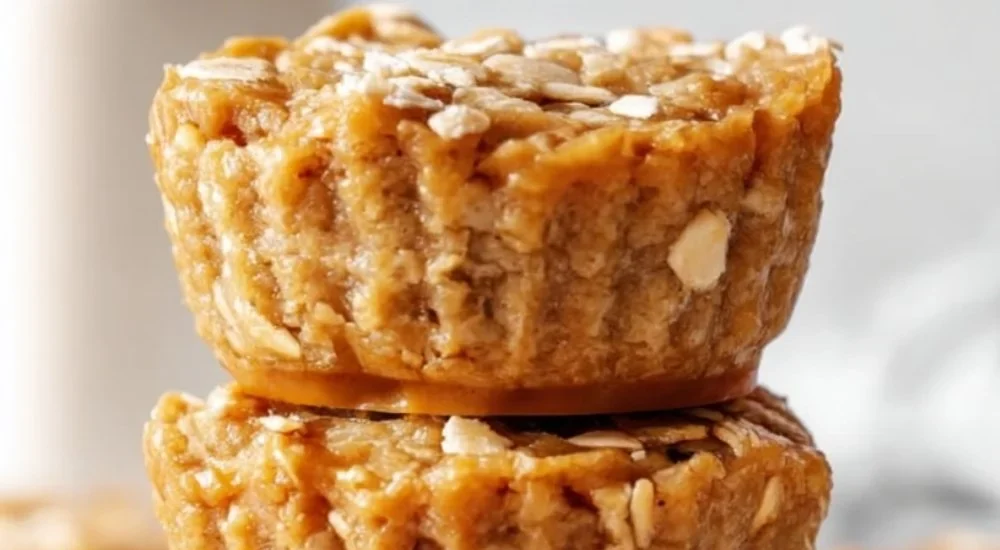
Easy peanut butter Oatmeal cookies easy, Healthy sweets recipes
Introduction
This recipe for easy peanut butter oatmeal cookies distills a classic flavor pairing into a streamlined, technique-forward preparation suitable for home cooks seeking reliable results. The combination of peanut butter and rolled oats delivers both fat-driven mouthfeel and chew — a balance I prioritize when designing simple baked goods that read as elevated despite modest ingredient lists. For those interested in parallel techniques for texture control in other cookie formulas, compare the approach used for chewy, spice-forward doughs like the chewy maple cinnamon cookies technique, which emphasizes hydration and gentle heat to coax chewiness from whole-grain components.
This introduction sets the culinary goals: even bake, sustained chew, clear peanut butter character without oiliness, and warm, lightly caramelized edges. The subsequent sections dissect the logic and technique so you understand why each step matters and how to execute it with professional consistency.
The culinary logic behind this dish
At its core, this cookie leverages three functional elements: peanut butter for concentrated fat and flavor, oats for structure and chew, and a simple chemical lift system for lightness. Peanut butter contributes emulsified fat and inherent saltiness; its viscosity affects spread and final crumb. Rolled oats provide cellulose and gelatinizable starches that retain moisture and slow spread, producing the sought-after toothsome texture. Sugars—both granular and brown—mediate browning via the Maillard reaction and caramelization, balancing sweetness with toasty depth. An egg acts as the primary binder, coagulating during bake to set structure while contributing moisture. Baking soda offers a controlled leavening pulse and helps with surface color and pH-dependent flavor development.
Understanding these roles clarifies technique choices: mixing intensity governs gluten development, temperature controls fat behavior and spread, and timing governs moisture redistribution between crumb and surface. Precision in these areas yields cookies with a defined perimeter crispness and a resilient, chewy interior.
How to make Easy Peanut Butter Oatmeal Cookies
This section outlines the method in professional terms, focusing on why each action is necessary. Follow the ingredient list and directions precisely to achieve consistent texture and flavor.
Ingredients :
- 1 cup natural peanut butter (creamy, no-stir preferred)
- 3/4 cup granulated sugar
- 1/2 cup packed light brown sugar
- 1 large egg
- 1 teaspoon vanilla extract
- 1 teaspoon baking soda
- 1/4 teaspoon fine sea salt (adjust if peanut butter is salted)
- 1 1/2 cups old-fashioned rolled oats
- Optional: 1/2 cup semisweet chocolate chips
Directions :
- Preheat the oven to 350°F (175°C). Line two baking sheets with parchment paper or a silicone mat.
- In a large bowl, combine peanut butter, granulated sugar, and brown sugar. Beat until smooth and homogenous.
- Add the egg and vanilla extract; mix until incorporated and glossy.
- Stir in baking soda and salt until distributed.
- Fold in the rolled oats (and chocolate chips if using) until evenly dispersed; avoid overmixing.
- Portion dough into 1 1/2-tablespoon scoops and space them 2 inches apart on the prepared sheets.
- Flatten each scoop slightly with a fork in a crisscross pattern for even bake and characteristic presentation.
- Bake for 9–11 minutes, rotating pans halfway through, until edges are set and centers appear slightly underbaked.
- Cool on the sheet for 5 minutes, then transfer to a wire rack to finish cooling. Serve at room temperature.
Ingredient analysis through a chef’s lens
Each ingredient serves both a functional and sensory role. Natural peanut butter provides a corpus of oil and protein; choose a brand with minimal additives to preserve pure peanut aroma and avoid off-flavors from hydrogenated oils. Granulated sugar primarily drives spread and crisping at the edges; brown sugar contributes moisture and a subtle molasses note, enriching the interior and promoting a darker, more complex crust. The egg offers emulsion and coagulation; its proteins entrap air and set the crumb. Baking soda functions as a surface-acting leavener and pH modifier, enhancing browning and reducing acidity to reveal nutty flavors. Rolled oats, unlike quick oats, retain structure and provide a pronounced chew and variable mouthfeel. Chocolate chips are optional but introduce temperate contrast and additional fat-sugar interplay during cooling.
Quantities are calibrated: too much peanut butter increases spread and creates an oily mouthfeel; too many oats render the cookie dry and cakey. This balance is why precise measurement and ingredient selection matter.
Kitchen workflow & technique breakdown
A disciplined workflow minimizes temperature fluctuations and ensures repeatability. Preheat the oven first; consistent oven temperature is essential for controlled spread and Maillard development. While the oven comes up, assemble mise en place: measure oats, weigh sugars, and verify the peanut butter is at room temperature. Cold peanut butter will resist emulsification and create streaks; overly warm peanut butter will thin the dough and increase spread.
Mixing sequence matters. Creaming peanut butter with sugars until glossy incorporates air and creates a homogenous base for the egg to disperse into; this improves texture and reduces the risk of large oil pockets. When folding in oats, do so gently and only until incorporated: overmixing activates gluten from any residual wheat contamination and compacts the dough, producing a dense cookie.
Portioning with a scoop creates identical thermal mass for even baking. Space cookies to allow free air circulation. Rotating pans halfway compensates for hot spots in domestic ovens. Allowing a brief rest on the sheet after baking facilitates carryover cooking and final protein coagulation without overbaking.
For more methods on efficient weeknight baking and formula adaptation, consult this collection of easy dinner recipes, which emphasizes timing and workflow applicable across both savory and sweet preparations.
Texture control, heat management & timing
Controlling texture is a function of fat state, hydration, and bake profile. The oven at 350°F creates a gradient: edges hit browning temperatures first, water evaporates from the surface, sugars begin to caramelize, and interior proteins set later. The aim is to arrest the bake when the edges are firm and the center still slightly soft—the center will finish as the cookie rests. Bake time of 9–11 minutes is a range because oven variance and dough temperature affect the outcome.
If you desire more chew, bias the formula toward a slightly higher proportion of oats or reduce bake time by a minute, monitoring center set. For crisper results, thin the dough slightly and bake to a darker brown, but monitor closely to avoid an oily texture, which indicates over-extraction of peanut butter fat. A cooling period on the sheet is crucial: immediate transfer can cause fragile centers to break, while excessive sheet cooling traps steam and softens the underside. Five minutes strikes a practical balance.
Heat management extends to pan choice: a dark sheet will accelerate browning; aluminum with a light finish yields more even color. Use an insulated tray or double pan if your oven runs hot at the base.
For pairing texture techniques applied to quick-turn sweets, review the approach in these quick and easy recipes that apply similar timing discipline.
Professional variations
As a professional, I recommend targeted variations rather than wholesale changes. To intensify peanut aroma without altering texture, fold in 1–2 teaspoons of peanut butter powder rehydrated with a tablespoon of warm water into the dough—this concentrates roasted notes. For a nuttier crunch, toast the oats briefly in a dry pan until they emit a toasted oat aroma and a deeper color; cool before incorporating to avoid accelerating spread.
To transform mouthfeel, replace up to 1/4 cup of rolled oats with steel-cut oat flakes ground coarsely; this increases chew and visual grain. For a gluten-free adaptation, ensure oats are certified gluten-free; the formula otherwise remains intact. If you add chocolate chips, use 60–70% cacao for balance; fold them in at the end to avoid fat transfer.
Avoid increasing leavening beyond the stated quantity; excess baking soda will produce an off-taste and excessive rise with subsequent collapse.
Finishing touches & plating philosophy
Presentation for a simple cookie is about clarity and restraint. Allow cookies to cool fully to room temperature; warm chocolate will smear and warm surfaces will absorb condensation when boxed. For service, arrange on a low-profile plate in staggered rows to showcase edge caramelization and surface sheen. A light scatter of flaked sea salt on still-warm cookies provides contrast and amplifies peanut aroma, but use sparingly.
If serving in a bakery or for photography, maintain one batch unadorned to highlight texture and one with a single chocolate chip placed on top immediately after baking to present controlled melting.
Maintaining quality after cooking
Storage aims to preserve chew and avoid drying. Store cookies at room temperature in an airtight container with a slice of apple or a piece of brown bread to maintain humidity balance for up to five days. Refrigeration accelerates starch firming and will toughen the cookie; if refrigeration is necessary, allow cookies to come to room temperature before serving. For freezing, sandwich dough portions between parchment and freeze on a tray; bake from frozen, adding 1–2 minutes to bake time for consistent results. Baked cookies freeze well for up to two months; thaw at room temperature to avoid condensation on the surface.
Questions from home cooks (chef answers)
Q: My cookies spread too much. A: Check the peanut butter temperature and the ratio of sugar to oats. Warm peanut butter or excess granulated sugar increases spread. Chill the dough briefly (10–15 minutes) before baking and ensure accurate measurement of oats to maintain structure.
Q: The centers are raw. A: This indicates underbaking or oversized portions. Use a consistent scoop and rotate pans; remove when centers are slightly underdone and allow residual heat to finish them during the 5-minute sheet rest.
Q: Cookies are crumbly and dry. A: This usually means insufficient fat or too many oats. Verify your peanut butter measurement and avoid packing the oats into the cup when measuring. Brown sugar helps retain moisture; if you substituted with all granulated sugar, restore brown sugar proportion.
Q: How to intensify peanut flavor without making them oily? A: Use roasted peanut butter and incorporate a small amount (1–2 tsp) of peanut butter powder for potent flavor without additional free oil.
Final chef notes
Precision breeds consistency. Use a scale for repeatable portioning where possible; grams remove ambiguity that cups introduce. Pay attention to ingredient temperatures—room-temperature egg and peanut butter emulsify more readily. Observe the dough during mixing: a glossy, homogenous mass signals readiness to accept the oats without overworking. Bake to the lower end of the time range for a chewier result; err on the side of underbaking since resting completes the set. These principles apply broadly to grain- and nut-forward cookies: control fat, manage hydration, and respect thermal gradients.
Conclusion
For a concise, ingredient-focused variation on portable sweets, these cookies deliver predictable texture and clean peanut character; for a completely different application using peanut butter in quick treats, consider the simple methodology in the 3-Ingredient Peanut Butter Banana Dog Treats homemade by Flora as an example of ingredient economy. If you are exploring energy-dense, no-bake peanut butter snacks, the technique in Peanut Butter Date Energy Balls – Nourish Every Day provides a complementary perspective on texture and sweetness balance.
Easy Peanut Butter Oatmeal Cookies
Ingredients
Method
- Preheat the oven to 350°F (175°C). Line two baking sheets with parchment paper or a silicone mat.
- In a large bowl, combine peanut butter, granulated sugar, and brown sugar. Beat until smooth and homogenous.
- Add the egg and vanilla extract; mix until incorporated and glossy.
- Stir in baking soda and salt until distributed.
- Fold in the rolled oats (and chocolate chips if using) until evenly dispersed; avoid overmixing.
- Portion dough into 1 1/2-tablespoon scoops and space them 2 inches apart on the prepared sheets.
- Flatten each scoop slightly with a fork in a crisscross pattern for even bake and characteristic presentation.
- Bake for 9–11 minutes, rotating pans halfway through, until edges are set and centers appear slightly underbaked.
- Cool on the sheet for 5 minutes, then transfer to a wire rack to finish cooling. Serve at room temperature.