Healthy Baked Churro Bites
Introduction
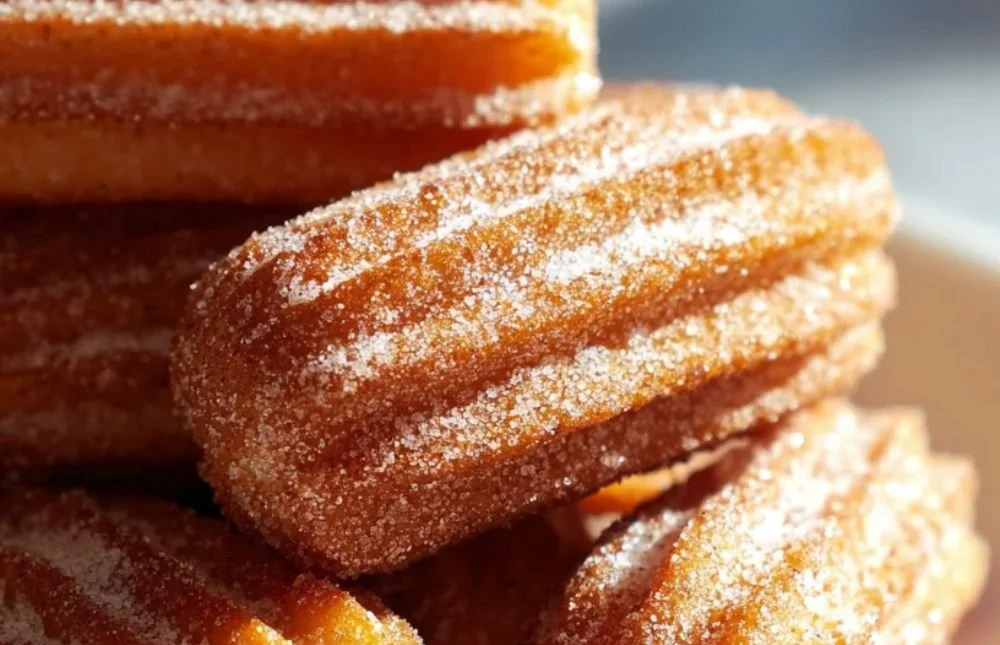
This recipe reframes the classic churro into a restrained, health-forward bite—compact, lightly sweet, and built around structural restraint rather than fat. My approach privileges precise texture control and clean flavor layering: whole wheat flour for an assertive, nutty backbone; applesauce as a moisture and fat substitute that preserves tenderness; and a surface cinnamon-sugar finish that signals churro without invoking an oil bath. The intent is not to mimic fried churros exactly, but to deliver an echo of their defining traits—crisped exterior notes of toasted sugar and cinnamon; a tender, slightly dense interior; and an immediate aromatic impression—while adhering to a lighter ingredient profile. The execution depends on timing, measured heat, and minimal manipulation of the batter.
The culinary logic behind this dish
Every element in this recipe serves a textural or flavor function. Whole wheat flour contributes more than whole-grain signaling; its higher protein and bran content modify hydration dynamics and produce a denser crumb than all-purpose flour. Baking powder provides the necessary leavening lift in a batter lacking added chemical acids or eggs. Cinnamon is both flavor anchor and aromatic top note; salt remains essential for balancing sweetness and amplifying aromatic oils. Unsweetened applesauce replaces oil or butter to reduce saturated fat while contributing pectin-driven body and stable moisture; a liquid sweetener such as honey or maple syrup integrates with applesauce to retain softness and to act as a humectant, reducing staling. Vanilla rounds the palate. The finishing cinnamon-sugar adds a largely surface-level sweetness and textural contrast—critical because the interior is intentionally restrained. Using a mini muffin tin concentrates heat and promotes even browning on a small surface area, approximating the exterior crispness of a fried churro without immersion frying.
How to make Healthy Baked Churro Bites
The process is compact and intentionally linear: prepare the pan and preheat the oven, combine dry ingredients to ensure even distribution of leavening, and mix wet components until homogeneous to avoid pockets of sweetness or flavor separation. Folding the dry into the wet only until just combined preserves a tender crumb—overmixing activates whole wheat gluten more aggressively and yields toughness. Portioning the batter uniformly into the mini cups promotes consistent bake times; filling to 3/4 allows predictable rise and prevents spillage. Baking at 350°F provides a moderate, even heat that allows internal moisture to set before excessive surface browning. The bites must be tossed in the cinnamon-sugar while warm so the residual surface moisture acts as adhesive, producing an even coating rather than a clumpy exterior. Each step controls a specific textural or flavor variable; omission or rough execution will change the balance.
Ingredients :
1 cup whole wheat flour, 1 teaspoon baking powder, 1/2 teaspoon cinnamon, 1/4 teaspoon salt, 1/2 cup unsweetened applesauce, 1/4 cup honey or maple syrup, 1 teaspoon vanilla extract, Cooking spray (for greasing), Cinnamon-sugar mixture (for coating)
Directions :
- Preheat your oven to 350°F (175°C) and lightly grease a mini muffin tin with cooking spray., 2. In a mixing bowl, combine whole wheat flour, baking powder, cinnamon, and salt., 3. In another bowl, mix together applesauce, honey (or maple syrup), and vanilla extract until well combined., 4. Add the dry ingredients to the wet ingredients and stir until just combined., 5. Spoon the batter into the prepared muffin tin, filling each cup about 3/4 full., 6. Bake for 15-18 minutes, or until golden and a toothpick comes out clean., 7. Allow the churro bites to cool slightly, then toss them in a cinnamon-sugar mixture while warm., 8. Serve immediately and enjoy your guilt-free treat!
Ingredient analysis through a chef’s lens
Whole wheat flour: Its bran particles interrupt gluten networks and absorb more liquid, so batter hydration must account for this. Expect a slightly grainier but more flavorful crumb; when measuring, spoon flour into the cup and level, rather than scooping, to avoid excess density. Baking powder: A single-acting leavening in this context will expand during the initial heat application; thorough dispersion in the dry mix ensures even lift. Cinnamon: Provides volatile aromatics that develop in the oven’s heat; placing it in the dry mix rather than the wet promotes even distribution. Salt: Small but crucial for flavor contrast and for strengthening protein bonds, which improves crumb structure. Applesauce: Acts as the primary moistening agent and partial fat substitute; its acidity and pectin content assist with texture while keeping the crumb resilient. Honey or maple syrup: Both introduce hygroscopic sugars that retain moisture and create a subtler sweetness profile than granulated sugar; honey will contribute slight floral notes, maple syrup will add caramelized, woody tones. Vanilla: Enhances perception of sweetness and rounds spice notes. Cooking spray: Ensures release without additional fat; alternate greasing can influence the exterior’s immediate browning. Cinnamon-sugar: A post-bake application relying on residual warmth for adherence; composition and granulation of the sugar affect surface texture—finer sugar adheres more uniformly.
Kitchen workflow & technique breakdown
Begin by assembling mise en place: measure flour and leavening together; combine applesauce and liquid sweetener and set out vanilla. Preheat the oven early to stabilize heat—an underheated oven will extend bake times and dry the bites as they attempt to set. Grease the mini muffin tin just prior to filling; excess oil will cause the sugar coating to slide or over-saturate the exterior. Sift or whisk the dry ingredients—this distributes baking powder and cinnamon, prevents pockets of flavor, and loosens compacted whole wheat flour. When combining wet and dry, use a flexible spatula and fold with measured strokes until streaks disappear; expect a slightly thicker batter than typical cake batters. Use a small cookie scoop or tablespoon to produce uniform portions; consistency in batter volume is one of the most important variables for synchronous doneness. Arrange the tin in the center of the oven on a middle rack; for small pans, avoid crowding which can impede air circulation. Do not open the oven during the early portion of the bake; the first 10 minutes are critical for structure setting.
Texture control, heat management & timing
Texture is a function of hydration, mixing, and heat application. The recipe’s 15–18 minute window is calibrated for mini portions; the exterior should develop a pale golden color while the interior remains moist. Measure doneness by the toothpick test and by springback: the surface should resist gentle fingertip pressure and show a subtle bounce. If the bites brown too quickly, either reduce rack height or lower oven temperature by 10–15°F and extend bake time; excessive surface browning before interior set will yield an underbaked center that collapses. Conversely, if the interior seems dry, check that the batter was not overmixed and that ingredients were measured accurately. The warm-toss step in cinnamon-sugar must be timed: too hot and the coating will partially dissolve and become grainy; too cool and adhesion is poor. Most efficient is a 5–8 minute cool on the rack to allow some steam escape, then final toss.
Professional variations
Maintain the recipe’s ingredients and directions if you need consistent outcomes, but consider procedural variations to alter final expression without changing measurements. For example, after baking, roll the warm bites in a cinnamon-sugar blend that incorporates a touch of arrowroot or cornstarch for a drier dusting that resists stickiness when held. Alternatively, after cooling, briefly torch the coated surface to caramelize sugar for a pronounced toasted note—this changes surface character but does not alter base composition. Serve with a neutral-yet-rich dipping agent at service (such as a warm reduced fruit purée or a lightly sweetened yogurt) applied tableside to preserve the bites’ exterior texture. Each variation manipulates finish or service temperature rather than core formula.
Finishing touches & plating philosophy
Treat these bites as small format pastries: present on a warmed platter to keep interior moisture perceptible on first bite, but avoid prolonged exposure to heat which will soften the cinnamon-sugar shell. Arrange in staggered rows to encourage airflow between pieces; garnish sparingly—microherb sprigs or a precisely grated citrus zest can introduce contrast without overpowering the cinnamon. Use a shallow bowl of the cinnamon-sugar for interactive service, allowing guests to re-coat lightly if they desire a fresher crust. For composed plating, place two bites per portion with a small quenelle of a neutral dairy or cultured accompaniment; this juxtaposition highlights the restrained sweetness and enhances mouthfeel.
Maintaining quality after cooking
Storage directly affects texture. For short-term keeping (same day), transfer bites to a single layer on a cooling rack then store at room temperature in a loosely covered container with a paper towel to absorb excess moisture. Sealing tightly while warm will trap steam and collapse the cinnamon-sugar shell. For longer storage, cool completely and freeze on a tray, then transfer to an airtight container; reheat from frozen in a 325°F oven for 6–8 minutes to refresh surface crispness. Reheating in a microwave will restore warmth but will collapse any surface crunch. If coating becomes sticky from humidity, a brief low-heat bake or a quick torch pass will re-crisp the exterior.
Questions from home cooks (chef answers)
Q: The center is gummy—what went wrong?
A: Gummy centers typically mean underbaking or excess moisture. Confirm oven calibration with a thermometer, ensure portion sizes are uniform, and use the toothpick test. If batter was overmixed, gluten development could also contribute to a dense, gummy mouthfeel.
Q: My cinnamon-sugar slides off—how can I fix it?
A: Either your bites were too hot and melted the sugar into a glaze, or too cool for adhesion. Allow a brief 5–8 minute cooldown to reduce surface moisture, then toss. Alternatively, increase granulation slightly or add a very light dusting of powdered sugar to help adhesion without altering taste.
Q: Can I use all-purpose flour?
A: Technically yes, but it will alter texture and hydration. All-purpose will yield a lighter crumb and require slightly less mixing friction; be mindful that the final flavor will be less grain-forward.
Q: Can I substitute applesauce with oil?
A: Substituting oil changes crumb structure and moisture retention; oil yields a softer, more tender crumb and modifies mouthfeel to resemble fried dough more closely. If maintaining the “healthy” profile is the goal, keep the applesauce.
Final chef notes
Precision in measurement and timing is the core of success for these bites. The recipe’s economy of ingredients requires fidelity to technique: mix just enough, portion consistently, and treat the warm cinnamon-sugar coating as a timing-dependent finishing operation. The result rewards disciplined execution with a restrained pastry that evokes churro character through aroma and surface texture rather than fat-driven richness. For professional service, stage the toss and plating as the final step immediately before service to preserve contrast and aromatic intensity.
Conclusion
For reference on related approaches and additional finishing ideas, consult an established take on the format such as the Baked Churro Bites recipe on Allrecipes, which illustrates a comparable baked technique. For inspiration on pairing a caramelized finishing sauce, see the interpretation offered in Baked Ambrosia’s Baked Churro Bites with Homemade Dulce de Leche. To explore a chocolate-accented service idea that retains the baked format, review the quick chocolate sauce approach at Aleka’s Get Together: BAKED Mini Churro Bites with Quick Chocolate Sauce.
Healthy Baked Churro Bites
Ingredients
Method
- Preheat your oven to 350°F (175°C) and lightly grease a mini muffin tin with cooking spray.
- In a mixing bowl, combine whole wheat flour, baking powder, cinnamon, and salt.
- In another bowl, mix together applesauce, honey (or maple syrup), and vanilla extract until well combined.
- Add the dry ingredients to the wet ingredients and stir until just combined.
- Spoon the batter into the prepared muffin tin, filling each cup about 3/4 full.
- Bake for 15-18 minutes, or until golden and a toothpick comes out clean.
- Allow the churro bites to cool slightly, then toss them in a cinnamon-sugar mixture while warm.
- Serve immediately and enjoy your guilt-free treat!